
0 item(s)
View cart
You have no items in your shopping cart.
Walk into a place calling itself a fresh roasted coffee organic donut shop, and the promise is bigger than a caffeine fix and a sugar hit. It’s a claim about standards. Freshness. Ingredient quality. Flavor that hasn’t been flattened by warehouse time, stale oil, or a menu built for speed instead of taste. If a shop wants to wear those words, it should earn them.
That matters because coffee and donuts are one of the most abused pairings in food retail. Too many spots lean on the romance of the combo while serving old beans, over-roasted blends, and donuts made with ingredients that read like a chemistry set. You get the sign, the vibe, and the branding, but not the goods. A real independent shop should be able to do better.
Fresh roasted coffee is not a decorative phrase. It means the coffee was roasted recently enough to preserve aroma, structure, and the character of the bean. You should taste the roast profile clearly, whether that means a bright breakfast blend, a balanced medium roast, a heavy dark roast, or a no-nonsense French or Italian profile with real depth. Fresh coffee has range. Stale coffee just tastes loud, flat, or burnt.
Organic donuts carry the same burden of proof. Organic does not automatically mean healthier, and it definitely does not guarantee better flavor. What it should signal is cleaner sourcing, more intentional ingredient choices, and a product that respects the basics - flour, sugar, dairy, fruit, spice, glaze, and frying standards that don’t leave every donut tasting like yesterday’s oil. If a shop is using organic as a shortcut to justify mediocre texture, customers notice.
The strongest shops understand that these two products have to support each other. A delicate light roast can get buried by a heavy maple bacon donut. A dark, bitter cup can steamroll a subtle vanilla glaze. Pairing matters. Balance matters. If a shop gets both sides right, the whole menu feels sharper.
Coffee loses its edge fast once it’s roasted, ground, or left sitting in the wrong storage conditions. That does not mean every bean should be brewed the second it cools, but it does mean roast dates matter. So does grind timing. So does batch discipline. A serious operation respects the clock because that’s how you get the flavor the bean intended instead of a muddy version of it.
Donuts have an even shorter runway. The difference between same-day and next-day is obvious, especially in yeast donuts, cake donuts, and filled varieties. Fresh texture is part of the experience. The exterior should have structure, the crumb should hold together without feeling dry, and the glaze should complement rather than smother. If the donut needs a flashy topping to hide staleness, the shop already lost the fight.
That’s why the best independent operators keep production tight instead of chasing endless menu bloat. Fewer items done right will beat a giant case of average pastries every time. Freshness rewards discipline.
If you want to judge a coffee-and-donut shop fast, start with the coffee program. Not the wallpaper. Not the slogans. The coffee.
Ask what roast profiles they carry and how often they rotate coffee. Look at whether they can explain the difference between a smooth medium roast and a dark roast with real body. See if they offer options for different drinkers - whole bean for home brewers, convenient pods for quick mornings, cold brew for people who want low-acid punch, and decaf that doesn’t taste like surrender. Shops that understand customer habits usually build better menus because they respect how people actually drink coffee.
The best programs are built around clarity. Someone should be able to walk in and know exactly where they belong. Want bright and easy? There should be a path. Want bold and heavy? There should be a path. Want maximum caffeine? Same story. Corporate coffee loves to make everything taste the same and call it consistency. Real coffee brands know consistency is delivering the right profile on purpose, not flattening every roast into generic darkness.
A lot of shops talk a big game on ingredients and then forget the donut still has to be worth eating. Organic flour and sugar are not enough. The donut has to have structure, balance, and a flavor identity strong enough to stand next to serious coffee.
Good donut shops know restraint. The dough should taste like something on its own. Spices should be present, not loud. Fillings should have actual fruit or custard character instead of syrupy filler. Chocolate should taste like chocolate, not wax. If the base is right, the toppings become an upgrade instead of a rescue mission.
There is also a trade-off here. Organic ingredients can raise costs, and those costs usually show up in the case price. Some customers will pay more for sourcing standards. Others mostly want the best-tasting donut for the money. Smart shops don’t hide from that tension. They justify the price through freshness, portion, flavor, and consistency. If customers feel the quality in one bite, they stop arguing with the number on the tag.
The classic mistake is building coffee and donuts as separate businesses under one roof. The donut team makes sweets. The coffee team brews whatever is easiest. Nobody thinks about how they land together.
That’s how you end up with a sugary donut case and coffee roasted so dark it bulldozes every pastry. Or the opposite - nuanced single-origin cups lined up beside donuts so sweet they wipe out any subtle notes. Pairing doesn’t have to be precious, but it should be intentional.
A cinnamon cake donut can stand up to a medium roast with nutty or chocolate notes. A glazed yeast donut is better with a clean breakfast blend than an aggressive smoky roast. Filled donuts often work better with darker coffees because the extra body can hold the line against richer sweetness. These are not hard rules, but they separate a curated menu from a random one.
This is where smaller brands and local operators should win. They can move faster, roast tighter, test seasonal donuts without committee approval, and actually listen to what regulars come back for. They don’t have to answer to a giant boardroom that wants every cup and pastry engineered for maximum shelf life.
That independence matters because fresh products require commitment. You can’t fake freshness with branding forever. You need better roasting habits, better ingredient sourcing, tighter inventory, and a team that cares whether the customer’s second visit is as good as the first.
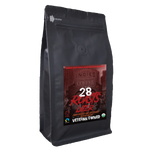
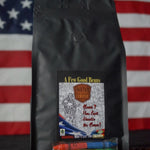
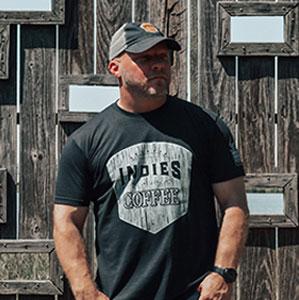
That’s also why direct-to-consumer coffee brands have raised the bar. Once people get used to freshly roasted coffee shipped to their door, they become harder to impress with stale café coffee. A brand like Indies Coffee has trained customers to expect bold profiles, recent roasting, and coffee that tastes deliberate rather than mass-produced. Shops that want to compete for those customers need to bring the same energy in person.
You do not need to be a coffee snob or pastry critic to tell whether a shop is serious. Fresh coffee should smell alive, not dusty. It should have a finish, not just bitterness. Donuts should feel soft or crisp where they’re supposed to, not tired and greasy all the way through.
Watch how the staff talks about the menu. Can they tell you what roast is best for someone who likes dark coffee without acting like every customer needs a lecture? Can they explain what makes a donut organic in practical terms? Confidence matters, but substance matters more.
Also pay attention to focus. A strong shop usually has a point of view. Maybe it leans hard into dark roasts and old-school glazed donuts. Maybe it does balanced medium roasts with cleaner ingredient pastries. Whatever the angle, it should feel intentional. When everything is for everyone, quality usually slips.
Customers are less willing to settle for stale beans and forgettable pastries with premium prices attached. That’s a good thing. It forces the market to clean itself up. If a shop wants to call itself a fresh roasted coffee organic donut shop, customers should expect more than buzzwords. They should expect recent roasting, real flavor separation across roast levels, ingredients with a purpose, and donuts that taste like they were made by people who care.
That standard is not elitist. It’s basic respect for the product and for the customer. People work hard for their money. Their morning coffee and donut should feel like a reward, not a compromise.
The best shops understand that every cup and every pastry is a statement. Not corporate. Not generic. Not built to sit around until someone buys it. Just honest freshness, strong flavor, and enough backbone to do things right. That’s the kind of place worth coming back to.
Walk into a place calling itself a fresh roasted coffee organic donut shop, and the promise is bigger than a caffeine fix and a sugar hit. It’s a claim about standards. Freshness. Ingredient quality. Flavor that hasn’t been flattened by warehouse time, stale oil, or a menu built for speed instead of taste. If a shop wants to wear those words, it should earn them.
That matters because coffee and donuts are one of the most abused pairings in food retail. Too many spots lean on the romance of the combo while serving old beans, over-roasted blends, and donuts made with ingredients that read like a chemistry set. You get the sign, the vibe, and the branding, but not the goods. A real independent shop should be able to do better.
Fresh roasted coffee is not a decorative phrase. It means the coffee was roasted recently enough to preserve aroma, structure, and the character of the bean. You should taste the roast profile clearly, whether that means a bright breakfast blend, a balanced medium roast, a heavy dark roast, or a no-nonsense French or Italian profile with real depth. Fresh coffee has range. Stale coffee just tastes loud, flat, or burnt.
Organic donuts carry the same burden of proof. Organic does not automatically mean healthier, and it definitely does not guarantee better flavor. What it should signal is cleaner sourcing, more intentional ingredient choices, and a product that respects the basics - flour, sugar, dairy, fruit, spice, glaze, and frying standards that don’t leave every donut tasting like yesterday’s oil. If a shop is using organic as a shortcut to justify mediocre texture, customers notice.
The strongest shops understand that these two products have to support each other. A delicate light roast can get buried by a heavy maple bacon donut. A dark, bitter cup can steamroll a subtle vanilla glaze. Pairing matters. Balance matters. If a shop gets both sides right, the whole menu feels sharper.
Coffee loses its edge fast once it’s roasted, ground, or left sitting in the wrong storage conditions. That does not mean every bean should be brewed the second it cools, but it does mean roast dates matter. So does grind timing. So does batch discipline. A serious operation respects the clock because that’s how you get the flavor the bean intended instead of a muddy version of it.
Donuts have an even shorter runway. The difference between same-day and next-day is obvious, especially in yeast donuts, cake donuts, and filled varieties. Fresh texture is part of the experience. The exterior should have structure, the crumb should hold together without feeling dry, and the glaze should complement rather than smother. If the donut needs a flashy topping to hide staleness, the shop already lost the fight.
That’s why the best independent operators keep production tight instead of chasing endless menu bloat. Fewer items done right will beat a giant case of average pastries every time. Freshness rewards discipline.
If you want to judge a coffee-and-donut shop fast, start with the coffee program. Not the wallpaper. Not the slogans. The coffee.
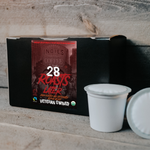
Ask what roast profiles they carry and how often they rotate coffee. Look at whether they can explain the difference between a smooth medium roast and a dark roast with real body. See if they offer options for different drinkers - whole bean for home brewers, convenient pods for quick mornings, cold brew for people who want low-acid punch, and decaf that doesn’t taste like surrender. Shops that understand customer habits usually build better menus because they respect how people actually drink coffee.
The best programs are built around clarity. Someone should be able to walk in and know exactly where they belong. Want bright and easy? There should be a path. Want bold and heavy? There should be a path. Want maximum caffeine? Same story. Corporate coffee loves to make everything taste the same and call it consistency. Real coffee brands know consistency is delivering the right profile on purpose, not flattening every roast into generic darkness.
A lot of shops talk a big game on ingredients and then forget the donut still has to be worth eating. Organic flour and sugar are not enough. The donut has to have structure, balance, and a flavor identity strong enough to stand next to serious coffee.
Good donut shops know restraint. The dough should taste like something on its own. Spices should be present, not loud. Fillings should have actual fruit or custard character instead of syrupy filler. Chocolate should taste like chocolate, not wax. If the base is right, the toppings become an upgrade instead of a rescue mission.
There is also a trade-off here. Organic ingredients can raise costs, and those costs usually show up in the case price. Some customers will pay more for sourcing standards. Others mostly want the best-tasting donut for the money. Smart shops don’t hide from that tension. They justify the price through freshness, portion, flavor, and consistency. If customers feel the quality in one bite, they stop arguing with the number on the tag.
The classic mistake is building coffee and donuts as separate businesses under one roof. The donut team makes sweets. The coffee team brews whatever is easiest. Nobody thinks about how they land together.
That’s how you end up with a sugary donut case and coffee roasted so dark it bulldozes every pastry. Or the opposite - nuanced single-origin cups lined up beside donuts so sweet they wipe out any subtle notes. Pairing doesn’t have to be precious, but it should be intentional.
A cinnamon cake donut can stand up to a medium roast with nutty or chocolate notes. A glazed yeast donut is better with a clean breakfast blend than an aggressive smoky roast. Filled donuts often work better with darker coffees because the extra body can hold the line against richer sweetness. These are not hard rules, but they separate a curated menu from a random one.
This is where smaller brands and local operators should win. They can move faster, roast tighter, test seasonal donuts without committee approval, and actually listen to what regulars come back for. They don’t have to answer to a giant boardroom that wants every cup and pastry engineered for maximum shelf life.
That independence matters because fresh products require commitment. You can’t fake freshness with branding forever. You need better roasting habits, better ingredient sourcing, tighter inventory, and a team that cares whether the customer’s second visit is as good as the first.
That’s also why direct-to-consumer coffee brands have raised the bar. Once people get used to freshly roasted coffee shipped to their door, they become harder to impress with stale café coffee. A brand like Indies Coffee has trained customers to expect bold profiles, recent roasting, and coffee that tastes deliberate rather than mass-produced. Shops that want to compete for those customers need to bring the same energy in person.
You do not need to be a coffee snob or pastry critic to tell whether a shop is serious. Fresh coffee should smell alive, not dusty. It should have a finish, not just bitterness. Donuts should feel soft or crisp where they’re supposed to, not tired and greasy all the way through.
Watch how the staff talks about the menu. Can they tell you what roast is best for someone who likes dark coffee without acting like every customer needs a lecture? Can they explain what makes a donut organic in practical terms? Confidence matters, but substance matters more.
Also pay attention to focus. A strong shop usually has a point of view. Maybe it leans hard into dark roasts and old-school glazed donuts. Maybe it does balanced medium roasts with cleaner ingredient pastries. Whatever the angle, it should feel intentional. When everything is for everyone, quality usually slips.
Customers are less willing to settle for stale beans and forgettable pastries with premium prices attached. That’s a good thing. It forces the market to clean itself up. If a shop wants to call itself a fresh roasted coffee organic donut shop, customers should expect more than buzzwords. They should expect recent roasting, real flavor separation across roast levels, ingredients with a purpose, and donuts that taste like they were made by people who care.
That standard is not elitist. It’s basic respect for the product and for the customer. People work hard for their money. Their morning coffee and donut should feel like a reward, not a compromise.
The best shops understand that every cup and every pastry is a statement. Not corporate. Not generic. Not built to sit around until someone buys it. Just honest freshness, strong flavor, and enough backbone to do things right. That’s the kind of place worth coming back to.