
0 item(s)
View cart
You have no items in your shopping cart.
If your coffee tastes like burnt air and bitter regret, it is not a dark roast problem. It is a bad coffee problem. The best dark roast coffees deliver depth, weight, and real character without flattening every cup into smoke. A great dark roast should hit bold, not dead.
That matters because dark roast gets a bad reputation for reasons it did not earn on its own. Too many mass-market brands use heavy roasting to cover stale beans, weak sourcing, or sloppy quality control. People drink one harsh cup and assume all dark coffee is supposed to taste charred. It is not. When the beans are fresh and the roast is handled with discipline, dark roast can bring out dark chocolate, baker's cocoa, toasted nuts, molasses, spice, and that satisfying low-end richness people actually want.
The biggest separator is freshness. Dark roast beans lose their peak faster than lighter roasts because the oils come closer to the surface. That does not mean dark roast is fragile or inferior. It means old beans fall off faster, and grocery-store bags that have been sitting around too long are already losing the plot before they ever hit your grinder.
Roast control is the next make-or-break factor. Good dark roast is developed enough to bring intensity and body, but not pushed so far that origin character disappears completely. There is a line between bold and burned. The best roasters know where it is and do not cross it just to make coffee taste louder.
Bean quality still matters, even in a darker profile. There is a myth that roast level erases defects. It does not. Cheap beans roasted dark still taste cheap, just with more bitterness layered on top. Better beans create a cleaner finish, more sweetness, and a stronger backbone. You can feel the difference in the cup even if you are not using tasting-note language.
Not every dark roast fan wants the same thing. Some want that deep diner-style punch that stands up to cream. Others want a smoother, more polished cup with chocolate and caramel instead of ash and bite. If you are trying to find your lane, it helps to think in terms of use, not just roast label.
Look for French roast or dark breakfast blends if you want a full-bodied cup that tastes strong the second it hits your tongue. These coffees usually bring smokier edges, heavier body, and enough intensity to cut through milk and sugar without disappearing. If your morning cup needs authority, this is usually where you start.
Italian roast and other carefully developed dark profiles can deliver big flavor with less harshness. The body stays heavy, but the bitterness tends to be more controlled. You may get cocoa, bittersweet chocolate, toasted walnut, or even a faint syrupy sweetness. This is the move for people who want bold coffee that still tastes intentional.
Dark roast can work beautifully for espresso when the roast is fresh and not overdone. Expect lower acidity, thicker crema, and a heavier texture. The trade-off is that a very dark espresso roast may lose some of the nuance lighter espresso drinkers chase. If you want a shot that punches hard and blends well in milk drinks, dark roast earns its place.
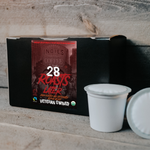
K-Cups and dark roast are a natural pair if you want speed without a weak cup. The key is finding pods that still taste fresh and substantial rather than flat. Dark profiles often hold up better in single-serve brewing than delicate light roasts, but low-quality pods still show their limits fast. Convenience should not mean surrender.
Dark roast can make an excellent cold brew, especially if you like a dense, low-acid result with chocolate-heavy flavor. Some drinkers prefer medium roast for more brightness in cold brew, so this is one of those it depends calls. If you want your cold brew smooth, bold, and less fruity, dark roast is usually the stronger bet.
Start with whole bean if you can. Grinding right before brewing gives you a better shot at capturing the oils and aromatics that make dark roast satisfying. Pre-ground coffee is not automatically bad, but it tends to fade faster, and dark roast does not have much room for staleness before tasting dull.
Then match the coffee to your brew method. French press and drip brewers do well with full-bodied dark roasts because they highlight body and chocolate notes. Espresso machines reward dark roasts that have enough development to taste dense without turning acrid. Pour-over can work too, but it is less forgiving. A dark roast brewed too hot or too slowly can tip from bold to bitter in a hurry.
Pay attention to roast date, not just branding. A bag covered in strong language and macho graphics means nothing if the coffee is stale. Freshly roasted beans are where dark roast actually shines. That is one reason independent roasters often outperform giant shelf brands. They are closer to the roast cycle, closer to the customer, and less interested in building coffee for warehouse survival.
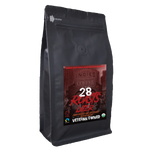
Organic certification can matter if it aligns with how you shop, but flavor still comes first. An organic dark roast that is stale or over-roasted will still disappoint. The sweet spot is coffee that is both responsibly sourced and roasted with enough skill to preserve flavor integrity.
The first is assuming more bitterness means more strength. Roast level and caffeine are not the same thing. Dark roast often tastes stronger because of its flavor profile, not because it carries dramatically more caffeine. If you want a serious kick, check whether the coffee is specifically built for higher caffeine rather than assuming the darkest bag wins.
The second mistake is brewing too hot. Boiling water can rough up dark roast fast, especially in pour-over or automatic drip. Aim just under boiling to keep bitterness in check and let the sweetness come through.
The third is storing it like it is shelf-stable forever. Oxygen, heat, moisture, and light are enemies of any coffee, but dark roast shows the damage quickly. Keep it sealed, cool, and out of direct light. Buy what you will actually use while it is fresh instead of stockpiling like it is ammo.
Mass coffee has one mission: consistency at scale. That usually means roasting for shelf life, broad taste tolerance, and cost control. The result is a dark roast that tastes the same month after month, but not in a good way. It is engineered to be acceptable, not memorable.
That is where smaller specialty brands earn their keep. They can roast in tighter batches, move coffee faster, and build profiles that still taste alive. For dark roast drinkers, that difference is huge. You are not just buying a darker bean. You are buying a fresher, more deliberate version of what dark roast is supposed to be.
A brand like Indies Coffee fits that independent lane well because it rejects the generic corporate formula and focuses on freshness, bold flavor, and coffee with a backbone. That matters if you want your daily cup to feel like more than another forgettable bag off a supermarket wall.
A serious dark roast should not force you to choose between flavor and strength. You can have both. The best cups carry weight, texture, and that deep roasted edge people crave, while still leaving room for sweetness and clarity underneath.
That is really the test. If every sip tastes like carbon, the roast has gone too far or the beans were not worth saving in the first place. But when dark roast is done right, it is confident, full-bodied, and deeply satisfying. No gimmicks. No watered-down corporate compromise. Just a cup that knows exactly what it is.
If you are shopping for dark roast, trust your taste, but raise your standards. Fresh roast dates, whole beans when possible, and a roaster that treats bold flavor like a craft instead of a cover-up will get you a lot closer to the cup you have been looking for.
If your coffee tastes like burnt air and bitter regret, it is not a dark roast problem. It is a bad coffee problem. The best dark roast coffees deliver depth, weight, and real character without flattening every cup into smoke. A great dark roast should hit bold, not dead.
That matters because dark roast gets a bad reputation for reasons it did not earn on its own. Too many mass-market brands use heavy roasting to cover stale beans, weak sourcing, or sloppy quality control. People drink one harsh cup and assume all dark coffee is supposed to taste charred. It is not. When the beans are fresh and the roast is handled with discipline, dark roast can bring out dark chocolate, baker's cocoa, toasted nuts, molasses, spice, and that satisfying low-end richness people actually want.
The biggest separator is freshness. Dark roast beans lose their peak faster than lighter roasts because the oils come closer to the surface. That does not mean dark roast is fragile or inferior. It means old beans fall off faster, and grocery-store bags that have been sitting around too long are already losing the plot before they ever hit your grinder.
Roast control is the next make-or-break factor. Good dark roast is developed enough to bring intensity and body, but not pushed so far that origin character disappears completely. There is a line between bold and burned. The best roasters know where it is and do not cross it just to make coffee taste louder.
Bean quality still matters, even in a darker profile. There is a myth that roast level erases defects. It does not. Cheap beans roasted dark still taste cheap, just with more bitterness layered on top. Better beans create a cleaner finish, more sweetness, and a stronger backbone. You can feel the difference in the cup even if you are not using tasting-note language.
Not every dark roast fan wants the same thing. Some want that deep diner-style punch that stands up to cream. Others want a smoother, more polished cup with chocolate and caramel instead of ash and bite. If you are trying to find your lane, it helps to think in terms of use, not just roast label.
Look for French roast or dark breakfast blends if you want a full-bodied cup that tastes strong the second it hits your tongue. These coffees usually bring smokier edges, heavier body, and enough intensity to cut through milk and sugar without disappearing. If your morning cup needs authority, this is usually where you start.
Italian roast and other carefully developed dark profiles can deliver big flavor with less harshness. The body stays heavy, but the bitterness tends to be more controlled. You may get cocoa, bittersweet chocolate, toasted walnut, or even a faint syrupy sweetness. This is the move for people who want bold coffee that still tastes intentional.
Dark roast can work beautifully for espresso when the roast is fresh and not overdone. Expect lower acidity, thicker crema, and a heavier texture. The trade-off is that a very dark espresso roast may lose some of the nuance lighter espresso drinkers chase. If you want a shot that punches hard and blends well in milk drinks, dark roast earns its place.
K-Cups and dark roast are a natural pair if you want speed without a weak cup. The key is finding pods that still taste fresh and substantial rather than flat. Dark profiles often hold up better in single-serve brewing than delicate light roasts, but low-quality pods still show their limits fast. Convenience should not mean surrender.
Dark roast can make an excellent cold brew, especially if you like a dense, low-acid result with chocolate-heavy flavor. Some drinkers prefer medium roast for more brightness in cold brew, so this is one of those it depends calls. If you want your cold brew smooth, bold, and less fruity, dark roast is usually the stronger bet.
Start with whole bean if you can. Grinding right before brewing gives you a better shot at capturing the oils and aromatics that make dark roast satisfying. Pre-ground coffee is not automatically bad, but it tends to fade faster, and dark roast does not have much room for staleness before tasting dull.
Then match the coffee to your brew method. French press and drip brewers do well with full-bodied dark roasts because they highlight body and chocolate notes. Espresso machines reward dark roasts that have enough development to taste dense without turning acrid. Pour-over can work too, but it is less forgiving. A dark roast brewed too hot or too slowly can tip from bold to bitter in a hurry.
Pay attention to roast date, not just branding. A bag covered in strong language and macho graphics means nothing if the coffee is stale. Freshly roasted beans are where dark roast actually shines. That is one reason independent roasters often outperform giant shelf brands. They are closer to the roast cycle, closer to the customer, and less interested in building coffee for warehouse survival.
Organic certification can matter if it aligns with how you shop, but flavor still comes first. An organic dark roast that is stale or over-roasted will still disappoint. The sweet spot is coffee that is both responsibly sourced and roasted with enough skill to preserve flavor integrity.
The first is assuming more bitterness means more strength. Roast level and caffeine are not the same thing. Dark roast often tastes stronger because of its flavor profile, not because it carries dramatically more caffeine. If you want a serious kick, check whether the coffee is specifically built for higher caffeine rather than assuming the darkest bag wins.
The second mistake is brewing too hot. Boiling water can rough up dark roast fast, especially in pour-over or automatic drip. Aim just under boiling to keep bitterness in check and let the sweetness come through.
The third is storing it like it is shelf-stable forever. Oxygen, heat, moisture, and light are enemies of any coffee, but dark roast shows the damage quickly. Keep it sealed, cool, and out of direct light. Buy what you will actually use while it is fresh instead of stockpiling like it is ammo.
Mass coffee has one mission: consistency at scale. That usually means roasting for shelf life, broad taste tolerance, and cost control. The result is a dark roast that tastes the same month after month, but not in a good way. It is engineered to be acceptable, not memorable.
That is where smaller specialty brands earn their keep. They can roast in tighter batches, move coffee faster, and build profiles that still taste alive. For dark roast drinkers, that difference is huge. You are not just buying a darker bean. You are buying a fresher, more deliberate version of what dark roast is supposed to be.
A brand like Indies Coffee fits that independent lane well because it rejects the generic corporate formula and focuses on freshness, bold flavor, and coffee with a backbone. That matters if you want your daily cup to feel like more than another forgettable bag off a supermarket wall.
A serious dark roast should not force you to choose between flavor and strength. You can have both. The best cups carry weight, texture, and that deep roasted edge people crave, while still leaving room for sweetness and clarity underneath.
That is really the test. If every sip tastes like carbon, the roast has gone too far or the beans were not worth saving in the first place. But when dark roast is done right, it is confident, full-bodied, and deeply satisfying. No gimmicks. No watered-down corporate compromise. Just a cup that knows exactly what it is.
If you are shopping for dark roast, trust your taste, but raise your standards. Fresh roast dates, whole beans when possible, and a roaster that treats bold flavor like a craft instead of a cover-up will get you a lot closer to the cup you have been looking for.