
0 item(s)
View cart
You have no items in your shopping cart.
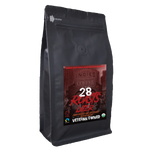
A real organic dark roast coffee review should not stop at a label or a dramatic bag design. Dark roast drinkers want a cup that shows up ready for duty: deep flavor, a serious aroma, and enough body to stand up to a rushed weekday morning. Organic matters, but freshness, roast control, and brewing method decide whether that first sip feels like a win or another bitter compromise.
Corporate coffee has trained plenty of people to expect dark roast to taste burnt, flat, or aggressively smoky. That is not a requirement of the roast level. A good organic dark roast can be bold without tasting like charcoal. It should have presence, not punishment.
Dark roasting changes the bean's flavor profile. The longer roast brings oils to the surface, lowers perceived acidity, and leans into notes such as dark chocolate, toasted sugar, roasted nuts, spice, and smoke. The origin character is less front-and-center than it is in a light roast, but it should not disappear entirely.
The best cups carry a clear balance. You get the roast-forward intensity dark roast fans expect, then enough sweetness and structure to keep the finish clean. The bad versions are easy to spot: ash, harsh bitterness, a thin body, or a flavor that lingers like an old diner pot.
Organic certification speaks to how the coffee was grown and handled before it reached the roaster. For buyers who care about what goes into their daily ritual, that is a meaningful baseline. Still, organic alone does not guarantee a great cup. A stale organic bean is still stale. A careless roast can still crush the flavor the farmer worked to produce.
That is why the review has to look at the whole mission: sourcing, roast date, aroma, flavor, body, and how the coffee performs in the brew method you actually use.
Start with the dry aroma right after grinding. Fresh dark roast should smell inviting and full, with cocoa, caramelized sweetness, warm spice, or a controlled smokiness. If the grounds smell dusty, papery, or oddly hollow, the coffee may have been sitting too long after roasting.
Once brewed, look for a full, satisfying body. This does not always mean thick or heavy. A well-roasted French or Italian-style coffee can feel substantial while still finishing clean. The texture should support the flavor, especially if you take your coffee black.
Bitterness is the dividing line. Some bitterness belongs in dark roast coffee, just as it does in dark chocolate. It gives the cup edge. But bitterness should be balanced by sweetness and depth, not dominate every sip. If you need a flood of cream and sugar to make it drinkable, the roast may be doing too much.
A strong organic dark roast should also hold its ground when you add milk. Coffee that gets lost in a splash of half-and-half is not built for people who like a bold cup. Expect darker chocolate, molasses, toasted walnut, and gentle smoky notes to remain present rather than vanish.
Coffee begins losing its best aromatics soon after roasting, and ground coffee moves even faster. That is why bags that have spent months moving through warehouses and grocery shelves so often taste dull, even when the packaging promises intensity.
For dark roast, freshness has an especially visible impact. Freshly roasted beans produce a richer aroma, more lively crema in espresso, and a clearer distinction between intentional roast character and plain old staleness. The coffee tastes deep because it was roasted that way, not because it has been sitting around getting tired.
Look for a roast date rather than relying only on a distant best-by date. Whole beans are the strongest choice for preserving flavor, provided you can grind immediately before brewing. If convenience runs the show, quality single-serve cups and properly packed pre-ground coffee can work well, but they need to come from a roaster that takes freshness seriously.
Store beans in an airtight container away from heat, sunlight, and moisture. Skip the refrigerator. Coffee absorbs odors, and repeated temperature shifts invite condensation. Buy an amount you can finish while it still tastes alive, then restock with purpose.
There is no one brew method that wins every organic dark roast coffee review. The right choice depends on what you want from the cup and how much time you have before the day starts moving.
A drip brewer is the dependable daily-driver option. It highlights body and chocolate-forward flavor while producing enough coffee for a household or a long workday. Use water just off the boil and avoid leaving the finished pot on a hot plate for hours. Even great coffee turns bitter when it is cooked a second time.
A French press gives dark roast drinkers maximum weight and texture. Its metal filter allows more coffee oils into the cup, which can make the flavor feel bigger and more rugged. It is a strong fit for people who want the coffee to hit hard, though sediment in the last sip is part of the deal.
Pour-over brewing creates more clarity. It can reveal sweetness and subtle origin notes that get buried in a rushed machine brew. This method takes attention, so it is best for a slower morning or anyone who treats brewing as part of the ritual rather than an obstacle between them and caffeine.
Espresso demands a well-developed roast with enough body to stand alone in a short shot or cut through steamed milk. A dark roast can shine here, but it needs to avoid excessive oiliness and burnt flavor. Those traits can make dialing in a grinder frustrating and turn a latte into a bitter mess.
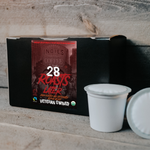
For quick convenience, a quality K-Cup can be the right call. The trade-off is less control over grind, dose, and water flow. Choose it when speed matters, not because you have accepted weak coffee as your fate. Cold brew packs are another practical lane, producing a smoother, lower-acid cup that works especially well over ice.
Organic dark roast is built for drinkers who want coffee with authority. If your ideal cup is smooth but substantial, low in sharp acidity, and strong enough for black coffee or a heavy splash of milk, this category deserves a place in your rotation.
It is also a natural match for people moving away from anonymous supermarket blends. Buying from an independent roaster means you can prioritize roast freshness and choose a profile that is actually named for how you drink. At Indies Coffee, that independent mindset is part of the point: coffee should taste like it was made for people, not designed by a boardroom committee.
That said, dark roast is not automatically the best choice for every palate. If you chase floral aromas, citrus brightness, or the delicate fruit notes associated with single-origin light roasts, a darker profile may feel too roast-led. If you are sensitive to bitter flavors, look for a medium-dark roast before committing to a full French or Italian roast.
Caffeine is another point people often get wrong. Dark roast tastes stronger, but it does not necessarily contain more caffeine than lighter coffee. Bean-for-bean, the difference is small. The larger factor is how much coffee you use and whether you measure by scoop or by weight. If maximum caffeine is your goal, choose a coffee specifically built for it instead of judging strength by color alone.
A buy-again organic dark roast has a memorable identity. It smells fresh when opened, brews consistently, and gives you a reason to look forward to the next cup. It should be bold enough for the person who drinks coffee black before sunrise, while still being balanced enough to serve after dinner or pour into a travel mug.
Price matters, but the cheapest bag is rarely the best value if half of it goes stale before you finish it or tastes rough enough that you drown it in extras. Subscription delivery can make sense for daily drinkers because it keeps the supply moving without forcing another grocery run. For occasional drinkers, smaller bags or a variety pack reduce the risk of flavor fatigue.
Give a good organic dark roast the respect it asks for: fresh water, a clean brewer, the right grind, and no scorched hot plate. Make the cup you actually want to drink, then let the corporate sludge keep its shelf space.
A real organic dark roast coffee review should not stop at a label or a dramatic bag design. Dark roast drinkers want a cup that shows up ready for duty: deep flavor, a serious aroma, and enough body to stand up to a rushed weekday morning. Organic matters, but freshness, roast control, and brewing method decide whether that first sip feels like a win or another bitter compromise.
Corporate coffee has trained plenty of people to expect dark roast to taste burnt, flat, or aggressively smoky. That is not a requirement of the roast level. A good organic dark roast can be bold without tasting like charcoal. It should have presence, not punishment.
Dark roasting changes the bean's flavor profile. The longer roast brings oils to the surface, lowers perceived acidity, and leans into notes such as dark chocolate, toasted sugar, roasted nuts, spice, and smoke. The origin character is less front-and-center than it is in a light roast, but it should not disappear entirely.
The best cups carry a clear balance. You get the roast-forward intensity dark roast fans expect, then enough sweetness and structure to keep the finish clean. The bad versions are easy to spot: ash, harsh bitterness, a thin body, or a flavor that lingers like an old diner pot.
Organic certification speaks to how the coffee was grown and handled before it reached the roaster. For buyers who care about what goes into their daily ritual, that is a meaningful baseline. Still, organic alone does not guarantee a great cup. A stale organic bean is still stale. A careless roast can still crush the flavor the farmer worked to produce.
That is why the review has to look at the whole mission: sourcing, roast date, aroma, flavor, body, and how the coffee performs in the brew method you actually use.
Start with the dry aroma right after grinding. Fresh dark roast should smell inviting and full, with cocoa, caramelized sweetness, warm spice, or a controlled smokiness. If the grounds smell dusty, papery, or oddly hollow, the coffee may have been sitting too long after roasting.
Once brewed, look for a full, satisfying body. This does not always mean thick or heavy. A well-roasted French or Italian-style coffee can feel substantial while still finishing clean. The texture should support the flavor, especially if you take your coffee black.
Bitterness is the dividing line. Some bitterness belongs in dark roast coffee, just as it does in dark chocolate. It gives the cup edge. But bitterness should be balanced by sweetness and depth, not dominate every sip. If you need a flood of cream and sugar to make it drinkable, the roast may be doing too much.
A strong organic dark roast should also hold its ground when you add milk. Coffee that gets lost in a splash of half-and-half is not built for people who like a bold cup. Expect darker chocolate, molasses, toasted walnut, and gentle smoky notes to remain present rather than vanish.
Coffee begins losing its best aromatics soon after roasting, and ground coffee moves even faster. That is why bags that have spent months moving through warehouses and grocery shelves so often taste dull, even when the packaging promises intensity.
For dark roast, freshness has an especially visible impact. Freshly roasted beans produce a richer aroma, more lively crema in espresso, and a clearer distinction between intentional roast character and plain old staleness. The coffee tastes deep because it was roasted that way, not because it has been sitting around getting tired.
Look for a roast date rather than relying only on a distant best-by date. Whole beans are the strongest choice for preserving flavor, provided you can grind immediately before brewing. If convenience runs the show, quality single-serve cups and properly packed pre-ground coffee can work well, but they need to come from a roaster that takes freshness seriously.
Store beans in an airtight container away from heat, sunlight, and moisture. Skip the refrigerator. Coffee absorbs odors, and repeated temperature shifts invite condensation. Buy an amount you can finish while it still tastes alive, then restock with purpose.
There is no one brew method that wins every organic dark roast coffee review. The right choice depends on what you want from the cup and how much time you have before the day starts moving.
A drip brewer is the dependable daily-driver option. It highlights body and chocolate-forward flavor while producing enough coffee for a household or a long workday. Use water just off the boil and avoid leaving the finished pot on a hot plate for hours. Even great coffee turns bitter when it is cooked a second time.
A French press gives dark roast drinkers maximum weight and texture. Its metal filter allows more coffee oils into the cup, which can make the flavor feel bigger and more rugged. It is a strong fit for people who want the coffee to hit hard, though sediment in the last sip is part of the deal.
Pour-over brewing creates more clarity. It can reveal sweetness and subtle origin notes that get buried in a rushed machine brew. This method takes attention, so it is best for a slower morning or anyone who treats brewing as part of the ritual rather than an obstacle between them and caffeine.
Espresso demands a well-developed roast with enough body to stand alone in a short shot or cut through steamed milk. A dark roast can shine here, but it needs to avoid excessive oiliness and burnt flavor. Those traits can make dialing in a grinder frustrating and turn a latte into a bitter mess.
For quick convenience, a quality K-Cup can be the right call. The trade-off is less control over grind, dose, and water flow. Choose it when speed matters, not because you have accepted weak coffee as your fate. Cold brew packs are another practical lane, producing a smoother, lower-acid cup that works especially well over ice.
Organic dark roast is built for drinkers who want coffee with authority. If your ideal cup is smooth but substantial, low in sharp acidity, and strong enough for black coffee or a heavy splash of milk, this category deserves a place in your rotation.
It is also a natural match for people moving away from anonymous supermarket blends. Buying from an independent roaster means you can prioritize roast freshness and choose a profile that is actually named for how you drink. At Indies Coffee, that independent mindset is part of the point: coffee should taste like it was made for people, not designed by a boardroom committee.
That said, dark roast is not automatically the best choice for every palate. If you chase floral aromas, citrus brightness, or the delicate fruit notes associated with single-origin light roasts, a darker profile may feel too roast-led. If you are sensitive to bitter flavors, look for a medium-dark roast before committing to a full French or Italian roast.
Caffeine is another point people often get wrong. Dark roast tastes stronger, but it does not necessarily contain more caffeine than lighter coffee. Bean-for-bean, the difference is small. The larger factor is how much coffee you use and whether you measure by scoop or by weight. If maximum caffeine is your goal, choose a coffee specifically built for it instead of judging strength by color alone.
A buy-again organic dark roast has a memorable identity. It smells fresh when opened, brews consistently, and gives you a reason to look forward to the next cup. It should be bold enough for the person who drinks coffee black before sunrise, while still being balanced enough to serve after dinner or pour into a travel mug.
Price matters, but the cheapest bag is rarely the best value if half of it goes stale before you finish it or tastes rough enough that you drown it in extras. Subscription delivery can make sense for daily drinkers because it keeps the supply moving without forcing another grocery run. For occasional drinkers, smaller bags or a variety pack reduce the risk of flavor fatigue.
Give a good organic dark roast the respect it asks for: fresh water, a clean brewer, the right grind, and no scorched hot plate. Make the cup you actually want to drink, then let the corporate sludge keep its shelf space.