
0 item(s)
View cart
You have no items in your shopping cart.
That second cup should not taste like punishment. The best high caffeine coffees bring serious energy to the table while still tasting like actual coffee - rich, clean, aromatic, and worth waking up for. You should not have to choose between a bold cup and a caffeinated one, and you definitely do not need a giant corporate drive-thru drink loaded with sugar to get moving.
For people who run early, work long, train hard, build businesses, raise families, or simply refuse to sleepwalk through the morning, caffeine matters. But coffee is more than milligrams on a label. Bean type, roast profile, dose, grind, brew method, and freshness all decide whether your cup delivers a sharp, satisfying lift or a bitter mess.
Caffeine is naturally present in coffee beans, but not every bean carries the same amount. The biggest factor is species. Robusta beans generally contain substantially more caffeine than arabica beans. Arabica is prized in specialty coffee for its sweeter, more layered flavor, while robusta is often earthier, more bitter, and more forceful. A blend that includes robusta can create a higher-caffeine coffee, though the result depends heavily on sourcing and roasting.
Then there is the amount of coffee used. This is where plenty of people get fooled. A coffee can be marketed as strong because it tastes dark, smoky, or intense, yet it may not contain dramatically more caffeine than a lighter roast brewed with a larger dose. Strength of flavor and caffeine strength are related only sometimes.
Serving size changes the equation, too. A standard brewed cup and a large travel mug are not the same mission. If you drink twice as much coffee, you are generally taking in more caffeine. Cold brew can also feel especially potent because it is often made as a concentrate, then served in a generous glass.
Freshness belongs in the conversation as well. Freshly roasted beans do not magically create extra caffeine, but they do preserve the flavor and aroma that make a powerful cup enjoyable. Stale coffee often pushes drinkers to drown the cup in cream, syrup, or extra shots. Fresh beans let the coffee do its job without all the camouflage.
One of the most persistent coffee myths is that dark roast always has more caffeine than light roast. The real answer is: it depends on how you measure.
Roasting causes beans to lose moisture and mass. Dark-roasted beans are less dense than light-roasted beans. If you measure coffee by scoops, a scoop of light roast may contain more caffeine because more dense bean material fits into it. If you measure by weight, the caffeine difference between roast levels is usually much smaller.
That does not make dark roast a bad choice for an energy-focused drinker. Far from it. Dark roasts can make an outstanding high-caffeine coffee when brewed with the right ratio, especially for people who want a low-acid, heavy-bodied cup with cocoa, toasted sugar, or smoky notes. The point is to choose a roast for flavor first, then control caffeine through bean selection and brewing.
Light roasts tend to preserve bright, fruit-forward, and floral character. Medium roasts often land in the sweet spot, balancing sweetness, body, and origin character. Dark roasts go bold and unapologetic, which makes them a natural fit for drinkers who want a cup with some backbone. None of these roast styles automatically wins the caffeine contest.
If your usual coffee leaves you checking the clock by 10 a.m., changing your brew recipe may do more than changing your roast. Start with a coffee-to-water ratio that gives the beans room to work. For a stronger brewed cup, use more grounds rather than letting the machine run longer. Over-extraction brings bitterness, dryness, and that burned aftertaste nobody asked for.
For drip coffee, try a ratio near 1:15 - one part coffee to 15 parts water by weight. If that feels too intense, move toward 1:16 or 1:17. A kitchen scale is more useful than a mystery scoop, especially if you care about repeatable results. Coffee brewed by instinct has its place, but a Monday morning is not always the time for guesswork.
Grind size matters. A grind that is too fine for a drip machine can make coffee harsh and over-extracted. A grind that is too coarse can leave it thin and underpowered. Match the grind to the brewer: medium for most drip makers, coarse for French press and cold brew, and fine for espresso.
Cold brew is a solid option for people who want smoothness alongside intensity. Because it is extracted slowly with cold water, it often tastes less acidic and less sharp than hot-brewed coffee. Make sure you know whether you are drinking ready-to-drink cold brew or a concentrate. Concentrate is meant to be diluted, but those who prefer a stronger profile can adjust the water or milk to suit the mission.
Espresso delivers a concentrated coffee experience in a compact serving. It is not automatically the most caffeinated drink by volume, but multiple shots can add up quickly. If your goal is a practical morning drink rather than a tiny ritual, an Americano or a strong drip brew may give you more total caffeine and more time to enjoy it.
Chasing the highest possible caffeine number can lead to a cup that tastes like battery acid with a marketing budget. A better approach is choosing coffee that matches how you actually drink it.
If you drink coffee black, look for a roast with enough sweetness and body to stand on its own. Medium-dark and dark roasts are often a dependable lane, though a well-developed medium roast can surprise you. If you add milk or cream, a bolder roast holds its character better than a delicate, light-bodied coffee that gets buried under dairy.
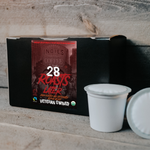
For K-Cup drinkers, use the smaller cup setting when you want a fuller, more concentrated result. Running the same pod through the largest setting creates more liquid, not more coffee. It is an easy way to make a decent pod taste weak. For ground coffee, increase the dose before increasing the brew time.
Pay attention to what happens after you drink it, too. Caffeine tolerance varies wildly. One person can drink a strong cup after dinner and sleep like a rock; another feels jittery after a single refill. Food, hydration, medications, sleep, stress, and individual sensitivity all play a role. More caffeine is not always better caffeine.
A reasonable approach is to start with one well-brewed, high-quality cup, then adjust gradually. Avoid treating caffeine like a substitute for water, breakfast, or a full night of sleep. Coffee is a tool, not a permission slip to run yourself into the ground.
High-caffeine coffee makes sense when you need reliable lift and you enjoy a bolder routine. Early shifts, long drives, hard training sessions, demanding project days, and busy family mornings all qualify. The key is knowing the difference between a purposeful cup and a reflexive third refill.
It may be less ideal if caffeine regularly makes you anxious, disrupts sleep, causes heart palpitations, or leaves you crashing harder than before. In those cases, consider a smaller serving, a lower-caffeine roast, or a blend that gives you the flavor you love with less of the kick. Anyone with a medical condition, pregnancy concerns, or questions about caffeine intake should check with a qualified healthcare professional.
Coffee should make the day better, not make your body wave a white flag.
The right high-caffeine coffee is not about bragging rights. It is about getting clean energy from a cup that tastes intentional, not industrial. Look for freshly roasted beans, choose a roast profile you genuinely enjoy, use enough coffee, and brew it with purpose.
Indies Coffee is built for drinkers who want that kind of cup: fresh, full-flavored, and independent from the bland corporate coffee playbook. Whether your move is a dark, heavy-bodied brew, a convenient pod, or a cold brew built for the long haul, make it a coffee you would choose even if it were not carrying the extra firepower.
Your morning has enough compromises already. Your coffee does not need to be one of them.
That second cup should not taste like punishment. The best high caffeine coffees bring serious energy to the table while still tasting like actual coffee - rich, clean, aromatic, and worth waking up for. You should not have to choose between a bold cup and a caffeinated one, and you definitely do not need a giant corporate drive-thru drink loaded with sugar to get moving.
For people who run early, work long, train hard, build businesses, raise families, or simply refuse to sleepwalk through the morning, caffeine matters. But coffee is more than milligrams on a label. Bean type, roast profile, dose, grind, brew method, and freshness all decide whether your cup delivers a sharp, satisfying lift or a bitter mess.
Caffeine is naturally present in coffee beans, but not every bean carries the same amount. The biggest factor is species. Robusta beans generally contain substantially more caffeine than arabica beans. Arabica is prized in specialty coffee for its sweeter, more layered flavor, while robusta is often earthier, more bitter, and more forceful. A blend that includes robusta can create a higher-caffeine coffee, though the result depends heavily on sourcing and roasting.
Then there is the amount of coffee used. This is where plenty of people get fooled. A coffee can be marketed as strong because it tastes dark, smoky, or intense, yet it may not contain dramatically more caffeine than a lighter roast brewed with a larger dose. Strength of flavor and caffeine strength are related only sometimes.
Serving size changes the equation, too. A standard brewed cup and a large travel mug are not the same mission. If you drink twice as much coffee, you are generally taking in more caffeine. Cold brew can also feel especially potent because it is often made as a concentrate, then served in a generous glass.
Freshness belongs in the conversation as well. Freshly roasted beans do not magically create extra caffeine, but they do preserve the flavor and aroma that make a powerful cup enjoyable. Stale coffee often pushes drinkers to drown the cup in cream, syrup, or extra shots. Fresh beans let the coffee do its job without all the camouflage.
One of the most persistent coffee myths is that dark roast always has more caffeine than light roast. The real answer is: it depends on how you measure.
Roasting causes beans to lose moisture and mass. Dark-roasted beans are less dense than light-roasted beans. If you measure coffee by scoops, a scoop of light roast may contain more caffeine because more dense bean material fits into it. If you measure by weight, the caffeine difference between roast levels is usually much smaller.
That does not make dark roast a bad choice for an energy-focused drinker. Far from it. Dark roasts can make an outstanding high-caffeine coffee when brewed with the right ratio, especially for people who want a low-acid, heavy-bodied cup with cocoa, toasted sugar, or smoky notes. The point is to choose a roast for flavor first, then control caffeine through bean selection and brewing.
Light roasts tend to preserve bright, fruit-forward, and floral character. Medium roasts often land in the sweet spot, balancing sweetness, body, and origin character. Dark roasts go bold and unapologetic, which makes them a natural fit for drinkers who want a cup with some backbone. None of these roast styles automatically wins the caffeine contest.
If your usual coffee leaves you checking the clock by 10 a.m., changing your brew recipe may do more than changing your roast. Start with a coffee-to-water ratio that gives the beans room to work. For a stronger brewed cup, use more grounds rather than letting the machine run longer. Over-extraction brings bitterness, dryness, and that burned aftertaste nobody asked for.
For drip coffee, try a ratio near 1:15 - one part coffee to 15 parts water by weight. If that feels too intense, move toward 1:16 or 1:17. A kitchen scale is more useful than a mystery scoop, especially if you care about repeatable results. Coffee brewed by instinct has its place, but a Monday morning is not always the time for guesswork.
Grind size matters. A grind that is too fine for a drip machine can make coffee harsh and over-extracted. A grind that is too coarse can leave it thin and underpowered. Match the grind to the brewer: medium for most drip makers, coarse for French press and cold brew, and fine for espresso.
Cold brew is a solid option for people who want smoothness alongside intensity. Because it is extracted slowly with cold water, it often tastes less acidic and less sharp than hot-brewed coffee. Make sure you know whether you are drinking ready-to-drink cold brew or a concentrate. Concentrate is meant to be diluted, but those who prefer a stronger profile can adjust the water or milk to suit the mission.
Espresso delivers a concentrated coffee experience in a compact serving. It is not automatically the most caffeinated drink by volume, but multiple shots can add up quickly. If your goal is a practical morning drink rather than a tiny ritual, an Americano or a strong drip brew may give you more total caffeine and more time to enjoy it.
Chasing the highest possible caffeine number can lead to a cup that tastes like battery acid with a marketing budget. A better approach is choosing coffee that matches how you actually drink it.
If you drink coffee black, look for a roast with enough sweetness and body to stand on its own. Medium-dark and dark roasts are often a dependable lane, though a well-developed medium roast can surprise you. If you add milk or cream, a bolder roast holds its character better than a delicate, light-bodied coffee that gets buried under dairy.
For K-Cup drinkers, use the smaller cup setting when you want a fuller, more concentrated result. Running the same pod through the largest setting creates more liquid, not more coffee. It is an easy way to make a decent pod taste weak. For ground coffee, increase the dose before increasing the brew time.
Pay attention to what happens after you drink it, too. Caffeine tolerance varies wildly. One person can drink a strong cup after dinner and sleep like a rock; another feels jittery after a single refill. Food, hydration, medications, sleep, stress, and individual sensitivity all play a role. More caffeine is not always better caffeine.
A reasonable approach is to start with one well-brewed, high-quality cup, then adjust gradually. Avoid treating caffeine like a substitute for water, breakfast, or a full night of sleep. Coffee is a tool, not a permission slip to run yourself into the ground.
High-caffeine coffee makes sense when you need reliable lift and you enjoy a bolder routine. Early shifts, long drives, hard training sessions, demanding project days, and busy family mornings all qualify. The key is knowing the difference between a purposeful cup and a reflexive third refill.
It may be less ideal if caffeine regularly makes you anxious, disrupts sleep, causes heart palpitations, or leaves you crashing harder than before. In those cases, consider a smaller serving, a lower-caffeine roast, or a blend that gives you the flavor you love with less of the kick. Anyone with a medical condition, pregnancy concerns, or questions about caffeine intake should check with a qualified healthcare professional.
Coffee should make the day better, not make your body wave a white flag.
The right high-caffeine coffee is not about bragging rights. It is about getting clean energy from a cup that tastes intentional, not industrial. Look for freshly roasted beans, choose a roast profile you genuinely enjoy, use enough coffee, and brew it with purpose.
Indies Coffee is built for drinkers who want that kind of cup: fresh, full-flavored, and independent from the bland corporate coffee playbook. Whether your move is a dark, heavy-bodied brew, a convenient pod, or a cold brew built for the long haul, make it a coffee you would choose even if it were not carrying the extra firepower.
Your morning has enough compromises already. Your coffee does not need to be one of them.