
0 item(s)
View cart
You have no items in your shopping cart.
A real French roast coffee review starts with one hard truth: dark coffee has been abused by big-box brands for years. Too many bags hide old beans and flat flavor behind a wall of char. A proper French roast is not supposed to taste like an ashtray. It should hit with deep roasted character, a full mouthfeel, and enough clean finish to make you pour a second cup.
French roast is for people who want their coffee to show up. It is not delicate, fruity, or interested in being polite. Brewed well and roasted fresh, it delivers the kind of bold cup that earns its place beside an early alarm, a long drive, or a kitchen table where the plan is to get after it.
French roast sits at the dark end of the roast spectrum. The beans are taken well past the point where light-roast origin notes lead the conversation. That extra roasting creates a darker bean, often with a visible sheen of oil, and brings forward flavors such as bittersweet cocoa, toasted sugar, roasted nuts, spice, and smoke.
The key word is balance. Smoke should be an accent, not the entire experience. Bitterness should give the coffee backbone, not make every sip feel like punishment. The best French roast has a broad, heavy body and a low-acid profile, but it still carries enough sweetness to keep the finish from going harsh.
Expect less of the berry, citrus, and floral character associated with lighter coffees. That is not a flaw. It is the point of the roast. French roast favors depth over brightness and weight over delicacy. If you want coffee that tastes light, sparkling, or tea-like, choose a light or medium roast instead. If you want a black cup with authority, French roast belongs on your counter.
The line between a powerful dark roast and a ruined one is thinner than most coffee companies admit. At a French roast level, heat can either develop richness or bulldoze every worthwhile flavor out of the bean.
A good roast tastes intentional. You may find dark chocolate, caramelized sugar, toasted walnut, or a measured campfire note. The finish is long but reasonably clean. Even when it has bite, it should not leave your mouth dry, sour, or coated in stale bitterness.
A bad roast tastes like smoke first, last, and always. It can come across as acrid, rubbery, papery, or flat. That usually points to beans that were roasted too far, held too long after roasting, or ground and brewed without much care. Dark roast has a reputation for bitterness because bad versions are everywhere. Freshness is what separates a serious bag from the anonymous stuff collecting dust under fluorescent grocery-store lights.
French roast is famous for body. It tends to feel heavier and more substantial than lighter roasts, especially in a drip brewer, French press, or espresso-style preparation. That dense, satisfying texture is one reason dark-roast loyalists often drink it black.
Acidity is generally low, which can make French roast a friendlier choice for drinkers who find bright coffees sharp or tangy. Low acidity does not mean no character. It means the flavor leans toward roasted depth rather than crisp fruit.
Caffeine is where common coffee talk gets messy. Dark beans are less dense than light beans because roasting drives off moisture. If you measure coffee by scoop, a light roast can deliver slightly more caffeine because more bean mass fits into that scoop. If you measure by weight, the difference is small enough that your serving size and brew method matter far more. Pick French roast for flavor and body, not because someone promised it will turn you into a machine.
French roast can handle several brew styles, but each one puts a different part of the cup under the spotlight. The right method depends on whether you want clean intensity, heavy texture, or a quick morning deployment.
A standard drip brewer makes French roast easy to live with. Use clean water, a medium grind, and enough coffee to prevent a weak, watery cup. Because dark roasts extract quickly, water that is just off the boil is usually kinder than aggressively boiling water. A weak French roast tastes hollow. An over-extracted one turns bitter fast.
French press is a strong choice for drinkers who want the full-bodied side of the roast. Its metal filter allows more coffee oils into the mug, which amplifies texture and the darker chocolate notes. Use a coarse grind and do not let it sit long after plunging. Leaving brewed coffee in the press keeps extraction moving and can pull rough flavors into the cup.
Pour-over works when you want more clarity, though it demands attention. A paper filter can tame some of the oiliness and give the cup a cleaner finish. This method is useful if French roast often feels too heavy for your taste but you still want its smoky, cocoa-forward profile.
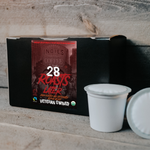
For single-cup convenience, a quality K-Cup format can make a dependable bold cup without turning the morning into a science project. Just avoid the largest water setting. More water does not create more coffee. It creates a thin version of the coffee you actually wanted.
French roast is a clear yes for black-coffee drinkers who want a deep, low-acid cup with serious presence. It also stands up well to cream, milk, and sugar. The roast character stays visible instead of disappearing behind your add-ins, which makes it a practical choice for households where everyone takes coffee differently.
It is also a smart option for cold mornings, post-dinner coffee, and anyone tired of trendy coffee that tastes more like fruit juice than a proper roast. There is room in the coffee world for light, origin-driven beans. But there is also room for a cup that tastes grounded, dark, and unapologetically coffee-forward.
French roast may not be for you if you chase floral aromas, bright acidity, or highly distinct regional tasting notes. The roast level intentionally softens those details. You are choosing a bolder roast expression over the bean's lighter, more transparent identity. That trade-off is worth making when the mood calls for force, not finesse.
Start with roast freshness. A dark roast will not improve with months on a shelf. Look for coffee that is roasted close to the time you receive it, not a vague best-by date that tells you little about when the beans actually met heat.
Whole bean is the better move if you have a grinder. Grinding immediately before brewing protects aroma and gives you more control over extraction. Pre-ground coffee can still be convenient, but buy in quantities you will use promptly and keep it sealed in a cool, dark cabinet. The refrigerator is not the answer. Moisture and odor transfer do coffee no favors.
Finally, buy from a roaster that does not use darkness as camouflage. At Indies Coffee, French roast is made for people who refuse to settle for bland corporate coffee dressed up with a dark label. The goal is straightforward: fresh beans, a bold profile, and the flavor the bean intended, even when that flavor arrives with a little smoke and a lot of backbone.
A French roast does not need to apologize for being dark. It just needs to be fresh, balanced, and brewed with enough respect to let its depth do the talking. Get those three things right, and your morning cup will not whisper. It will report for duty.
A real French roast coffee review starts with one hard truth: dark coffee has been abused by big-box brands for years. Too many bags hide old beans and flat flavor behind a wall of char. A proper French roast is not supposed to taste like an ashtray. It should hit with deep roasted character, a full mouthfeel, and enough clean finish to make you pour a second cup.
French roast is for people who want their coffee to show up. It is not delicate, fruity, or interested in being polite. Brewed well and roasted fresh, it delivers the kind of bold cup that earns its place beside an early alarm, a long drive, or a kitchen table where the plan is to get after it.
French roast sits at the dark end of the roast spectrum. The beans are taken well past the point where light-roast origin notes lead the conversation. That extra roasting creates a darker bean, often with a visible sheen of oil, and brings forward flavors such as bittersweet cocoa, toasted sugar, roasted nuts, spice, and smoke.
The key word is balance. Smoke should be an accent, not the entire experience. Bitterness should give the coffee backbone, not make every sip feel like punishment. The best French roast has a broad, heavy body and a low-acid profile, but it still carries enough sweetness to keep the finish from going harsh.
Expect less of the berry, citrus, and floral character associated with lighter coffees. That is not a flaw. It is the point of the roast. French roast favors depth over brightness and weight over delicacy. If you want coffee that tastes light, sparkling, or tea-like, choose a light or medium roast instead. If you want a black cup with authority, French roast belongs on your counter.
The line between a powerful dark roast and a ruined one is thinner than most coffee companies admit. At a French roast level, heat can either develop richness or bulldoze every worthwhile flavor out of the bean.
A good roast tastes intentional. You may find dark chocolate, caramelized sugar, toasted walnut, or a measured campfire note. The finish is long but reasonably clean. Even when it has bite, it should not leave your mouth dry, sour, or coated in stale bitterness.
A bad roast tastes like smoke first, last, and always. It can come across as acrid, rubbery, papery, or flat. That usually points to beans that were roasted too far, held too long after roasting, or ground and brewed without much care. Dark roast has a reputation for bitterness because bad versions are everywhere. Freshness is what separates a serious bag from the anonymous stuff collecting dust under fluorescent grocery-store lights.
French roast is famous for body. It tends to feel heavier and more substantial than lighter roasts, especially in a drip brewer, French press, or espresso-style preparation. That dense, satisfying texture is one reason dark-roast loyalists often drink it black.
Acidity is generally low, which can make French roast a friendlier choice for drinkers who find bright coffees sharp or tangy. Low acidity does not mean no character. It means the flavor leans toward roasted depth rather than crisp fruit.
Caffeine is where common coffee talk gets messy. Dark beans are less dense than light beans because roasting drives off moisture. If you measure coffee by scoop, a light roast can deliver slightly more caffeine because more bean mass fits into that scoop. If you measure by weight, the difference is small enough that your serving size and brew method matter far more. Pick French roast for flavor and body, not because someone promised it will turn you into a machine.
French roast can handle several brew styles, but each one puts a different part of the cup under the spotlight. The right method depends on whether you want clean intensity, heavy texture, or a quick morning deployment.
A standard drip brewer makes French roast easy to live with. Use clean water, a medium grind, and enough coffee to prevent a weak, watery cup. Because dark roasts extract quickly, water that is just off the boil is usually kinder than aggressively boiling water. A weak French roast tastes hollow. An over-extracted one turns bitter fast.
French press is a strong choice for drinkers who want the full-bodied side of the roast. Its metal filter allows more coffee oils into the mug, which amplifies texture and the darker chocolate notes. Use a coarse grind and do not let it sit long after plunging. Leaving brewed coffee in the press keeps extraction moving and can pull rough flavors into the cup.
Pour-over works when you want more clarity, though it demands attention. A paper filter can tame some of the oiliness and give the cup a cleaner finish. This method is useful if French roast often feels too heavy for your taste but you still want its smoky, cocoa-forward profile.
For single-cup convenience, a quality K-Cup format can make a dependable bold cup without turning the morning into a science project. Just avoid the largest water setting. More water does not create more coffee. It creates a thin version of the coffee you actually wanted.
French roast is a clear yes for black-coffee drinkers who want a deep, low-acid cup with serious presence. It also stands up well to cream, milk, and sugar. The roast character stays visible instead of disappearing behind your add-ins, which makes it a practical choice for households where everyone takes coffee differently.
It is also a smart option for cold mornings, post-dinner coffee, and anyone tired of trendy coffee that tastes more like fruit juice than a proper roast. There is room in the coffee world for light, origin-driven beans. But there is also room for a cup that tastes grounded, dark, and unapologetically coffee-forward.
French roast may not be for you if you chase floral aromas, bright acidity, or highly distinct regional tasting notes. The roast level intentionally softens those details. You are choosing a bolder roast expression over the bean's lighter, more transparent identity. That trade-off is worth making when the mood calls for force, not finesse.
Start with roast freshness. A dark roast will not improve with months on a shelf. Look for coffee that is roasted close to the time you receive it, not a vague best-by date that tells you little about when the beans actually met heat.
Whole bean is the better move if you have a grinder. Grinding immediately before brewing protects aroma and gives you more control over extraction. Pre-ground coffee can still be convenient, but buy in quantities you will use promptly and keep it sealed in a cool, dark cabinet. The refrigerator is not the answer. Moisture and odor transfer do coffee no favors.
Finally, buy from a roaster that does not use darkness as camouflage. At Indies Coffee, French roast is made for people who refuse to settle for bland corporate coffee dressed up with a dark label. The goal is straightforward: fresh beans, a bold profile, and the flavor the bean intended, even when that flavor arrives with a little smoke and a lot of backbone.
A French roast does not need to apologize for being dark. It just needs to be fresh, balanced, and brewed with enough respect to let its depth do the talking. Get those three things right, and your morning cup will not whisper. It will report for duty.