
0 item(s)
View cart
You have no items in your shopping cart.
The coffee pods vs ground coffee argument usually starts at 6 a.m., when you have one hand on the mug and zero patience for weak, stale coffee. Pods promise speed. Ground coffee gives you control. Neither is automatically the right answer, but one may be a far better fit for the way you actually drink coffee.
Corporate coffee wants you to believe convenience and flavor cannot live in the same kitchen. That is nonsense. The real question is whether you want a quick, consistent cup with minimal cleanup or the freedom to build a stronger, fresher brew on your own terms.
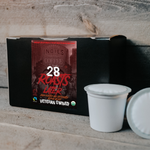
Coffee pods, including K-Cups, are pre-measured portions of coffee sealed in single-serve packaging. Pop one into a compatible brewer, hit the button, and your coffee is ready in roughly a minute. They remove the measuring, grinding, filtering, and most of the mess from the process.
Ground coffee is more open-ended. You choose the coffee, the scoop size, the brewing method, the water temperature, and the strength. It works in drip machines, French presses, pour-overs, percolators, espresso makers, and cold brew setups. That flexibility is the point, but it also asks a little more from you.
The best option depends on what you refuse to compromise. If your morning is a timed operation between getting dressed, getting kids moving, and getting out the door, a pod brewer earns its counter space. If coffee is a daily ritual and you can taste the difference between flat and full-bodied, ground coffee gives you more room to make the cup yours.
For pure flavor potential, freshly ground coffee wins. Coffee begins losing aromatic compounds after it is ground, which is why whole beans ground right before brewing are the gold standard. A quality bag of fresh ground coffee can still deliver an outstanding cup, especially when it is sealed properly and used soon after opening.
Ground coffee also lets you match the grind to the brew method. A coarse grind gives a French press its heavy, rich body. A medium grind works well for a classic drip brewer. A finer grind can bring more intensity to certain espresso-style machines. That control matters when you care about getting the flavor the bean intended rather than whatever a generic factory formula produces.
Pods can still make a satisfying cup, particularly when they contain freshly roasted coffee and are sealed well. The downside is that the grind, coffee dose, and extraction are largely decided for you. Some pods produce a clean, easy-drinking mug. Others can taste thin because the brewer pushes water through a relatively small amount of coffee quickly.
Dark roast drinkers may notice this most. A bold French roast or Italian roast needs enough coffee and the right extraction to deliver its smoky, rich character. If your pod brewer allows a smaller cup setting, use it. Brewing an 8-ounce cup from a pod designed for a stronger 6-ounce serving can turn a good roast into a watered-down surrender.
A pod is not automatically stale, and a bag of grounds is not automatically fresh. The roast date, packaging, storage, and turnover all matter. Coffee that sat on a grocery shelf for months will not suddenly come alive because it comes in a fancy container.
Buy coffee from a roaster that treats freshness as a standard, not a marketing afterthought. Store opened ground coffee in an airtight container away from heat, light, and moisture. Do not keep it in the fridge, where condensation and food odors can wreck the flavor. Use it within a few weeks of opening for the best results.
There is no need to pretend otherwise: coffee pods are built for speed. The dose is already measured, the brew cycle is simple, and cleanup means tossing or recycling the used pod. For office kitchens, busy households, guest rooms, and anyone who needs coffee before conversation, that is a real advantage.
Pods also make it easier for a household with different preferences. One person can make decaf, another can go for a breakfast blend, and someone else can choose a high-caffeine option without opening multiple bags or changing the whole pot. That kind of variety prevents the daily coffee negotiation.
Ground coffee requires more steps, though the effort is not extreme. You measure the coffee, add a filter if your brewer needs one, handle the grounds afterward, and clean the equipment. A drip machine can still be nearly effortless when set up the night before. A French press or pour-over asks for more attention, but rewards you with a more hands-on cup.
Convenience is not laziness. It is a tool. If pods are the reason you stop buying drive-thru coffee five days a week, they are doing their job.
On a per-cup basis, ground coffee is generally less expensive than pods. A bag can make many cups, and you control how much coffee goes into each brew. That makes ground coffee the better value for families, heavy coffee drinkers, and anyone brewing a full pot every morning.
Pods cost more because you are paying for single-serve packaging and portion control. The premium may be worth it if you only brew one cup at a time or if preventing wasted half-pots saves you money. But if two or more people drink several cups every day, pod costs can stack up fast.
There is also the machine question. Pod brewers are affordable and easy to find, but a reliable drip brewer, French press, or pour-over setup can cost the same or less. You do not need a countertop packed with gadgets to make serious coffee. You need good coffee, clean water, and a method you will actually use consistently.
Single-serve pods create more packaging waste than loose grounds, even when recyclable options are available. Recycling rules vary by area, and many pods need to be emptied and cleaned before they can go in the bin. If reducing waste is high on your list, ground coffee has a simpler path: used grounds can be composted, and paper filters are widely compostable depending on local conditions.
That does not mean every ground-coffee method is waste-free. Disposable filters, bags, and packaging still exist. But a reusable metal filter or French press can cut down on daily waste significantly.
For pod users, reusable pod filters are another option. They let you fill a compatible pod with your own ground coffee, giving you more control over roast choice while keeping the fast single-cup brewing routine. Results vary by brewer and grind size, so expect a little trial and error before you find the sweet spot.
Choose coffee pods when speed, simplicity, and single-cup variety are your non-negotiables. They are ideal for rushed mornings, shared kitchens, and people who want consistent coffee without turning the kitchen into a lab.
Choose ground coffee when flavor control, brewing flexibility, and lower cost per cup matter most. It is the stronger choice for full-pot drinkers, people who enjoy experimenting with roast profiles, and anyone who wants a richer cup from a French press, drip machine, or pour-over.
There is no rule saying you have to pick a side forever. Plenty of coffee drinkers keep pods for weekday chaos and ground coffee for slow weekends. That is not indecision. That is having the right tool ready for the mission.
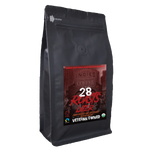
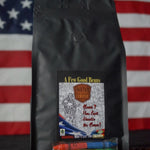
Indies Coffee offers both freshly roasted ground coffee and convenient K-Cups because a strong coffee standard should not disappear just because your schedule gets loud. Pick the roast that fits your taste, then choose the format that keeps you coming back to the cup.
Your coffee routine should serve you, not some bland corporate version of what coffee is supposed to be. Keep the brewer clean, use fresh coffee, and make the cup strong enough to earn its place in your morning.
The coffee pods vs ground coffee argument usually starts at 6 a.m., when you have one hand on the mug and zero patience for weak, stale coffee. Pods promise speed. Ground coffee gives you control. Neither is automatically the right answer, but one may be a far better fit for the way you actually drink coffee.
Corporate coffee wants you to believe convenience and flavor cannot live in the same kitchen. That is nonsense. The real question is whether you want a quick, consistent cup with minimal cleanup or the freedom to build a stronger, fresher brew on your own terms.
Coffee pods, including K-Cups, are pre-measured portions of coffee sealed in single-serve packaging. Pop one into a compatible brewer, hit the button, and your coffee is ready in roughly a minute. They remove the measuring, grinding, filtering, and most of the mess from the process.
Ground coffee is more open-ended. You choose the coffee, the scoop size, the brewing method, the water temperature, and the strength. It works in drip machines, French presses, pour-overs, percolators, espresso makers, and cold brew setups. That flexibility is the point, but it also asks a little more from you.
The best option depends on what you refuse to compromise. If your morning is a timed operation between getting dressed, getting kids moving, and getting out the door, a pod brewer earns its counter space. If coffee is a daily ritual and you can taste the difference between flat and full-bodied, ground coffee gives you more room to make the cup yours.
For pure flavor potential, freshly ground coffee wins. Coffee begins losing aromatic compounds after it is ground, which is why whole beans ground right before brewing are the gold standard. A quality bag of fresh ground coffee can still deliver an outstanding cup, especially when it is sealed properly and used soon after opening.
Ground coffee also lets you match the grind to the brew method. A coarse grind gives a French press its heavy, rich body. A medium grind works well for a classic drip brewer. A finer grind can bring more intensity to certain espresso-style machines. That control matters when you care about getting the flavor the bean intended rather than whatever a generic factory formula produces.
Pods can still make a satisfying cup, particularly when they contain freshly roasted coffee and are sealed well. The downside is that the grind, coffee dose, and extraction are largely decided for you. Some pods produce a clean, easy-drinking mug. Others can taste thin because the brewer pushes water through a relatively small amount of coffee quickly.
Dark roast drinkers may notice this most. A bold French roast or Italian roast needs enough coffee and the right extraction to deliver its smoky, rich character. If your pod brewer allows a smaller cup setting, use it. Brewing an 8-ounce cup from a pod designed for a stronger 6-ounce serving can turn a good roast into a watered-down surrender.
A pod is not automatically stale, and a bag of grounds is not automatically fresh. The roast date, packaging, storage, and turnover all matter. Coffee that sat on a grocery shelf for months will not suddenly come alive because it comes in a fancy container.
Buy coffee from a roaster that treats freshness as a standard, not a marketing afterthought. Store opened ground coffee in an airtight container away from heat, light, and moisture. Do not keep it in the fridge, where condensation and food odors can wreck the flavor. Use it within a few weeks of opening for the best results.
There is no need to pretend otherwise: coffee pods are built for speed. The dose is already measured, the brew cycle is simple, and cleanup means tossing or recycling the used pod. For office kitchens, busy households, guest rooms, and anyone who needs coffee before conversation, that is a real advantage.
Pods also make it easier for a household with different preferences. One person can make decaf, another can go for a breakfast blend, and someone else can choose a high-caffeine option without opening multiple bags or changing the whole pot. That kind of variety prevents the daily coffee negotiation.
Ground coffee requires more steps, though the effort is not extreme. You measure the coffee, add a filter if your brewer needs one, handle the grounds afterward, and clean the equipment. A drip machine can still be nearly effortless when set up the night before. A French press or pour-over asks for more attention, but rewards you with a more hands-on cup.
Convenience is not laziness. It is a tool. If pods are the reason you stop buying drive-thru coffee five days a week, they are doing their job.
On a per-cup basis, ground coffee is generally less expensive than pods. A bag can make many cups, and you control how much coffee goes into each brew. That makes ground coffee the better value for families, heavy coffee drinkers, and anyone brewing a full pot every morning.
Pods cost more because you are paying for single-serve packaging and portion control. The premium may be worth it if you only brew one cup at a time or if preventing wasted half-pots saves you money. But if two or more people drink several cups every day, pod costs can stack up fast.
There is also the machine question. Pod brewers are affordable and easy to find, but a reliable drip brewer, French press, or pour-over setup can cost the same or less. You do not need a countertop packed with gadgets to make serious coffee. You need good coffee, clean water, and a method you will actually use consistently.
Single-serve pods create more packaging waste than loose grounds, even when recyclable options are available. Recycling rules vary by area, and many pods need to be emptied and cleaned before they can go in the bin. If reducing waste is high on your list, ground coffee has a simpler path: used grounds can be composted, and paper filters are widely compostable depending on local conditions.
That does not mean every ground-coffee method is waste-free. Disposable filters, bags, and packaging still exist. But a reusable metal filter or French press can cut down on daily waste significantly.
For pod users, reusable pod filters are another option. They let you fill a compatible pod with your own ground coffee, giving you more control over roast choice while keeping the fast single-cup brewing routine. Results vary by brewer and grind size, so expect a little trial and error before you find the sweet spot.
Choose coffee pods when speed, simplicity, and single-cup variety are your non-negotiables. They are ideal for rushed mornings, shared kitchens, and people who want consistent coffee without turning the kitchen into a lab.
Choose ground coffee when flavor control, brewing flexibility, and lower cost per cup matter most. It is the stronger choice for full-pot drinkers, people who enjoy experimenting with roast profiles, and anyone who wants a richer cup from a French press, drip machine, or pour-over.
There is no rule saying you have to pick a side forever. Plenty of coffee drinkers keep pods for weekday chaos and ground coffee for slow weekends. That is not indecision. That is having the right tool ready for the mission.
Indies Coffee offers both freshly roasted ground coffee and convenient K-Cups because a strong coffee standard should not disappear just because your schedule gets loud. Pick the roast that fits your taste, then choose the format that keeps you coming back to the cup.
Your coffee routine should serve you, not some bland corporate version of what coffee is supposed to be. Keep the brewer clean, use fresh coffee, and make the cup strong enough to earn its place in your morning.