
0 item(s)
View cart
You have no items in your shopping cart.
A single-serve brewer is supposed to make your morning easier, not trap you in a cycle of thin, stale, forgettable coffee. This single serve coffee guide is for people who want the speed of a pod without surrendering flavor, freshness, or standards. A fast cup can still have body, aroma, and enough character to wake up the room.
The machine matters, but the coffee in the pod matters more. Corporate coffee has spent years selling convenience as if it were the same thing as quality. It is not. The right single-serve setup gives you both: a reliable button-push routine and coffee that tastes like it was roasted for drinking, not warehouse storage.
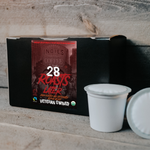
Before choosing a roast, know what your machine actually uses. Most home single-serve brewers are designed for K-Cup-compatible pods. These are the familiar sealed cups used in many countertop machines. They are convenient, consistent, and ideal for busy households, offices, guest rooms, and anyone who does not want to measure grounds before caffeine has entered the system.
A pod brewer works by forcing hot water through a pre-portioned coffee bed. That means cup quality depends on three things: the coffee dose, the grind, and the amount of water your machine sends through it. You cannot control every variable as you would with a manual pour-over, but you can make smart choices that dramatically improve the result.
If your brewer offers several cup sizes, treat the smallest setting as your quality setting. A pod that tastes rich at 6 or 8 ounces may taste watered down at 10 or 12 ounces. Want a bigger mug? Brew the smaller, stronger setting first, then add hot water if needed. It is a simple move that keeps the coffee from tasting like brown water.
Keep the machine clean, too. Mineral buildup and old coffee residue can make even great coffee taste bitter or flat. Empty the used pod after brewing, wipe the needle area carefully according to the manufacturer’s directions, and descale on schedule. Fresh coffee deserves a clean runway.
Roast labels are not a ranking system. Dark roast is not automatically stronger, and light roast is not automatically better. Each profile brings a different kind of flavor to a single-serve cup.
Light roasts tend to highlight the bean’s natural character. Expect livelier acidity, fruit or floral notes, and a cleaner finish. They are a strong pick for drinkers who like their coffee black and want to notice more than generic roastiness.
There is a trade-off: a light roast can feel less heavy-bodied in a pod brewer, particularly at large cup sizes. Use a smaller setting and give it a moment after brewing before deciding it lacks strength. Bright is not weak. It is simply a different kind of bold.
Medium roast is the reliable middle ground. It often delivers balanced sweetness, rounded body, and familiar notes like caramel, cocoa, toasted nuts, or brown sugar. It handles a splash of milk well without losing itself, which makes it a smart choice for households where everyone drinks coffee differently.
If you are buying coffee for an office, a family kitchen, or a gift box, medium roast is usually the safe first move. It is approachable without being boring.
Dark roast brings the smoke, deep cocoa, toasted character, and fuller mouthfeel many daily drinkers want. It is built for people who want their coffee to show up with authority. French roast and Italian roast styles are especially suited to cream, milk, and early starts that demand more than a polite little cup.
One point worth knowing: dark roast may taste more intense, but caffeine is not determined by roast color alone. The bean, dose, and brewing method all play a role. Choose dark because you want its flavor, not because you assume it is automatically the highest-caffeine option.
Decaf should not be treated like an afterthought. A well-roasted decaf can be full-bodied and satisfying, whether you are cutting back after lunch or avoiding caffeine altogether. Look for a roast profile you would genuinely drink in regular form.
High-caffeine coffee has its place, especially for early shifts, long drives, and days when the mission starts before sunrise. Just do not confuse caffeine with flavor. The best strong coffee delivers both a real kick and a cup worth tasting.
Single-serve coffee has one major advantage: each pod protects the grounds from immediate exposure to air. But that does not mean pods stay at peak flavor forever. Coffee begins losing aromatic compounds after roasting, and a pod cannot reverse time.
Buy from a roaster that takes freshness seriously and avoid stocking up so aggressively that half your box becomes pantry archaeology. A reasonable supply gives you convenience without turning your coffee shelf into long-term storage. Keep unopened boxes in a cool, dry cabinet away from direct sunlight, heat, and humidity. Skip the refrigerator and freezer unless you are storing a large unopened reserve for an extended period, because condensation is the enemy of flavor.
At Indies Coffee, freshness is not a side note. It is the difference between a cup with real flavor and the tired corporate blend that has been waiting around since who knows when.
Small changes can make a bigger difference than buying a more expensive machine. Start by running a water-only cycle if your brewer has been sitting overnight. This warms the internal parts and helps the first coffee pod brew at a better temperature.
Use filtered water if your tap water tastes heavily chlorinated or mineral-heavy. Coffee is mostly water, so bad water will announce itself in every sip. Then select the smallest practical brew size for the pod. If it tastes too strong, add hot water or milk afterward. You can always dilute a concentrated cup. You cannot pull the flavor back once the machine has flooded the pod.
For iced coffee, brew the pod on its smallest setting directly over a full glass of ice. Choose a darker roast or a coffee with a heavier profile, since melting ice will soften the flavor. For a quick iced latte, use the same strong brew, add cold milk, and skip the syrup until you taste the coffee first. Good coffee should not need a sugar ambush.
If you prefer cream and sweetener, that is your call. Drink what you like. Just begin with coffee that has enough presence to survive the additions. A flavorful dark or medium roast will still taste like coffee after a splash of cream. A weak pod disappears.
The best single-serve coffee is not one universal roast. It depends on how you drink it and what your day demands. A bright light roast may be perfect for a quiet black-coffee morning, while a dark roast fits a travel mug headed into traffic. Medium roast earns its keep when one box needs to satisfy several palates.
For gifts, think less about what sounds fancy and more about the recipient’s routine. A convenience-first drinker will appreciate compatible pods they can use immediately. A dark roast loyalist wants depth and bite, not a delicate floral experiment. Someone cutting caffeine will remember the person who gave them a decaf that actually tastes like coffee.
Subscriptions can make sense for daily pod drinkers, but only when the delivery pace matches real consumption. Count how many cups your household actually makes each week, then leave room to try a new roast now and then. Convenience should keep your cabinet stocked, not bury you in coffee you are racing to finish.
Single-serve coffee does not have to be a compromise between speed and a good cup. Pick a compatible pod made with coffee you would be proud to drink black, use a smaller brew setting, keep your machine clean, and buy with freshness in mind. That is how you get convenience without joining the bland-coffee surrender.
Your morning is already full of decisions made by somebody else. The coffee does not have to be one of them. Choose a roast with a point of view, brew it strong enough to taste, and let the first cup of the day answer to you.
A single-serve brewer is supposed to make your morning easier, not trap you in a cycle of thin, stale, forgettable coffee. This single serve coffee guide is for people who want the speed of a pod without surrendering flavor, freshness, or standards. A fast cup can still have body, aroma, and enough character to wake up the room.
The machine matters, but the coffee in the pod matters more. Corporate coffee has spent years selling convenience as if it were the same thing as quality. It is not. The right single-serve setup gives you both: a reliable button-push routine and coffee that tastes like it was roasted for drinking, not warehouse storage.
Before choosing a roast, know what your machine actually uses. Most home single-serve brewers are designed for K-Cup-compatible pods. These are the familiar sealed cups used in many countertop machines. They are convenient, consistent, and ideal for busy households, offices, guest rooms, and anyone who does not want to measure grounds before caffeine has entered the system.
A pod brewer works by forcing hot water through a pre-portioned coffee bed. That means cup quality depends on three things: the coffee dose, the grind, and the amount of water your machine sends through it. You cannot control every variable as you would with a manual pour-over, but you can make smart choices that dramatically improve the result.
If your brewer offers several cup sizes, treat the smallest setting as your quality setting. A pod that tastes rich at 6 or 8 ounces may taste watered down at 10 or 12 ounces. Want a bigger mug? Brew the smaller, stronger setting first, then add hot water if needed. It is a simple move that keeps the coffee from tasting like brown water.
Keep the machine clean, too. Mineral buildup and old coffee residue can make even great coffee taste bitter or flat. Empty the used pod after brewing, wipe the needle area carefully according to the manufacturer’s directions, and descale on schedule. Fresh coffee deserves a clean runway.
Roast labels are not a ranking system. Dark roast is not automatically stronger, and light roast is not automatically better. Each profile brings a different kind of flavor to a single-serve cup.
Light roasts tend to highlight the bean’s natural character. Expect livelier acidity, fruit or floral notes, and a cleaner finish. They are a strong pick for drinkers who like their coffee black and want to notice more than generic roastiness.
There is a trade-off: a light roast can feel less heavy-bodied in a pod brewer, particularly at large cup sizes. Use a smaller setting and give it a moment after brewing before deciding it lacks strength. Bright is not weak. It is simply a different kind of bold.
Medium roast is the reliable middle ground. It often delivers balanced sweetness, rounded body, and familiar notes like caramel, cocoa, toasted nuts, or brown sugar. It handles a splash of milk well without losing itself, which makes it a smart choice for households where everyone drinks coffee differently.
If you are buying coffee for an office, a family kitchen, or a gift box, medium roast is usually the safe first move. It is approachable without being boring.
Dark roast brings the smoke, deep cocoa, toasted character, and fuller mouthfeel many daily drinkers want. It is built for people who want their coffee to show up with authority. French roast and Italian roast styles are especially suited to cream, milk, and early starts that demand more than a polite little cup.
One point worth knowing: dark roast may taste more intense, but caffeine is not determined by roast color alone. The bean, dose, and brewing method all play a role. Choose dark because you want its flavor, not because you assume it is automatically the highest-caffeine option.
Decaf should not be treated like an afterthought. A well-roasted decaf can be full-bodied and satisfying, whether you are cutting back after lunch or avoiding caffeine altogether. Look for a roast profile you would genuinely drink in regular form.
High-caffeine coffee has its place, especially for early shifts, long drives, and days when the mission starts before sunrise. Just do not confuse caffeine with flavor. The best strong coffee delivers both a real kick and a cup worth tasting.
Single-serve coffee has one major advantage: each pod protects the grounds from immediate exposure to air. But that does not mean pods stay at peak flavor forever. Coffee begins losing aromatic compounds after roasting, and a pod cannot reverse time.
Buy from a roaster that takes freshness seriously and avoid stocking up so aggressively that half your box becomes pantry archaeology. A reasonable supply gives you convenience without turning your coffee shelf into long-term storage. Keep unopened boxes in a cool, dry cabinet away from direct sunlight, heat, and humidity. Skip the refrigerator and freezer unless you are storing a large unopened reserve for an extended period, because condensation is the enemy of flavor.
At Indies Coffee, freshness is not a side note. It is the difference between a cup with real flavor and the tired corporate blend that has been waiting around since who knows when.
Small changes can make a bigger difference than buying a more expensive machine. Start by running a water-only cycle if your brewer has been sitting overnight. This warms the internal parts and helps the first coffee pod brew at a better temperature.
Use filtered water if your tap water tastes heavily chlorinated or mineral-heavy. Coffee is mostly water, so bad water will announce itself in every sip. Then select the smallest practical brew size for the pod. If it tastes too strong, add hot water or milk afterward. You can always dilute a concentrated cup. You cannot pull the flavor back once the machine has flooded the pod.
For iced coffee, brew the pod on its smallest setting directly over a full glass of ice. Choose a darker roast or a coffee with a heavier profile, since melting ice will soften the flavor. For a quick iced latte, use the same strong brew, add cold milk, and skip the syrup until you taste the coffee first. Good coffee should not need a sugar ambush.
If you prefer cream and sweetener, that is your call. Drink what you like. Just begin with coffee that has enough presence to survive the additions. A flavorful dark or medium roast will still taste like coffee after a splash of cream. A weak pod disappears.
The best single-serve coffee is not one universal roast. It depends on how you drink it and what your day demands. A bright light roast may be perfect for a quiet black-coffee morning, while a dark roast fits a travel mug headed into traffic. Medium roast earns its keep when one box needs to satisfy several palates.
For gifts, think less about what sounds fancy and more about the recipient’s routine. A convenience-first drinker will appreciate compatible pods they can use immediately. A dark roast loyalist wants depth and bite, not a delicate floral experiment. Someone cutting caffeine will remember the person who gave them a decaf that actually tastes like coffee.
Subscriptions can make sense for daily pod drinkers, but only when the delivery pace matches real consumption. Count how many cups your household actually makes each week, then leave room to try a new roast now and then. Convenience should keep your cabinet stocked, not bury you in coffee you are racing to finish.
Single-serve coffee does not have to be a compromise between speed and a good cup. Pick a compatible pod made with coffee you would be proud to drink black, use a smaller brew setting, keep your machine clean, and buy with freshness in mind. That is how you get convenience without joining the bland-coffee surrender.
Your morning is already full of decisions made by somebody else. The coffee does not have to be one of them. Choose a roast with a point of view, brew it strong enough to taste, and let the first cup of the day answer to you.