

0 item(s)
View cart
You have no items in your shopping cart.
A watered-down iced coffee is not cold brew. One is hot coffee shocked over ice and often left tasting thin, bitter, or both. The other is built for the long haul: coarse-ground coffee steeped slowly in cold water until it produces a smooth, heavy-bodied concentrate with enough character to survive ice, milk, and a hard Monday morning.
For people who are tired of corporate coffee that tastes roasted within an inch of its life, cold brew is a better way to get a serious cup without the sharp bite. It rewards good beans, patience, and a little discipline. No syrupy cover-up required.
Heat extracts coffee fast. It also pulls out more of the compounds that can read as acidic, bitter, or burnt when the coffee is poorly roasted or sitting around too long. Cold water works at a slower pace. Over 12 to 18 hours, it draws out sweetness, chocolate notes, toasted nuts, and deep roast character while leaving much of that aggressive edge behind.
That does not mean cold brew is automatically better than hot coffee. A bright light roast can lose some of its floral, citrus-driven personality in a cold extraction. If those high notes are what you chase, a flash-chilled pour-over may be more your speed. But for a bold, low-acid cup that tastes strong without tasting scorched, cold brew has a clear advantage.
It is also not the same as iced coffee. Iced coffee starts hot and is served cold. Cold brew never sees hot water at all. The result usually feels rounder on the tongue, less acidic, and more forgiving when you add cream or pour it over a full glass of ice.
Cold brew is not a hiding place for stale beans. Slow extraction gives coffee plenty of time to reveal what is there, including flatness, papery flavors, and old-roast funk. Freshly roasted beans matter.
Medium-dark and dark roasts are the natural starting point for most cold brew drinkers. They bring cocoa, caramel, roasted nut, and deep sugar notes that become especially satisfying when served cold. A French roast or Italian roast can create a big, no-apologies concentrate, particularly if you like a splash of cream. A balanced medium roast can produce a cleaner, sweeter batch with more room for subtle flavor.
The right choice depends on how you drink it. If you take your coffee black, look for a roast with sweetness and body rather than pure smokiness. If your usual order includes milk, cream, or a flavored syrup, choose a fuller-bodied roast that will not disappear behind it. If you want caffeine that feels like a mission briefing, remember that brew strength comes from the coffee-to-water ratio as much as the roast level.
Whole beans are the better call when possible. Grind immediately before brewing and use a coarse setting, similar to raw sugar or coarse sea salt. A fine grind can overextract, create sludge, and make filtering a miserable chore. Convenience has its place, but there is no medal for making cold brew harder than it needs to be.
You do not need expensive gear, a lab coat, or a countertop full of corporate-branded gadgets. A large jar, a pitcher, a basic brewer, or a French press can all get the job done. What matters is the ratio, grind, time, and filter.
For a ready-to-drink batch, use roughly 1 part coarsely ground coffee to 8 parts cold, filtered water by weight. For example, 4 ounces of coffee to 32 ounces of water makes a sturdy brew that can be poured over ice without turning weak immediately. Want a concentrate for mixing with water or milk? Use a stronger 1-to-4 ratio.
Stir the grounds and water until every particle is wet. Dry pockets of coffee do not contribute much flavor, and they waste good beans. Cover the container and let it steep for 12 to 18 hours. Room temperature and refrigerator brewing can both work. Refrigeration gives a slightly gentler, more controlled result; room temperature can speed extraction and build a bigger flavor. In a warm kitchen, lean toward the shorter end of the range.
After steeping, filter slowly through a fine mesh filter, paper filter, or clean cloth filter. Paper removes more sediment and creates a cleaner cup. Metal filters preserve more of the coffee oils and body. Neither is the only correct answer. It depends on whether you want polished and crisp or thick and rugged.
Taste the finished brew before serving. If it is concentrate, dilute it with equal parts cold water, milk, or your preferred alternative. If it is ready-to-drink, pour it over fresh ice and adjust from there. Do not judge a batch only from the first sip. Cold temperatures mute flavor, so a coffee that seems restrained at first can open up as the ice melts.
The most common mistake is treating steep time like a toughness contest. Leaving coffee in water for 24 hours or more does not automatically make it stronger. It can make the cup woody, dull, and strangely bitter. Start with 14 to 16 hours, then adjust one variable at a time.
The second mistake is using a fine grind. It clogs filters, clouds the cup, and can bring harsh flavors into a brew that should be smooth. Keep it coarse.
The third is ignoring water. Coffee is mostly water, so heavily chlorinated or off-tasting tap water will show up in the final glass. Filtered water makes a noticeable difference, especially in a simple recipe with nowhere to hide.
Finally, do not store cold brew indefinitely. A sealed batch generally tastes best within about a week in the refrigerator, with the first several days delivering the cleanest flavor. If it starts smelling sour, fermented, or simply tired, send it out with honors and brew fresh.
A strong cold brew should taste concentrated, not punishing. There is a difference. Strength is body, flavor density, and a coffee presence that does not vanish after one cube of ice melts. Harshness is the unpleasant combination of bitterness, stale flavors, and overextraction.
If your brew tastes weak, increase the amount of coffee before extending the steep time. If it tastes muddy, grind coarser or improve your filtration. If it tastes too intense, dilute it after brewing rather than underdosing the grounds at the start. Concentrate gives you control, which is exactly why it works so well for busy mornings and households where one person drinks black while another wants cream.
For a cleaner, more tactical routine, brew a concentrate on Sunday, filter it, and keep it ready in the fridge. Your weekday coffee stops depending on whether you have time to wait for a machine, stand in a drive-thru line, or accept whatever burnt sludge the break room has declared coffee.
Ice matters more than people think. Small, cloudy cubes melt fast and water down a great brew. Larger cubes hold longer. Coffee ice cubes are even better if you want a drink that stays bold to the last sip. For black cold brew, a pinch of salt can soften perceived bitterness without making the drink taste salty. Use very little.
Milk and cream are not a surrender. A dark, chocolate-forward cold brew with a splash of cream can be exactly the point. Vanilla, cinnamon, maple, and simple syrup all work when used with restraint, but the coffee should still be the loudest voice in the glass.
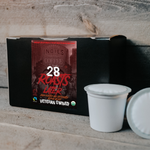
If you want the easy route without sacrificing the cup, cold brew packs remove the measuring and filtering guesswork. Indies Coffee cold brew packs are made for people who want fresh, forceful coffee without turning a weekday morning into a science project.
The best cold brew is not complicated. Start with fresh coffee, keep the grind coarse, give it enough time, and refuse to dilute your standards just because the weather is hot.
A watered-down iced coffee is not cold brew. One is hot coffee shocked over ice and often left tasting thin, bitter, or both. The other is built for the long haul: coarse-ground coffee steeped slowly in cold water until it produces a smooth, heavy-bodied concentrate with enough character to survive ice, milk, and a hard Monday morning.
For people who are tired of corporate coffee that tastes roasted within an inch of its life, cold brew is a better way to get a serious cup without the sharp bite. It rewards good beans, patience, and a little discipline. No syrupy cover-up required.
Heat extracts coffee fast. It also pulls out more of the compounds that can read as acidic, bitter, or burnt when the coffee is poorly roasted or sitting around too long. Cold water works at a slower pace. Over 12 to 18 hours, it draws out sweetness, chocolate notes, toasted nuts, and deep roast character while leaving much of that aggressive edge behind.
That does not mean cold brew is automatically better than hot coffee. A bright light roast can lose some of its floral, citrus-driven personality in a cold extraction. If those high notes are what you chase, a flash-chilled pour-over may be more your speed. But for a bold, low-acid cup that tastes strong without tasting scorched, cold brew has a clear advantage.
It is also not the same as iced coffee. Iced coffee starts hot and is served cold. Cold brew never sees hot water at all. The result usually feels rounder on the tongue, less acidic, and more forgiving when you add cream or pour it over a full glass of ice.
Cold brew is not a hiding place for stale beans. Slow extraction gives coffee plenty of time to reveal what is there, including flatness, papery flavors, and old-roast funk. Freshly roasted beans matter.
Medium-dark and dark roasts are the natural starting point for most cold brew drinkers. They bring cocoa, caramel, roasted nut, and deep sugar notes that become especially satisfying when served cold. A French roast or Italian roast can create a big, no-apologies concentrate, particularly if you like a splash of cream. A balanced medium roast can produce a cleaner, sweeter batch with more room for subtle flavor.
The right choice depends on how you drink it. If you take your coffee black, look for a roast with sweetness and body rather than pure smokiness. If your usual order includes milk, cream, or a flavored syrup, choose a fuller-bodied roast that will not disappear behind it. If you want caffeine that feels like a mission briefing, remember that brew strength comes from the coffee-to-water ratio as much as the roast level.
Whole beans are the better call when possible. Grind immediately before brewing and use a coarse setting, similar to raw sugar or coarse sea salt. A fine grind can overextract, create sludge, and make filtering a miserable chore. Convenience has its place, but there is no medal for making cold brew harder than it needs to be.
You do not need expensive gear, a lab coat, or a countertop full of corporate-branded gadgets. A large jar, a pitcher, a basic brewer, or a French press can all get the job done. What matters is the ratio, grind, time, and filter.
For a ready-to-drink batch, use roughly 1 part coarsely ground coffee to 8 parts cold, filtered water by weight. For example, 4 ounces of coffee to 32 ounces of water makes a sturdy brew that can be poured over ice without turning weak immediately. Want a concentrate for mixing with water or milk? Use a stronger 1-to-4 ratio.
Stir the grounds and water until every particle is wet. Dry pockets of coffee do not contribute much flavor, and they waste good beans. Cover the container and let it steep for 12 to 18 hours. Room temperature and refrigerator brewing can both work. Refrigeration gives a slightly gentler, more controlled result; room temperature can speed extraction and build a bigger flavor. In a warm kitchen, lean toward the shorter end of the range.
After steeping, filter slowly through a fine mesh filter, paper filter, or clean cloth filter. Paper removes more sediment and creates a cleaner cup. Metal filters preserve more of the coffee oils and body. Neither is the only correct answer. It depends on whether you want polished and crisp or thick and rugged.
Taste the finished brew before serving. If it is concentrate, dilute it with equal parts cold water, milk, or your preferred alternative. If it is ready-to-drink, pour it over fresh ice and adjust from there. Do not judge a batch only from the first sip. Cold temperatures mute flavor, so a coffee that seems restrained at first can open up as the ice melts.
The most common mistake is treating steep time like a toughness contest. Leaving coffee in water for 24 hours or more does not automatically make it stronger. It can make the cup woody, dull, and strangely bitter. Start with 14 to 16 hours, then adjust one variable at a time.
The second mistake is using a fine grind. It clogs filters, clouds the cup, and can bring harsh flavors into a brew that should be smooth. Keep it coarse.
The third is ignoring water. Coffee is mostly water, so heavily chlorinated or off-tasting tap water will show up in the final glass. Filtered water makes a noticeable difference, especially in a simple recipe with nowhere to hide.
Finally, do not store cold brew indefinitely. A sealed batch generally tastes best within about a week in the refrigerator, with the first several days delivering the cleanest flavor. If it starts smelling sour, fermented, or simply tired, send it out with honors and brew fresh.
A strong cold brew should taste concentrated, not punishing. There is a difference. Strength is body, flavor density, and a coffee presence that does not vanish after one cube of ice melts. Harshness is the unpleasant combination of bitterness, stale flavors, and overextraction.
If your brew tastes weak, increase the amount of coffee before extending the steep time. If it tastes muddy, grind coarser or improve your filtration. If it tastes too intense, dilute it after brewing rather than underdosing the grounds at the start. Concentrate gives you control, which is exactly why it works so well for busy mornings and households where one person drinks black while another wants cream.
For a cleaner, more tactical routine, brew a concentrate on Sunday, filter it, and keep it ready in the fridge. Your weekday coffee stops depending on whether you have time to wait for a machine, stand in a drive-thru line, or accept whatever burnt sludge the break room has declared coffee.
Ice matters more than people think. Small, cloudy cubes melt fast and water down a great brew. Larger cubes hold longer. Coffee ice cubes are even better if you want a drink that stays bold to the last sip. For black cold brew, a pinch of salt can soften perceived bitterness without making the drink taste salty. Use very little.
Milk and cream are not a surrender. A dark, chocolate-forward cold brew with a splash of cream can be exactly the point. Vanilla, cinnamon, maple, and simple syrup all work when used with restraint, but the coffee should still be the loudest voice in the glass.
If you want the easy route without sacrificing the cup, cold brew packs remove the measuring and filtering guesswork. Indies Coffee cold brew packs are made for people who want fresh, forceful coffee without turning a weekday morning into a science project.
The best cold brew is not complicated. Start with fresh coffee, keep the grind coarse, give it enough time, and refuse to dilute your standards just because the weather is hot.