
1 item(s)
View cart

20
Nov
That bag sitting under fluorescent grocery-store lights for months is not competing on flavor. It is competing on shelf life. The coffee roasting trends worth paying attention to are pushing back on that model, putting freshness, traceability, intentional roast profiles, and real customer preference ahead of corporate convenience.
For people who take their morning coffee seriously, this is good news. Better roasting does not mean every coffee has to taste like fruit juice or come with a lecture about tasting notes. It means the roast should bring out what the bean can do, whether you want a crisp light roast, a balanced medium, or a dark, heavy-hitting cup that does not apologize for itself.
Coffee Roasting Trends Are Moving Past One-Size-Fits-All
For years, mass-market coffee trained people to expect two options: bland or burnt. Roasters could hide old beans, inconsistent sourcing, and rushed production behind a dark, smoky profile. That approach still exists because it is cheap and familiar, but specialty roasting has made one thing clear: dark does not have to mean dead.
A major shift is the move toward roast profiles built for a specific purpose. A coffee intended for drip brewing needs a different balance than one built for espresso, cold brew, or a single-serve pod. The bean, the brew method, and the drinker's preference all matter. Good roasters are not chasing a trendy color on the roast spectrum. They are making deliberate calls about sweetness, body, acidity, and finish.
That is especially useful for dark roast drinkers. A strong roast should deliver cocoa, toasted caramel, spice, and a full body without crossing into acrid ash. Light roasts can show more of a coffee's origin character, but they are not automatically superior. The right roast is the one that gives you a cup you want to make again tomorrow.
Freshness Is Becoming the Real Luxury
Coffee is not wine. It does not improve while it sits around waiting to be discovered. Once roasted, coffee begins releasing carbon dioxide and gradually losing the volatile compounds that create its aroma and flavor. A bag can still be technically drinkable months later, but drinkable is a low bar for something you rely on before sunrise.
One of the most practical coffee roasting trends is greater transparency around roast dates and fulfillment speed. Customers are asking a simple question: when was this roasted? That question matters more than a glossy bag, a celebrity logo, or a vague claim about premium quality.
Fresh coffee needs a little time to rest after roasting, usually several days, so flavors can settle and brewing becomes more consistent. After that, there is a sweet spot. The exact window depends on the coffee, roast level, packaging, and brewing method, but buying beans that were roasted recently gives you far more control over the final cup than grabbing an unknown bag from a warehouse shelf.
For daily drinkers, this changes how you shop. Buy an amount you can use while it is still tasting alive. Store it in a sealed container away from heat, light, and moisture. Skip the refrigerator and freezer for coffee you open every day, since condensation can work against flavor. Grind just before brewing if possible. Those habits are not precious coffee rituals. They are the difference between a coffee that smells incredible and one that merely gets the job done.
More Roast Precision, Less Roast Theater
Roasting has become more data-driven, and that is a good thing when it stays in service of flavor. Modern roasters track heat, airflow, development time, and the rate at which bean temperature changes. That level of control helps them repeat a successful batch instead of relying on guesswork.
But numbers alone cannot roast a great coffee. A chart cannot taste the cup. The best roasting programs pair technical consistency with hands-on tasting, because a profile that looks perfect on a screen may still produce a flat, harsh, or thin brew.
This is where consumers should be a little skeptical of jargon. Terms like ultra-light, omni roast, or precision roasted may describe a real process, but they are not guarantees. The proof is in the cup. Does the coffee taste clean? Does it have the body you expect? Does the finish make you want another sip, or send you hunting for cream and sugar to cover it up?
Roast Profiles Are Finally Respecting How America Drinks Coffee
Coffee culture has room for pour-over purists, but most people are brewing before work, filling a travel mug, loading a K-Cup, or setting up cold brew for the week. Roasters are responding with coffees designed for real routines rather than a narrow café ideal.
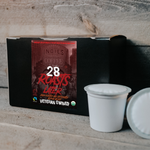
Single-serve coffee is a good example. The format used to have a reputation for weak, stale coffee. Better roasting and better attention to grind size, dose, and packaging are raising the ceiling. A pod still has practical limits compared with freshly ground whole beans, but convenience does not have to mean surrendering every ounce of flavor.
Cold brew is also changing roast decisions. Dark roasts can produce the bold, chocolate-forward cold brew many people love, while medium roasts can bring more sweetness and structure. Lighter roasts may create a brighter concentrate, though they can turn sharp if the recipe is not dialed in. There is no universal winner. The right choice depends on whether you drink it black, over ice, with milk, or mixed into a serious pre-workday setup.
Organic and Responsible Sourcing Are Becoming a Baseline Expectation
Customers increasingly want to know what they are buying beyond the roast label. Organic coffee, transparent sourcing, and responsible supply relationships are becoming more meaningful purchase signals, particularly for people who are tired of anonymous corporate products.
Still, sourcing claims deserve the same common sense as roasting claims. Organic certification speaks to growing practices, not automatically to flavor. A direct relationship with a producer can support better quality and accountability, but it does not turn a poorly roasted coffee into a great one. The strongest coffee brands treat ethical sourcing and roasting excellence as connected responsibilities, not interchangeable marketing lines.
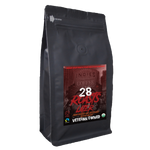
For the customer, the practical move is to look for clarity. Know the roast level. Know whether the coffee is whole bean, ground, pod-ready, or packed for cold brew. Know when it was roasted. When a company is clear about the basics, it usually has more confidence in what is inside the bag.
The Return of Bold, Familiar Flavor
Not every trend requires chasing the most unusual cup on the menu. There is a renewed appreciation for coffees that are straightforward, powerful, and dependable. Think breakfast blends that wake up clean, French and Italian roasts with weight and depth, decaf that still tastes like coffee, and high-caffeine options for days that require extra firepower.
That does not mean flavor innovation is disappearing. It means coffee drinkers are becoming more selective about novelty. A wild experimental process may be fun for a Saturday morning, but it is not necessarily what someone wants in a 6 a.m. mug. The best coffee lineup gives people choices without making them work for the answer.
At Indies Coffee, that independent mindset starts with roasting for the cup, not for a corporate planogram. Coffee should fit the person drinking it, whether that means a bold dark roast, an easygoing medium, or cold brew with enough backbone to survive ice and milk.
What These Trends Mean for Your Next Order
The smart move is not to buy coffee because a roast style is fashionable. Buy it with a purpose. If you brew a full pot and like a smooth, balanced cup, start with a medium roast. If you want intensity, low perceived acidity, and a heavier body, choose a well-roasted dark coffee. If you want more origin character and are willing to adjust your brewing, a light roast can reward the effort.
Then make freshness nonnegotiable. A coffee that matches your taste but arrives recently roasted will beat a supposedly elite coffee that has been fading on a shelf. Choose formats that match your life, too. Whole beans give you the most flexibility, K-Cups keep rushed mornings moving, and cold brew packs make a strong week easier to manage.
Corporate coffee wants you to settle for whatever has been sitting there longest. Do not. Find the roast that fits your routine, order it fresh, and make your first cup tomorrow taste like an actual decision.