
0 item(s)
View cart
You have no items in your shopping cart.
That first sip tells the truth. A great dark roast hits with depth, body, and a clean finish that stays rich without tasting like charcoal. A bad one hides stale beans behind smoke. That difference matters if you drink coffee every day and you’re done settling for mass-market coffee that confuses burnt with bold.
Dark roast refers to how long the coffee bean stays in the roaster, not whether it is stronger in some vague marketing sense. The beans roast longer than light or medium profiles, which pushes the flavor away from bright acidity and toward deeper notes like dark chocolate, toasted nuts, caramelized sugar, and sometimes a smoky edge.
That darker profile also changes the bean itself. Oils rise closer to the surface, the color turns deeper brown, and the body in the cup usually feels heavier. For people who want a coffee that tastes round, commanding, and familiar, dark roast earns its following for a reason.
But here’s where a lot of big-box coffee gets it wrong. Dark roast is not supposed to taste flat, ashy, or one-note. When poor-quality beans are roasted too hard, the roast wipes out character instead of shaping it. You end up tasting the process, not the bean.
Some coffee snobs act like dark roast is what people drink before they “graduate” to lighter coffees. That’s nonsense. The issue isn’t dark roast itself. The issue is bad dark roast.
Corporate coffee built an empire on over-roasting because it creates consistency out of mediocre beans. Roast everything hard enough and the bag tastes roughly the same, origin be damned. It’s a shortcut, and your mug pays the price.
A properly handled dark roast still has identity. It should taste bold, yes, but not lifeless. You should get structure and richness, not just smoke. The best versions keep enough sweetness to balance the intensity, which is why fresh roasting matters so much at this level.
Every coffee tastes better fresh, but dark roast especially benefits from good timing. Once roasted, coffee starts to lose aromatic compounds. With darker profiles, those rich, heavy notes can go dull fast if the beans sit too long on a warehouse shelf or under fluorescent grocery-store lights.
Fresh dark roast has more dimension. The chocolate notes feel fuller. The finish is smoother. Even the smoky elements, if present, feel intentional instead of harsh. If you’ve only had dark roast from a stale bag that was roasted who-knows-when, you probably haven’t had the real thing yet.
That’s one reason direct-to-consumer coffee has changed the game. When the roast is fresher, you taste the difference immediately, especially in darker styles where the line between bold and burnt is thin.
A solid dark roast usually leans into low acidity and a fuller body. It often brings flavors like baker’s chocolate, cacao nib, roasted almond, molasses, brown sugar, and a touch of smoke. Depending on the bean and roast style, you may also pick up bittersweet cocoa or a deep caramel finish.
What you should not expect is sharp fruit, floral notes, or the bright citrus edge common in lighter roasts. If that’s your thing, great - buy a light roast. But if you want coffee that feels grounded and substantial, dark roast is built for that mission.
There is some variation inside the category, too. A French roast can push further into smoke and intensity. An Italian roast often goes darker still, with a heavier roast signature. A more restrained dark roast can stay bold while preserving more sweetness. So if you’ve disliked one dark coffee before, that doesn’t mean the whole category is out.
This is where people get tripped up. Strong can mean flavor, caffeine, or both, and those are not the same thing.
Dark roast usually tastes stronger because the profile is bolder and more developed. It can seem more intense on the tongue, especially compared with a bright light roast. But caffeine is a different conversation. Roast level alone does not automatically make dark roast higher in caffeine. In many cases, the difference is small enough that brew method, scoop size, and bean density matter more in the real world.
So if you want maximum caffeine, shop for that specifically. If you want maximum bold flavor with a heavier body and lower acidity, dark roast is your lane.
Dark roast tends to win over people who want their coffee decisive. If you drink it black and want depth without sourness, it fits. If you add cream, dark roast also holds its ground better than many lighter coffees, which can get washed out fast.
It also works well for people making coffee before sunrise and not looking for a tasting seminar. You want a reliable cup with backbone. You want something that punches through the fog and tastes like coffee should taste. Dark roast does that.
That said, if you love delicate origin notes and high-acid complexity, you may prefer medium or light roasts. No need to pretend otherwise. Good coffee is about fit, not ideology.
A lot of people blame the beans for mistakes made at the brewer. Dark roast is forgiving in some ways, but it can turn bitter if you overdo extraction.
Start with water that is just off the boil rather than ripping hot for too long. If you brew pour over, shorten the extraction slightly compared with a light roast. If you use drip, keep your ratio balanced and don’t overdose the grounds unless you actually want more bitterness. In a French press, dark roast can shine because the body comes through, but let it sit too long and the cup gets muddy.
Espresso drinkers often love dark roast for the same reason traditional Italian-style coffee built its reputation on it - syrupy body, low acidity, and a flavor profile that cuts through milk. Cold brew also plays well here, pulling out chocolatey depth with a smooth finish.
Whatever method you use, grind fresh if you can. That alone does more for the cup than most brewing hacks people obsess over online.
It depends on how you actually live. Whole bean is the best move if flavor is the priority and you have a grinder at home. You get more aroma, more control, and a fresher cup.
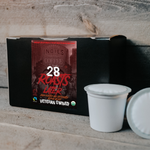
K-Cups make sense when speed wins. If your mornings are chaos and convenience keeps you consistent, there’s no shame in that. The key is getting a dark roast that still tastes clean and intentional instead of generic and stale.
Cold brew packs are a smart option if you want a lower-acid drink with deep flavor and almost no effort. Dark roast can be excellent here, especially for people who want a bold iced coffee that does not turn thin over ice.
The best format is the one you’ll actually use. A perfect setup that collects dust is less useful than a simple one that delivers every day.
Forget flashy bag copy for a second. A good dark roast should smell rich, not burnt. In the cup, it should feel full but not dirty. The finish should be strong and lasting, not acrid.
Look for signs that the roaster cares about freshness and roast integrity. That matters more than giant claims about being “extra bold.” Bold is easy to print on a label. Clean, fresh, well-developed flavor takes more discipline.
That’s also why independent coffee brands keep winning loyal drinkers away from the corporate shelf. When the roast is handled with care, dark coffee stops being a blunt instrument and starts becoming a real choice with character.
At Indies Coffee, that’s the whole point - bring the flavor the bean intended, not some overcooked imitation built for a boardroom spreadsheet.
Too many coffee conversations treat dark roast like a guilty pleasure, as if bold flavor needs an apology. It doesn’t. If you love a heavy-bodied, low-acid cup with real depth, you’re not choosing the lesser option. You’re choosing what fits your taste.
The smarter question is whether your dark roast is fresh, balanced, and roasted with intent. Get that part right, and the cup delivers exactly what it should: strength with character, not smoke for smoke’s sake.
If your morning coffee is part ritual and part line in the sand, choose a dark roast that actually earns the name and tastes like someone gave a damn.
That first sip tells the truth. A great dark roast hits with depth, body, and a clean finish that stays rich without tasting like charcoal. A bad one hides stale beans behind smoke. That difference matters if you drink coffee every day and you’re done settling for mass-market coffee that confuses burnt with bold.
Dark roast refers to how long the coffee bean stays in the roaster, not whether it is stronger in some vague marketing sense. The beans roast longer than light or medium profiles, which pushes the flavor away from bright acidity and toward deeper notes like dark chocolate, toasted nuts, caramelized sugar, and sometimes a smoky edge.
That darker profile also changes the bean itself. Oils rise closer to the surface, the color turns deeper brown, and the body in the cup usually feels heavier. For people who want a coffee that tastes round, commanding, and familiar, dark roast earns its following for a reason.
But here’s where a lot of big-box coffee gets it wrong. Dark roast is not supposed to taste flat, ashy, or one-note. When poor-quality beans are roasted too hard, the roast wipes out character instead of shaping it. You end up tasting the process, not the bean.
Some coffee snobs act like dark roast is what people drink before they “graduate” to lighter coffees. That’s nonsense. The issue isn’t dark roast itself. The issue is bad dark roast.
Corporate coffee built an empire on over-roasting because it creates consistency out of mediocre beans. Roast everything hard enough and the bag tastes roughly the same, origin be damned. It’s a shortcut, and your mug pays the price.
A properly handled dark roast still has identity. It should taste bold, yes, but not lifeless. You should get structure and richness, not just smoke. The best versions keep enough sweetness to balance the intensity, which is why fresh roasting matters so much at this level.
Every coffee tastes better fresh, but dark roast especially benefits from good timing. Once roasted, coffee starts to lose aromatic compounds. With darker profiles, those rich, heavy notes can go dull fast if the beans sit too long on a warehouse shelf or under fluorescent grocery-store lights.
Fresh dark roast has more dimension. The chocolate notes feel fuller. The finish is smoother. Even the smoky elements, if present, feel intentional instead of harsh. If you’ve only had dark roast from a stale bag that was roasted who-knows-when, you probably haven’t had the real thing yet.
That’s one reason direct-to-consumer coffee has changed the game. When the roast is fresher, you taste the difference immediately, especially in darker styles where the line between bold and burnt is thin.
A solid dark roast usually leans into low acidity and a fuller body. It often brings flavors like baker’s chocolate, cacao nib, roasted almond, molasses, brown sugar, and a touch of smoke. Depending on the bean and roast style, you may also pick up bittersweet cocoa or a deep caramel finish.
What you should not expect is sharp fruit, floral notes, or the bright citrus edge common in lighter roasts. If that’s your thing, great - buy a light roast. But if you want coffee that feels grounded and substantial, dark roast is built for that mission.
There is some variation inside the category, too. A French roast can push further into smoke and intensity. An Italian roast often goes darker still, with a heavier roast signature. A more restrained dark roast can stay bold while preserving more sweetness. So if you’ve disliked one dark coffee before, that doesn’t mean the whole category is out.
This is where people get tripped up. Strong can mean flavor, caffeine, or both, and those are not the same thing.
Dark roast usually tastes stronger because the profile is bolder and more developed. It can seem more intense on the tongue, especially compared with a bright light roast. But caffeine is a different conversation. Roast level alone does not automatically make dark roast higher in caffeine. In many cases, the difference is small enough that brew method, scoop size, and bean density matter more in the real world.
So if you want maximum caffeine, shop for that specifically. If you want maximum bold flavor with a heavier body and lower acidity, dark roast is your lane.
Dark roast tends to win over people who want their coffee decisive. If you drink it black and want depth without sourness, it fits. If you add cream, dark roast also holds its ground better than many lighter coffees, which can get washed out fast.
It also works well for people making coffee before sunrise and not looking for a tasting seminar. You want a reliable cup with backbone. You want something that punches through the fog and tastes like coffee should taste. Dark roast does that.
That said, if you love delicate origin notes and high-acid complexity, you may prefer medium or light roasts. No need to pretend otherwise. Good coffee is about fit, not ideology.
A lot of people blame the beans for mistakes made at the brewer. Dark roast is forgiving in some ways, but it can turn bitter if you overdo extraction.
Start with water that is just off the boil rather than ripping hot for too long. If you brew pour over, shorten the extraction slightly compared with a light roast. If you use drip, keep your ratio balanced and don’t overdose the grounds unless you actually want more bitterness. In a French press, dark roast can shine because the body comes through, but let it sit too long and the cup gets muddy.
Espresso drinkers often love dark roast for the same reason traditional Italian-style coffee built its reputation on it - syrupy body, low acidity, and a flavor profile that cuts through milk. Cold brew also plays well here, pulling out chocolatey depth with a smooth finish.
Whatever method you use, grind fresh if you can. That alone does more for the cup than most brewing hacks people obsess over online.
It depends on how you actually live. Whole bean is the best move if flavor is the priority and you have a grinder at home. You get more aroma, more control, and a fresher cup.
K-Cups make sense when speed wins. If your mornings are chaos and convenience keeps you consistent, there’s no shame in that. The key is getting a dark roast that still tastes clean and intentional instead of generic and stale.
Cold brew packs are a smart option if you want a lower-acid drink with deep flavor and almost no effort. Dark roast can be excellent here, especially for people who want a bold iced coffee that does not turn thin over ice.
The best format is the one you’ll actually use. A perfect setup that collects dust is less useful than a simple one that delivers every day.
Forget flashy bag copy for a second. A good dark roast should smell rich, not burnt. In the cup, it should feel full but not dirty. The finish should be strong and lasting, not acrid.
Look for signs that the roaster cares about freshness and roast integrity. That matters more than giant claims about being “extra bold.” Bold is easy to print on a label. Clean, fresh, well-developed flavor takes more discipline.
That’s also why independent coffee brands keep winning loyal drinkers away from the corporate shelf. When the roast is handled with care, dark coffee stops being a blunt instrument and starts becoming a real choice with character.
At Indies Coffee, that’s the whole point - bring the flavor the bean intended, not some overcooked imitation built for a boardroom spreadsheet.
Too many coffee conversations treat dark roast like a guilty pleasure, as if bold flavor needs an apology. It doesn’t. If you love a heavy-bodied, low-acid cup with real depth, you’re not choosing the lesser option. You’re choosing what fits your taste.
The smarter question is whether your dark roast is fresh, balanced, and roasted with intent. Get that part right, and the cup delivers exactly what it should: strength with character, not smoke for smoke’s sake.
If your morning coffee is part ritual and part line in the sand, choose a dark roast that actually earns the name and tastes like someone gave a damn.