
0 item(s)
View cart
You have no items in your shopping cart.
Most decaf gets treated like a surrender flag: the coffee you drink when caffeine is off the table and flavor supposedly has to follow. This decaf organic coffee review takes the opposite position. A good decaf should still smell alive when you open the bag, brew with real body, and finish clean enough that you want a second cup - not make you wish you had reached for regular coffee.
For people who care about what goes into their cup, organic decaf is a smart category to scrutinize. The words on the bag matter, but they do not automatically guarantee a great brew. Roast freshness, green-coffee sourcing, the decaffeination method, and how you prepare it all decide whether the cup tastes intentional or merely acceptable.
A useful review does not stop at "smooth" or "bold." Those labels have been beaten to death by grocery-store coffee companies that want every bag to sound premium. The real question is whether the coffee retains character after decaffeination and roasting.
Start with aroma. Fresh organic decaf should give you something recognizable before it ever hits the brewer: cocoa, toasted nuts, brown sugar, spice, a little fruit, or a dark-roast smokiness depending on the profile. If it smells dusty, papery, or vaguely burnt, the coffee may be old, over-roasted, or simply built around low expectations for decaf drinkers.
Then look at body and finish. Decaf can be lighter than a caffeinated counterpart, especially in lighter roasts, but it should not taste hollow. A solid medium or dark roast decaf has enough structure to stand up to cream, while still bringing enough flavor to drink black. The finish should be clean, not harshly bitter or sour. That is the line between a coffee made with care and one that was processed, packed, and forgotten.
Organic certification matters because coffee is an agricultural product. Choosing organic supports farming practices that restrict many synthetic pesticides and fertilizers. For buyers who want a cleaner daily ritual and more accountability in their food choices, that is a meaningful starting point.
But organic does not tell you when the coffee was roasted, whether the beans were handled well, or whether the roast profile suits your taste. A stale organic coffee is still stale. A bad roast is still a bad roast. Corporate brands love broad claims because broad claims let them avoid the details that affect the cup.
Look for a coffee company that treats organic sourcing and freshness as connected standards. Beans should be roasted with the goal of preserving what makes that origin worth drinking, then shipped while the flavor is still present. That is how you get the flavor the bean intended instead of a flat, anonymous caffeine substitute.
The biggest point of confusion in any decaf organic coffee review is the word "decaf" itself. Coffee is not naturally caffeine-free. The caffeine must be removed from green coffee before roasting, and the method can influence flavor retention.
Water-based processes are often favored by coffee drinkers because they use water, temperature, and filtration to remove caffeine while protecting much of the bean's flavor material. Carbon dioxide processing is another method that can preserve quality at scale. Some coffees use solvent-based methods, which are regulated and considered safe when properly performed, but shoppers who prioritize process transparency may prefer water-processed options.
There is no magic method that turns decaf into regular coffee with zero trade-off. Removing caffeine changes the bean. The best producers minimize that loss, and the best roasters account for it. Decaf beans can roast differently from regular beans, so a roast profile that works beautifully for a caffeinated batch may leave decaf tasting thin or charred. Skill matters more than marketing language.
If your priority is an explicitly chemical-free process, read the product details rather than assuming organic certification answers that question. Organic refers to how coffee is grown and handled under certification standards. Decaffeination is a separate part of the journey.
Your preferred roast should drive the purchase more than a generic claim of "best decaf." A medium roast organic decaf is usually the better choice for drinkers who want balance. Expect cocoa, caramel, nutty notes, and a little natural acidity when the coffee is fresh. It is flexible enough for drip machines, pour-over brewers, and single-serve convenience.
Dark roast decaf is for the drinker who wants weight, low-acid comfort, and a cup that does not get bullied by milk. Done right, it brings bittersweet chocolate, roasted sugar, and a sturdy finish. Done badly, it tastes like ash. That distinction is why dark-roast fans should avoid buying solely by roast name. French roast and Italian roast sound tough, but the coffee still needs enough sweetness underneath the smoke.
Light roast decaf can be excellent, but it is less forgiving. It may show more of the bean's origin character, yet it can also expose the thinner body that decaffeination sometimes creates. Choose it if you drink black and enjoy brighter coffee, not because a trendy label told you light automatically means better.
Coffee is not shelf decor. Once roasted, it begins losing aromatic compounds. That does not mean it goes bad overnight, but it does mean a bag that has spent months in a warehouse cannot compete with coffee roasted for real drinkers.
For decaf, freshness carries even more weight because the beans have already gone through an extra processing stage. A fresh roast gives you the best shot at sweetness, texture, and a satisfying aroma. A stale roast makes every decaf stereotype feel true.
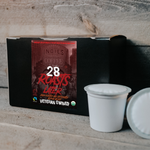
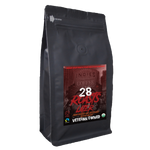
Buy whole beans when possible and grind just before brewing. If you need ground coffee or K-Cups for speed, that is not a coffee crime. Convenience has a place on busy mornings. Just choose a company that turns inventory quickly and treats packaging as protection for flavor, not an excuse to stockpile old product.
Storage is simple: keep the bag sealed, cool, dry, and away from direct light. Skip the refrigerator, where coffee can absorb odors and face moisture swings. Freeze unopened extra bags only if you are buying ahead, then let the bag come to room temperature before opening it.
Decaf deserves the same attention as your morning high-octane cup. Use clean water, a proper coffee-to-water ratio, and a brewer that is not coated in yesterday's burnt residue. Those basics do more for flavor than another flashy gadget.
For drip coffee, begin around two tablespoons of ground coffee for every six ounces of water, then adjust for taste. If your decaf tastes weak, use more coffee before changing the grind. If it tastes bitter and dry, try a slightly coarser grind or lower the water temperature a touch.
For cold brew, use a coarser grind and give it time. Decaf organic coffee can make a mellow, chocolate-forward cold brew that is perfect for afternoon drinking without wrecking sleep. For espresso-style drinks, choose a roast with enough development to bring body through milk. A delicate light decaf may disappear in a large latte.
Organic decaf is not only for people avoiding caffeine completely. It is for the late-night reader who wants a warm mug after dinner, the parent trying to cut back without giving up the ritual, the shift worker protecting sleep, and the coffee lover who wants two more cups without paying for it at 2 a.m.
It also makes sense for households with different caffeine needs. Keep a fresh regular roast and a fresh decaf on the counter, and nobody has to settle. That is a better setup than relying on a stale supermarket canister that has been sitting there since who knows when.
Indies Coffee fits the buyer who wants organic coffee with an independent streak: fresh-roasted flavor, clear roast choices, and none of the bland corporate-coffee compromise. The right decaf should feel like part of your coffee routine, not the punishment for having standards.
The best organic decaf is not trying to imitate a caffeine buzz. It is trying to deliver an honest, full-flavored cup on its own terms. Prioritize transparent processing, a roast level that matches how you drink coffee, and freshness you can taste from the first whiff to the final sip.
When the craving hits after dinner, do not reach for whatever dusty decaf is hiding in the back of the cabinet. Brew a cup with standards. Your sleep can stay intact without letting your coffee taste like it surrendered.