
0 item(s)
View cart
You have no items in your shopping cart.
That first cup sets the tone. It can be a quick, dependable shot of fuel before the school run or a full-on ritual before you take on the day. The real question in the k cups vs coffee beans debate is not which format has more fans. It is which one delivers the coffee experience you actually want when the button gets pushed or the grinder starts turning.
K-Cups bring speed. Whole beans bring control. Neither choice makes you less serious about coffee, but they make different demands and deliver different rewards. If you are done settling for stale, forgettable corporate coffee, here is how to choose your side without the marketing fluff.
The biggest difference is simple: K-Cups are pre-ground, pre-portioned, and built for one-button brewing. Coffee beans are whole until you grind them, which gives you more say over how the final cup tastes. Convenience favors the pod. Freshness and flexibility favor the bean.
That does not mean every cup from a K-Cup brewer is weak or every bag of whole bean coffee is automatically great. Roast quality, packaging, water, machine cleanliness, and how long coffee has been sitting around all matter. A fresh, well-made K-Cup can beat a neglected bag of beans from the grocery-store shelf every day of the week.
Still, the format changes your ceiling. With beans, you can adjust the grind, dose, brew method, and strength until the cup matches your standards. With a K-Cup, most of those decisions are already made for you. That is the point - and sometimes, that is exactly what you need.
K-Cups earn their place because mornings are not always peaceful. Sometimes you have five minutes, a meeting waiting, gear to load, kids to get moving, or a commute that will not wait for your pour-over technique. A single-serve brewer makes a consistent cup with almost no cleanup. Insert pod, hit brew, get on with it.
That ease also helps households with different coffee preferences. One person can brew a bold dark roast while another chooses decaf, without making a half pot that goes cold and gets dumped. There is less waste from unused brewed coffee, and portioning is handled for you.
K-Cups are also useful for people who want a predictable routine. You do not need to learn grinder settings or measure coffee every morning. If your goal is a strong, good-tasting cup before the day starts throwing punches, quality pods are a practical answer.
The drawback is that pre-ground coffee has less room to shine. Once coffee is ground, its aromatic compounds begin fading faster. The pod protects the grounds better than an open canister does, but it cannot fully recreate the fragrance and complexity of beans ground seconds before brewing. You also have less control when a cup tastes too light, too intense, or slightly off for your preference.
Whole beans are for drinkers who can taste the difference and want the power to do something about it. Grinding immediately before brewing preserves more of coffee's aroma, oils, and character. That is where you find the chocolate depth of a dark roast, the nutty balance of a medium roast, or the brighter notes that get buried when coffee sits pre-ground for too long.
Beans also let you match the coffee to the equipment. A coarse grind works for a French press or cold brew. A medium grind suits a drip machine. A fine grind supports espresso-style brewing. The same bag can produce very different results depending on your setup and how you dial it in.
This freedom matters if you drink coffee black, because there is nowhere for weak flavor to hide. It matters if you like cream and sugar, too. A bold, freshly ground coffee will keep its character instead of disappearing under the extras.
The trade-off is effort. You need a grinder, a way to brew, and a few extra minutes. You will need to clean equipment and pay attention to storage. For some people, that is a peaceful ritual. For others, it is too much before 7 a.m. There is no medal for choosing the more complicated route if it means you skip it and buy drive-thru coffee instead.
A coffee's roast date matters more than flashy packaging. Coffee is at its best when it reaches you fresh and is stored well after opening. Whole beans generally hold onto their character longer because the bean remains intact until grinding. Pre-ground coffee, including the coffee inside K-Cups, has more exposed surface area and loses its edge sooner once oxygen gets involved.
But freshness is not a reason to write off pods. The better question is whether the coffee was roasted with care, packed promptly, and brewed before it has spent ages in a warehouse. A fresh pod from a roaster that takes flavor seriously is a far better move than old beans with a fancy label.
For beans, buy an amount you can reasonably finish within a few weeks of opening. Keep them in an airtight container away from heat, light, and moisture. Do not leave them on the counter beside the stove, and do not treat the refrigerator as a coffee vault. Condensation and food odors are not doing your brew any favors.
At first glance, K-Cups can cost more per cup than brewing from a bag of beans. The pod, individual packaging, and single-serve convenience add to the price. Whole beans usually stretch farther, especially if you brew coffee for more than one person or drink multiple cups a day.
The math changes when waste enters the picture. If you regularly brew a full pot and pour half of it down the drain, a single-serve system may be the smarter household choice. If two or three people drink coffee every morning, a drip brewer or French press with whole beans often makes more financial sense.
Then there is the packaging question. Traditional single-use pods create more material to manage than a bag of beans. If that weighs on your decision, look for recyclable options where local facilities accept them, or use a reusable pod with your own grounds. Reusable pods can bridge the gap: the convenience of a single-serve machine with the freshness and variety of coffee you grind yourself. They do require measuring and cleaning, so they are not quite a no-effort solution.
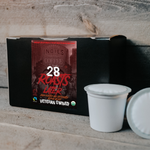
Choose K-Cups if your priority is speed, simple cleanup, and reliable single-cup brewing. They are especially useful for busy households, offices, and anyone who wants coffee without turning breakfast into a project. Pick beans if flavor depth, brewing control, and lower per-cup cost matter more to you than shaving a few minutes off the routine.
There is also no rule saying you have to pledge allegiance to one format. Keep a bold K-Cup option for chaotic weekdays and whole beans for weekends, slow mornings, or the days you want a proper pot. That is not fence-sitting. That is having the right tool ready for the mission.
At Indies Coffee, the standard is simple: coffee should taste like the bean intended, not like it was engineered to offend nobody. Whether you reach for a K-Cup or fire up the grinder, choose coffee roasted for real flavor, store it with intention, and brew it like your morning deserves better than generic.
That first cup sets the tone. It can be a quick, dependable shot of fuel before the school run or a full-on ritual before you take on the day. The real question in the k cups vs coffee beans debate is not which format has more fans. It is which one delivers the coffee experience you actually want when the button gets pushed or the grinder starts turning.
K-Cups bring speed. Whole beans bring control. Neither choice makes you less serious about coffee, but they make different demands and deliver different rewards. If you are done settling for stale, forgettable corporate coffee, here is how to choose your side without the marketing fluff.
The biggest difference is simple: K-Cups are pre-ground, pre-portioned, and built for one-button brewing. Coffee beans are whole until you grind them, which gives you more say over how the final cup tastes. Convenience favors the pod. Freshness and flexibility favor the bean.
That does not mean every cup from a K-Cup brewer is weak or every bag of whole bean coffee is automatically great. Roast quality, packaging, water, machine cleanliness, and how long coffee has been sitting around all matter. A fresh, well-made K-Cup can beat a neglected bag of beans from the grocery-store shelf every day of the week.
Still, the format changes your ceiling. With beans, you can adjust the grind, dose, brew method, and strength until the cup matches your standards. With a K-Cup, most of those decisions are already made for you. That is the point - and sometimes, that is exactly what you need.
K-Cups earn their place because mornings are not always peaceful. Sometimes you have five minutes, a meeting waiting, gear to load, kids to get moving, or a commute that will not wait for your pour-over technique. A single-serve brewer makes a consistent cup with almost no cleanup. Insert pod, hit brew, get on with it.
That ease also helps households with different coffee preferences. One person can brew a bold dark roast while another chooses decaf, without making a half pot that goes cold and gets dumped. There is less waste from unused brewed coffee, and portioning is handled for you.
K-Cups are also useful for people who want a predictable routine. You do not need to learn grinder settings or measure coffee every morning. If your goal is a strong, good-tasting cup before the day starts throwing punches, quality pods are a practical answer.
The drawback is that pre-ground coffee has less room to shine. Once coffee is ground, its aromatic compounds begin fading faster. The pod protects the grounds better than an open canister does, but it cannot fully recreate the fragrance and complexity of beans ground seconds before brewing. You also have less control when a cup tastes too light, too intense, or slightly off for your preference.
Whole beans are for drinkers who can taste the difference and want the power to do something about it. Grinding immediately before brewing preserves more of coffee's aroma, oils, and character. That is where you find the chocolate depth of a dark roast, the nutty balance of a medium roast, or the brighter notes that get buried when coffee sits pre-ground for too long.
Beans also let you match the coffee to the equipment. A coarse grind works for a French press or cold brew. A medium grind suits a drip machine. A fine grind supports espresso-style brewing. The same bag can produce very different results depending on your setup and how you dial it in.
This freedom matters if you drink coffee black, because there is nowhere for weak flavor to hide. It matters if you like cream and sugar, too. A bold, freshly ground coffee will keep its character instead of disappearing under the extras.
The trade-off is effort. You need a grinder, a way to brew, and a few extra minutes. You will need to clean equipment and pay attention to storage. For some people, that is a peaceful ritual. For others, it is too much before 7 a.m. There is no medal for choosing the more complicated route if it means you skip it and buy drive-thru coffee instead.
A coffee's roast date matters more than flashy packaging. Coffee is at its best when it reaches you fresh and is stored well after opening. Whole beans generally hold onto their character longer because the bean remains intact until grinding. Pre-ground coffee, including the coffee inside K-Cups, has more exposed surface area and loses its edge sooner once oxygen gets involved.
But freshness is not a reason to write off pods. The better question is whether the coffee was roasted with care, packed promptly, and brewed before it has spent ages in a warehouse. A fresh pod from a roaster that takes flavor seriously is a far better move than old beans with a fancy label.
For beans, buy an amount you can reasonably finish within a few weeks of opening. Keep them in an airtight container away from heat, light, and moisture. Do not leave them on the counter beside the stove, and do not treat the refrigerator as a coffee vault. Condensation and food odors are not doing your brew any favors.
At first glance, K-Cups can cost more per cup than brewing from a bag of beans. The pod, individual packaging, and single-serve convenience add to the price. Whole beans usually stretch farther, especially if you brew coffee for more than one person or drink multiple cups a day.
The math changes when waste enters the picture. If you regularly brew a full pot and pour half of it down the drain, a single-serve system may be the smarter household choice. If two or three people drink coffee every morning, a drip brewer or French press with whole beans often makes more financial sense.
Then there is the packaging question. Traditional single-use pods create more material to manage than a bag of beans. If that weighs on your decision, look for recyclable options where local facilities accept them, or use a reusable pod with your own grounds. Reusable pods can bridge the gap: the convenience of a single-serve machine with the freshness and variety of coffee you grind yourself. They do require measuring and cleaning, so they are not quite a no-effort solution.
Choose K-Cups if your priority is speed, simple cleanup, and reliable single-cup brewing. They are especially useful for busy households, offices, and anyone who wants coffee without turning breakfast into a project. Pick beans if flavor depth, brewing control, and lower per-cup cost matter more to you than shaving a few minutes off the routine.
There is also no rule saying you have to pledge allegiance to one format. Keep a bold K-Cup option for chaotic weekdays and whole beans for weekends, slow mornings, or the days you want a proper pot. That is not fence-sitting. That is having the right tool ready for the mission.
At Indies Coffee, the standard is simple: coffee should taste like the bean intended, not like it was engineered to offend nobody. Whether you reach for a K-Cup or fire up the grinder, choose coffee roasted for real flavor, store it with intention, and brew it like your morning deserves better than generic.