
0 item(s)
View cart
You have no items in your shopping cart.
Your first cup should not feel like a negotiation between convenience and coffee that actually tastes alive. The whole bean versus coffee pods question comes down to what you demand from your routine: maximum flavor and control, or fast, repeatable coffee with almost no setup. Neither choice makes you less serious about coffee. But they do deliver very different mornings.
Corporate coffee has trained plenty of people to accept stale, flat, anonymous cups as the price of getting out the door. You do not have to sign that deal. Whether you grind fresh or press a button, the goal is the same: coffee with real character, brewed on your terms.
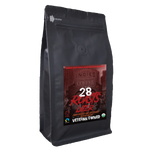
Whole bean coffee gives you the most control over freshness. Coffee beans hold onto aromatic oils and flavor compounds better than pre-ground coffee because less surface area is exposed to oxygen. Once you grind those beans, the clock starts moving fast. Grind immediately before brewing and you get more of the notes the roaster worked to preserve - chocolate, citrus, caramel, smoke, nuts, fruit, or whatever lives in that particular bag.
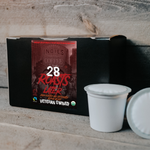
Coffee pods trade some of that control for speed. A pod is pre-portioned, pre-ground, and sealed so you can make a single cup without measuring, grinding, or cleaning a full brewer. For a rushed weekday, a shared kitchen, or a household where everyone wants a different roast, that is a legitimate advantage. Convenience is not a character flaw.
The deciding factor is not whether pods are “real coffee.” It is how much the details matter to you. If you notice subtle changes in body, aroma, and finish, whole beans will usually give you more to work with. If your top priority is getting a dependable cup before the school run, commute, or first call, pods earn their counter space.
For pure cup quality, whole bean coffee wins more often than not. Freshly ground coffee releases a strong aroma before water even hits it, and that aroma becomes part of the experience. A capable grinder also lets you match the grind to the brewer: coarser for a French press, medium for drip, finer for espresso. That control changes extraction, which changes whether the cup tastes rich and balanced or bitter and thin.
Whole beans also let you adjust as your taste changes. Want a bold French or Italian roast that can stand up to cream? Grind and brew it with more strength. Want to catch the brighter side of a light roast? Use a cleaner pour-over method and a measured pour. The coffee is not locked into one setting chosen months before it reached your kitchen.
Pods can still make a satisfying cup, especially when they are filled with quality coffee and stored properly. They are a smart fit for drinkers who prefer a familiar medium or dark roast profile and value consistency over tinkering. The limitation is built into the format: you cannot change the grind, dose, or brew ratio in meaningful ways. Your machine and pod make most of the decisions for you.
That does not mean every whole bean coffee will beat every pod. Old beans, poor storage, and a cheap blade grinder can sabotage a great bag. Freshness and brewing habits matter more than coffee snobbery.
A pod brewer is hard to beat when time is scarce. Drop in a pod, press brew, and toss it when you are done. There is no scale, no grinder, no grounds on the counter, and usually no debate over who cleaned the carafe last. Single-serve brewing also reduces waste when only one person wants coffee.
Whole bean coffee asks for a little more from you. At minimum, you need a grinder and a brewing method. You will measure beans, grind them, brew, and dispose of grounds. That may take five minutes with a drip machine or longer with a pour-over setup. For many coffee drinkers, that ritual is part of the payoff. For others, it is a nonstarter at 6:10 a.m.
There is a middle path. Keep whole beans for the mornings when you want the full experience, then use pods for travel days, hectic family schedules, office breaks, or the afternoon cup when speed matters more than ceremony. Independence means choosing the tool that serves the mission, not pretending one tool is right for every moment.
At first glance, whole beans can look more expensive because a quality bag costs more than bargain-bin coffee. But cost per cup often favors beans, particularly if you brew multiple cups each day. Buying beans in a larger bag and measuring your own dose generally costs less than purchasing individual pods.
Pods are priced for packaging, portioning, and convenience. If you make one cup a day and avoid dumping half a pot down the drain, that extra cost may be worth it. If a household runs through four, six, or eight cups daily, pod costs can climb quickly.
Equipment changes the math, too. A pod machine is a relatively simple entry point, while whole bean brewing may require a grinder, brewer, scale, and filters. You do not need a laboratory on your counter to make excellent coffee, though. A dependable burr grinder and a basic drip brewer can take you a long way.
Used whole-bean grounds are easy to compost or discard, and paper filters are often compostable as well. Beans usually arrive in a bag, but there is far less individual packaging per cup. If reducing single-use materials matters to you, whole beans are usually the cleaner choice.
Coffee pods create more material per serving. Some are recyclable or made with recyclable components, but recycling rules vary by location and often require separating the coffee grounds from the pod. That is more effort than most people expect. Reusable pods exist, but filling and cleaning them removes part of the convenience that made pods attractive in the first place.
This is not an argument for perfection. It is a reason to be honest about the trade. If pods keep you from buying disposable café cups every morning, they may improve your overall routine. If you brew at home and want less packaging, beans are the stronger move.
Whole beans are the right call when flavor is your priority, when you enjoy adjusting your brew, or when you make coffee for more than one person. They are especially rewarding for dark roast fans who want a heavy, aromatic cup without the dull, over-roasted taste that big brands use to hide stale coffee.
Buy coffee in quantities you can finish while it is still fresh, store it sealed away from heat and sunlight, and grind only what you need. Skip the refrigerator and freezer for the daily bag. Condensation and odor exposure can work against the flavor you paid for.
If you are making the jump from pods, start simple. Use a medium grind in a standard drip machine and make one adjustment at a time. A better coffee routine does not require turning breakfast into a science project.
Choose coffee pods when your schedule is packed, when each person in the house drinks something different, or when a full pot would go to waste. They also make sense for guest rooms, small offices, and anyone who wants a clean, predictable cup without a learning curve.
The key is refusing to settle for generic pods just because they are easy. Look for coffee with a roast profile you actually enjoy and a freshness standard you can trust. A pod should save time, not force you to drink something forgettable.
A lot of serious coffee drinkers keep both formats at home. Whole beans handle slow weekends, first cups, and the moments when flavor deserves your full attention. Pods cover the days when the alarm lost, the calendar is packed, and the only acceptable plan is coffee now.
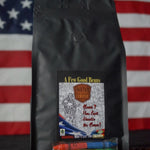
Indies Coffee exists for drinkers who do not want to choose between personality and a good cup. Fresh organic whole beans make sense when you want to grind, brew, and taste the difference. Quality K-Cups make sense when the mission is speed without surrendering every bit of flavor.
Your coffee routine should have some backbone. Pick whole beans when you want control and the fullest expression of the roast. Reach for pods when convenience protects your sanity. Then make the next cup deliberately - not because a giant corporate label told you what coffee is supposed to taste like, but because you know what belongs in your mug.
Your first cup should not feel like a negotiation between convenience and coffee that actually tastes alive. The whole bean versus coffee pods question comes down to what you demand from your routine: maximum flavor and control, or fast, repeatable coffee with almost no setup. Neither choice makes you less serious about coffee. But they do deliver very different mornings.
Corporate coffee has trained plenty of people to accept stale, flat, anonymous cups as the price of getting out the door. You do not have to sign that deal. Whether you grind fresh or press a button, the goal is the same: coffee with real character, brewed on your terms.
Whole bean coffee gives you the most control over freshness. Coffee beans hold onto aromatic oils and flavor compounds better than pre-ground coffee because less surface area is exposed to oxygen. Once you grind those beans, the clock starts moving fast. Grind immediately before brewing and you get more of the notes the roaster worked to preserve - chocolate, citrus, caramel, smoke, nuts, fruit, or whatever lives in that particular bag.
Coffee pods trade some of that control for speed. A pod is pre-portioned, pre-ground, and sealed so you can make a single cup without measuring, grinding, or cleaning a full brewer. For a rushed weekday, a shared kitchen, or a household where everyone wants a different roast, that is a legitimate advantage. Convenience is not a character flaw.
The deciding factor is not whether pods are “real coffee.” It is how much the details matter to you. If you notice subtle changes in body, aroma, and finish, whole beans will usually give you more to work with. If your top priority is getting a dependable cup before the school run, commute, or first call, pods earn their counter space.
For pure cup quality, whole bean coffee wins more often than not. Freshly ground coffee releases a strong aroma before water even hits it, and that aroma becomes part of the experience. A capable grinder also lets you match the grind to the brewer: coarser for a French press, medium for drip, finer for espresso. That control changes extraction, which changes whether the cup tastes rich and balanced or bitter and thin.
Whole beans also let you adjust as your taste changes. Want a bold French or Italian roast that can stand up to cream? Grind and brew it with more strength. Want to catch the brighter side of a light roast? Use a cleaner pour-over method and a measured pour. The coffee is not locked into one setting chosen months before it reached your kitchen.
Pods can still make a satisfying cup, especially when they are filled with quality coffee and stored properly. They are a smart fit for drinkers who prefer a familiar medium or dark roast profile and value consistency over tinkering. The limitation is built into the format: you cannot change the grind, dose, or brew ratio in meaningful ways. Your machine and pod make most of the decisions for you.
That does not mean every whole bean coffee will beat every pod. Old beans, poor storage, and a cheap blade grinder can sabotage a great bag. Freshness and brewing habits matter more than coffee snobbery.
A pod brewer is hard to beat when time is scarce. Drop in a pod, press brew, and toss it when you are done. There is no scale, no grinder, no grounds on the counter, and usually no debate over who cleaned the carafe last. Single-serve brewing also reduces waste when only one person wants coffee.
Whole bean coffee asks for a little more from you. At minimum, you need a grinder and a brewing method. You will measure beans, grind them, brew, and dispose of grounds. That may take five minutes with a drip machine or longer with a pour-over setup. For many coffee drinkers, that ritual is part of the payoff. For others, it is a nonstarter at 6:10 a.m.
There is a middle path. Keep whole beans for the mornings when you want the full experience, then use pods for travel days, hectic family schedules, office breaks, or the afternoon cup when speed matters more than ceremony. Independence means choosing the tool that serves the mission, not pretending one tool is right for every moment.
At first glance, whole beans can look more expensive because a quality bag costs more than bargain-bin coffee. But cost per cup often favors beans, particularly if you brew multiple cups each day. Buying beans in a larger bag and measuring your own dose generally costs less than purchasing individual pods.
Pods are priced for packaging, portioning, and convenience. If you make one cup a day and avoid dumping half a pot down the drain, that extra cost may be worth it. If a household runs through four, six, or eight cups daily, pod costs can climb quickly.
Equipment changes the math, too. A pod machine is a relatively simple entry point, while whole bean brewing may require a grinder, brewer, scale, and filters. You do not need a laboratory on your counter to make excellent coffee, though. A dependable burr grinder and a basic drip brewer can take you a long way.
Used whole-bean grounds are easy to compost or discard, and paper filters are often compostable as well. Beans usually arrive in a bag, but there is far less individual packaging per cup. If reducing single-use materials matters to you, whole beans are usually the cleaner choice.
Coffee pods create more material per serving. Some are recyclable or made with recyclable components, but recycling rules vary by location and often require separating the coffee grounds from the pod. That is more effort than most people expect. Reusable pods exist, but filling and cleaning them removes part of the convenience that made pods attractive in the first place.
This is not an argument for perfection. It is a reason to be honest about the trade. If pods keep you from buying disposable café cups every morning, they may improve your overall routine. If you brew at home and want less packaging, beans are the stronger move.
Whole beans are the right call when flavor is your priority, when you enjoy adjusting your brew, or when you make coffee for more than one person. They are especially rewarding for dark roast fans who want a heavy, aromatic cup without the dull, over-roasted taste that big brands use to hide stale coffee.
Buy coffee in quantities you can finish while it is still fresh, store it sealed away from heat and sunlight, and grind only what you need. Skip the refrigerator and freezer for the daily bag. Condensation and odor exposure can work against the flavor you paid for.
If you are making the jump from pods, start simple. Use a medium grind in a standard drip machine and make one adjustment at a time. A better coffee routine does not require turning breakfast into a science project.
Choose coffee pods when your schedule is packed, when each person in the house drinks something different, or when a full pot would go to waste. They also make sense for guest rooms, small offices, and anyone who wants a clean, predictable cup without a learning curve.
The key is refusing to settle for generic pods just because they are easy. Look for coffee with a roast profile you actually enjoy and a freshness standard you can trust. A pod should save time, not force you to drink something forgettable.
A lot of serious coffee drinkers keep both formats at home. Whole beans handle slow weekends, first cups, and the moments when flavor deserves your full attention. Pods cover the days when the alarm lost, the calendar is packed, and the only acceptable plan is coffee now.
Indies Coffee exists for drinkers who do not want to choose between personality and a good cup. Fresh organic whole beans make sense when you want to grind, brew, and taste the difference. Quality K-Cups make sense when the mission is speed without surrendering every bit of flavor.
Your coffee routine should have some backbone. Pick whole beans when you want control and the fullest expression of the roast. Reach for pods when convenience protects your sanity. Then make the next cup deliberately - not because a giant corporate label told you what coffee is supposed to taste like, but because you know what belongs in your mug.