
0 item(s)
View cart
You have no items in your shopping cart.
You can tell when coffee has been sitting too long. The bag looks fine, the label talks big, but the cup lands flat - dull aroma, muddy flavor, and that tired finish that tastes more like habit than pleasure. Freshly roasted organic coffee beans are the opposite of that whole corporate coffee routine. They show up with character, clarity, and the kind of flavor that actually tastes like someone cared before it hit your mug.
If you drink coffee every day, freshness is not some niche detail for coffee snobs. It is the difference between a cup that wakes you up and a cup that reminds you how low the bar has gotten. Organic matters too, but not because it sounds trendy. It matters because cleaner growing practices and careful sourcing tend to respect the bean from the start. When you combine that with real roast freshness, you get coffee that tastes intentional.
Coffee is an agricultural product, not a shelf-stable mystery item. Once beans are roasted, they begin changing immediately. Gases release, aromatic compounds shift, and the flavors that made the roast exciting start moving in one of two directions - either toward a sweet spot or toward staleness.
That is why roast date matters more than flashy packaging. Fresh coffee has more expressive aroma, more defined flavor notes, and a livelier finish. Depending on the roast level, that might mean citrus and florals in a light roast, chocolate and caramel in a medium roast, or smoke, spice, and bittersweet depth in a dark roast. When coffee is old, those distinctions blur fast. Everything starts tasting generic.
Organic beans add another layer. Good organic coffee is not automatically better just because it is organic. That would be marketing nonsense. But when skilled growers, smart sourcing, and careful roasting come together, organic coffee often gives you a cleaner cup with better transparency in flavor. You are tasting the bean, not just the roast.
A lot of brands throw around the word fresh because they know people want it. But there is a real difference between coffee roasted recently and coffee that has been sitting in a warehouse, on a truck, or on a store shelf for who knows how long.
The best window for most whole bean coffee starts a few days after roasting and can stay strong for a few weeks if stored well. That does not mean coffee turns useless overnight. It means the peak flavor experience does not wait around forever. If you buy whole beans and grind just before brewing, you protect that flavor longer. If you buy pre-ground, the clock moves faster.
That is one reason direct-to-consumer coffee has built such a loyal following. It cuts out part of the lag between roaster and cup. You are not paying premium prices for coffee that already lost the fight before it reached your kitchen.
There is a lazy version of organic marketing that treats the word like a shortcut. Serious coffee drinkers should expect more. Organic should point to standards in cultivation and handling, but it should also be backed by quality in the cup.
If the roast is bad, organic will not save it. If the beans are stale, organic will not make them exciting. The goal is not to buy coffee that checks a box. The goal is to buy coffee that tastes alive.
That is where the independent coffee crowd has an edge. Smaller specialty-focused brands tend to build around flavor first, then values, then convenience. That order matters. You should not have to choose between a coffee that aligns with your standards and a coffee that actually delivers in the morning.
Freshly roasted organic coffee beans are not one thing. Roast level changes the whole conversation.
Light roasts usually keep more of the bean's original character. You may get fruit, citrus, floral notes, tea-like texture, and more brightness. This can be a great fit if you like complexity and you brew with methods that highlight nuance, like pour over or drip.
Medium roasts tend to hit the middle ground. They keep some origin character while adding sweetness, body, and balance. For a lot of people, this is the everyday sweet spot because it works across brewing methods and still brings enough personality to stay interesting.
Dark roasts go bolder. You trade some acidity and delicate notes for richer body, deeper roast character, and that classic strong-coffee profile many people actually want. If you love French roast, Italian roast, or a heavy breakfast blend that punches through cream and sugar, fresh dark roast can be a different league from the tired burnt stuff sold by giant chains.
There is no correct roast for everyone. It depends on what you want your coffee to do. Bright and layered. Smooth and balanced. Dark and unapologetic. Freshness helps every roast level, but the style should fit your taste, not somebody else's tasting notes performance.
Yes, technique matters. Water temperature, grind size, brew ratio, and brew method all affect your cup. But bad coffee culture loves to overcomplicate simple truths. If your beans are old, no amount of gear talk will rescue them.
Start with better beans. Then make a few smart adjustments. Grind close to brew time. Use water that does not taste like chemicals. Keep your coffee sealed and away from heat, light, and moisture. Buy amounts you will actually use while the coffee is still tasting sharp.
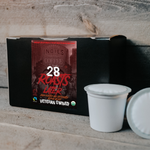
If convenience is your thing, there is no shame in that either. Freshness still matters in K-Cups and cold brew packs. The format changes, but the core issue stays the same: better coffee in, better flavor out. Convenience should not mean surrendering your standards.
Anyone tired of stale grocery store coffee is a candidate, but a few people benefit fast.
Daily drinkers notice the difference right away because they have a direct comparison every morning. Dark roast fans often get hit hardest by stale coffee because old dark roast can taste ashy instead of rich. People buying gifts also get more value from coffee that feels distinct and personal rather than generic and mass-produced.
And if you care where your dollars go, buying from an independent roaster is its own statement. Coffee is one of those daily purchases that adds up. You can keep feeding the giant machine, or you can back businesses that actually stand for something.
A roast date beats vague freshness claims every time. Whole bean is usually the better choice if you have a grinder. Clear roast categories help you buy for taste instead of guessing. If a brand also offers subscriptions, decaf, high-caffeine options, and easy formats like pods or cold brew, that can make sticking with fresh coffee a lot easier.
You should also pay attention to whether the brand sounds like it knows coffee or just knows branding. Great packaging is fine. Big attitude is fine too. But the cup has to back it up.
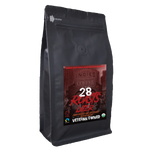
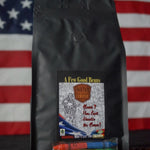
That is where a company like Indies Coffee fits naturally for people who want more than safe, forgettable coffee. The pitch is straightforward: roast freshness, strong flavor, and coffee with some backbone. Not corporate beige. Not watered-down identity. Just coffee that tastes like the bean intended, sold by people who actually have a point of view.
There is one honest trade-off here: freshly roasted organic coffee beans usually cost more than mass-market coffee. For some people, that alone ends the conversation. Fair enough. But if coffee is part of your daily ritual, the cost per cup is still often reasonable compared with cafe runs, and the quality jump is usually obvious.
The bigger question is whether you care about flavor, aroma, and freshness enough to make the switch. If coffee is just caffeine delivery, maybe the cheapest option wins. If coffee is something you actually look forward to, stale beans are a bad deal no matter what the price tag says.
You do not need to become a coffee nerd to appreciate the difference. You just need one honest side-by-side comparison between old shelf coffee and a fresh bag roasted with purpose. After that, the generic stuff starts tasting exactly like what it is - a compromise dressed up as convenience.
Good coffee should not feel like a luxury reserved for weekends. It should be your standard. Buy fresher. Buy with intention. And if your current bag tastes tired, believe your own taste buds and move on.
You can tell when coffee has been sitting too long. The bag looks fine, the label talks big, but the cup lands flat - dull aroma, muddy flavor, and that tired finish that tastes more like habit than pleasure. Freshly roasted organic coffee beans are the opposite of that whole corporate coffee routine. They show up with character, clarity, and the kind of flavor that actually tastes like someone cared before it hit your mug.
If you drink coffee every day, freshness is not some niche detail for coffee snobs. It is the difference between a cup that wakes you up and a cup that reminds you how low the bar has gotten. Organic matters too, but not because it sounds trendy. It matters because cleaner growing practices and careful sourcing tend to respect the bean from the start. When you combine that with real roast freshness, you get coffee that tastes intentional.
Coffee is an agricultural product, not a shelf-stable mystery item. Once beans are roasted, they begin changing immediately. Gases release, aromatic compounds shift, and the flavors that made the roast exciting start moving in one of two directions - either toward a sweet spot or toward staleness.
That is why roast date matters more than flashy packaging. Fresh coffee has more expressive aroma, more defined flavor notes, and a livelier finish. Depending on the roast level, that might mean citrus and florals in a light roast, chocolate and caramel in a medium roast, or smoke, spice, and bittersweet depth in a dark roast. When coffee is old, those distinctions blur fast. Everything starts tasting generic.
Organic beans add another layer. Good organic coffee is not automatically better just because it is organic. That would be marketing nonsense. But when skilled growers, smart sourcing, and careful roasting come together, organic coffee often gives you a cleaner cup with better transparency in flavor. You are tasting the bean, not just the roast.
A lot of brands throw around the word fresh because they know people want it. But there is a real difference between coffee roasted recently and coffee that has been sitting in a warehouse, on a truck, or on a store shelf for who knows how long.
The best window for most whole bean coffee starts a few days after roasting and can stay strong for a few weeks if stored well. That does not mean coffee turns useless overnight. It means the peak flavor experience does not wait around forever. If you buy whole beans and grind just before brewing, you protect that flavor longer. If you buy pre-ground, the clock moves faster.
That is one reason direct-to-consumer coffee has built such a loyal following. It cuts out part of the lag between roaster and cup. You are not paying premium prices for coffee that already lost the fight before it reached your kitchen.
There is a lazy version of organic marketing that treats the word like a shortcut. Serious coffee drinkers should expect more. Organic should point to standards in cultivation and handling, but it should also be backed by quality in the cup.
If the roast is bad, organic will not save it. If the beans are stale, organic will not make them exciting. The goal is not to buy coffee that checks a box. The goal is to buy coffee that tastes alive.
That is where the independent coffee crowd has an edge. Smaller specialty-focused brands tend to build around flavor first, then values, then convenience. That order matters. You should not have to choose between a coffee that aligns with your standards and a coffee that actually delivers in the morning.
Freshly roasted organic coffee beans are not one thing. Roast level changes the whole conversation.
Light roasts usually keep more of the bean's original character. You may get fruit, citrus, floral notes, tea-like texture, and more brightness. This can be a great fit if you like complexity and you brew with methods that highlight nuance, like pour over or drip.
Medium roasts tend to hit the middle ground. They keep some origin character while adding sweetness, body, and balance. For a lot of people, this is the everyday sweet spot because it works across brewing methods and still brings enough personality to stay interesting.
Dark roasts go bolder. You trade some acidity and delicate notes for richer body, deeper roast character, and that classic strong-coffee profile many people actually want. If you love French roast, Italian roast, or a heavy breakfast blend that punches through cream and sugar, fresh dark roast can be a different league from the tired burnt stuff sold by giant chains.
There is no correct roast for everyone. It depends on what you want your coffee to do. Bright and layered. Smooth and balanced. Dark and unapologetic. Freshness helps every roast level, but the style should fit your taste, not somebody else's tasting notes performance.
Yes, technique matters. Water temperature, grind size, brew ratio, and brew method all affect your cup. But bad coffee culture loves to overcomplicate simple truths. If your beans are old, no amount of gear talk will rescue them.
Start with better beans. Then make a few smart adjustments. Grind close to brew time. Use water that does not taste like chemicals. Keep your coffee sealed and away from heat, light, and moisture. Buy amounts you will actually use while the coffee is still tasting sharp.
If convenience is your thing, there is no shame in that either. Freshness still matters in K-Cups and cold brew packs. The format changes, but the core issue stays the same: better coffee in, better flavor out. Convenience should not mean surrendering your standards.
Anyone tired of stale grocery store coffee is a candidate, but a few people benefit fast.
Daily drinkers notice the difference right away because they have a direct comparison every morning. Dark roast fans often get hit hardest by stale coffee because old dark roast can taste ashy instead of rich. People buying gifts also get more value from coffee that feels distinct and personal rather than generic and mass-produced.
And if you care where your dollars go, buying from an independent roaster is its own statement. Coffee is one of those daily purchases that adds up. You can keep feeding the giant machine, or you can back businesses that actually stand for something.
A roast date beats vague freshness claims every time. Whole bean is usually the better choice if you have a grinder. Clear roast categories help you buy for taste instead of guessing. If a brand also offers subscriptions, decaf, high-caffeine options, and easy formats like pods or cold brew, that can make sticking with fresh coffee a lot easier.
You should also pay attention to whether the brand sounds like it knows coffee or just knows branding. Great packaging is fine. Big attitude is fine too. But the cup has to back it up.
That is where a company like Indies Coffee fits naturally for people who want more than safe, forgettable coffee. The pitch is straightforward: roast freshness, strong flavor, and coffee with some backbone. Not corporate beige. Not watered-down identity. Just coffee that tastes like the bean intended, sold by people who actually have a point of view.
There is one honest trade-off here: freshly roasted organic coffee beans usually cost more than mass-market coffee. For some people, that alone ends the conversation. Fair enough. But if coffee is part of your daily ritual, the cost per cup is still often reasonable compared with cafe runs, and the quality jump is usually obvious.
The bigger question is whether you care about flavor, aroma, and freshness enough to make the switch. If coffee is just caffeine delivery, maybe the cheapest option wins. If coffee is something you actually look forward to, stale beans are a bad deal no matter what the price tag says.
You do not need to become a coffee nerd to appreciate the difference. You just need one honest side-by-side comparison between old shelf coffee and a fresh bag roasted with purpose. After that, the generic stuff starts tasting exactly like what it is - a compromise dressed up as convenience.
Good coffee should not feel like a luxury reserved for weekends. It should be your standard. Buy fresher. Buy with intention. And if your current bag tastes tired, believe your own taste buds and move on.