0 item(s)
View cart
You have no items in your shopping cart.
Most people don’t realize how fast coffee goes from bold and alive to flat and forgettable. That’s why learning how to buy coffee online matters. You’re not just clicking Add to Cart - you’re choosing freshness, roast character, brewing fit, and whether your money goes to another faceless brand or to a company that actually gives a damn about what ends up in your mug.
Buying coffee online can be a smarter move than grabbing a random bag off a grocery shelf, but only if you know what to look for. Good packaging and loud claims mean nothing if the beans are stale, the roast is wrong for your taste, or the format doesn’t match how you actually brew coffee at home. The goal is simple: buy coffee that tastes the way you want, arrives fresh, and fits your routine without guesswork.
Start with your drinking habits, not the brand story. If you like strong, smoky coffee that holds up with cream, a dark roast is probably your lane. If you want more balance and a smoother everyday cup, medium roast usually makes more sense. If you chase brighter notes and more origin character, light roast is where the flavor gets more detailed.
This sounds obvious, but plenty of people buy coffee online based on cool packaging or trend language and end up with a bag that fights their taste buds every morning. Forget coffee-snob theater. Buy for the cup you actually want.
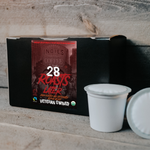
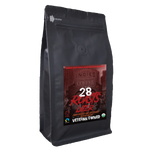
Then look at format. Whole bean is the best move if you own a grinder and care about flavor. Ground coffee is more convenient, but it gives up some freshness faster after opening. K-Cups make sense if speed matters most and you want clean, consistent convenience. Cold brew packs are perfect if you like low-acid, high-volume coffee with minimal effort. The best online coffee order is the one that matches your real life, not your fantasy kitchen.
If there’s one rule worth keeping, it’s this: roast freshness matters more than marketing poetry. Coffee is an agricultural product, not a decoration. Once it’s roasted, the clock starts moving.
When you shop online, look for signs that the company treats freshness like a priority. A clear roast date is a strong signal. So is language around roasting in smaller batches and shipping quickly. If a seller talks endlessly about heritage and flavor notes but says nothing about when the coffee was roasted, that should raise an eyebrow.
Fresh doesn’t always mean roasted yesterday. In many cases, coffee tastes best after a short rest period. But fresh should still mean recently roasted and shipped with purpose, not warehoused until someone finally buys it. That difference shows up in the cup.
A best-by date tells you almost nothing useful. It’s broad, safe, and designed for shelf life. A roast date tells you when the coffee actually began its flavor decline. If you care about quality, roast date wins every time.
This is one of the biggest advantages of buying online from a specialty-focused roaster instead of pulling a bag from a fluorescent grocery aisle. You can often get coffee that hasn’t spent months waiting for a buyer.
Roast level is where a lot of online coffee purchases go right or very wrong. Terms like breakfast blend, French roast, Italian roast, decaf, and extra-caffeine options are useful, but only if you understand what they usually signal.
A breakfast blend often aims for an easy-drinking, approachable cup. French roast leans darker, bolder, and more roasty. Italian roast usually pushes even further, with heavy body and a strong, classic profile. Decaf can still be flavorful when it’s done right, and high-caffeine coffees are for people who want their mug to hit with authority.
There’s no tough-guy prize for buying the darkest roast if you actually prefer a smoother medium. There’s also no badge for buying a light roast full of tasting-note jargon if you just want a powerful daily cup. Buy with honesty. Your coffee will improve overnight.
French press and drip can handle almost any roast, though dark and medium roasts tend to feel more familiar for daily drinkers. Espresso can be excellent across roast levels, but many people still prefer medium-dark to dark for that heavier, punchier profile. Cold brew often shines with medium or dark roasts because the result is rich and rounded.
This is where online coffee shopping gets practical. Don’t just ask what sounds impressive. Ask what will taste right through the machine sitting on your counter.
A strong product page should help you make a decision fast. You want roast level, tasting direction, format, and enough detail to know whether the coffee is built for you. If the page hides the basics behind branding fluff, move on.
Flavor descriptions should be clear. “Chocolatey and bold” tells a daily coffee drinker something useful. “A transcendent symphony of layered complexity” tells you someone got lost in their own copywriting. Great coffee doesn’t need corporate perfume language.
Reviews matter too, but read them like an adult. A complaint that a dark roast tasted smoky is not a warning - that’s the point. A review is only useful if you understand the reviewer’s expectations. Look for patterns instead: comments about freshness, consistency, shipping speed, and whether the flavor matched the description.
Cheap coffee often costs you twice - first at checkout, then again in disappointment. But expensive coffee is not automatically better either. The real question is whether the quality, freshness, and experience justify the price.
When buying online, think in terms of cost per great cup, not just cost per bag. A fresh, flavorful coffee you genuinely want to drink every morning is usually a better deal than a bargain bag that sits on the counter while you force your way through it.
Subscriptions can improve value if you already know what you like. They can also become a mild household annoyance if you’re still experimenting. If you’re new to a roaster, it may be smarter to place a one-time order first. Once you know the coffee fits your taste and routine, then a subscription starts earning its keep.
A lot of people act like whole bean is the only respectable option. That’s nonsense. The best coffee format is the one you’ll actually use.
If your mornings are fast and chaotic, K-Cups can be the right call. If you want fridge-ready coffee without extra gear, cold brew packs are hard to beat. If you’re buying for a household with mixed preferences, ordering multiple formats can save arguments and keep everybody caffeinated.
There’s no shame in choosing convenience, as long as the coffee inside still respects flavor. Good online coffee sellers understand that not every customer wants to weigh beans on a scale before sunrise.
Online coffee isn’t only a personal purchase. It’s also one of the easiest gifts to get right if the brand has a clear point of view. Coffee gift boxes work because they feel useful, personal, and a lot less forgettable than generic corporate gift junk.
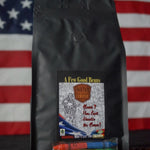
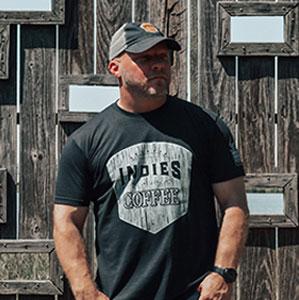
This is also where brand identity matters. Some people just want a neutral bag with minimalist design. Others want coffee that says something about who they are and what they stand behind. That’s not superficial - it’s how buying works. If a veteran-owned, independent, anti-corporate brand speaks your language, that can be part of the value. Indies Coffee plays directly in that lane, pairing fresh roast options with a no-apologies identity that feels more like choosing a side than choosing a commodity.
The biggest mistake is buying too much before you know you like it. Fresh coffee is better in a steady rhythm than in a giant stash. Another mistake is ignoring roast level and ordering based on hype. A third is choosing a format that doesn’t fit your equipment or patience.
People also overestimate how much experimentation they enjoy. Some drinkers love rotating origins and flavor profiles. Others want one dependable bag that shows up, tastes great, and gets the job done every single morning. Neither approach is better. But knowing which buyer you are makes ordering much easier.
Keep your first order simple. Pick the roast level closest to what you already know you enjoy. Choose the format that fits your brewer and your schedule. Check for roast-date transparency, clear tasting notes, and reviews that mention freshness and consistency. If the first bag lands well, then expand into subscriptions, gifts, decaf options, or high-caffeine choices.
Good coffee buying is not about becoming a hobbyist overnight. It’s about refusing stale, generic coffee and getting something with character, freshness, and a reason to exist. Buy like your morning matters, because it does.
Most people don’t realize how fast coffee goes from bold and alive to flat and forgettable. That’s why learning how to buy coffee online matters. You’re not just clicking Add to Cart - you’re choosing freshness, roast character, brewing fit, and whether your money goes to another faceless brand or to a company that actually gives a damn about what ends up in your mug.
Buying coffee online can be a smarter move than grabbing a random bag off a grocery shelf, but only if you know what to look for. Good packaging and loud claims mean nothing if the beans are stale, the roast is wrong for your taste, or the format doesn’t match how you actually brew coffee at home. The goal is simple: buy coffee that tastes the way you want, arrives fresh, and fits your routine without guesswork.
Start with your drinking habits, not the brand story. If you like strong, smoky coffee that holds up with cream, a dark roast is probably your lane. If you want more balance and a smoother everyday cup, medium roast usually makes more sense. If you chase brighter notes and more origin character, light roast is where the flavor gets more detailed.
This sounds obvious, but plenty of people buy coffee online based on cool packaging or trend language and end up with a bag that fights their taste buds every morning. Forget coffee-snob theater. Buy for the cup you actually want.
Then look at format. Whole bean is the best move if you own a grinder and care about flavor. Ground coffee is more convenient, but it gives up some freshness faster after opening. K-Cups make sense if speed matters most and you want clean, consistent convenience. Cold brew packs are perfect if you like low-acid, high-volume coffee with minimal effort. The best online coffee order is the one that matches your real life, not your fantasy kitchen.
If there’s one rule worth keeping, it’s this: roast freshness matters more than marketing poetry. Coffee is an agricultural product, not a decoration. Once it’s roasted, the clock starts moving.
When you shop online, look for signs that the company treats freshness like a priority. A clear roast date is a strong signal. So is language around roasting in smaller batches and shipping quickly. If a seller talks endlessly about heritage and flavor notes but says nothing about when the coffee was roasted, that should raise an eyebrow.
Fresh doesn’t always mean roasted yesterday. In many cases, coffee tastes best after a short rest period. But fresh should still mean recently roasted and shipped with purpose, not warehoused until someone finally buys it. That difference shows up in the cup.
A best-by date tells you almost nothing useful. It’s broad, safe, and designed for shelf life. A roast date tells you when the coffee actually began its flavor decline. If you care about quality, roast date wins every time.
This is one of the biggest advantages of buying online from a specialty-focused roaster instead of pulling a bag from a fluorescent grocery aisle. You can often get coffee that hasn’t spent months waiting for a buyer.
Roast level is where a lot of online coffee purchases go right or very wrong. Terms like breakfast blend, French roast, Italian roast, decaf, and extra-caffeine options are useful, but only if you understand what they usually signal.
A breakfast blend often aims for an easy-drinking, approachable cup. French roast leans darker, bolder, and more roasty. Italian roast usually pushes even further, with heavy body and a strong, classic profile. Decaf can still be flavorful when it’s done right, and high-caffeine coffees are for people who want their mug to hit with authority.
There’s no tough-guy prize for buying the darkest roast if you actually prefer a smoother medium. There’s also no badge for buying a light roast full of tasting-note jargon if you just want a powerful daily cup. Buy with honesty. Your coffee will improve overnight.
French press and drip can handle almost any roast, though dark and medium roasts tend to feel more familiar for daily drinkers. Espresso can be excellent across roast levels, but many people still prefer medium-dark to dark for that heavier, punchier profile. Cold brew often shines with medium or dark roasts because the result is rich and rounded.
This is where online coffee shopping gets practical. Don’t just ask what sounds impressive. Ask what will taste right through the machine sitting on your counter.
A strong product page should help you make a decision fast. You want roast level, tasting direction, format, and enough detail to know whether the coffee is built for you. If the page hides the basics behind branding fluff, move on.
Flavor descriptions should be clear. “Chocolatey and bold” tells a daily coffee drinker something useful. “A transcendent symphony of layered complexity” tells you someone got lost in their own copywriting. Great coffee doesn’t need corporate perfume language.
Reviews matter too, but read them like an adult. A complaint that a dark roast tasted smoky is not a warning - that’s the point. A review is only useful if you understand the reviewer’s expectations. Look for patterns instead: comments about freshness, consistency, shipping speed, and whether the flavor matched the description.
Cheap coffee often costs you twice - first at checkout, then again in disappointment. But expensive coffee is not automatically better either. The real question is whether the quality, freshness, and experience justify the price.
When buying online, think in terms of cost per great cup, not just cost per bag. A fresh, flavorful coffee you genuinely want to drink every morning is usually a better deal than a bargain bag that sits on the counter while you force your way through it.
Subscriptions can improve value if you already know what you like. They can also become a mild household annoyance if you’re still experimenting. If you’re new to a roaster, it may be smarter to place a one-time order first. Once you know the coffee fits your taste and routine, then a subscription starts earning its keep.
A lot of people act like whole bean is the only respectable option. That’s nonsense. The best coffee format is the one you’ll actually use.
If your mornings are fast and chaotic, K-Cups can be the right call. If you want fridge-ready coffee without extra gear, cold brew packs are hard to beat. If you’re buying for a household with mixed preferences, ordering multiple formats can save arguments and keep everybody caffeinated.
There’s no shame in choosing convenience, as long as the coffee inside still respects flavor. Good online coffee sellers understand that not every customer wants to weigh beans on a scale before sunrise.
Online coffee isn’t only a personal purchase. It’s also one of the easiest gifts to get right if the brand has a clear point of view. Coffee gift boxes work because they feel useful, personal, and a lot less forgettable than generic corporate gift junk.
This is also where brand identity matters. Some people just want a neutral bag with minimalist design. Others want coffee that says something about who they are and what they stand behind. That’s not superficial - it’s how buying works. If a veteran-owned, independent, anti-corporate brand speaks your language, that can be part of the value. Indies Coffee plays directly in that lane, pairing fresh roast options with a no-apologies identity that feels more like choosing a side than choosing a commodity.
The biggest mistake is buying too much before you know you like it. Fresh coffee is better in a steady rhythm than in a giant stash. Another mistake is ignoring roast level and ordering based on hype. A third is choosing a format that doesn’t fit your equipment or patience.
People also overestimate how much experimentation they enjoy. Some drinkers love rotating origins and flavor profiles. Others want one dependable bag that shows up, tastes great, and gets the job done every single morning. Neither approach is better. But knowing which buyer you are makes ordering much easier.
Keep your first order simple. Pick the roast level closest to what you already know you enjoy. Choose the format that fits your brewer and your schedule. Check for roast-date transparency, clear tasting notes, and reviews that mention freshness and consistency. If the first bag lands well, then expand into subscriptions, gifts, decaf options, or high-caffeine choices.
Good coffee buying is not about becoming a hobbyist overnight. It’s about refusing stale, generic coffee and getting something with character, freshness, and a reason to exist. Buy like your morning matters, because it does.