

0 item(s)
View cart
You have no items in your shopping cart.
A good morning coffee should not need a sales pitch, a syrup pump, or a gallon of cream to get your attention. This breakfast blend coffee review is for drinkers who want a cup that starts clean, tastes like actual coffee, and has enough character to pull its weight before the day starts firing rounds at them.
Breakfast blend is often treated as a safe, forgettable category. Grocery-store brands turned it into code for thin coffee in a beige bag. That is not what the category has to be. When it is roasted fresh and built with intention, a breakfast blend can be one of the most reliable coffees in the cabinet: bright enough to wake up the palate, balanced enough for a second cup, and versatile enough for the brewer you actually use on a Tuesday.
A breakfast blend is usually a light-to-medium roast designed for approachability. Rather than chasing the heavy smoke and bitter finish associated with dark roasts, it leans toward a cleaner body, lively acidity, and a crisp finish. Expect notes that may suggest citrus, toasted nuts, cocoa, or light caramel, depending on the beans and roast profile.
The point is balance, not blandness. A well-built blend has enough brightness to feel alert, enough sweetness to stay inviting, and enough body to avoid tasting watered down. You should be able to drink it black without feeling punished, then add a splash of milk without burying every bit of flavor.
That makes it a strong choice for households where coffee preferences are not identical. One person may want a clean black cup. Another may reach for cream. A competent breakfast blend gives both drinkers a solid starting line.
The biggest difference between a decent breakfast blend and a forgettable one is not the label design or the word "premium" stamped across the bag. It is freshness.
Coffee starts losing aromatic punch after roasting, especially once it is ground. Bags that sit for months in warehouse lighting or on a supermarket shelf can still produce caffeine, but caffeine is not flavor. The cup becomes flatter, duller, and more likely to need sugar just to feel complete.
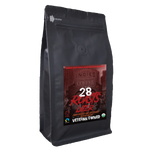
Freshly roasted organic beans bring the blend’s intended character forward. The aroma is clearer when you open the bag. The first sip has more definition. The finish does not hang around with that stale, papery bitterness that corporate coffee has trained too many people to accept.
This is where a direct-to-consumer roaster has an advantage. A brand such as Indies Coffee can focus on getting coffee from roast to cup with far less time spent waiting around in a distribution maze. For the person brewing at home, that translates into a cup that tastes like someone cared about the bean before it landed in your kitchen.
Freshness does have a practical requirement: buy a reasonable amount. If you drink one cup every few days, a massive bag is not automatically the best value. A smaller bag or a subscription cadence that matches your habits will usually give you better coffee over the entire month.
Some drinkers hear “breakfast blend” and assume low caffeine or weak flavor. Neither is guaranteed. Roast level affects the taste more than it determines the practical strength of your cup. Your dose, brew ratio, bean density, and brewing method all play a role.
A breakfast blend generally feels more energetic because its brighter flavors register quickly on the palate. That crisp first impression can make the coffee feel especially suited to early hours, even when its caffeine is broadly comparable to other regular coffees brewed at the same strength.
If you want a fuller, harder-hitting morning cup, use a slightly higher coffee-to-water ratio rather than over-extracting the grounds. Over-extraction is how a clean blend turns harsh. More coffee, a sensible grind, and fresh water will do more for strength than leaving the pot on a hot plate until it tastes like a bad decision.
Dark roast loyalists may still want something bolder. That is a fair trade-off. Breakfast blend is not trying to replace the charred edge, dense body, and deep roast flavor of a French or Italian roast. It is for the morning when clarity and balance beat brute force.
Breakfast blends earn their keep because they are adaptable. In a drip machine, they produce the classic everyday cup: balanced, clean, and easy to drink through a full mug. Use filtered water if your tap water has a strong mineral or chlorine taste. Good beans cannot outfight bad water.
In a pour-over, the brighter side of the blend becomes more obvious. You may notice more sweetness and a more defined finish, but the method demands attention and a consistent grind. It is excellent when you have a few extra minutes and pointless when you are late for work.
A French press creates a rounder, heavier cup because the metal filter allows more oils through. That can be a great fit if you like body but do not want a dark roast. Just avoid grinding too fine, since sediment will muddy the cup.
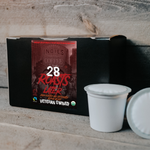
Single-serve brewers are the convenience play. Breakfast blend works especially well here because its balanced profile holds up in a quick extraction. The limitation is simple: a large cup button can make any pod coffee taste weak. Choose a smaller brew setting when you want more flavor, or use two pods for a travel mug instead of expecting one pod to carry an ocean of water.
Cold brew is less natural for this category, but not off-limits. The process softens acidity and emphasizes sweetness, which can make a breakfast blend surprisingly smooth. If you want the bright, lively qualities that define the roast, hot brewing will show them more clearly.
This is the coffee for people who want a dependable daily driver without settling for anonymous, over-roasted commodity beans. It suits black-coffee drinkers who enjoy a cleaner profile, office kitchens where several tastes need to coexist, and anyone moving away from flavored creamers because they want coffee to taste like coffee again.
It is also a smart gift choice. Dark roasts can be polarizing, and flavored coffees are highly personal. A fresh breakfast blend is broadly appealing without being boring. Give someone a bag that was roasted with purpose, and it says more than another generic gift basket ever will.
Skip it if your only goal is maximum roast intensity. Choose a dark roast or a highly caffeinated option if you want a heavier, more aggressive cup. But do not confuse aggressive with better. A coffee that tastes clear, sweet, and complete before 8 a.m. is doing exactly what it was built to do.
The best breakfast blend does not try to be the loudest coffee in the room. It earns a permanent spot in the rotation by being fresh, flavorful, and easy to brew the way you live. It has enough brightness to cut through a slow morning and enough balance to keep you coming back after the novelty wears off.
Start with whole beans when possible, grind just before brewing, and resist the corporate-coffee habit of treating bitterness as proof of strength. Your morning has enough compromises already. The coffee does not need to be one of them.
A good morning coffee should not need a sales pitch, a syrup pump, or a gallon of cream to get your attention. This breakfast blend coffee review is for drinkers who want a cup that starts clean, tastes like actual coffee, and has enough character to pull its weight before the day starts firing rounds at them.
Breakfast blend is often treated as a safe, forgettable category. Grocery-store brands turned it into code for thin coffee in a beige bag. That is not what the category has to be. When it is roasted fresh and built with intention, a breakfast blend can be one of the most reliable coffees in the cabinet: bright enough to wake up the palate, balanced enough for a second cup, and versatile enough for the brewer you actually use on a Tuesday.
A breakfast blend is usually a light-to-medium roast designed for approachability. Rather than chasing the heavy smoke and bitter finish associated with dark roasts, it leans toward a cleaner body, lively acidity, and a crisp finish. Expect notes that may suggest citrus, toasted nuts, cocoa, or light caramel, depending on the beans and roast profile.
The point is balance, not blandness. A well-built blend has enough brightness to feel alert, enough sweetness to stay inviting, and enough body to avoid tasting watered down. You should be able to drink it black without feeling punished, then add a splash of milk without burying every bit of flavor.
That makes it a strong choice for households where coffee preferences are not identical. One person may want a clean black cup. Another may reach for cream. A competent breakfast blend gives both drinkers a solid starting line.
The biggest difference between a decent breakfast blend and a forgettable one is not the label design or the word "premium" stamped across the bag. It is freshness.
Coffee starts losing aromatic punch after roasting, especially once it is ground. Bags that sit for months in warehouse lighting or on a supermarket shelf can still produce caffeine, but caffeine is not flavor. The cup becomes flatter, duller, and more likely to need sugar just to feel complete.
Freshly roasted organic beans bring the blend’s intended character forward. The aroma is clearer when you open the bag. The first sip has more definition. The finish does not hang around with that stale, papery bitterness that corporate coffee has trained too many people to accept.
This is where a direct-to-consumer roaster has an advantage. A brand such as Indies Coffee can focus on getting coffee from roast to cup with far less time spent waiting around in a distribution maze. For the person brewing at home, that translates into a cup that tastes like someone cared about the bean before it landed in your kitchen.
Freshness does have a practical requirement: buy a reasonable amount. If you drink one cup every few days, a massive bag is not automatically the best value. A smaller bag or a subscription cadence that matches your habits will usually give you better coffee over the entire month.
Some drinkers hear “breakfast blend” and assume low caffeine or weak flavor. Neither is guaranteed. Roast level affects the taste more than it determines the practical strength of your cup. Your dose, brew ratio, bean density, and brewing method all play a role.
A breakfast blend generally feels more energetic because its brighter flavors register quickly on the palate. That crisp first impression can make the coffee feel especially suited to early hours, even when its caffeine is broadly comparable to other regular coffees brewed at the same strength.
If you want a fuller, harder-hitting morning cup, use a slightly higher coffee-to-water ratio rather than over-extracting the grounds. Over-extraction is how a clean blend turns harsh. More coffee, a sensible grind, and fresh water will do more for strength than leaving the pot on a hot plate until it tastes like a bad decision.
Dark roast loyalists may still want something bolder. That is a fair trade-off. Breakfast blend is not trying to replace the charred edge, dense body, and deep roast flavor of a French or Italian roast. It is for the morning when clarity and balance beat brute force.
Breakfast blends earn their keep because they are adaptable. In a drip machine, they produce the classic everyday cup: balanced, clean, and easy to drink through a full mug. Use filtered water if your tap water has a strong mineral or chlorine taste. Good beans cannot outfight bad water.
In a pour-over, the brighter side of the blend becomes more obvious. You may notice more sweetness and a more defined finish, but the method demands attention and a consistent grind. It is excellent when you have a few extra minutes and pointless when you are late for work.
A French press creates a rounder, heavier cup because the metal filter allows more oils through. That can be a great fit if you like body but do not want a dark roast. Just avoid grinding too fine, since sediment will muddy the cup.
Single-serve brewers are the convenience play. Breakfast blend works especially well here because its balanced profile holds up in a quick extraction. The limitation is simple: a large cup button can make any pod coffee taste weak. Choose a smaller brew setting when you want more flavor, or use two pods for a travel mug instead of expecting one pod to carry an ocean of water.
Cold brew is less natural for this category, but not off-limits. The process softens acidity and emphasizes sweetness, which can make a breakfast blend surprisingly smooth. If you want the bright, lively qualities that define the roast, hot brewing will show them more clearly.
This is the coffee for people who want a dependable daily driver without settling for anonymous, over-roasted commodity beans. It suits black-coffee drinkers who enjoy a cleaner profile, office kitchens where several tastes need to coexist, and anyone moving away from flavored creamers because they want coffee to taste like coffee again.
It is also a smart gift choice. Dark roasts can be polarizing, and flavored coffees are highly personal. A fresh breakfast blend is broadly appealing without being boring. Give someone a bag that was roasted with purpose, and it says more than another generic gift basket ever will.
Skip it if your only goal is maximum roast intensity. Choose a dark roast or a highly caffeinated option if you want a heavier, more aggressive cup. But do not confuse aggressive with better. A coffee that tastes clear, sweet, and complete before 8 a.m. is doing exactly what it was built to do.
The best breakfast blend does not try to be the loudest coffee in the room. It earns a permanent spot in the rotation by being fresh, flavorful, and easy to brew the way you live. It has enough brightness to cut through a slow morning and enough balance to keep you coming back after the novelty wears off.
Start with whole beans when possible, grind just before brewing, and resist the corporate-coffee habit of treating bitterness as proof of strength. Your morning has enough compromises already. The coffee does not need to be one of them.