
0 item(s)
View cart
You have no items in your shopping cart.
That flat, bitter cup you keep reheating is not a personal failure. It is usually a freshness problem. Switching from grocery coffee results in changes you can smell before the first sip: a fuller aroma, clearer flavor, and a finish that does not need a flood of creamer to be tolerable.
For plenty of coffee drinkers, the first fresh bag feels almost suspicious. Coffee can taste like chocolate, toasted nuts, fruit, spice, or caramel without being flavored. It can be strong without tasting scorched. That is what happens when the bean has not spent months sitting in a warehouse, on a truck, under fluorescent lights, and then in your cabinet.
Coffee is an agricultural product, not shelf decor. Roasting creates the gases and aromatic compounds that make coffee smell incredible. From that moment forward, oxygen, heat, light, and time begin pulling those qualities apart. Whole beans hold on longer than pre-ground coffee, but neither is built to stay at peak flavor indefinitely.
Mass-market coffee has a different mission from fresh specialty coffee. It needs to survive a huge distribution chain and taste roughly the same from one store to the next. That often means roasting darker to create a familiar, uniform profile and packaging for longevity rather than putting roast-date urgency first.
Dark coffee is not automatically bad coffee. A well-made French roast or Italian roast can be smoky, heavy, and satisfying. The problem is when darkness becomes camouflage - a way to bury stale, low-grade, or inconsistent character beneath a blanket of roast flavor. If every bag tastes burnt, the bean itself never gets a chance to speak.
Ground coffee takes the hit even faster. Grinding creates vastly more surface area for oxygen to attack. The fragrance that should rise from your mug starts leaving the coffee long before you open the bag. That is why a canister may smell bold yet brew a cup that feels hollow, harsh, or weirdly papery.
The most immediate result is aroma. Freshly roasted beans announce themselves when you open the bag, and the smell continues through grinding and brewing. This is not just a nice bonus. Aroma does a major share of the flavor work, which is why fresher coffee can seem more vivid before it even reaches your tongue.
Then comes definition. Instead of one blunt note - bitter - you may notice a structure to the cup. A medium roast can bring cocoa and roasted almond character with a gentle sweetness. A lighter roast may show more brightness and fruit. A darker roast can deliver the deep, low-end punch dark-roast loyalists want without turning every sip into an ashtray impression.
The finish is another giveaway. Old coffee tends to linger in the wrong way: dry, sour, burnt, or dull. Fresh coffee leaves a cleaner aftertaste, even when the roast is bold. You may still prefer milk, sugar, or flavored creamer, and there is nothing wrong with that. The difference is that you are adding to a solid cup instead of mounting a rescue mission.
The first week can also reveal a useful truth: stronger does not always mean more caffeine. Roast level affects flavor far more than caffeine in the way most people assume. If you want a serious jolt, choose a coffee specifically made for higher caffeine or simply adjust your coffee-to-water ratio. Do not scorch your brew trying to turn it into fuel.
Great beans cannot fully overcome a dirty machine, bad water, or a brew ratio that is wildly off. The good news is you do not need a lab coat or a $900 grinder to make a serious improvement. Start with clean equipment, filtered water if your tap water tastes heavily treated, and coffee that was roasted recently.
If you buy whole bean coffee, grind only what you need right before brewing. This is one of the clearest upgrades available to any home brewer. A basic burr grinder will usually give you more even particles than a blade grinder, which helps water extract flavor more consistently. But if your only option is pre-ground coffee, buy a smaller bag more often and keep it sealed tight.
A simple starting point for drip coffee is about two tablespoons of ground coffee per six ounces of water, then adjust based on taste. If the coffee tastes thin or sharp, use a little more coffee or grind slightly finer. If it tastes bitter, dry, or overly heavy, use a little less coffee or grind a bit coarser. Change one variable at a time so you know what actually fixed the cup.
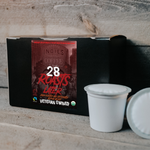
K-Cup drinkers can still expect better flavor when the coffee inside is fresh and thoughtfully roasted. Convenience is not the enemy. Stale convenience is. The same goes for cold brew packs: a smooth cold brew needs coffee with enough character to hold up to a long extraction and ice, not anonymous grounds that disappear under milk.
Do not buy a light roast because somebody on the internet said it is sophisticated. Do not buy a black-as-midnight roast because you think pain is proof of quality. Pick the profile you will reach for before work, after a bad night of sleep, or when the house is loud and the day is already demanding attention.
A light roast is a strong choice if you enjoy lively acidity, crisp fruit notes, and a coffee that tastes more like the bean's origin. It can be excellent for pour-over brewing, though a good light roast can work in a drip machine too. It asks you to pay attention, which is either a feature or a dealbreaker depending on your morning.
Medium roasts are the reliable middle ground. They tend to balance sweetness, body, and brightness, making them easy to enjoy black or with a splash of cream. This is often the easiest landing spot for someone leaving grocery-store coffee behind because it is familiar without being flat.
Dark roasts bring weight, intensity, and the kind of heavy flavor that stands up to cream, sugar, and a no-nonsense commute. They are also a natural fit for espresso-style drinks, French press brewing, and anyone who wants their coffee to arrive with authority. A good dark roast should taste deliberate, not destroyed.
Decaf deserves better than the sad corner of the coffee aisle, too. When it is fresh and carefully roasted, decaf can have body, aroma, and genuine flavor. It is for people who want another cup without turning 9 p.m. into a staring contest with the ceiling.
Fresh coffee is not magic, and switching will not erase every issue in your routine. If your brewer runs too cool, your water tastes like a swimming pool, or your machine has not been cleaned since the last administration, the cup will still suffer. Freshness gives you a better starting position. It does not repeal physics.
There can also be an adjustment period. If you are used to ultra-dark grocery coffee, a balanced medium roast may initially taste lighter than expected. That does not mean it lacks strength. Give your palate a few mornings to recalibrate, especially if your old routine depended on lots of flavored creamer.
Price is a real trade-off. Fresh, organic specialty coffee can cost more than a giant sale-bin tub, particularly on a per-pound basis. But the comparison is not always as dramatic as it looks. Better coffee often means you use your brew more intentionally, waste fewer disappointing cups, and stop buying emergency coffee out because the pot at home let you down again.
A subscription can make that equation easier if you drink coffee consistently. It keeps the supply moving without adding another errand, but only if the delivery cadence fits your household. One person with a single morning cup needs a different schedule than a family running a full pot every day. Convenience should serve your routine, not stockpile coffee until it goes stale.
Start with a roast that matches your current preference, not a flavor profile you think you should prefer. If you usually buy bold diner coffee, choose a fresh dark roast. If you want an everyday crowd-pleaser, go medium. Order enough for a couple of weeks, not enough to survive a natural disaster.
Store the coffee in its sealed bag or an airtight container in a cool cabinet. Skip the refrigerator and freezer for the bag you are actively using. Repeated temperature swings can create condensation, and moisture is not doing your beans any favors. Keep it away from the stove, sunlight, and that cabinet that turns into a sauna every time you cook.
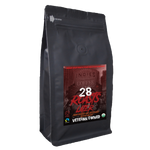
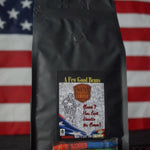
Indies Coffee is built for drinkers who are done settling for corporate coffee that treats freshness like an optional feature. Choose whole beans, K-Cups, or cold brew packs based on how you actually brew, then give yourself a few cups to learn what good coffee tastes like in your own kitchen.
Your next bag does not need to be complicated. It just needs to be fresher, suited to your taste, and brewed with enough respect to let the bean do its job. Make tomorrow's first cup a better one, and let the grocery aisle keep its stale compromises.