
0 item(s)
View cart
You have no items in your shopping cart.
The best subscription coffee comparison does not start with a flashy welcome discount or a box covered in trendy tasting notes. It starts with one question: will this coffee still taste alive when it reaches your kitchen? For people who drink coffee every day, freshness, flavor, and control matter more than marketing theater.
A subscription should make your morning easier without turning your coffee into another autopilot purchase from a giant corporation. The right service puts freshly roasted coffee on your schedule, gives you a roast you actually want to drink, and lets you adjust before your cabinet turns into a graveyard of forgotten bags.
At its best, a coffee subscription is a standing order for better mornings. You choose the format, roast profile, amount, and delivery timing. The roaster handles the repeat order, so you do not have to make an emergency grocery-store run for stale beans when the last scoop is gone.
That convenience is real, but it is not the only reason to subscribe. Coffee starts losing its edge after roasting. The exact pace depends on packaging, storage, roast level, and the coffee itself, but the point is simple: a bag sitting under fluorescent grocery-store lights for who knows how long is not competing on equal ground with coffee roasted for direct delivery.
A good subscription creates a tighter path from roaster to cup. That means clearer aroma, more defined flavor, and a cup that tastes like the bean was meant to taste - not like it has spent months waiting for a barcode scan.
Most services promise quality. The useful distinction is how they deliver it. Compare subscriptions on the parts that affect your cup and your routine, not just the first-order price.
Look for a company that treats roast date as part of the product, not a detail to hide. Fresh coffee should arrive with enough time for the beans to settle while still giving you a full window of peak flavor. Coffee that lands at your door days or weeks after roasting is a different experience from coffee that has been warehoused for months.
Delivery frequency should match your actual consumption. A household using one 12-ounce bag every two weeks has different needs than an office, a family of espresso drinkers, or someone who only brews on weekends. The strongest subscriptions let you select a practical cadence and change it when life changes.
If a service locks you into a rigid schedule, it is working for its inventory more than your coffee habit. Flexibility matters because nobody needs a fresh shipment arriving when three unopened bags are already staring back from the pantry.
A long catalog is not automatically a better catalog. What matters is whether the choices are clear enough to help you buy with confidence. You should be able to find a light, medium, or dark roast without decoding a paragraph of vague lifestyle copy.
Light roasts tend to preserve more of a coffee's origin character. They can show citrus, fruit, floral notes, or a clean sweetness, especially when brewed carefully. Medium roasts sit in the middle, balancing origin flavor with more caramelized body and familiar comfort. Dark roasts bring deeper roast character, heavier body, and the bold, smoky edge many daily drinkers want.
There is no patriotic duty to pretend you love bright, delicate coffee if what you want is a dark, commanding cup that stands up to cream. Choose the roast that earns a second pour. A worthwhile subscription also makes room for decaf, flavored coffee, high-caffeine options, and seasonal rotations without forcing every customer into a single narrow definition of specialty coffee.
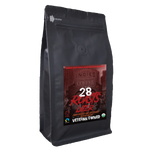
Whole bean is usually the strongest choice for flavor control, especially if you own a grinder. Grinding right before brewing protects aromatics and gives you the ability to match the grind to your brewer. Pre-ground coffee is the better call when speed matters most or when a grinder is not part of the setup.
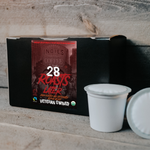
K-Cups solve a different problem: fast, consistent single-serve coffee with minimal cleanup. The trade-off is less control over strength and extraction than you get from whole-bean brewing. Cold brew packs offer another lane entirely, making it easy to prepare a smooth, low-acid batch for the fridge without measuring loose grounds.
Do not compare formats as if they are interchangeable. Compare them against your weekday reality. The best coffee is the coffee you can make well before the day starts asking for everything you have.
Coffee subscriptions often use discounts to get attention. That is fine. A good deal is a good deal. But calculate the normal price per bag, cup, or pod before deciding whether the subscription is right for the long haul.
Also consider shipping thresholds, bag size, and how much coffee you waste when a delivery schedule is wrong. The cheapest bag on paper is not cheap if it arrives stale, sits untouched, or tastes so flat that you head to a drive-thru anyway.
Premium coffee costs more than commodity coffee for reasons that can include better sourcing, smaller roasting batches, packaging, and direct fulfillment. The question is whether you can taste the difference and whether the service makes that difference reliable. Value is not a fancy label. It is the combination of quality, freshness, and a price you will not resent when the initial promotion ends.
The practical way to choose a subscription is to begin with your own coffee profile. If you want a bright pour-over and enjoy dialing in a grinder, seek fresh whole beans and enough roast detail to guide your brewing. If you want a dependable workhorse for a drip machine, a medium or dark roast delivered on a repeat schedule may be all you need.
Dark roast loyalists should pay close attention to whether a roaster treats dark coffee as an afterthought. A properly developed French or Italian roast can be rich, intense, and satisfying without tasting burned. It should have enough body to hold its ground with milk, yet enough clarity to avoid becoming a bitter punishment.
For high-caffeine drinkers, the target is not merely a louder label. Find coffee that delivers the kick you want while remaining drinkable. For decaf drinkers, do not accept flavor exile. A decaf subscription should offer the same care, roast clarity, and freshness expected from regular coffee.
Gift buyers have another job entirely. The best subscription gift feels personal, not generic. It should offer a clear choice between approachable everyday roasts, bold dark options, convenient single-serve formats, or a curated box that carries some actual attitude.
Mass-market coffee wins on shelf space and familiarity. It can be easy to grab, easy to recognize, and easy to forget. The problem is that scale often puts distance between roasting and drinking. You may get a consistent product, but consistency is not the same as character.
A smaller direct-to-consumer roaster has the chance to move faster, roast with more intention, and speak plainly about what is in the bag. It can also build a relationship beyond the transaction. That matters to buyers who would rather support an independent, veteran-owned business with a point of view than feed another faceless corporate machine.
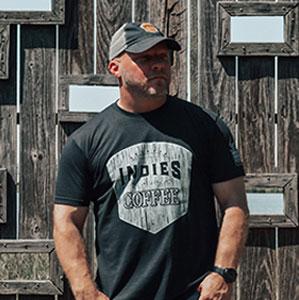
Indies Coffee is built for that customer: someone who wants organic coffee with a real roast profile, fresh delivery options, and a brand that does not whisper its values. Still, a strong brand identity should never replace a strong cup. The coffee has to show up, brew cleanly, and make you want tomorrow's first sip before today's is finished.
Treat the first month as a field test. Start with one roast you know you enjoy rather than chasing a mystery assortment. Brew it using your usual method for several days, and pay attention to more than the first exciting cup. Does it stay satisfying? Does it work black? Does it hold up with cream? Is the bag empty before the next shipment arrives?
Then make one adjustment at a time. Change the delivery frequency, try a different roast level, or switch from ground coffee to whole bean. Changing everything at once makes it harder to know what improved the experience.
Keep a simple mental scorecard: freshness, flavor, convenience, cost, and whether the company makes it easy to skip, pause, or update an order. A subscription is supposed to reduce friction, not create a customer-service mission every time your travel plans change.
The right coffee subscription should feel less like surrendering to an algorithm and more like having a trusted roaster on your side. Pick the roast that fits your taste, set a schedule that reflects your life, and refuse to settle for coffee that has been sitting around longer than it deserves.
The best subscription coffee comparison does not start with a flashy welcome discount or a box covered in trendy tasting notes. It starts with one question: will this coffee still taste alive when it reaches your kitchen? For people who drink coffee every day, freshness, flavor, and control matter more than marketing theater.
A subscription should make your morning easier without turning your coffee into another autopilot purchase from a giant corporation. The right service puts freshly roasted coffee on your schedule, gives you a roast you actually want to drink, and lets you adjust before your cabinet turns into a graveyard of forgotten bags.
At its best, a coffee subscription is a standing order for better mornings. You choose the format, roast profile, amount, and delivery timing. The roaster handles the repeat order, so you do not have to make an emergency grocery-store run for stale beans when the last scoop is gone.
That convenience is real, but it is not the only reason to subscribe. Coffee starts losing its edge after roasting. The exact pace depends on packaging, storage, roast level, and the coffee itself, but the point is simple: a bag sitting under fluorescent grocery-store lights for who knows how long is not competing on equal ground with coffee roasted for direct delivery.
A good subscription creates a tighter path from roaster to cup. That means clearer aroma, more defined flavor, and a cup that tastes like the bean was meant to taste - not like it has spent months waiting for a barcode scan.
Most services promise quality. The useful distinction is how they deliver it. Compare subscriptions on the parts that affect your cup and your routine, not just the first-order price.
Look for a company that treats roast date as part of the product, not a detail to hide. Fresh coffee should arrive with enough time for the beans to settle while still giving you a full window of peak flavor. Coffee that lands at your door days or weeks after roasting is a different experience from coffee that has been warehoused for months.
Delivery frequency should match your actual consumption. A household using one 12-ounce bag every two weeks has different needs than an office, a family of espresso drinkers, or someone who only brews on weekends. The strongest subscriptions let you select a practical cadence and change it when life changes.
If a service locks you into a rigid schedule, it is working for its inventory more than your coffee habit. Flexibility matters because nobody needs a fresh shipment arriving when three unopened bags are already staring back from the pantry.
A long catalog is not automatically a better catalog. What matters is whether the choices are clear enough to help you buy with confidence. You should be able to find a light, medium, or dark roast without decoding a paragraph of vague lifestyle copy.
Light roasts tend to preserve more of a coffee's origin character. They can show citrus, fruit, floral notes, or a clean sweetness, especially when brewed carefully. Medium roasts sit in the middle, balancing origin flavor with more caramelized body and familiar comfort. Dark roasts bring deeper roast character, heavier body, and the bold, smoky edge many daily drinkers want.
There is no patriotic duty to pretend you love bright, delicate coffee if what you want is a dark, commanding cup that stands up to cream. Choose the roast that earns a second pour. A worthwhile subscription also makes room for decaf, flavored coffee, high-caffeine options, and seasonal rotations without forcing every customer into a single narrow definition of specialty coffee.
Whole bean is usually the strongest choice for flavor control, especially if you own a grinder. Grinding right before brewing protects aromatics and gives you the ability to match the grind to your brewer. Pre-ground coffee is the better call when speed matters most or when a grinder is not part of the setup.
K-Cups solve a different problem: fast, consistent single-serve coffee with minimal cleanup. The trade-off is less control over strength and extraction than you get from whole-bean brewing. Cold brew packs offer another lane entirely, making it easy to prepare a smooth, low-acid batch for the fridge without measuring loose grounds.
Do not compare formats as if they are interchangeable. Compare them against your weekday reality. The best coffee is the coffee you can make well before the day starts asking for everything you have.
Coffee subscriptions often use discounts to get attention. That is fine. A good deal is a good deal. But calculate the normal price per bag, cup, or pod before deciding whether the subscription is right for the long haul.
Also consider shipping thresholds, bag size, and how much coffee you waste when a delivery schedule is wrong. The cheapest bag on paper is not cheap if it arrives stale, sits untouched, or tastes so flat that you head to a drive-thru anyway.
Premium coffee costs more than commodity coffee for reasons that can include better sourcing, smaller roasting batches, packaging, and direct fulfillment. The question is whether you can taste the difference and whether the service makes that difference reliable. Value is not a fancy label. It is the combination of quality, freshness, and a price you will not resent when the initial promotion ends.
The practical way to choose a subscription is to begin with your own coffee profile. If you want a bright pour-over and enjoy dialing in a grinder, seek fresh whole beans and enough roast detail to guide your brewing. If you want a dependable workhorse for a drip machine, a medium or dark roast delivered on a repeat schedule may be all you need.
Dark roast loyalists should pay close attention to whether a roaster treats dark coffee as an afterthought. A properly developed French or Italian roast can be rich, intense, and satisfying without tasting burned. It should have enough body to hold its ground with milk, yet enough clarity to avoid becoming a bitter punishment.
For high-caffeine drinkers, the target is not merely a louder label. Find coffee that delivers the kick you want while remaining drinkable. For decaf drinkers, do not accept flavor exile. A decaf subscription should offer the same care, roast clarity, and freshness expected from regular coffee.
Gift buyers have another job entirely. The best subscription gift feels personal, not generic. It should offer a clear choice between approachable everyday roasts, bold dark options, convenient single-serve formats, or a curated box that carries some actual attitude.
Mass-market coffee wins on shelf space and familiarity. It can be easy to grab, easy to recognize, and easy to forget. The problem is that scale often puts distance between roasting and drinking. You may get a consistent product, but consistency is not the same as character.
A smaller direct-to-consumer roaster has the chance to move faster, roast with more intention, and speak plainly about what is in the bag. It can also build a relationship beyond the transaction. That matters to buyers who would rather support an independent, veteran-owned business with a point of view than feed another faceless corporate machine.
Indies Coffee is built for that customer: someone who wants organic coffee with a real roast profile, fresh delivery options, and a brand that does not whisper its values. Still, a strong brand identity should never replace a strong cup. The coffee has to show up, brew cleanly, and make you want tomorrow's first sip before today's is finished.
Treat the first month as a field test. Start with one roast you know you enjoy rather than chasing a mystery assortment. Brew it using your usual method for several days, and pay attention to more than the first exciting cup. Does it stay satisfying? Does it work black? Does it hold up with cream? Is the bag empty before the next shipment arrives?
Then make one adjustment at a time. Change the delivery frequency, try a different roast level, or switch from ground coffee to whole bean. Changing everything at once makes it harder to know what improved the experience.
Keep a simple mental scorecard: freshness, flavor, convenience, cost, and whether the company makes it easy to skip, pause, or update an order. A subscription is supposed to reduce friction, not create a customer-service mission every time your travel plans change.
The right coffee subscription should feel less like surrendering to an algorithm and more like having a trusted roaster on your side. Pick the roast that fits your taste, set a schedule that reflects your life, and refuse to settle for coffee that has been sitting around longer than it deserves.