
0 item(s)
View cart
You have no items in your shopping cart.
A coffee sampler should do more than fill a cabinet with random bags and clever labels. This coffee sampler review is about finding the roast that earns a permanent spot in your morning routine - the one with real flavor, fresh-roasted character, and enough backbone to make grocery-store coffee feel like a bad decision.
The best sampler is not necessarily the one with the most coffees. It is the one that gives you a clear read on what you actually like: brighter light roast flavor, a balanced medium roast, dark-roast smoke and chocolate notes, or a high-caffeine option that means business. If every bag tastes flat, stale, or interchangeable, the sampler has failed its mission.
A sampler is a test flight, not a novelty pack. It should help you compare coffees brewed the same way, at the same time of day, without letting marketing language make the decision for you. That is especially useful for drinkers moving away from anonymous corporate blends, where roast date and origin often matter less than shelf life.
Freshness is the first standard. Coffee has a short window where its aroma and flavor are at full strength. Freshly roasted beans release more of the character developed during roasting, whether that means caramel sweetness in a medium roast or a deep, heavy finish in a French or Italian-style dark roast. A sampler gives you the chance to notice that difference side by side.
Variety matters, but it needs a purpose. A good lineup moves across roast levels or flavor profiles so each coffee has a job. Three nearly identical medium-dark blends may be fine if you already know that is your lane, but they are not much of a discovery experience. For a first sampler, contrast is your friend.
Start by brewing each coffee black at least once. That is not coffee snob theater. Cream, sugar, syrups, and oat milk can all be great, but they can cover the details you are trying to evaluate. Take a few sips before adding anything. You are looking for balance, aroma, body, finish, and whether the flavor stays interesting after the first hot mouthful.
Light roast coffee gets unfairly dismissed by people who confuse color with strength. A well-roasted light coffee can be lively, fragrant, and packed with flavor. Expect brighter acidity, fruit or citrus notes, floral aromas, and a cleaner finish. It is usually a strong choice for pour-over, drip brewers, and anyone who wants to taste more of the bean itself.
The trade-off is simple: if you want a smoky, heavy, diner-style cup, light roast may feel too sharp or delicate. It can also punish sloppy brewing. Water that is too hot, a grind that is too fine, or an overlong brew can turn its brightness into bitterness.
Medium roast is where a lot of daily drinkers find their footing. It tends to bring a reliable middle ground - enough roast development for sweetness and body, while holding on to distinct flavor from the bean. Think chocolate, toasted nuts, brown sugar, balanced fruit, or a smooth finish that does not demand a full tasting ritual at 6 a.m.
This is usually the safest first bag in a sampler because it performs well in most brewers. Drip machines, French presses, single-serve brewers, and espresso-capable setups can all produce a satisfying cup. If your household has different coffee preferences, medium roast is often the common ground.
Dark roast should taste intentional, not scorched. The good version brings depth: dark chocolate, roasted nuts, spice, molasses, a thick body, and a finish that hangs around. It is built for drinkers who want coffee to arrive with some authority, whether it is brewed as a French press, pulled as espresso, or poured over ice.
There is a line between bold and burned. If a dark roast offers nothing but ash, char, and bitterness, that is not strength. It is poor roasting hiding behind a tough-guy label. A worthwhile dark roast still has structure, a little sweetness, and enough complexity to keep the cup from becoming one-note.
A sampler is also a smart place to test the coffees that solve a specific problem. Decaf is worth trying if you love the ritual of an after-dinner cup but do not want caffeine wrecking your sleep. The standard is not whether it tastes exactly like your strongest morning coffee. The standard is whether it tastes like good coffee, full stop.
High-caffeine coffee is for mornings when ordinary motivation is not on the roster. It should still taste good. Extra caffeine does not excuse harshness, and it should not be your only selection if you enjoy variety. Think of it as a mission-specific roast: useful when needed, not a substitute for flavor.
You do not need a cupping lab, a clipboard, or a vocabulary full of obscure fruit references. Keep the process simple. Brew each sample using the same method, the same water, and roughly the same coffee-to-water ratio. If you switch from a French press to a single-serve machine to a cold brew pitcher, you are evaluating the equipment as much as the coffee.
Try no more than two coffees in one session. Your palate gets fatigued faster than most people expect, particularly with darker roasts. Take a sip while the coffee is hot, then again as it cools. Some cups open up with sweetness and clarity as the temperature drops. Others fall apart and reveal a bitter, hollow finish.
Make quick notes using plain language. Was it smooth? Rich? Too acidic? Too thin? Did you want another cup, or did you immediately reach for cream to rescue it? The answer does not need to sound impressive. It needs to help you reorder with confidence.
If you use milk, test for that too. A coffee that shines black might get lost in a large latte, while a bolder roast may cut through cream beautifully. Cold brew drinkers should judge separately, because cold extraction usually softens acidity and changes how sweetness and roast notes show up.
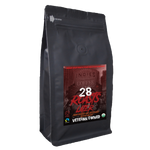
Coffee bags can look tactical, minimalist, rustic, or expensive. None of that puts flavor in the cup. Look for coffee that is roasted with care and delivered close enough to roasting that it still has something to say. Whole beans generally offer the best control because you can grind them right before brewing, but ground coffee can still be the right call when speed matters.
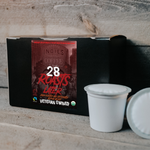
Convenience does not make you less serious about coffee. K-Cups are practical for rushed weekdays, and cold brew packs make sense when the weather is hot or the morning is already moving too fast. The key is choosing options made with coffee worth brewing, not settling for bland pods because the machine is convenient.
Indies Coffee makes the case for samplers especially well because its range gives drinkers practical routes through light, medium, dark, decaf, and higher-caffeine territory without asking them to pledge loyalty to one generic house blend. That is the point: taste first, then commit to the coffee that fits your life.
A sampler is an easy win for new specialty-coffee buyers, but it is not only for beginners. It is useful when your regular roast starts feeling predictable, when you are choosing coffee for a household with competing preferences, or when you want to give a gift that feels more personal than another mug.
It is also a smarter purchase than buying a full-size bag based on a name alone. “Breakfast blend” can mean bright and easygoing, balanced and nutty, or simply weak, depending on who roasted it. “French roast” can be deep and satisfying or burned beyond recognition. A sampler lets the cup settle the argument.
The one situation where a sampler may not be the best buy is when you already know exactly what you want and drink it every day. If you have found a dark roast that reliably delivers the flavor you want, ordering a larger bag or setting up a recurring shipment usually makes more sense. Variety is valuable, but so is having your favorite coffee waiting when the alarm goes off.
Pick a sampler with distinct roast profiles, brew it with a little discipline, and trust your own taste over the noise. Your daily coffee does not need corporate approval - it just needs to taste like it was roasted for people who expect more from the first cup.