
0 item(s)
View cart
You have no items in your shopping cart.
The alarm is not the problem. The problem is the first cup that tastes like burnt water and still leaves you hunting for a second one 30 minutes later. This high caffeine coffee review is for drinkers who want a cup that shows up with real flavor, real roast character, and enough horsepower to handle an early shift, a hard workout, or a packed day.
High-caffeine coffee has become its own category because regular coffee does not hit the same for everyone. But more caffeine alone is not a victory. If the coffee tastes thin, stale, bitter, or aggressively charred, it is still bad coffee with a bigger number on the label. The right option should bring intensity without making you regret the mission halfway through the mug.
Most high-caffeine coffee marketing focuses on one thing: how much caffeine it can pack into a serving. That matters, but it is only part of the picture. Coffee is not an energy drink in a tactical-looking bag. The beans, roast, brewing method, freshness, and your personal caffeine tolerance all determine whether that extra kick is worth buying again.
A useful review starts with flavor. Strong coffee should not mean flavorless coffee. Look for a cup with a clear foundation - cocoa, toasted nuts, dark caramel, spice, or a clean roast-forward finish, depending on the blend. A dark roast can feel bolder and more familiar, while a medium roast may preserve more origin character and brightness. Neither is automatically better. The better choice is the one you will actually want to drink before the caffeine has a chance to do its job.
Freshness is the next test. Coffee loses aromatic punch after roasting, and old beans cannot be rescued by an oversized caffeine claim. Freshly roasted organic beans brewed soon after delivery tend to produce a fuller aroma and more defined flavor than the dusty, months-old bags that sit under fluorescent grocery store lights. Corporate coffee has trained plenty of people to accept stale as normal. It is not.
Finally, judge the coffee by how it feels. A strong cup should give you alertness and focus, not turn your hands into a drum solo or leave you crashing before lunch. That line is personal. A 6-foot, 220-pound construction worker with a long-standing coffee habit may respond differently than someone who usually drinks one small cup after breakfast.
The best high-caffeine coffees do not hide behind shock-value names or caffeine claims. They earn a place in the cabinet because the cup is satisfying. You should smell roasted sweetness when you open the bag, notice body on the palate, and finish the cup without needing syrup to cover the rough edges.
That is where roast choice matters. Darker high-caffeine blends often appeal to drinkers who want a heavy, low-acid profile that holds up to cream, milk, or a little sugar. They can be excellent for a dawn patrol cup or a travel mug that will be sipped over an hour. The trade-off is that an overly dark roast can flatten the bean’s natural character and introduce an ashy bitterness.
Medium-roast high-caffeine coffee can be the better call if you drink it black. It may offer more chocolate, fruit, or nutty notes while still delivering serious stimulation. The trade-off is that brighter notes can feel sharper to people with sensitive stomachs, particularly when coffee is the first thing they consume all day.
There is no medal for choosing the strongest roast or the largest serving. The target is a dependable cup that fits your taste and your routine. If you need enough cream and flavored syrup to make it drinkable, it is not a strong coffee. It is a cover-up operation.
Caffeine content varies more than many labels make clear. Bean variety, coffee-to-water ratio, grind size, serving size, and brew method all change the amount in your cup. A large French press made with a heavy dose of grounds can deliver far more caffeine than a modest drip coffee, even if both use the same beans.
Some high-caffeine products use naturally higher-caffeine bean varieties. Others increase intensity through blend design or by recommending a larger dose per cup. There is nothing wrong with either approach, but the result should be explained plainly. Watch for brands that advertise a dramatic number without making it clear whether it applies to a small cup, a giant mug, or a serving size nobody uses in real life.
For most healthy adults, moderation still applies. If a coffee leaves you anxious, nauseated, sleepless, or wired into the evening, scale back. Brew a smaller cup, use fewer grounds, drink it with food, or move to a standard-strength roast on lighter days. High caffeine coffee is a tool, not a personality test.
Brewing is where a great bag can become a disappointing cup. High-caffeine coffee is often brewed extra strong, which makes precision even more valuable. Too much coffee or water that is too hot can pull harsh, bitter compounds into the cup. Too little coffee can make the flavor taste hollow while still delivering a caffeine hit that feels oddly disconnected from the experience.
For drip coffee, start with a balanced ratio and adjust slowly. If the cup is weak, add a little more coffee before you start grinding finer. If it is bitter and dry, use slightly fewer grounds or a coarser grind. A burr grinder helps because even particles extract more evenly than the uneven rubble produced by many blade grinders.
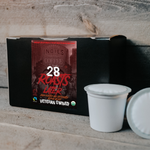
For a French press, use a coarse grind and avoid letting the coffee sit forever after plunging. That lingering contact can make an already bold coffee taste muddy. For pour-over, a medium grind and a steady, controlled pour help bring out more sweetness and clarity. If speed matters more than ceremony, a well-made K-Cup can be a practical choice, especially when you need a consistent cup before you are fully operational.
Cold brew is another smart route for high-caffeine fans, particularly in hot weather. It often tastes smoother and less acidic, though its strength depends entirely on whether you are drinking a ready-to-drink brew or diluting a concentrate. Do not assume cold means weak. Measure it, taste it, and treat the concentrate with appropriate respect.
This category makes sense for people with demanding mornings, long commutes, shift work, training schedules, or a genuine preference for a stronger coffee experience. It is also a solid fit for the drinker who has outgrown generic grocery-store coffee and wants a cup with some edge without sacrificing flavor.
It may not be the best everyday move for everyone. If you are sensitive to caffeine, prone to reflux, pregnant, managing certain health conditions, or already relying on multiple energy drinks, a high-caffeine blend can push things in the wrong direction. Decaf and lower-caffeine coffees still deserve a place in a serious coffee lineup. Being independent means choosing what works, not copying somebody else’s tolerance.
For gift buyers, high-caffeine coffee works especially well when the recipient loves bold roast profiles or talks constantly about needing a stronger cup. Pairing it with a fresh-brew setup, a durable mug, or a subscription turns a useful gift into a daily ritual instead of another forgettable box in the closet.
A high-caffeine coffee earns repeat orders when it combines freshness, honest strength, and a flavor profile built for real coffee drinkers. Skip the gimmicks, ignore the cartoonishly aggressive labels, and pay attention to how the coffee tastes and how your body handles it. Indies Coffee is built for people who would rather support a coffee company with conviction than settle for whatever bland corporate blend happens to be on sale.
Your best morning cup should not ask permission to be bold. Choose beans that taste intentional, brew them with care, and let the caffeine work for your day instead of running it.
The alarm is not the problem. The problem is the first cup that tastes like burnt water and still leaves you hunting for a second one 30 minutes later. This high caffeine coffee review is for drinkers who want a cup that shows up with real flavor, real roast character, and enough horsepower to handle an early shift, a hard workout, or a packed day.
High-caffeine coffee has become its own category because regular coffee does not hit the same for everyone. But more caffeine alone is not a victory. If the coffee tastes thin, stale, bitter, or aggressively charred, it is still bad coffee with a bigger number on the label. The right option should bring intensity without making you regret the mission halfway through the mug.
Most high-caffeine coffee marketing focuses on one thing: how much caffeine it can pack into a serving. That matters, but it is only part of the picture. Coffee is not an energy drink in a tactical-looking bag. The beans, roast, brewing method, freshness, and your personal caffeine tolerance all determine whether that extra kick is worth buying again.
A useful review starts with flavor. Strong coffee should not mean flavorless coffee. Look for a cup with a clear foundation - cocoa, toasted nuts, dark caramel, spice, or a clean roast-forward finish, depending on the blend. A dark roast can feel bolder and more familiar, while a medium roast may preserve more origin character and brightness. Neither is automatically better. The better choice is the one you will actually want to drink before the caffeine has a chance to do its job.
Freshness is the next test. Coffee loses aromatic punch after roasting, and old beans cannot be rescued by an oversized caffeine claim. Freshly roasted organic beans brewed soon after delivery tend to produce a fuller aroma and more defined flavor than the dusty, months-old bags that sit under fluorescent grocery store lights. Corporate coffee has trained plenty of people to accept stale as normal. It is not.
Finally, judge the coffee by how it feels. A strong cup should give you alertness and focus, not turn your hands into a drum solo or leave you crashing before lunch. That line is personal. A 6-foot, 220-pound construction worker with a long-standing coffee habit may respond differently than someone who usually drinks one small cup after breakfast.
The best high-caffeine coffees do not hide behind shock-value names or caffeine claims. They earn a place in the cabinet because the cup is satisfying. You should smell roasted sweetness when you open the bag, notice body on the palate, and finish the cup without needing syrup to cover the rough edges.
That is where roast choice matters. Darker high-caffeine blends often appeal to drinkers who want a heavy, low-acid profile that holds up to cream, milk, or a little sugar. They can be excellent for a dawn patrol cup or a travel mug that will be sipped over an hour. The trade-off is that an overly dark roast can flatten the bean’s natural character and introduce an ashy bitterness.
Medium-roast high-caffeine coffee can be the better call if you drink it black. It may offer more chocolate, fruit, or nutty notes while still delivering serious stimulation. The trade-off is that brighter notes can feel sharper to people with sensitive stomachs, particularly when coffee is the first thing they consume all day.
There is no medal for choosing the strongest roast or the largest serving. The target is a dependable cup that fits your taste and your routine. If you need enough cream and flavored syrup to make it drinkable, it is not a strong coffee. It is a cover-up operation.
Caffeine content varies more than many labels make clear. Bean variety, coffee-to-water ratio, grind size, serving size, and brew method all change the amount in your cup. A large French press made with a heavy dose of grounds can deliver far more caffeine than a modest drip coffee, even if both use the same beans.
Some high-caffeine products use naturally higher-caffeine bean varieties. Others increase intensity through blend design or by recommending a larger dose per cup. There is nothing wrong with either approach, but the result should be explained plainly. Watch for brands that advertise a dramatic number without making it clear whether it applies to a small cup, a giant mug, or a serving size nobody uses in real life.
For most healthy adults, moderation still applies. If a coffee leaves you anxious, nauseated, sleepless, or wired into the evening, scale back. Brew a smaller cup, use fewer grounds, drink it with food, or move to a standard-strength roast on lighter days. High caffeine coffee is a tool, not a personality test.
Brewing is where a great bag can become a disappointing cup. High-caffeine coffee is often brewed extra strong, which makes precision even more valuable. Too much coffee or water that is too hot can pull harsh, bitter compounds into the cup. Too little coffee can make the flavor taste hollow while still delivering a caffeine hit that feels oddly disconnected from the experience.
For drip coffee, start with a balanced ratio and adjust slowly. If the cup is weak, add a little more coffee before you start grinding finer. If it is bitter and dry, use slightly fewer grounds or a coarser grind. A burr grinder helps because even particles extract more evenly than the uneven rubble produced by many blade grinders.
For a French press, use a coarse grind and avoid letting the coffee sit forever after plunging. That lingering contact can make an already bold coffee taste muddy. For pour-over, a medium grind and a steady, controlled pour help bring out more sweetness and clarity. If speed matters more than ceremony, a well-made K-Cup can be a practical choice, especially when you need a consistent cup before you are fully operational.
Cold brew is another smart route for high-caffeine fans, particularly in hot weather. It often tastes smoother and less acidic, though its strength depends entirely on whether you are drinking a ready-to-drink brew or diluting a concentrate. Do not assume cold means weak. Measure it, taste it, and treat the concentrate with appropriate respect.
This category makes sense for people with demanding mornings, long commutes, shift work, training schedules, or a genuine preference for a stronger coffee experience. It is also a solid fit for the drinker who has outgrown generic grocery-store coffee and wants a cup with some edge without sacrificing flavor.
It may not be the best everyday move for everyone. If you are sensitive to caffeine, prone to reflux, pregnant, managing certain health conditions, or already relying on multiple energy drinks, a high-caffeine blend can push things in the wrong direction. Decaf and lower-caffeine coffees still deserve a place in a serious coffee lineup. Being independent means choosing what works, not copying somebody else’s tolerance.
For gift buyers, high-caffeine coffee works especially well when the recipient loves bold roast profiles or talks constantly about needing a stronger cup. Pairing it with a fresh-brew setup, a durable mug, or a subscription turns a useful gift into a daily ritual instead of another forgettable box in the closet.
A high-caffeine coffee earns repeat orders when it combines freshness, honest strength, and a flavor profile built for real coffee drinkers. Skip the gimmicks, ignore the cartoonishly aggressive labels, and pay attention to how the coffee tastes and how your body handles it. Indies Coffee is built for people who would rather support a coffee company with conviction than settle for whatever bland corporate blend happens to be on sale.
Your best morning cup should not ask permission to be bold. Choose beans that taste intentional, brew them with care, and let the caffeine work for your day instead of running it.