
0 item(s)
View cart
You have no items in your shopping cart.
That weak, watery mug that leaves you yawning by 10 a.m. is not a coffee problem. It’s a strategy problem. If you want to know how to make the most caffeinated coffee, you need to stop chasing dark, burnt grocery-store blends and start paying attention to what actually drives caffeine in the cup.
A stronger coffee taste does not always mean more caffeine. A darker roast can taste heavier and more aggressive, but that doesn’t automatically make it the hardest-hitting cup on your counter. If your goal is maximum caffeine, the winning move comes down to bean type, brew ratio, grind size, and extraction. Get those right, and your morning cup stops feeling like a ritual and starts doing its job.
Caffeine content starts with the bean itself. Robusta beans generally contain a lot more caffeine than arabica beans, often close to double. Arabica usually wins on nuance and sweetness, while robusta brings more punch, more bitterness, and more raw caffeine. So if you’re serious about making the strongest possible cup, the first question is not roast level. It’s what species of coffee you’re brewing.
After the bean, dose matters. More coffee grounds usually mean more caffeine in the final cup. That sounds obvious, but a lot of people still brew with too little coffee and wonder why the result feels flat. If you want a more caffeinated drink, you need enough actual coffee in the brewer to create one.
Then comes extraction. Water temperature, brew time, and grind size all affect how much caffeine gets pulled from the grounds. Coffee brewing is not a chest-thumping contest where more of everything always wins. Push extraction too far and the cup can turn bitter, harsh, and hollow. The most caffeinated coffee is not always the best-tasting coffee, so there’s a trade-off. If you want both power and flavor, you need control.
Start with fresh beans. Old coffee loses aromatic compounds first, but stale coffee also tends to taste lifeless, which tricks people into overbrewing or over-roasting their expectations. Freshly roasted beans give you a cleaner, fuller cup and make it easier to dial in strength without turning the whole thing into a burnt mess.
Next, choose a coffee that is built for caffeine, not just marketing hype. Some blends are specifically designed to hit harder, either through bean selection, roast profile, or both. If a coffee is sold as highly caffeinated, check whether that claim comes from robusta content or just bold packaging. There’s a difference.
Use more coffee than the average “scoop and hope” method. A standard starting point is about 1 to 2 tablespoons of coffee per 6 ounces of water, but if you want higher caffeine, lean heavier. For drip coffee, many people get better results around a 1:15 ratio, which means 1 gram of coffee for every 15 grams of water. If you want to push caffeine higher, move toward 1:14 or even 1:13. That gives you a stronger brew without automatically wrecking the flavor.
Grind based on your brew method, not your mood. For drip coffee, a medium grind works well. For French press, go coarse. For espresso, fine. If the grind is too coarse, you leave caffeine and flavor behind. If it’s too fine for the method, extraction can go sideways fast. The best move is simple: match the grind to the brewer, then adjust in small steps if the cup tastes weak.
Water temperature matters more than people think. Aim for 195 to 205 degrees Fahrenheit. Cooler water can under-extract the coffee, leaving caffeine on the table. Boiling water is not always ideal either, especially with delicate beans, because it can flatten flavor and bring out rough bitterness. Hot enough to extract efficiently, not so hot that it scorches the experience.
If your only goal is the biggest caffeine hit per serving, not every brew method is equal.
These are strong choices because they use a decent amount of water and can extract caffeine effectively from a full bed of grounds. A large mug of well-brewed drip coffee often delivers more total caffeine than a single espresso shot, even if espresso tastes more intense. If you want an everyday workhorse, drip is hard to beat.
French press can produce a heavy, bold cup with solid caffeine content, especially when you use a generous coffee dose and a full steep. It also keeps more oils and fine particles in the cup, which makes the coffee feel stronger. That fuller body doesn’t necessarily mean massively more caffeine than drip, but it often feels like it does.
Espresso is concentrated, not always king in total caffeine. Ounce for ounce, yes, it’s potent. But a standard shot is small. If you drink a double shot, you’ll get a quick, forceful dose, but a big mug of drip coffee may still contain more caffeine overall. Espresso is the choice when you want compact firepower.
Cold brew deserves respect in this conversation because it can be extremely caffeinated when made as a concentrate. It uses a lot of coffee, steeps for hours, and can deliver a serious jolt if you dilute it lightly or not at all. The catch is that not all cold brew is created equal. Some ready-to-drink versions are smooth but surprisingly mild. Homemade or properly formulated cold brew concentrate is where the real heavy hitters live.
The first mistake is assuming dark roast means more caffeine. Roast level affects flavor more than caffeine. In fact, lighter roasts can retain slightly more caffeine by bean, though the difference is not dramatic enough to matter as much as bean type and brew ratio. Dark roast just tastes louder.
The second mistake is using cheap pre-ground coffee and expecting maximum performance. Pre-ground coffee loses freshness faster, and once that flavor drops off, people compensate by using hotter water, longer brew times, or extra scoops. Sometimes that works. Sometimes it just creates a bitter cup that still doesn’t hit hard enough.
The third mistake is focusing on the cup size instead of the brew strength. A giant mug of weak coffee is still weak coffee. If you want real caffeine impact, the ratio has to be right from the start.
There’s a sweet spot between fuel and punishment. If you push everything to the extreme, robusta-heavy beans, extra-fine grind, huge dose, aggressive extraction, you can absolutely make a cup that feels like it could wake the neighbors. You can also make something unpleasant enough that you won’t want a second sip.
A smarter play is to start with a fresh, high-caffeine blend, use more coffee than average, brew with proper water temperature, and choose a method that fits how you drink coffee. If you like big morning mugs, go with drip or French press. If you want concentrated impact, espresso or cold brew concentrate make more sense.
For a lot of people, the best answer is not the most extreme cup possible. It’s the strongest cup they’ll actually enjoy every day. That’s where freshness matters. That’s where a well-built, highly caffeinated roast earns its place. And that’s exactly why independent coffee brands that care about the bean itself tend to outperform mass-market coffee built for shelf life instead of your morning.
If you’re buying coffee that was roasted to sit in a warehouse, you’re already losing. Fresh coffee, properly brewed, hits harder and tastes better. That’s not hype. That’s just what happens when the bean gets treated like coffee instead of inventory.
If you want a reliable setup, brew 30 grams of fresh coffee with 420 to 450 grams of water in a drip brewer or pour over. Use a medium grind and water around 200 degrees Fahrenheit. If the result still feels too mild, increase the dose before you extend the brew time. That keeps the cup stronger without pulling too much bitterness.
If you prefer French press, try 35 grams of coffee to 500 grams of water, steep for 4 minutes, then press slowly. For cold brew concentrate, use a coarse grind and a ratio close to 1:5, then steep in the fridge or at room temperature for 12 to 18 hours. That gives you a base you can dilute to taste or drink stronger when the day demands it.
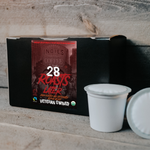
And if convenience matters, it usually does, don’t pretend it doesn’t. A high-caffeine single-serve option can be a better choice than a complicated brew method you never use. The best coffee routine is the one you’ll actually stick with.
One good cup should do more than taste bold. It should show up on command, hit with purpose, and remind you that coffee doesn’t have to be generic, stale, or soft. Brew with intention, choose beans with backbone, and make your next cup earn its place.
That weak, watery mug that leaves you yawning by 10 a.m. is not a coffee problem. It’s a strategy problem. If you want to know how to make the most caffeinated coffee, you need to stop chasing dark, burnt grocery-store blends and start paying attention to what actually drives caffeine in the cup.
A stronger coffee taste does not always mean more caffeine. A darker roast can taste heavier and more aggressive, but that doesn’t automatically make it the hardest-hitting cup on your counter. If your goal is maximum caffeine, the winning move comes down to bean type, brew ratio, grind size, and extraction. Get those right, and your morning cup stops feeling like a ritual and starts doing its job.
Caffeine content starts with the bean itself. Robusta beans generally contain a lot more caffeine than arabica beans, often close to double. Arabica usually wins on nuance and sweetness, while robusta brings more punch, more bitterness, and more raw caffeine. So if you’re serious about making the strongest possible cup, the first question is not roast level. It’s what species of coffee you’re brewing.
After the bean, dose matters. More coffee grounds usually mean more caffeine in the final cup. That sounds obvious, but a lot of people still brew with too little coffee and wonder why the result feels flat. If you want a more caffeinated drink, you need enough actual coffee in the brewer to create one.
Then comes extraction. Water temperature, brew time, and grind size all affect how much caffeine gets pulled from the grounds. Coffee brewing is not a chest-thumping contest where more of everything always wins. Push extraction too far and the cup can turn bitter, harsh, and hollow. The most caffeinated coffee is not always the best-tasting coffee, so there’s a trade-off. If you want both power and flavor, you need control.
Start with fresh beans. Old coffee loses aromatic compounds first, but stale coffee also tends to taste lifeless, which tricks people into overbrewing or over-roasting their expectations. Freshly roasted beans give you a cleaner, fuller cup and make it easier to dial in strength without turning the whole thing into a burnt mess.
Next, choose a coffee that is built for caffeine, not just marketing hype. Some blends are specifically designed to hit harder, either through bean selection, roast profile, or both. If a coffee is sold as highly caffeinated, check whether that claim comes from robusta content or just bold packaging. There’s a difference.
Use more coffee than the average “scoop and hope” method. A standard starting point is about 1 to 2 tablespoons of coffee per 6 ounces of water, but if you want higher caffeine, lean heavier. For drip coffee, many people get better results around a 1:15 ratio, which means 1 gram of coffee for every 15 grams of water. If you want to push caffeine higher, move toward 1:14 or even 1:13. That gives you a stronger brew without automatically wrecking the flavor.
Grind based on your brew method, not your mood. For drip coffee, a medium grind works well. For French press, go coarse. For espresso, fine. If the grind is too coarse, you leave caffeine and flavor behind. If it’s too fine for the method, extraction can go sideways fast. The best move is simple: match the grind to the brewer, then adjust in small steps if the cup tastes weak.
Water temperature matters more than people think. Aim for 195 to 205 degrees Fahrenheit. Cooler water can under-extract the coffee, leaving caffeine on the table. Boiling water is not always ideal either, especially with delicate beans, because it can flatten flavor and bring out rough bitterness. Hot enough to extract efficiently, not so hot that it scorches the experience.
If your only goal is the biggest caffeine hit per serving, not every brew method is equal.
These are strong choices because they use a decent amount of water and can extract caffeine effectively from a full bed of grounds. A large mug of well-brewed drip coffee often delivers more total caffeine than a single espresso shot, even if espresso tastes more intense. If you want an everyday workhorse, drip is hard to beat.
French press can produce a heavy, bold cup with solid caffeine content, especially when you use a generous coffee dose and a full steep. It also keeps more oils and fine particles in the cup, which makes the coffee feel stronger. That fuller body doesn’t necessarily mean massively more caffeine than drip, but it often feels like it does.
Espresso is concentrated, not always king in total caffeine. Ounce for ounce, yes, it’s potent. But a standard shot is small. If you drink a double shot, you’ll get a quick, forceful dose, but a big mug of drip coffee may still contain more caffeine overall. Espresso is the choice when you want compact firepower.
Cold brew deserves respect in this conversation because it can be extremely caffeinated when made as a concentrate. It uses a lot of coffee, steeps for hours, and can deliver a serious jolt if you dilute it lightly or not at all. The catch is that not all cold brew is created equal. Some ready-to-drink versions are smooth but surprisingly mild. Homemade or properly formulated cold brew concentrate is where the real heavy hitters live.
The first mistake is assuming dark roast means more caffeine. Roast level affects flavor more than caffeine. In fact, lighter roasts can retain slightly more caffeine by bean, though the difference is not dramatic enough to matter as much as bean type and brew ratio. Dark roast just tastes louder.
The second mistake is using cheap pre-ground coffee and expecting maximum performance. Pre-ground coffee loses freshness faster, and once that flavor drops off, people compensate by using hotter water, longer brew times, or extra scoops. Sometimes that works. Sometimes it just creates a bitter cup that still doesn’t hit hard enough.
The third mistake is focusing on the cup size instead of the brew strength. A giant mug of weak coffee is still weak coffee. If you want real caffeine impact, the ratio has to be right from the start.
There’s a sweet spot between fuel and punishment. If you push everything to the extreme, robusta-heavy beans, extra-fine grind, huge dose, aggressive extraction, you can absolutely make a cup that feels like it could wake the neighbors. You can also make something unpleasant enough that you won’t want a second sip.
A smarter play is to start with a fresh, high-caffeine blend, use more coffee than average, brew with proper water temperature, and choose a method that fits how you drink coffee. If you like big morning mugs, go with drip or French press. If you want concentrated impact, espresso or cold brew concentrate make more sense.
For a lot of people, the best answer is not the most extreme cup possible. It’s the strongest cup they’ll actually enjoy every day. That’s where freshness matters. That’s where a well-built, highly caffeinated roast earns its place. And that’s exactly why independent coffee brands that care about the bean itself tend to outperform mass-market coffee built for shelf life instead of your morning.
If you’re buying coffee that was roasted to sit in a warehouse, you’re already losing. Fresh coffee, properly brewed, hits harder and tastes better. That’s not hype. That’s just what happens when the bean gets treated like coffee instead of inventory.
If you want a reliable setup, brew 30 grams of fresh coffee with 420 to 450 grams of water in a drip brewer or pour over. Use a medium grind and water around 200 degrees Fahrenheit. If the result still feels too mild, increase the dose before you extend the brew time. That keeps the cup stronger without pulling too much bitterness.
If you prefer French press, try 35 grams of coffee to 500 grams of water, steep for 4 minutes, then press slowly. For cold brew concentrate, use a coarse grind and a ratio close to 1:5, then steep in the fridge or at room temperature for 12 to 18 hours. That gives you a base you can dilute to taste or drink stronger when the day demands it.
And if convenience matters, it usually does, don’t pretend it doesn’t. A high-caffeine single-serve option can be a better choice than a complicated brew method you never use. The best coffee routine is the one you’ll actually stick with.
One good cup should do more than taste bold. It should show up on command, hit with purpose, and remind you that coffee doesn’t have to be generic, stale, or soft. Brew with intention, choose beans with backbone, and make your next cup earn its place.