
0 item(s)
View cart
You have no items in your shopping cart.
That bag marked “dark roast” tells you something, but not everything. A great cup is not won by choosing the darkest label on the shelf or chasing the lightest bean because someone called it elite. This guide to coffee roast levels is for drinkers who want to know what is actually in the cup: where the flavor comes from, what each roast does well, and how to choose without falling for corporate coffee shorthand.
Roasting turns a green coffee seed into the bean that fuels early shifts, long drives, and Saturday mornings that deserve better than stale, anonymous coffee. It changes sweetness, acidity, body, aroma, and the balance between the bean’s original character and the flavor created by heat. There is no universally “best” roast. There is, however, a roast that fits how you drink coffee.
Coffee begins as a dense, pale green seed with grassy aromas and very little resemblance to the finished product. During roasting, heat drives off moisture, triggers browning reactions, and develops the compounds that make coffee smell and taste like coffee. As the roast gets darker, the bean expands, loses more mass, and takes on deeper brown color.
The trade-off is simple: lighter roasts preserve more of a coffee’s place-of-origin character, while darker roasts emphasize caramelized, toasted, and smoky flavors created by roasting. Neither approach is a shortcut. A light roast can be thin and sour if handled badly. A dark roast can be flat and bitter if pushed too far. The target is balance, not a color contest.
Roast labels are useful directions, not military-grade specifications. One company’s medium may land close to another company’s medium-dark. The tasting notes, brew method, freshness, and your own preference matter more than treating a label as law.
Light roast beans are usually light brown with no visible oil on the surface. They are roasted for less time, often stopped shortly after the first crack, when the beans expand and make a sound similar to popcorn beginning to pop.
Expect a lighter body, lively acidity, and flavors that can feel citrusy, floral, fruity, tea-like, or honey-sweet. A quality light roast lets the coffee itself speak up. If the beans came from a region known for berry notes or crisp lemon-like brightness, a light roast is more likely to show it.
This is a strong choice for black coffee drinkers who enjoy detail and contrast in the cup. Pour-over, drip brewing with a good grinder, and carefully dialed-in espresso can all bring out its strengths. But light roast asks more of your brewing. Water that is too cool, a grind that is too coarse, or a rushed extraction can leave you with sharp, underdeveloped sourness instead of clean brightness.
Light roast is not automatically weaker, either. The flavor may be delicate, but the coffee can still carry plenty of caffeine. More on that later.
Medium roast is where balance earns its reputation. The beans are richer brown, with sweetness and body more developed than in a light roast while much of the coffee’s natural character remains intact. Think chocolate, caramel, toasted nuts, balanced fruit, and a rounder finish.
For many daily drinkers, medium roast is the dependable all-terrain option. It performs well in a standard drip machine, a pour-over, a French press, and most single-serve brewers. It has enough body to stand up to a splash of milk, but it is not so roast-heavy that every cup tastes charred.
A breakfast blend often lives around this territory, though the name itself does not guarantee a specific roast level. “Breakfast” usually signals an approachable, smooth cup meant to get the operation moving, not a strict roasting standard. Read the flavor description and brew it the way you actually drink coffee.
If your household includes black-coffee purists and people who reach for cream, medium roast is often the easiest peace treaty.
Medium-dark roasts sit between the balanced middle and full dark territory. The bean’s surface may show a slight sheen of oil, and the flavor leans further into cocoa, brown sugar, spice, and deeper toasted notes. Acidity typically drops, while body becomes heavier and more pronounced.
This roast level works especially well for drinkers who want a bold cup without the intense bitterness or smoke that can come with very dark roasting. It is also a solid lane for espresso, where a syrupy body and rich sweetness can cut through milk in a latte or cappuccino.
There is a practical reason this category has loyal fans: it gives you force without forcing every cup into the same burned-toast profile. If you are leaving mainstream dark coffee behind but still want weight and intensity, medium-dark is worth serious attention.
Dark roast beans are deep brown to nearly black and often have visible oil on their surface. They are roasted longer, commonly into or beyond second crack, and the roast’s own flavors become the headline. Expect dark chocolate, bittersweet cocoa, roasted nuts, smoke, spice, and a full, heavy finish.
A well-executed dark roast is not supposed to taste like ash. It should feel powerful, smooth, and intentional, with enough sweetness to keep bitterness in check. French roast and Italian roast are common names in this category, though exact darkness varies from roaster to roaster.
Dark roast is a natural fit for a strong drip cup, French press coffee, espresso, and milk-based drinks. Its depth holds up when you add cream, and it delivers the familiar bold flavor many people expect from their first cup. For cold brew, it can produce a low-acid, chocolatey concentrate, though medium and medium-dark roasts can offer more complexity.
The trade-off is that very dark roasting can cover up the bean’s origin character. That is not a flaw if you want the roast-driven flavor. It is simply a different mission.
Not necessarily. This is one of coffee’s most repeated myths. The roasting process does not create a dramatic caffeine gap between roast levels. By weight, lighter beans can contain slightly more caffeine because they retain more mass. By scoop, darker beans may appear to have a little more because roasted dark beans are less dense.
In real life, your caffeine intake depends far more on how many beans you use, your brewing ratio, the coffee variety, and the size of your mug. If you want a stronger hit, choose a coffee specifically positioned for higher caffeine, increase the dose sensibly, or make a more concentrated brew. Do not assume a black, oily bean is automatically the heavyweight champion.
Decaf is its own category, not a roast level. You can find light, medium, and dark decaf coffees. Good decaf should still taste like real coffee with a clear roast profile, not like punishment for wanting a second cup after noon.
Start with the way you drink coffee, not the story on the bag. If you drink it black and enjoy crisp, distinctive flavors, try light or medium. If you want a smooth everyday cup that works across brewing methods, medium is the safe but far-from-boring call. If you add milk, want more body, or prefer a bolder finish, move toward medium-dark or dark.
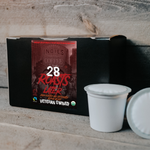
Your brewer matters, too. Pour-over tends to reward light and medium roasts because it highlights clarity. A French press amplifies body, making medium-dark and dark roasts especially satisfying. Espresso can work across the spectrum, but medium-dark and dark often bring the dense, chocolate-forward profile many people want. K-Cups benefit from roasts with enough body to stay present in a fast, convenient brew cycle.
Freshness deserves equal billing. Coffee is at its best when it has had a short rest after roasting and has not spent months fading in a warehouse. Buy amounts you can use within a few weeks after opening, keep beans in an airtight container away from heat and sunlight, and grind just before brewing when possible. The right roast cannot rescue coffee that has gone stale.
Try two or three roast levels side by side with the same brew method. Use the same coffee-to-water ratio, taste before adding cream or sugar, and pay attention to three things: brightness, body, and finish. Brightness is that crisp, lively lift. Body is the weight or texture on your tongue. Finish is what stays after the sip.
You may find that your “dark roast only” rule was really a preference for body, or that your love of light roast was a preference for sweetness and fruit. That is useful intel, not coffee snobbery. It helps you buy with purpose.
Coffee should not require a boardroom-approved personality transplant. Choose the roast that tastes right in your mug, brew it fresh, and let every cup be a small refusal to settle for generic. Indies Coffee is built for that kind of drinker.
That bag marked “dark roast” tells you something, but not everything. A great cup is not won by choosing the darkest label on the shelf or chasing the lightest bean because someone called it elite. This guide to coffee roast levels is for drinkers who want to know what is actually in the cup: where the flavor comes from, what each roast does well, and how to choose without falling for corporate coffee shorthand.
Roasting turns a green coffee seed into the bean that fuels early shifts, long drives, and Saturday mornings that deserve better than stale, anonymous coffee. It changes sweetness, acidity, body, aroma, and the balance between the bean’s original character and the flavor created by heat. There is no universally “best” roast. There is, however, a roast that fits how you drink coffee.
Coffee begins as a dense, pale green seed with grassy aromas and very little resemblance to the finished product. During roasting, heat drives off moisture, triggers browning reactions, and develops the compounds that make coffee smell and taste like coffee. As the roast gets darker, the bean expands, loses more mass, and takes on deeper brown color.
The trade-off is simple: lighter roasts preserve more of a coffee’s place-of-origin character, while darker roasts emphasize caramelized, toasted, and smoky flavors created by roasting. Neither approach is a shortcut. A light roast can be thin and sour if handled badly. A dark roast can be flat and bitter if pushed too far. The target is balance, not a color contest.
Roast labels are useful directions, not military-grade specifications. One company’s medium may land close to another company’s medium-dark. The tasting notes, brew method, freshness, and your own preference matter more than treating a label as law.
Light roast beans are usually light brown with no visible oil on the surface. They are roasted for less time, often stopped shortly after the first crack, when the beans expand and make a sound similar to popcorn beginning to pop.
Expect a lighter body, lively acidity, and flavors that can feel citrusy, floral, fruity, tea-like, or honey-sweet. A quality light roast lets the coffee itself speak up. If the beans came from a region known for berry notes or crisp lemon-like brightness, a light roast is more likely to show it.
This is a strong choice for black coffee drinkers who enjoy detail and contrast in the cup. Pour-over, drip brewing with a good grinder, and carefully dialed-in espresso can all bring out its strengths. But light roast asks more of your brewing. Water that is too cool, a grind that is too coarse, or a rushed extraction can leave you with sharp, underdeveloped sourness instead of clean brightness.
Light roast is not automatically weaker, either. The flavor may be delicate, but the coffee can still carry plenty of caffeine. More on that later.
Medium roast is where balance earns its reputation. The beans are richer brown, with sweetness and body more developed than in a light roast while much of the coffee’s natural character remains intact. Think chocolate, caramel, toasted nuts, balanced fruit, and a rounder finish.
For many daily drinkers, medium roast is the dependable all-terrain option. It performs well in a standard drip machine, a pour-over, a French press, and most single-serve brewers. It has enough body to stand up to a splash of milk, but it is not so roast-heavy that every cup tastes charred.
A breakfast blend often lives around this territory, though the name itself does not guarantee a specific roast level. “Breakfast” usually signals an approachable, smooth cup meant to get the operation moving, not a strict roasting standard. Read the flavor description and brew it the way you actually drink coffee.
If your household includes black-coffee purists and people who reach for cream, medium roast is often the easiest peace treaty.
Medium-dark roasts sit between the balanced middle and full dark territory. The bean’s surface may show a slight sheen of oil, and the flavor leans further into cocoa, brown sugar, spice, and deeper toasted notes. Acidity typically drops, while body becomes heavier and more pronounced.
This roast level works especially well for drinkers who want a bold cup without the intense bitterness or smoke that can come with very dark roasting. It is also a solid lane for espresso, where a syrupy body and rich sweetness can cut through milk in a latte or cappuccino.
There is a practical reason this category has loyal fans: it gives you force without forcing every cup into the same burned-toast profile. If you are leaving mainstream dark coffee behind but still want weight and intensity, medium-dark is worth serious attention.
Dark roast beans are deep brown to nearly black and often have visible oil on their surface. They are roasted longer, commonly into or beyond second crack, and the roast’s own flavors become the headline. Expect dark chocolate, bittersweet cocoa, roasted nuts, smoke, spice, and a full, heavy finish.
A well-executed dark roast is not supposed to taste like ash. It should feel powerful, smooth, and intentional, with enough sweetness to keep bitterness in check. French roast and Italian roast are common names in this category, though exact darkness varies from roaster to roaster.
Dark roast is a natural fit for a strong drip cup, French press coffee, espresso, and milk-based drinks. Its depth holds up when you add cream, and it delivers the familiar bold flavor many people expect from their first cup. For cold brew, it can produce a low-acid, chocolatey concentrate, though medium and medium-dark roasts can offer more complexity.
The trade-off is that very dark roasting can cover up the bean’s origin character. That is not a flaw if you want the roast-driven flavor. It is simply a different mission.
Not necessarily. This is one of coffee’s most repeated myths. The roasting process does not create a dramatic caffeine gap between roast levels. By weight, lighter beans can contain slightly more caffeine because they retain more mass. By scoop, darker beans may appear to have a little more because roasted dark beans are less dense.
In real life, your caffeine intake depends far more on how many beans you use, your brewing ratio, the coffee variety, and the size of your mug. If you want a stronger hit, choose a coffee specifically positioned for higher caffeine, increase the dose sensibly, or make a more concentrated brew. Do not assume a black, oily bean is automatically the heavyweight champion.
Decaf is its own category, not a roast level. You can find light, medium, and dark decaf coffees. Good decaf should still taste like real coffee with a clear roast profile, not like punishment for wanting a second cup after noon.
Start with the way you drink coffee, not the story on the bag. If you drink it black and enjoy crisp, distinctive flavors, try light or medium. If you want a smooth everyday cup that works across brewing methods, medium is the safe but far-from-boring call. If you add milk, want more body, or prefer a bolder finish, move toward medium-dark or dark.
Your brewer matters, too. Pour-over tends to reward light and medium roasts because it highlights clarity. A French press amplifies body, making medium-dark and dark roasts especially satisfying. Espresso can work across the spectrum, but medium-dark and dark often bring the dense, chocolate-forward profile many people want. K-Cups benefit from roasts with enough body to stay present in a fast, convenient brew cycle.
Freshness deserves equal billing. Coffee is at its best when it has had a short rest after roasting and has not spent months fading in a warehouse. Buy amounts you can use within a few weeks after opening, keep beans in an airtight container away from heat and sunlight, and grind just before brewing when possible. The right roast cannot rescue coffee that has gone stale.
Try two or three roast levels side by side with the same brew method. Use the same coffee-to-water ratio, taste before adding cream or sugar, and pay attention to three things: brightness, body, and finish. Brightness is that crisp, lively lift. Body is the weight or texture on your tongue. Finish is what stays after the sip.
You may find that your “dark roast only” rule was really a preference for body, or that your love of light roast was a preference for sweetness and fruit. That is useful intel, not coffee snobbery. It helps you buy with purpose.
Coffee should not require a boardroom-approved personality transplant. Choose the roast that tastes right in your mug, brew it fresh, and let every cup be a small refusal to settle for generic. Indies Coffee is built for that kind of drinker.