
0 item(s)
View cart
You have no items in your shopping cart.
That bargain bag on the grocery shelf may look like an easy win until your first flat, dusty-tasting cup of the week. The real coffee subscription vs grocery coffee debate is not about whether coffee arrives in a box or sits in your cart. It is about what happens between roasting and brewing - and whether your daily ritual deserves better than whatever has been waiting under fluorescent lights.
Grocery coffee has its place. It is fast, familiar, and available when you need coffee right now. But for people who care about bold flavor, dependable freshness, and supporting a business with some backbone, a subscription can be a different kind of routine: coffee selected for your taste, roasted with purpose, and delivered before the cupboard turns into a crisis.
Coffee is an agricultural product, not a shelf decoration. Once roasted, beans begin releasing carbon dioxide and gradually losing the aromatic compounds that make a cup smell rich and taste alive. There is a sweet spot after roasting when coffee has rested enough to brew well but still carries the character the roaster worked to preserve.
With grocery coffee, that timeline is often unclear. A bag might show a best-by date that stretches far into the future, but that does not tell you when it was roasted. It could have spent weeks moving through warehouses, distribution centers, and stockrooms before it ever reached the shelf. That is the price of mass-market scale: coffee must be stable enough to survive a long supply chain.
A coffee subscription is built around a shorter path. Coffee is commonly roasted close to fulfillment, then shipped directly to your door. That does not make every subscription automatically great, but it gives you a better shot at coffee that still has aroma, body, and a clear finish. If your morning cup tastes thin even when you use good water and a clean brewer, freshness is one of the first things worth questioning.
Freshness matters especially with whole beans. Grind them just before brewing, and the difference can be obvious: more fragrance from the grounds, more definition in the cup, and less of that cardboard-like aftertaste that makes people drown coffee in cream and sugar.
Grocery coffee wins the emergency mission. You are out of beans, guests are coming over, and you need coffee before sunrise. A quick store run solves the problem. No shipping window, no account login, no waiting.
But running out is usually not a random accident. It happens because coffee was treated as an afterthought until the bag went empty. A subscription removes that chore. Set a delivery schedule based on how much your household actually drinks, and your next bag arrives before you are scraping stale grounds from the back of the pantry.
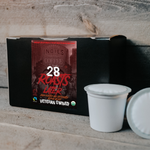
For K-Cup users and cold brew drinkers, the convenience equation gets even stronger. Buying a subscription means your preferred format lands on a predictable cadence instead of becoming another item on a crowded shopping list. The best routine is the one that works on busy Mondays, early workouts, school mornings, and the kind of week when getting to the store feels like a tactical operation.
The trade-off is commitment. A subscription needs occasional attention. If you go on vacation, switch brewers, or suddenly drink less coffee, you may need to pause or adjust your deliveries. That is not a dealbreaker. It is simply a reminder to choose a service that gives you control rather than locking you into a corporate conveyor belt.
At the register, grocery coffee often looks less expensive. Large brands buy at massive volume, use efficient distribution, and compete hard for shelf space. Promotions can make a familiar canister or bag look like the clear budget choice.
The better question is cost per satisfying cup. Cheap coffee that tastes lifeless can lead to heavier scoops, more wasted half-cups, and an expensive café stop because the coffee at home did not hit the mark. A fresher, better-fitting roast can be more valuable even if the bag price is higher. If it gets you excited to brew at home, the math shifts quickly.
Subscriptions may also offer predictable pricing or a modest recurring-order savings, though the details vary. More importantly, they make your coffee spending visible. Instead of tossing random bags into different grocery trips, you know what is arriving, how often, and what it costs.
There is still a case for grocery coffee if your household drinks enormous quantities, flavor is not a major priority, or you need the absolute lowest upfront price. No shame in that. But do not confuse low shelf price with high value. Your morning coffee is one of the few daily purchases you taste every single day.
The grocery aisle is broad, but it can be oddly limiting. You may find dozens of labels while still seeing the same familiar roast profiles, the same pre-ground formats, and very little useful information about what is inside the bag. Even good grocery selections are constrained by what a retailer decides deserves shelf space.
A subscription puts the decision back in your hands. Want a bright light roast that does not get buried under milk? Choose it. Want a dark, smoky cup that stands up at 0500? Choose that instead. Need decaf for the evening, a high-caffeine option for hard-charging mornings, or cold brew packs for warm weather? The right coffee company lets you build around how you actually drink coffee, not around what happened to be on sale.
This is where roast segmentation matters. Light, medium, and dark are not just labels for the front of a bag. They are useful starting points for finding your lane. Light roasts can highlight lively, nuanced flavors. Medium roasts tend to balance sweetness, body, and acidity. Dark roasts deliver the bold, familiar depth many daily drinkers want. None is automatically superior. The right one is the one you look forward to brewing again tomorrow.
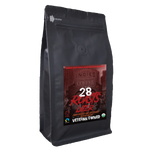
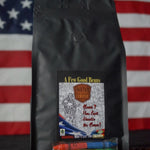
Indies Coffee is built for drinkers who want that control without watering down their standards: organic coffee, freshly roasted flavor, and options that fit everything from a classic drip pot to K-Cups and cold brew.
Choose grocery coffee when speed matters more than selection, you are buying for a crowd with no strong preferences, or you need a backup bag today. It is practical, and a good grocery store can still offer a decent cup when you know what to look for. Seek whole beans where possible, check for a roast date instead of relying only on a best-by date, and buy a bag size you can finish while it is still tasting its best.
Choose a subscription when coffee is part of your daily operating system. It makes sense for the person who notices when a roast tastes stale, hates last-minute store runs, has a clear favorite roast, or wants to spend more of their money with an independent brand instead of another faceless giant. It also works well for households with consistent consumption. Predictable use makes predictable delivery a no-brainer.
The strongest setup for some people is not all-or-nothing. Keep a basic emergency option at home if you like, but make a fresh subscription your main supply. That way, a snowstorm, delayed package, or unexpectedly coffee-hungry weekend does not force you into bad decisions before breakfast.
Start with your actual pace, not your ambition. Track how long your current bag lasts, then choose a delivery frequency that gives you a little breathing room without piling up inventory. A smaller, fresher shipment more often is usually better than hoarding coffee for months.
Order whole beans if you own a grinder. It is one of the simplest upgrades available, and it lets you adjust your grind for drip machines, French press, pour-over, espresso, or cold brew. If pre-ground coffee is the realistic choice for your schedule, that is fine too. The best coffee routine is one you will use consistently, not a complicated ritual that dies after three mornings.
Finally, be honest about your taste. If you love a powerful dark roast, do not buy a delicate light roast because someone told you it is more sophisticated. If you prefer smooth medium roast coffee, skip the charcoal-heavy bag with the tough-guy label. Independent coffee is about choosing for yourself, not following another script.
Your coffee habit does not need more noise. It needs a bag that arrives fresh, fits your routine, and gives you a reason to enjoy the first cup instead of merely surviving it.
That bargain bag on the grocery shelf may look like an easy win until your first flat, dusty-tasting cup of the week. The real coffee subscription vs grocery coffee debate is not about whether coffee arrives in a box or sits in your cart. It is about what happens between roasting and brewing - and whether your daily ritual deserves better than whatever has been waiting under fluorescent lights.
Grocery coffee has its place. It is fast, familiar, and available when you need coffee right now. But for people who care about bold flavor, dependable freshness, and supporting a business with some backbone, a subscription can be a different kind of routine: coffee selected for your taste, roasted with purpose, and delivered before the cupboard turns into a crisis.
Coffee is an agricultural product, not a shelf decoration. Once roasted, beans begin releasing carbon dioxide and gradually losing the aromatic compounds that make a cup smell rich and taste alive. There is a sweet spot after roasting when coffee has rested enough to brew well but still carries the character the roaster worked to preserve.
With grocery coffee, that timeline is often unclear. A bag might show a best-by date that stretches far into the future, but that does not tell you when it was roasted. It could have spent weeks moving through warehouses, distribution centers, and stockrooms before it ever reached the shelf. That is the price of mass-market scale: coffee must be stable enough to survive a long supply chain.
A coffee subscription is built around a shorter path. Coffee is commonly roasted close to fulfillment, then shipped directly to your door. That does not make every subscription automatically great, but it gives you a better shot at coffee that still has aroma, body, and a clear finish. If your morning cup tastes thin even when you use good water and a clean brewer, freshness is one of the first things worth questioning.
Freshness matters especially with whole beans. Grind them just before brewing, and the difference can be obvious: more fragrance from the grounds, more definition in the cup, and less of that cardboard-like aftertaste that makes people drown coffee in cream and sugar.
Grocery coffee wins the emergency mission. You are out of beans, guests are coming over, and you need coffee before sunrise. A quick store run solves the problem. No shipping window, no account login, no waiting.
But running out is usually not a random accident. It happens because coffee was treated as an afterthought until the bag went empty. A subscription removes that chore. Set a delivery schedule based on how much your household actually drinks, and your next bag arrives before you are scraping stale grounds from the back of the pantry.
For K-Cup users and cold brew drinkers, the convenience equation gets even stronger. Buying a subscription means your preferred format lands on a predictable cadence instead of becoming another item on a crowded shopping list. The best routine is the one that works on busy Mondays, early workouts, school mornings, and the kind of week when getting to the store feels like a tactical operation.
The trade-off is commitment. A subscription needs occasional attention. If you go on vacation, switch brewers, or suddenly drink less coffee, you may need to pause or adjust your deliveries. That is not a dealbreaker. It is simply a reminder to choose a service that gives you control rather than locking you into a corporate conveyor belt.
At the register, grocery coffee often looks less expensive. Large brands buy at massive volume, use efficient distribution, and compete hard for shelf space. Promotions can make a familiar canister or bag look like the clear budget choice.
The better question is cost per satisfying cup. Cheap coffee that tastes lifeless can lead to heavier scoops, more wasted half-cups, and an expensive café stop because the coffee at home did not hit the mark. A fresher, better-fitting roast can be more valuable even if the bag price is higher. If it gets you excited to brew at home, the math shifts quickly.
Subscriptions may also offer predictable pricing or a modest recurring-order savings, though the details vary. More importantly, they make your coffee spending visible. Instead of tossing random bags into different grocery trips, you know what is arriving, how often, and what it costs.
There is still a case for grocery coffee if your household drinks enormous quantities, flavor is not a major priority, or you need the absolute lowest upfront price. No shame in that. But do not confuse low shelf price with high value. Your morning coffee is one of the few daily purchases you taste every single day.
The grocery aisle is broad, but it can be oddly limiting. You may find dozens of labels while still seeing the same familiar roast profiles, the same pre-ground formats, and very little useful information about what is inside the bag. Even good grocery selections are constrained by what a retailer decides deserves shelf space.
A subscription puts the decision back in your hands. Want a bright light roast that does not get buried under milk? Choose it. Want a dark, smoky cup that stands up at 0500? Choose that instead. Need decaf for the evening, a high-caffeine option for hard-charging mornings, or cold brew packs for warm weather? The right coffee company lets you build around how you actually drink coffee, not around what happened to be on sale.
This is where roast segmentation matters. Light, medium, and dark are not just labels for the front of a bag. They are useful starting points for finding your lane. Light roasts can highlight lively, nuanced flavors. Medium roasts tend to balance sweetness, body, and acidity. Dark roasts deliver the bold, familiar depth many daily drinkers want. None is automatically superior. The right one is the one you look forward to brewing again tomorrow.
Indies Coffee is built for drinkers who want that control without watering down their standards: organic coffee, freshly roasted flavor, and options that fit everything from a classic drip pot to K-Cups and cold brew.
Choose grocery coffee when speed matters more than selection, you are buying for a crowd with no strong preferences, or you need a backup bag today. It is practical, and a good grocery store can still offer a decent cup when you know what to look for. Seek whole beans where possible, check for a roast date instead of relying only on a best-by date, and buy a bag size you can finish while it is still tasting its best.
Choose a subscription when coffee is part of your daily operating system. It makes sense for the person who notices when a roast tastes stale, hates last-minute store runs, has a clear favorite roast, or wants to spend more of their money with an independent brand instead of another faceless giant. It also works well for households with consistent consumption. Predictable use makes predictable delivery a no-brainer.
The strongest setup for some people is not all-or-nothing. Keep a basic emergency option at home if you like, but make a fresh subscription your main supply. That way, a snowstorm, delayed package, or unexpectedly coffee-hungry weekend does not force you into bad decisions before breakfast.
Start with your actual pace, not your ambition. Track how long your current bag lasts, then choose a delivery frequency that gives you a little breathing room without piling up inventory. A smaller, fresher shipment more often is usually better than hoarding coffee for months.
Order whole beans if you own a grinder. It is one of the simplest upgrades available, and it lets you adjust your grind for drip machines, French press, pour-over, espresso, or cold brew. If pre-ground coffee is the realistic choice for your schedule, that is fine too. The best coffee routine is one you will use consistently, not a complicated ritual that dies after three mornings.
Finally, be honest about your taste. If you love a powerful dark roast, do not buy a delicate light roast because someone told you it is more sophisticated. If you prefer smooth medium roast coffee, skip the charcoal-heavy bag with the tough-guy label. Independent coffee is about choosing for yourself, not following another script.
Your coffee habit does not need more noise. It needs a bag that arrives fresh, fits your routine, and gives you a reason to enjoy the first cup instead of merely surviving it.