
0 item(s)
View cart
You have no items in your shopping cart.
A dark roast should taste intentional, not like someone forgot the beans in the roaster. Italian roast coffee beans are made for drinkers who want a cup with weight, smoke-kissed depth, and enough attitude to stand up to cream, sugar, a breakfast sandwich, or a hard start to the morning.
This is coffee for people who do not want their first cup to whisper. But the best Italian roast is not simply the darkest bag on the shelf. It is a balance of roast development, fresh beans, and smart brewing. Get those right, and you get a powerful cup without the flat, ashy punishment that corporate coffee has convinced too many people is normal.
Italian roast refers to a very dark roast level. The beans are roasted past the point where origin-specific fruit and floral notes lead the conversation. In their place, you get flavors shaped by the roast itself: dark chocolate, toasted sugar, walnut, caramelized sweetness, smoke, and sometimes a pleasant hint of bitter cocoa.
The body is usually full and heavy. Acidity tends to sit lower than in light or medium roasts, making the cup feel rounder and less sharp. That is a big reason Italian roast coffee beans have earned loyal fans among people who take their coffee black but still want a smooth finish, as well as people who use milk or cream.
There is a line, though. Dark does not have to mean charred. When the roast goes too far, sweetness disappears and everything starts tasting like ash, burnt rubber, or an old diner pot. That is not bold coffee. That is bad roasting with a tough-guy label.
A well-roasted Italian coffee delivers intensity with control. It should have enough bitterness to feel classic and commanding, but enough body and lingering chocolate-like character to keep you reaching for another sip.
Italian roast was built for traditional espresso culture, where concentrated coffee needs to cut through milk and hold its ground in a small cup. That same strength makes it a natural fit for American kitchen counters, drip machines, espresso makers, Moka pots, and single-serve brewers.
It is especially appealing when you want consistency. A light roast can reveal subtle shifts in a bean's growing region, processing method, and brew recipe. That can be exciting, but not everyone wants to calibrate their morning around delicate tasting notes. Italian roast delivers a more familiar, direct profile: deep roast character, satisfying body, and a finish that stays put.
For many dark-roast drinkers, that is the point. Coffee should be flavorful, fresh, and ready for duty, not a chemistry project before sunrise.
Not necessarily. Roast level changes the flavor far more dramatically than it changes caffeine. By weight, light and dark roasted beans are very close in caffeine content. Dark-roasted beans expand during roasting and become less dense, so a scoop of Italian roast may contain slightly less caffeine than a scoop of lighter beans. Measure by weight, and the gap is minimal.
If maximum caffeine is your mission, look for a coffee specifically made for that purpose rather than assuming the darkest roast carries the biggest punch. Choose Italian roast because you want its flavor and body. The caffeine question is separate.
A dark roast has plenty of surface oils and a big, expressive aroma. Freshly roasted, that can be a beautiful thing. The bag opens with notes of cocoa, toasted sugar, and roasted nuts. Weeks or months later, those oils can go stale, and the same coffee starts tasting dull, rancid, or overly bitter.
This is why buying fresh matters. Grocery-store coffee may have spent months moving through warehouses, stockrooms, and shelves before it reaches your cabinet. A glossy bag and a dramatic roast name do not change the calendar.
Buy whole beans when possible, and grind only what you need before brewing. Keep the bag sealed in a cool, dry cabinet, away from direct sunlight and heat. Do not store everyday coffee in the refrigerator, where moisture and food odors can work their way into the beans. Freezing can make sense for extra sealed coffee you will not use soon, but it is not a rescue plan for stale beans.
Fresh coffee is not a luxury detail. It is the difference between the flavor the roaster intended and a cup that tastes like it lost the fight before you ever brewed it.
Italian roast is forgiving in some ways, but its darker profile can turn harsh when brewed too hot, too fine, or too long. You do not need fancy equipment. You do need to avoid treating every roast exactly the same.
For a standard drip brewer, begin with a medium grind and a ratio around 1 to 2 tablespoons of ground coffee per 6 ounces of water, then adjust for your preferred strength. If your cup tastes sharp, dry, or aggressively bitter, use a slightly coarser grind or reduce the amount of coffee. If it tastes thin, increase the dose before grinding finer.
For French press, use a coarse grind and let it steep for about four minutes. The method emphasizes the roast's heavy body and rich texture. It is a strong choice for drinkers who like a substantial cup and do not mind a little natural sediment.
Espresso is where Italian roast can feel right at home. Dial in a fine grind and aim for a balanced shot rather than chasing darkness for its own sake. A good shot should taste dense and chocolate-forward, with enough sweetness to support a cappuccino or latte. If it runs fast and watery, grind finer. If it drips slowly and tastes burnt or dry, grind a little coarser.
Moka pots also reward this roast level. Use hot water in the base, do not pack the coffee basket tight, and pull the pot from heat once the flow begins to sputter. That small bit of restraint keeps the cup full-flavored instead of scorched.
Italian roast is one of the most flexible choices for people who drink coffee in different ways. Black, it gives you dark chocolate depth and a low-brightness finish. With cream or milk, it keeps its identity instead of disappearing into the cup. With sugar, it leans into caramel and cocoa notes without becoming cloying.
It can also make a strong iced coffee, especially if you brew it concentrated and pour it over ice. The roast's heavy body remains noticeable even after dilution. Cold brew can work too, although some drinkers prefer a medium-dark roast for more sweetness and less roast bite over a long steep.
The trade-off is simple: if you love bright citrus, berry-like notes, or tea-like clarity, Italian roast will probably not be your everyday choice. Those flavors are more at home in lighter roasts. But if your ideal cup is dark, steady, and built to carry milk, ice, or a long morning, this roast has earned its place.
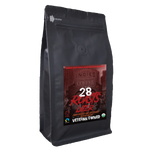
Start with a clear roast date, not vague language about freshness. Then look for whole beans and a seller that roasts in active batches rather than treating coffee as shelf-stable inventory. Organic sourcing may matter to you as well, but it should be paired with capable roasting. A good label cannot save a bad cup.
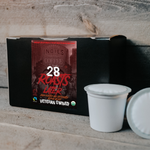
Think about how you brew. Espresso drinkers may want an Italian roast with a dense body and clean finish. Drip drinkers often benefit from a dark roast that keeps some sweetness and does not lean too smoky. If you rely on a pod brewer for speed, choose a dark-roast option designed to deliver enough flavor at that brew volume.
At Indies Coffee, the point is not to hand you another anonymous dark bag and call it premium. It is to give independent coffee drinkers fresh-roasted flavor with enough backbone to make the first cup count.
Italian roast is not for chasing every trendy tasting note. It is for the person who knows what they want: a dark cup with real body, honest flavor, and no corporate blandness hiding behind a shiny label. Brew it fresh, keep the water clean, and let the beans do what they were roasted to do.
A dark roast should taste intentional, not like someone forgot the beans in the roaster. Italian roast coffee beans are made for drinkers who want a cup with weight, smoke-kissed depth, and enough attitude to stand up to cream, sugar, a breakfast sandwich, or a hard start to the morning.
This is coffee for people who do not want their first cup to whisper. But the best Italian roast is not simply the darkest bag on the shelf. It is a balance of roast development, fresh beans, and smart brewing. Get those right, and you get a powerful cup without the flat, ashy punishment that corporate coffee has convinced too many people is normal.
Italian roast refers to a very dark roast level. The beans are roasted past the point where origin-specific fruit and floral notes lead the conversation. In their place, you get flavors shaped by the roast itself: dark chocolate, toasted sugar, walnut, caramelized sweetness, smoke, and sometimes a pleasant hint of bitter cocoa.
The body is usually full and heavy. Acidity tends to sit lower than in light or medium roasts, making the cup feel rounder and less sharp. That is a big reason Italian roast coffee beans have earned loyal fans among people who take their coffee black but still want a smooth finish, as well as people who use milk or cream.
There is a line, though. Dark does not have to mean charred. When the roast goes too far, sweetness disappears and everything starts tasting like ash, burnt rubber, or an old diner pot. That is not bold coffee. That is bad roasting with a tough-guy label.
A well-roasted Italian coffee delivers intensity with control. It should have enough bitterness to feel classic and commanding, but enough body and lingering chocolate-like character to keep you reaching for another sip.
Italian roast was built for traditional espresso culture, where concentrated coffee needs to cut through milk and hold its ground in a small cup. That same strength makes it a natural fit for American kitchen counters, drip machines, espresso makers, Moka pots, and single-serve brewers.
It is especially appealing when you want consistency. A light roast can reveal subtle shifts in a bean's growing region, processing method, and brew recipe. That can be exciting, but not everyone wants to calibrate their morning around delicate tasting notes. Italian roast delivers a more familiar, direct profile: deep roast character, satisfying body, and a finish that stays put.
For many dark-roast drinkers, that is the point. Coffee should be flavorful, fresh, and ready for duty, not a chemistry project before sunrise.
Not necessarily. Roast level changes the flavor far more dramatically than it changes caffeine. By weight, light and dark roasted beans are very close in caffeine content. Dark-roasted beans expand during roasting and become less dense, so a scoop of Italian roast may contain slightly less caffeine than a scoop of lighter beans. Measure by weight, and the gap is minimal.
If maximum caffeine is your mission, look for a coffee specifically made for that purpose rather than assuming the darkest roast carries the biggest punch. Choose Italian roast because you want its flavor and body. The caffeine question is separate.
A dark roast has plenty of surface oils and a big, expressive aroma. Freshly roasted, that can be a beautiful thing. The bag opens with notes of cocoa, toasted sugar, and roasted nuts. Weeks or months later, those oils can go stale, and the same coffee starts tasting dull, rancid, or overly bitter.
This is why buying fresh matters. Grocery-store coffee may have spent months moving through warehouses, stockrooms, and shelves before it reaches your cabinet. A glossy bag and a dramatic roast name do not change the calendar.
Buy whole beans when possible, and grind only what you need before brewing. Keep the bag sealed in a cool, dry cabinet, away from direct sunlight and heat. Do not store everyday coffee in the refrigerator, where moisture and food odors can work their way into the beans. Freezing can make sense for extra sealed coffee you will not use soon, but it is not a rescue plan for stale beans.
Fresh coffee is not a luxury detail. It is the difference between the flavor the roaster intended and a cup that tastes like it lost the fight before you ever brewed it.
Italian roast is forgiving in some ways, but its darker profile can turn harsh when brewed too hot, too fine, or too long. You do not need fancy equipment. You do need to avoid treating every roast exactly the same.
For a standard drip brewer, begin with a medium grind and a ratio around 1 to 2 tablespoons of ground coffee per 6 ounces of water, then adjust for your preferred strength. If your cup tastes sharp, dry, or aggressively bitter, use a slightly coarser grind or reduce the amount of coffee. If it tastes thin, increase the dose before grinding finer.
For French press, use a coarse grind and let it steep for about four minutes. The method emphasizes the roast's heavy body and rich texture. It is a strong choice for drinkers who like a substantial cup and do not mind a little natural sediment.
Espresso is where Italian roast can feel right at home. Dial in a fine grind and aim for a balanced shot rather than chasing darkness for its own sake. A good shot should taste dense and chocolate-forward, with enough sweetness to support a cappuccino or latte. If it runs fast and watery, grind finer. If it drips slowly and tastes burnt or dry, grind a little coarser.
Moka pots also reward this roast level. Use hot water in the base, do not pack the coffee basket tight, and pull the pot from heat once the flow begins to sputter. That small bit of restraint keeps the cup full-flavored instead of scorched.
Italian roast is one of the most flexible choices for people who drink coffee in different ways. Black, it gives you dark chocolate depth and a low-brightness finish. With cream or milk, it keeps its identity instead of disappearing into the cup. With sugar, it leans into caramel and cocoa notes without becoming cloying.
It can also make a strong iced coffee, especially if you brew it concentrated and pour it over ice. The roast's heavy body remains noticeable even after dilution. Cold brew can work too, although some drinkers prefer a medium-dark roast for more sweetness and less roast bite over a long steep.
The trade-off is simple: if you love bright citrus, berry-like notes, or tea-like clarity, Italian roast will probably not be your everyday choice. Those flavors are more at home in lighter roasts. But if your ideal cup is dark, steady, and built to carry milk, ice, or a long morning, this roast has earned its place.
Start with a clear roast date, not vague language about freshness. Then look for whole beans and a seller that roasts in active batches rather than treating coffee as shelf-stable inventory. Organic sourcing may matter to you as well, but it should be paired with capable roasting. A good label cannot save a bad cup.
Think about how you brew. Espresso drinkers may want an Italian roast with a dense body and clean finish. Drip drinkers often benefit from a dark roast that keeps some sweetness and does not lean too smoky. If you rely on a pod brewer for speed, choose a dark-roast option designed to deliver enough flavor at that brew volume.
At Indies Coffee, the point is not to hand you another anonymous dark bag and call it premium. It is to give independent coffee drinkers fresh-roasted flavor with enough backbone to make the first cup count.
Italian roast is not for chasing every trendy tasting note. It is for the person who knows what they want: a dark cup with real body, honest flavor, and no corporate blandness hiding behind a shiny label. Brew it fresh, keep the water clean, and let the beans do what they were roasted to do.