
0 item(s)
View cart
You have no items in your shopping cart.
Your morning coffee should not taste like it spent six months under fluorescent lights waiting for someone to settle. The best coffee for home brewing is fresh, deliberately roasted, and matched to the way you actually make coffee - whether that is a fast K-Cup before work, a French press on Saturday, or cold brew ready in the fridge.
Forget the giant wall of anonymous bags with vague tasting notes and no clear roast date. Better coffee at home starts with knowing what you like, buying beans that have a purpose, and keeping a few simple brewing variables under control. You do not need a lab coat or a $500 grinder. You need coffee with real flavor and a routine you will stick with.
Freshness is the first line of defense against a flat cup. Coffee beans release carbon dioxide after roasting, then gradually lose the fragrant oils and compounds that give coffee its aroma, sweetness, and character. A bag can look premium while delivering a tired, papery brew if it has been sitting in a warehouse too long.
Look for freshly roasted coffee from a roaster that treats the bean like the main event, not an afterthought behind flashy packaging. Once opened, store beans in a cool, dark cabinet in their original sealed bag or an airtight container. Skip the refrigerator. Coffee absorbs odors easily, and condensation can damage the flavor.
The right coffee also has to fit your palate. “Best” does not automatically mean the lightest roast, the most expensive single origin, or the darkest cup that can stand a spoon upright. It means a coffee you look forward to drinking black or with the amount of cream and sugar you honestly use. That is not surrender. That is choosing coffee for your real life.
Roast level gives you the fastest path to a better purchase. It affects how the coffee tastes, how it behaves in different brewers, and how much origin character comes through.
Light roast coffee usually holds onto more of the bean’s original personality. Expect brighter acidity and flavors that can lean toward citrus, fruit, florals, honey, or tea-like sweetness. It is a strong choice for pour-over, drip coffee, and anyone who drinks coffee black and wants more than a generic “coffee” taste.
The trade-off is that light roasts can expose sloppy brewing. Water that is too cool or a grind that is too coarse may leave the cup sour, thin, or underdeveloped. Use hot water, a consistent grind, and give it a fair shot before deciding it is not for you.
Medium roast is often the best place to start for households with different preferences. It can offer caramel, chocolate, toasted nut, and fruit notes without the sharp edge some people associate with lighter coffee or the smoky weight of darker roasts.
It performs well in drip machines, pour-overs, French presses, and refillable single-serve pods. If you want one dependable bag that can handle weekday autopilot and a slower weekend cup, medium roast makes a strong case.
Dark roast is for people who want depth, body, and a coffee flavor that does not vanish when milk enters the picture. A well-roasted dark coffee can bring bittersweet chocolate, roasted sugar, spice, and a satisfying smoky finish. It is especially good in a French press, moka pot, espresso-style brewer, or classic drip machine.
Dark does not have to mean burnt. There is a difference between a purposeful dark roast and beans roasted until every origin characteristic is erased. The goal is a full, commanding cup with sweetness beneath the intensity.
If your coffee usually gets cream, milk, or a splash of something stronger after dinner, a French or Italian-style roast is often the smarter move. It has enough backbone to stay present.
Grinding immediately before brewing is one of the biggest upgrades available to a home coffee drinker. Whole beans protect their flavor longer. Once coffee is ground, much more surface area meets oxygen, and the aromas you paid for start escaping fast.
A burr grinder gives more even particles than a blade grinder, which means more even extraction and fewer strange bitter or sour notes. It is useful, but do not let equipment snobbery stop you from making a better cup tomorrow. Pre-ground coffee can still be excellent when it is fresh and ground for the brewer you use.
Match the grind to your method. Use a medium grind for most drip machines, a coarser grind for French press and cold brew, and a finer grind for espresso-style brewing. If coffee tastes harsh and bitter, try a slightly coarser grind or a shorter brew time. If it tastes sour or weak, go finer, use hotter water, or allow more contact time.
The best coffee in a café can disappoint at home if it does not suit your equipment. Your brewer is not a limitation. It is the mission profile.
Drip machines reward balanced coffees with enough sweetness and body to stay interesting through a full mug. Medium roasts are reliable here, while darker roasts are a solid option for people who prefer a heavier, diner-style cup without the stale grocery-store baggage.
Use clean equipment and filtered water when possible. Old coffee oils hiding in the carafe or basket can ruin fresh beans faster than a questionable office meeting ruins a good mood.
Pour-over gives you control over water flow, temperature, and brew time. It is ideal for light and medium roasts with distinctive fruit, cocoa, or caramel notes. The process takes a little attention, but the payoff is clarity. You can taste the coffee instead of just the roast.
Keep your pour steady, and do not chase perfection on day one. A simple repeatable routine beats a complicated ritual that turns coffee into homework.
French press brewing creates a heavier body because metal filtration allows more natural coffee oils into the cup. Medium-dark and dark roasts shine here, particularly if you want chocolatey, deep flavors and a substantial mouthfeel.
Use a coarse grind, steep for about four minutes, and pour the coffee out once it is ready. Letting it sit on the grounds keeps extraction going and can make the last cup unpleasantly bitter.
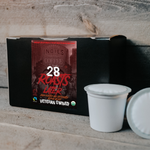
Convenience does not require surrendering flavor. The key is choosing quality coffee in pods and running a clean machine. Avoid using the largest cup setting if it makes your coffee taste watered down. A smaller setting often produces a fuller, more satisfying cup.
Single-serve coffee is a good answer for rushed mornings, shared kitchens, and people who want variety without opening several bags at once. Choose a roast level based on taste, not marketing noise: medium for balance, dark for boldness, and decaf when you want the ritual without a late-night fight with your sleep schedule.
Cold brew favors coffees with low perceived acidity, chocolate-like sweetness, and a smooth finish. Medium-dark and dark roasts are dependable choices, though a fruity medium roast can make an excellent cold brew if you want something brighter.
Steep coarse grounds in cold water for 12 to 18 hours, then strain. Start with a concentrate ratio you enjoy and dilute with water, milk, or ice. Cold brew is forgiving, but it is not invincible. Weak beans will still make weak cold brew.
A highly caffeinated coffee can be a great tool when the morning demands extra firepower. But caffeine level alone does not make coffee better. If the flavor is flat, harsh, or stale, more caffeine just means you are more awake to notice it.
Choose high-caffeine options when that is the point. Choose decaf when you want a late cup without sacrificing sleep. And choose based on roast and flavor when the cup itself matters most. A good coffee lineup has room for all three because mornings, afternoons, and night shifts do not ask the same thing from you.
Start with fresh coffee, clean your brewer regularly, use water that tastes good on its own, and measure your grounds instead of guessing every day. A useful starting point is about two tablespoons of ground coffee for every six ounces of water, then adjust to taste. If you like a stronger cup, add coffee before you add less water.
For coffee drinkers who want freshness without another errand, a recurring delivery can keep the cabinet stocked and the routine simple. Indies Coffee is built for that kind of daily commitment: organic coffee with clear roast choices, real flavor, and none of the corporate-coffee shrinkage disguised as convenience.
The right bag should make you want to set the mug down for a second and take another smell before the first sip. Find the roast that fits your taste, brew it with intention, and let your home coffee become one part of the day that refuses to be average.
Your morning coffee should not taste like it spent six months under fluorescent lights waiting for someone to settle. The best coffee for home brewing is fresh, deliberately roasted, and matched to the way you actually make coffee - whether that is a fast K-Cup before work, a French press on Saturday, or cold brew ready in the fridge.
Forget the giant wall of anonymous bags with vague tasting notes and no clear roast date. Better coffee at home starts with knowing what you like, buying beans that have a purpose, and keeping a few simple brewing variables under control. You do not need a lab coat or a $500 grinder. You need coffee with real flavor and a routine you will stick with.
Freshness is the first line of defense against a flat cup. Coffee beans release carbon dioxide after roasting, then gradually lose the fragrant oils and compounds that give coffee its aroma, sweetness, and character. A bag can look premium while delivering a tired, papery brew if it has been sitting in a warehouse too long.
Look for freshly roasted coffee from a roaster that treats the bean like the main event, not an afterthought behind flashy packaging. Once opened, store beans in a cool, dark cabinet in their original sealed bag or an airtight container. Skip the refrigerator. Coffee absorbs odors easily, and condensation can damage the flavor.
The right coffee also has to fit your palate. “Best” does not automatically mean the lightest roast, the most expensive single origin, or the darkest cup that can stand a spoon upright. It means a coffee you look forward to drinking black or with the amount of cream and sugar you honestly use. That is not surrender. That is choosing coffee for your real life.
Roast level gives you the fastest path to a better purchase. It affects how the coffee tastes, how it behaves in different brewers, and how much origin character comes through.
Light roast coffee usually holds onto more of the bean’s original personality. Expect brighter acidity and flavors that can lean toward citrus, fruit, florals, honey, or tea-like sweetness. It is a strong choice for pour-over, drip coffee, and anyone who drinks coffee black and wants more than a generic “coffee” taste.
The trade-off is that light roasts can expose sloppy brewing. Water that is too cool or a grind that is too coarse may leave the cup sour, thin, or underdeveloped. Use hot water, a consistent grind, and give it a fair shot before deciding it is not for you.
Medium roast is often the best place to start for households with different preferences. It can offer caramel, chocolate, toasted nut, and fruit notes without the sharp edge some people associate with lighter coffee or the smoky weight of darker roasts.
It performs well in drip machines, pour-overs, French presses, and refillable single-serve pods. If you want one dependable bag that can handle weekday autopilot and a slower weekend cup, medium roast makes a strong case.
Dark roast is for people who want depth, body, and a coffee flavor that does not vanish when milk enters the picture. A well-roasted dark coffee can bring bittersweet chocolate, roasted sugar, spice, and a satisfying smoky finish. It is especially good in a French press, moka pot, espresso-style brewer, or classic drip machine.
Dark does not have to mean burnt. There is a difference between a purposeful dark roast and beans roasted until every origin characteristic is erased. The goal is a full, commanding cup with sweetness beneath the intensity.
If your coffee usually gets cream, milk, or a splash of something stronger after dinner, a French or Italian-style roast is often the smarter move. It has enough backbone to stay present.
Grinding immediately before brewing is one of the biggest upgrades available to a home coffee drinker. Whole beans protect their flavor longer. Once coffee is ground, much more surface area meets oxygen, and the aromas you paid for start escaping fast.
A burr grinder gives more even particles than a blade grinder, which means more even extraction and fewer strange bitter or sour notes. It is useful, but do not let equipment snobbery stop you from making a better cup tomorrow. Pre-ground coffee can still be excellent when it is fresh and ground for the brewer you use.
Match the grind to your method. Use a medium grind for most drip machines, a coarser grind for French press and cold brew, and a finer grind for espresso-style brewing. If coffee tastes harsh and bitter, try a slightly coarser grind or a shorter brew time. If it tastes sour or weak, go finer, use hotter water, or allow more contact time.
The best coffee in a café can disappoint at home if it does not suit your equipment. Your brewer is not a limitation. It is the mission profile.
Drip machines reward balanced coffees with enough sweetness and body to stay interesting through a full mug. Medium roasts are reliable here, while darker roasts are a solid option for people who prefer a heavier, diner-style cup without the stale grocery-store baggage.
Use clean equipment and filtered water when possible. Old coffee oils hiding in the carafe or basket can ruin fresh beans faster than a questionable office meeting ruins a good mood.
Pour-over gives you control over water flow, temperature, and brew time. It is ideal for light and medium roasts with distinctive fruit, cocoa, or caramel notes. The process takes a little attention, but the payoff is clarity. You can taste the coffee instead of just the roast.
Keep your pour steady, and do not chase perfection on day one. A simple repeatable routine beats a complicated ritual that turns coffee into homework.
French press brewing creates a heavier body because metal filtration allows more natural coffee oils into the cup. Medium-dark and dark roasts shine here, particularly if you want chocolatey, deep flavors and a substantial mouthfeel.
Use a coarse grind, steep for about four minutes, and pour the coffee out once it is ready. Letting it sit on the grounds keeps extraction going and can make the last cup unpleasantly bitter.
Convenience does not require surrendering flavor. The key is choosing quality coffee in pods and running a clean machine. Avoid using the largest cup setting if it makes your coffee taste watered down. A smaller setting often produces a fuller, more satisfying cup.
Single-serve coffee is a good answer for rushed mornings, shared kitchens, and people who want variety without opening several bags at once. Choose a roast level based on taste, not marketing noise: medium for balance, dark for boldness, and decaf when you want the ritual without a late-night fight with your sleep schedule.
Cold brew favors coffees with low perceived acidity, chocolate-like sweetness, and a smooth finish. Medium-dark and dark roasts are dependable choices, though a fruity medium roast can make an excellent cold brew if you want something brighter.
Steep coarse grounds in cold water for 12 to 18 hours, then strain. Start with a concentrate ratio you enjoy and dilute with water, milk, or ice. Cold brew is forgiving, but it is not invincible. Weak beans will still make weak cold brew.
A highly caffeinated coffee can be a great tool when the morning demands extra firepower. But caffeine level alone does not make coffee better. If the flavor is flat, harsh, or stale, more caffeine just means you are more awake to notice it.
Choose high-caffeine options when that is the point. Choose decaf when you want a late cup without sacrificing sleep. And choose based on roast and flavor when the cup itself matters most. A good coffee lineup has room for all three because mornings, afternoons, and night shifts do not ask the same thing from you.
Start with fresh coffee, clean your brewer regularly, use water that tastes good on its own, and measure your grounds instead of guessing every day. A useful starting point is about two tablespoons of ground coffee for every six ounces of water, then adjust to taste. If you like a stronger cup, add coffee before you add less water.
For coffee drinkers who want freshness without another errand, a recurring delivery can keep the cabinet stocked and the routine simple. Indies Coffee is built for that kind of daily commitment: organic coffee with clear roast choices, real flavor, and none of the corporate-coffee shrinkage disguised as convenience.
The right bag should make you want to set the mug down for a second and take another smell before the first sip. Find the roast that fits your taste, brew it with intention, and let your home coffee become one part of the day that refuses to be average.