
0 item(s)
View cart
You have no items in your shopping cart.
Most bad decaf has one thing in common: it was treated like an afterthought long before it reached your mug. A real decaf coffee comparison starts with that hard truth. If you have ever settled for a flat, papery cup just because you wanted less caffeine, the problem was not decaf itself. The problem was stale coffee, weak sourcing, or a roast profile designed to hide a flavor deficit.
Great decaf should still smell like coffee when you open the bag. It should brew with body, character, and a finish worth coming back for. Whether you drink it after dinner, cut caffeine for health reasons, or simply want a second cup without launching yourself into orbit, you do not need to surrender the good stuff.
The label on a bag can make decaf shopping feel more complicated than it is. Processing method matters, but it is only one part of the fight. Freshness, roast level, bean quality, and the way you brew all have a major say in the final cup.
Start with freshness. Coffee loses aromatic compounds over time, and decaf can be especially unforgiving when it sits around too long. A freshly roasted decaf has more room to show sweetness, chocolate, fruit, spice, or roasted-nut character. An old bag often tastes hollow no matter how impressive the processing language sounds.
Then consider roast. Light decaf can preserve more origin character, but it is also harder to roast well because decaffeinated beans behave differently under heat. Medium decaf is usually the most balanced lane, offering sweetness and body without burying every detail. Dark decaf delivers a heavier, smokier profile that works beautifully for people who want a serious mug, espresso-style drinks, or a splash of cream.
Finally, consider the coffee itself. Decaffeination does not turn mediocre green coffee into great coffee. Quality beans, careful roasting, and a roast date worth respecting still separate a memorable cup from corporate filler.
Coffee is decaffeinated before roasting, while the beans are still green. The goal is to remove most of the caffeine while preserving the compounds that give coffee its flavor. No process keeps every last molecule exactly where it started, so there is always a trade-off. The best method for you depends on what you value most: clarity, body, ingredient preferences, or flavor style.
Swiss Water decaf uses water, temperature, time, and a caffeine-specific filtration system. It is a popular choice for drinkers who want a process without added chemical solvents. The method can produce a clean cup with bright flavor definition, especially in medium and lighter roasts.
The trade-off is that Swiss Water coffee is not automatically better just because the name is on the bag. If the beans were ordinary, roasted carelessly, or stored for months, the cup will still disappoint. Look for it when you prefer a transparent, clean-tasting decaf and want the processing approach to be a central part of your purchase decision.
Mountain Water processing is another water-based approach, often associated with beans processed in Mexico. Like Swiss Water, it uses water and filtration to remove caffeine rather than relying on direct chemical solvents. It can preserve a rounded body and pleasant sweetness, making it a strong option for drip coffee and everyday drinking.
In a side-by-side cup, the difference between Mountain Water and Swiss Water may be subtle. Origin, roast development, and freshness can matter more than the method printed in bold type. Think of both as credible choices, then let flavor lead.
Ethyl acetate, sometimes called EA decaf or naturally decaffeinated coffee, uses ethyl acetate to bond with and remove caffeine. Ethyl acetate can be derived from natural sources such as sugarcane, which is why some versions are marketed as sugarcane decaf.
Well-executed EA coffee often has impressive sweetness, body, and a fuller mouthfeel. It can be an excellent pick for dark-roast fans or anyone who misses the weight of regular coffee. The downside is not danger or inferiority - commercially sold decaf must meet strict residue standards - but preference. Some drinkers notice a slightly different flavor profile, while others find it richer and more satisfying than water-processed options.
Methylene chloride processing has been used in coffee for decades and is effective at selectively removing caffeine while preserving many desirable flavor compounds. It is a regulated method, and finished coffee is required to meet extremely low residue limits.
Still, some customers would rather avoid it based on personal preference. That is a fair call. The practical point is to separate process preference from flavor assumptions. A water-processed coffee is not guaranteed to taste better, and a solvent-processed coffee is not automatically low quality. Buy from a roaster that tells you what is in the bag and lets the coffee earn its place in your routine.
If you like a crisp pour-over with notes that feel lively and distinct, choose a light-to-medium decaf from a roaster that knows how to develop it without baking out the personality. This is where the coffee's origin can still speak up, with flavors that may lean toward citrus, caramel, florals, or stone fruit.
For the daily-drinker crowd, medium roast is the workhorse. It usually brings enough sweetness and balance to work black, with milk, or over ice. A medium decaf is often the safest first bag if you are switching from regular coffee and do not want a dramatic change in your cup.
Dark roast decaf is for drinkers who want no apologies and no thin, tea-like nonsense. Expect deeper cocoa, toasted sugar, roasted nuts, and a heavier finish. It is particularly dependable in a drip maker, French press, moka pot, or as the foundation for a decaf latte. Dark roasts do have less origin-specific nuance, but that is not a flaw when boldness is the mission.
The right format is the one you will actually use before it goes stale. Whole bean gives you the most control and the best shot at peak aroma, especially if you own a burr grinder. Grind just before brewing, and decaf will show far more life than its grocery-store reputation suggests.
Pre-ground decaf makes sense when convenience wins. Use it quickly after opening, seal it tightly, and avoid stocking up for the next apocalypse. Coffee is not a canned good. It is a fresh product with a flavor clock running from roast day.
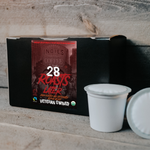
Decaf K-Cups are the move for fast, consistent single servings. They are not designed to deliver the same depth as a carefully dialed-in whole-bean brew, but a well-made pod can beat a rushed cup from a chain every day of the week. Cold brew packs suit drinkers who want a low-acid, smooth decaf option ready in the fridge. The extraction is slower, the cup is softer, and it is especially good over ice.
Do not compare five bags in one afternoon and expect clear answers. Pick two coffees with similar roast levels and brew them the same way. Use the same water, dose, grind setting, and cup size. Taste each black first, then add milk or sweetener if that is how you normally drink coffee.
Pay attention to body, sweetness, aroma, and finish. Does one taste watery? Does it leave a dry, woody note behind? Does the flavor stay interesting as the coffee cools? The right decaf should not merely be acceptable because it has less caffeine. It should be a coffee you would choose on its own merits.
Caffeine content deserves a reality check, too. Decaf is not caffeine-free. A cup usually contains a small amount, and the exact level varies by bean, process, brewing method, and serving size. If you are highly caffeine-sensitive or avoiding caffeine under medical guidance, check with your clinician and treat decaf as reduced-caffeine coffee, not a zero-caffeine loophole.
There is no universal winner between Swiss Water, Mountain Water, EA, or traditional solvent processing. A clean, bright medium roast may be perfect for one person and too light for another. A dark, syrupy EA decaf may feel like the real deal to an espresso lover and too heavy for someone chasing origin notes.
What should not be negotiable is flavor integrity. Choose coffee with a roast profile you genuinely enjoy, a processing method you feel good about, and freshness that has not been sacrificed to warehouse shelves. Indies Coffee believes decaf drinkers deserve the same straight-shooting flavor standards as everyone else.
Your caffeine cutoff does not have to be a compromise. Brew a cup that tastes like it belongs in your day, whether it is your first mug, your last, or the one that lets you sleep like a human being.
Most bad decaf has one thing in common: it was treated like an afterthought long before it reached your mug. A real decaf coffee comparison starts with that hard truth. If you have ever settled for a flat, papery cup just because you wanted less caffeine, the problem was not decaf itself. The problem was stale coffee, weak sourcing, or a roast profile designed to hide a flavor deficit.
Great decaf should still smell like coffee when you open the bag. It should brew with body, character, and a finish worth coming back for. Whether you drink it after dinner, cut caffeine for health reasons, or simply want a second cup without launching yourself into orbit, you do not need to surrender the good stuff.
The label on a bag can make decaf shopping feel more complicated than it is. Processing method matters, but it is only one part of the fight. Freshness, roast level, bean quality, and the way you brew all have a major say in the final cup.
Start with freshness. Coffee loses aromatic compounds over time, and decaf can be especially unforgiving when it sits around too long. A freshly roasted decaf has more room to show sweetness, chocolate, fruit, spice, or roasted-nut character. An old bag often tastes hollow no matter how impressive the processing language sounds.
Then consider roast. Light decaf can preserve more origin character, but it is also harder to roast well because decaffeinated beans behave differently under heat. Medium decaf is usually the most balanced lane, offering sweetness and body without burying every detail. Dark decaf delivers a heavier, smokier profile that works beautifully for people who want a serious mug, espresso-style drinks, or a splash of cream.
Finally, consider the coffee itself. Decaffeination does not turn mediocre green coffee into great coffee. Quality beans, careful roasting, and a roast date worth respecting still separate a memorable cup from corporate filler.
Coffee is decaffeinated before roasting, while the beans are still green. The goal is to remove most of the caffeine while preserving the compounds that give coffee its flavor. No process keeps every last molecule exactly where it started, so there is always a trade-off. The best method for you depends on what you value most: clarity, body, ingredient preferences, or flavor style.
Swiss Water decaf uses water, temperature, time, and a caffeine-specific filtration system. It is a popular choice for drinkers who want a process without added chemical solvents. The method can produce a clean cup with bright flavor definition, especially in medium and lighter roasts.
The trade-off is that Swiss Water coffee is not automatically better just because the name is on the bag. If the beans were ordinary, roasted carelessly, or stored for months, the cup will still disappoint. Look for it when you prefer a transparent, clean-tasting decaf and want the processing approach to be a central part of your purchase decision.
Mountain Water processing is another water-based approach, often associated with beans processed in Mexico. Like Swiss Water, it uses water and filtration to remove caffeine rather than relying on direct chemical solvents. It can preserve a rounded body and pleasant sweetness, making it a strong option for drip coffee and everyday drinking.
In a side-by-side cup, the difference between Mountain Water and Swiss Water may be subtle. Origin, roast development, and freshness can matter more than the method printed in bold type. Think of both as credible choices, then let flavor lead.
Ethyl acetate, sometimes called EA decaf or naturally decaffeinated coffee, uses ethyl acetate to bond with and remove caffeine. Ethyl acetate can be derived from natural sources such as sugarcane, which is why some versions are marketed as sugarcane decaf.
Well-executed EA coffee often has impressive sweetness, body, and a fuller mouthfeel. It can be an excellent pick for dark-roast fans or anyone who misses the weight of regular coffee. The downside is not danger or inferiority - commercially sold decaf must meet strict residue standards - but preference. Some drinkers notice a slightly different flavor profile, while others find it richer and more satisfying than water-processed options.
Methylene chloride processing has been used in coffee for decades and is effective at selectively removing caffeine while preserving many desirable flavor compounds. It is a regulated method, and finished coffee is required to meet extremely low residue limits.
Still, some customers would rather avoid it based on personal preference. That is a fair call. The practical point is to separate process preference from flavor assumptions. A water-processed coffee is not guaranteed to taste better, and a solvent-processed coffee is not automatically low quality. Buy from a roaster that tells you what is in the bag and lets the coffee earn its place in your routine.
If you like a crisp pour-over with notes that feel lively and distinct, choose a light-to-medium decaf from a roaster that knows how to develop it without baking out the personality. This is where the coffee's origin can still speak up, with flavors that may lean toward citrus, caramel, florals, or stone fruit.
For the daily-drinker crowd, medium roast is the workhorse. It usually brings enough sweetness and balance to work black, with milk, or over ice. A medium decaf is often the safest first bag if you are switching from regular coffee and do not want a dramatic change in your cup.
Dark roast decaf is for drinkers who want no apologies and no thin, tea-like nonsense. Expect deeper cocoa, toasted sugar, roasted nuts, and a heavier finish. It is particularly dependable in a drip maker, French press, moka pot, or as the foundation for a decaf latte. Dark roasts do have less origin-specific nuance, but that is not a flaw when boldness is the mission.
The right format is the one you will actually use before it goes stale. Whole bean gives you the most control and the best shot at peak aroma, especially if you own a burr grinder. Grind just before brewing, and decaf will show far more life than its grocery-store reputation suggests.
Pre-ground decaf makes sense when convenience wins. Use it quickly after opening, seal it tightly, and avoid stocking up for the next apocalypse. Coffee is not a canned good. It is a fresh product with a flavor clock running from roast day.
Decaf K-Cups are the move for fast, consistent single servings. They are not designed to deliver the same depth as a carefully dialed-in whole-bean brew, but a well-made pod can beat a rushed cup from a chain every day of the week. Cold brew packs suit drinkers who want a low-acid, smooth decaf option ready in the fridge. The extraction is slower, the cup is softer, and it is especially good over ice.
Do not compare five bags in one afternoon and expect clear answers. Pick two coffees with similar roast levels and brew them the same way. Use the same water, dose, grind setting, and cup size. Taste each black first, then add milk or sweetener if that is how you normally drink coffee.
Pay attention to body, sweetness, aroma, and finish. Does one taste watery? Does it leave a dry, woody note behind? Does the flavor stay interesting as the coffee cools? The right decaf should not merely be acceptable because it has less caffeine. It should be a coffee you would choose on its own merits.
Caffeine content deserves a reality check, too. Decaf is not caffeine-free. A cup usually contains a small amount, and the exact level varies by bean, process, brewing method, and serving size. If you are highly caffeine-sensitive or avoiding caffeine under medical guidance, check with your clinician and treat decaf as reduced-caffeine coffee, not a zero-caffeine loophole.
There is no universal winner between Swiss Water, Mountain Water, EA, or traditional solvent processing. A clean, bright medium roast may be perfect for one person and too light for another. A dark, syrupy EA decaf may feel like the real deal to an espresso lover and too heavy for someone chasing origin notes.
What should not be negotiable is flavor integrity. Choose coffee with a roast profile you genuinely enjoy, a processing method you feel good about, and freshness that has not been sacrificed to warehouse shelves. Indies Coffee believes decaf drinkers deserve the same straight-shooting flavor standards as everyone else.
Your caffeine cutoff does not have to be a compromise. Brew a cup that tastes like it belongs in your day, whether it is your first mug, your last, or the one that lets you sleep like a human being.