
0 item(s)
View cart
You have no items in your shopping cart.
That bag of coffee on the grocery shelf may have a “best by” date months away, but that does not mean it is bringing its best fight to your mug. Coffee freshness duration is about flavor, aroma, and the living character of a roast - not whether the coffee has technically become unsafe to drink.
Fresh coffee should smell like something before you even brew it. Crack open a bag and you should catch chocolate, fruit, toasted nuts, caramel, spice, or whatever that particular bean was built to deliver. When those aromas fade, the cup gets flatter, duller, and more bitter. That is the difference between coffee that wakes you up and coffee that merely occupies space in a cabinet.
Roasting transforms a dense green seed into the coffee bean you know, but it also starts a clock. During roasting, coffee releases carbon dioxide. That process, called degassing, matters because too much gas can interfere with brewing, while too little usually means the bean has lost much of the aromatic material that creates a great cup.
For most whole-bean coffee, the sweet spot begins a few days after roasting and commonly runs through about two to four weeks. Many coffees remain enjoyable beyond that window, especially when stored well, but peak clarity and intensity gradually decline. Lighter roasts can need a little extra time to settle, while darker roasts may be ready sooner and can fade faster because their structure is more porous.
There is no single expiration alarm that rings on day 29. Coffee freshness depends on roast level, packaging, storage, grind size, and your preferred brewing method. A dark roast brewed in a French press may still taste satisfying after a month, while a delicate light roast prepared as a pour-over will reveal staleness much sooner.
The point is not to obsess over a calendar. It is to stop treating roast date as irrelevant. Corporate coffee trained people to accept mystery bags with no roast date, no personality, and no real expectation of flavor. You do not have to settle for that.
Time gets blamed for stale coffee, but oxygen is usually the saboteur. Once roasted beans meet air, oxidation begins stripping away the volatile compounds responsible for coffee’s aroma and complexity. Heat, sunlight, humidity, and constant temperature swings accelerate the damage.
Grinding raises the stakes. A whole bean has relatively little surface area exposed to air. Grind it, and you create thousands of tiny surfaces ready to lose flavor fast. That is why coffee ground weeks ago can taste like cardboard, even if the bag was sealed until yesterday.
If you want maximum control, buy whole beans and grind only what you need right before brewing. This one habit makes a bigger difference than chasing expensive gadgets or complicated brew rituals. A capable burr grinder and fresh beans will beat pre-ground coffee in a fancy brewer nearly every time.
That does not mean pre-ground coffee is forbidden. Convenience has a place, especially on packed mornings, at the office, or when you need a clean, quick cup without another task on the counter. Just buy smaller quantities and use them promptly. The trade-off is simple: pre-ground coffee saves time, while whole bean coffee holds flavor longer.
Each format has its own practical window. Packaging quality and storage can shift these timelines, but they are useful targets for buying what you can actually enjoy while it is still firing on all cylinders.
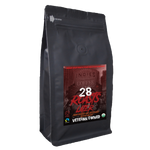
Unopened, properly sealed whole beans can remain very good for several weeks after roasting. Once opened, aim to use them within two to four weeks for the fullest flavor. You can certainly brew them later, but the cup may lose sweetness, aroma, and definition.
If your household drinks coffee every day, choose bag sizes that move quickly. Buying a giant bag because the price per ounce looks better is not a bargain if the last third tastes tired. Freshness is part of the value.
Ground coffee is best used within one to two weeks after opening, and sooner is better. It can still make coffee beyond that, but it will not deliver the same punch. Keep the bag tightly sealed and avoid repeatedly leaving it open while you hunt for a scoop.
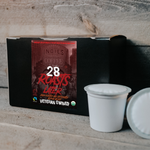
K-Cups are sealed against air better than an open bag of grounds, so they can maintain quality longer. Check the package date and store them in a cool, dry cabinet. The coffee inside is ground, though, so it will not have the same aroma and dimension as beans ground moments before brewing.
That is the trade-off for speed. When you need one fast, consistent cup before work, a fresh single-serve pod is a better move than stale bulk grounds sitting in a canister since last season.
Cold brew packs should be treated like ground coffee: keep them sealed, dry, and moving through your pantry. Since cold brewing tends to emphasize chocolatey, smooth, lower-acid notes, it can be forgiving of minor freshness loss. But good cold brew still starts with coffee that has not been sitting around collecting dust.
Once brewed, coffee changes quickly. Black hot coffee is at its best immediately and is generally worth drinking within 30 minutes. A thermal carafe can hold it acceptably for an hour or two, but a heated burner keeps cooking the coffee and can turn a decent roast harsh.
Cold brew concentrate lasts much longer in the refrigerator, often around seven to 10 days when stored in a clean, sealed container. If it starts smelling sour in an unpleasant way or develops an off flavor, let it go.
Coffee does not need a tactical bunker. It needs a stable, boring environment: cool, dark, dry, and sealed. The original bag is often a good choice if it is resealable and has a one-way valve. Otherwise, move your coffee to an opaque, airtight container.
Keep these rules in play:
Freezing is different. If you bought more fresh coffee than you can use in a month, divide it into small, airtight portions and freeze the portions you will not open soon. Take out one portion at a time and let it reach room temperature before opening. That prevents moisture from collecting on the beans. Freezing is a preservation tactic, not a substitute for buying coffee with a sensible plan.
Stale coffee is not always dramatic. More often, it is disappointing in a quiet, familiar way. The bag has little fragrance. The bloom during pour-over brewing looks weak. Espresso runs thin and lacks crema. The cup tastes papery, woody, overly bitter, or strangely hollow.
Before blaming the coffee, check your brewing variables. Water that is too cool, an incorrect grind, a dirty grinder, old filters, or poor water quality can make fresh beans taste bad. But if your process is steady and the coffee suddenly seems lifeless, freshness is the first suspect.
A simple smell test helps. Fresh beans should offer a noticeable aroma after grinding. If you have to work to smell anything, the coffee likely will not have much to say in the cup.
The best coffee purchase is not the largest bag or the most elaborate collection. It is the amount you will finish while it still tastes like the roaster intended. A daily two-cup drinker might move through a 12-ounce bag quickly. A weekend-only brewer may be better served by smaller bags, pods, or a subscription cadence that matches real consumption.
This is where fresh-roasted coffee earns its place. Indies Coffee is built for people who want their morning cup to taste intentional, not mass-produced and forgotten in a warehouse. Choose the roast that fits your palate, order on a schedule that fits your routine, and keep the supply line moving.
Your coffee does not need to be precious. It should be used, enjoyed, and brewed without ceremony when life gets loud. Just give it a fighting chance: buy fresh, protect it from air and heat, grind close to brew time, and do not let a great roast die a slow death in the back of the pantry.