
0 item(s)
View cart
You have no items in your shopping cart.
Cold coffee should not taste like a compromise made at 6 a.m. It should be bold, smooth, and ready when the day starts swinging. This cold brew packs review cuts through the polished corporate-coffee talk and focuses on what actually earns a spot in your fridge: coffee that tastes fresh, brews cleanly, and does not demand a science project before the first sip.
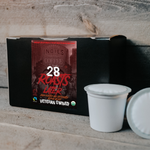
Cold brew packs are built for people who want real coffee flavor without grinding beans, measuring scoops, filtering sludge, or paying drive-thru prices every morning. Drop a pack in water, let time do its work, and pull a cold, concentrated brew from the fridge. It is simple by design. But not every pack delivers the same result.
A cold brew pack is essentially a pre-portioned bag of ground coffee made for long, cold-water steeping. The format sounds basic because it is. That is the point. A good pack removes the messy parts of homemade cold brew while keeping control in your hands.
The biggest advantage is consistency. Loose grounds leave plenty of room for error: too much coffee, too little water, a rushed steep, a filter that collapses halfway through pouring. Pre-measured packs set a dependable baseline. You still control the strength by adjusting water and dilution, but the coffee-to-water starting point is handled.
They also make sense for busy households. One pack can brew a batch for several mornings, which means less daily waste and fewer frantic stops for overpriced iced coffee. For anyone who drinks cold coffee year-round, that convenience adds up fast.
There is a trade-off. Cold brew packs are not the best choice if you love changing your recipe every day or experimenting with several single-origin coffees at once. Whole beans and a scale offer more precision. But for a reliable, low-maintenance batch, packs are hard to beat.
The bag itself is not the product. The coffee inside it is. That sounds obvious, yet plenty of cold brew options rely on clever packaging while serving coffee that tastes flat, dusty, or aggressively bitter after a long steep.
Freshness comes first. Coffee has a limited window where its aroma and flavor are most alive. A cold extraction is gentler than hot brewing, but it cannot rescue stale grounds. If the coffee went dull before it reached the pack, the finished drink will often taste woody, thin, or strangely hollow.
Roast profile matters just as much. Many cold brew drinkers naturally gravitate toward medium-dark or dark roasts because they can bring chocolate, toasted nut, and deep caramel notes that hold up well over ice and milk. A well-built medium roast can also make exceptional cold brew, especially for drinkers who want more sweetness and a cleaner finish. The right answer depends on whether you want your glass to feel smooth and rich or brighter and more layered.
Grind quality is the quiet difference-maker. Cold brew needs a coarse, even grind. Grounds that are too fine can create murky coffee, bitter edges, and sediment. Grounds that are too coarse may under-extract and leave the batch weak. A quality pack should steep cleanly, with a filter strong enough to contain the grounds and porous enough to let the coffee develop fully.
Finally, look at ingredient transparency. Coffee should taste like coffee. If you want flavored cold brew, choose it because you want that profile, not because additives are disguising weak beans. A straightforward pack made with quality roasted coffee has nowhere to hide, and that is a good thing.
Cold brew gets marketed as smooth so often that the word has almost lost meaning. In practical terms, smooth cold brew should have low harshness without tasting watered down. It should feel rounded, not lifeless.
A strong cold brew pack delivers body and flavor even after ice hits the glass. Expect notes that lean toward cocoa, brown sugar, roasted nuts, or dark fruit depending on the roast. The finish should be clean enough to keep drinking, not so dry or burnt that you need flavored syrup to cover it up.
If you drink your coffee black, pay attention to clarity. Great cold brew can be rich without becoming muddy. If you add cream, look for enough backbone to stay present under milk. And if your preferred move is a cold brew concentrate over ice with a splash of water, favor a pack that brews deep and dense rather than one that starts out timid.
Caffeine deserves an honest mention, too. Cold brew can feel deceptively easy to drink because it lacks the sharp bite some people associate with hot coffee. That does not automatically make it low-caffeine. Strength depends on the coffee, the brew ratio, steep time, and how much you dilute the final batch. Smooth coffee can still carry serious horsepower.
The process should be easy, but a few choices separate an average pitcher from a fridge staple. Start with cold, filtered water if your tap water has a strong mineral or chlorine taste. Coffee is mostly water, so bad water will not disappear just because the brew is cold.
Use a clean glass pitcher or jar with enough room for the pack and water. Let it steep in the refrigerator for roughly 12 to 18 hours. The shorter end usually produces a lighter, cleaner profile. The longer end builds more intensity and body. Going far beyond that window can sometimes pull out woody or overly heavy notes, so longer is not automatically better.
Once steeped, remove the pack without squeezing it aggressively. Squeezing can push fine sediment and bitter compounds into the batch. Serve the brew over ice, then adjust it to your taste. Add water for a lighter drink, milk for a fuller one, or leave it strong if that is how you operate.
Do not judge a pack solely by the first sip straight from the pitcher. Cold brew is often designed to be poured over ice or diluted slightly. Taste it both ways before deciding whether it is too strong or too mild.
Cold brew packs are ideal for the person who wants better coffee with less ceremony. They fit early shifts, gym mornings, work-from-home routines, road trips, and anyone tired of buying iced coffee one cup at a time. They are also a strong option for households where one person likes coffee black and another adds cream, since a concentrated batch gives both drinkers room to make it their own.
They are less ideal for someone who only drinks one small cup of coffee per week. A fresh batch is best enjoyed within several days, and brewing a full pitcher for occasional use can create waste. In that case, a smaller brewing format may be smarter.
For daily cold coffee drinkers, though, the math is simple. Make one batch, keep it cold, and stop handing your coffee budget to a corporation that treats flavor like an afterthought.
The best cold brew packs deliver three things: freshly roasted coffee character, a clean and convenient brew process, and enough flavor to stand up to ice. Fancy claims do not matter if the result is stale, weak, or bitter. A good pack earns repeat fridge space because it makes the morning easier without turning coffee into a bland commodity.
Indies Coffee cold brew packs fit the kind of routine built around strong flavor and zero corporate nonsense. Choose a roast that matches your palate, give the batch the time it deserves, and keep a pitcher ready. The next time the day calls for cold coffee, you will not need a line, an app, or permission to make it your way.
Cold coffee should not taste like a compromise made at 6 a.m. It should be bold, smooth, and ready when the day starts swinging. This cold brew packs review cuts through the polished corporate-coffee talk and focuses on what actually earns a spot in your fridge: coffee that tastes fresh, brews cleanly, and does not demand a science project before the first sip.
Cold brew packs are built for people who want real coffee flavor without grinding beans, measuring scoops, filtering sludge, or paying drive-thru prices every morning. Drop a pack in water, let time do its work, and pull a cold, concentrated brew from the fridge. It is simple by design. But not every pack delivers the same result.
A cold brew pack is essentially a pre-portioned bag of ground coffee made for long, cold-water steeping. The format sounds basic because it is. That is the point. A good pack removes the messy parts of homemade cold brew while keeping control in your hands.
The biggest advantage is consistency. Loose grounds leave plenty of room for error: too much coffee, too little water, a rushed steep, a filter that collapses halfway through pouring. Pre-measured packs set a dependable baseline. You still control the strength by adjusting water and dilution, but the coffee-to-water starting point is handled.
They also make sense for busy households. One pack can brew a batch for several mornings, which means less daily waste and fewer frantic stops for overpriced iced coffee. For anyone who drinks cold coffee year-round, that convenience adds up fast.
There is a trade-off. Cold brew packs are not the best choice if you love changing your recipe every day or experimenting with several single-origin coffees at once. Whole beans and a scale offer more precision. But for a reliable, low-maintenance batch, packs are hard to beat.
The bag itself is not the product. The coffee inside it is. That sounds obvious, yet plenty of cold brew options rely on clever packaging while serving coffee that tastes flat, dusty, or aggressively bitter after a long steep.
Freshness comes first. Coffee has a limited window where its aroma and flavor are most alive. A cold extraction is gentler than hot brewing, but it cannot rescue stale grounds. If the coffee went dull before it reached the pack, the finished drink will often taste woody, thin, or strangely hollow.
Roast profile matters just as much. Many cold brew drinkers naturally gravitate toward medium-dark or dark roasts because they can bring chocolate, toasted nut, and deep caramel notes that hold up well over ice and milk. A well-built medium roast can also make exceptional cold brew, especially for drinkers who want more sweetness and a cleaner finish. The right answer depends on whether you want your glass to feel smooth and rich or brighter and more layered.
Grind quality is the quiet difference-maker. Cold brew needs a coarse, even grind. Grounds that are too fine can create murky coffee, bitter edges, and sediment. Grounds that are too coarse may under-extract and leave the batch weak. A quality pack should steep cleanly, with a filter strong enough to contain the grounds and porous enough to let the coffee develop fully.
Finally, look at ingredient transparency. Coffee should taste like coffee. If you want flavored cold brew, choose it because you want that profile, not because additives are disguising weak beans. A straightforward pack made with quality roasted coffee has nowhere to hide, and that is a good thing.
Cold brew gets marketed as smooth so often that the word has almost lost meaning. In practical terms, smooth cold brew should have low harshness without tasting watered down. It should feel rounded, not lifeless.
A strong cold brew pack delivers body and flavor even after ice hits the glass. Expect notes that lean toward cocoa, brown sugar, roasted nuts, or dark fruit depending on the roast. The finish should be clean enough to keep drinking, not so dry or burnt that you need flavored syrup to cover it up.
If you drink your coffee black, pay attention to clarity. Great cold brew can be rich without becoming muddy. If you add cream, look for enough backbone to stay present under milk. And if your preferred move is a cold brew concentrate over ice with a splash of water, favor a pack that brews deep and dense rather than one that starts out timid.
Caffeine deserves an honest mention, too. Cold brew can feel deceptively easy to drink because it lacks the sharp bite some people associate with hot coffee. That does not automatically make it low-caffeine. Strength depends on the coffee, the brew ratio, steep time, and how much you dilute the final batch. Smooth coffee can still carry serious horsepower.
The process should be easy, but a few choices separate an average pitcher from a fridge staple. Start with cold, filtered water if your tap water has a strong mineral or chlorine taste. Coffee is mostly water, so bad water will not disappear just because the brew is cold.
Use a clean glass pitcher or jar with enough room for the pack and water. Let it steep in the refrigerator for roughly 12 to 18 hours. The shorter end usually produces a lighter, cleaner profile. The longer end builds more intensity and body. Going far beyond that window can sometimes pull out woody or overly heavy notes, so longer is not automatically better.
Once steeped, remove the pack without squeezing it aggressively. Squeezing can push fine sediment and bitter compounds into the batch. Serve the brew over ice, then adjust it to your taste. Add water for a lighter drink, milk for a fuller one, or leave it strong if that is how you operate.
Do not judge a pack solely by the first sip straight from the pitcher. Cold brew is often designed to be poured over ice or diluted slightly. Taste it both ways before deciding whether it is too strong or too mild.
Cold brew packs are ideal for the person who wants better coffee with less ceremony. They fit early shifts, gym mornings, work-from-home routines, road trips, and anyone tired of buying iced coffee one cup at a time. They are also a strong option for households where one person likes coffee black and another adds cream, since a concentrated batch gives both drinkers room to make it their own.
They are less ideal for someone who only drinks one small cup of coffee per week. A fresh batch is best enjoyed within several days, and brewing a full pitcher for occasional use can create waste. In that case, a smaller brewing format may be smarter.
For daily cold coffee drinkers, though, the math is simple. Make one batch, keep it cold, and stop handing your coffee budget to a corporation that treats flavor like an afterthought.
The best cold brew packs deliver three things: freshly roasted coffee character, a clean and convenient brew process, and enough flavor to stand up to ice. Fancy claims do not matter if the result is stale, weak, or bitter. A good pack earns repeat fridge space because it makes the morning easier without turning coffee into a bland commodity.
Indies Coffee cold brew packs fit the kind of routine built around strong flavor and zero corporate nonsense. Choose a roast that matches your palate, give the batch the time it deserves, and keep a pitcher ready. The next time the day calls for cold coffee, you will not need a line, an app, or permission to make it your way.