
0 item(s)
View cart
You have no items in your shopping cart.
The real test in any coffee subscription box review is not the pretty packaging or the first discount. It is the moment you crack the bag, grind the beans, and get hit with an aroma that makes grocery-store coffee smell like an afterthought. A subscription should put fresher, better-fitting coffee in your hands without turning your morning routine into another chore.
That sounds simple. Plenty of coffee subscriptions make it complicated. Some send mystery selections that miss your taste entirely. Others lean hard on branding while treating roast dates like classified information. The good ones respect the fact that you know what you like, whether that means a sharp light roast, a balanced medium, or a dark roast with enough backbone to start the day right.
A coffee box earns its place on your counter when it delivers four things consistently: fresh roasting, real flavor choices, dependable timing, and enough flexibility to keep you in command. Everything else is secondary.
The word “subscription” should mean convenience, not surrender. You should not have to burn through a bag you do not enjoy just because a website decided to surprise you. Nor should you be locked into a delivery schedule that leaves you overstocked one month and empty the next.
For daily coffee drinkers, the value is bigger than saving a few clicks. A well-run plan removes the last-minute coffee run, keeps the beans moving while they are at their best, and lets you settle into a coffee routine that actually tastes intentional. But it depends on the roaster. Freshness and selection separate a useful subscription from corporate coffee wearing a nicer label.
Coffee is not a shelf-stable personality accessory. It is an agricultural product with a flavor window. Beans need a little rest after roasting, then they gradually lose the volatile aromatics that make a cup smell rich and taste alive. A subscription that sends coffee roasted close to shipment gives you a legitimate advantage over bags that have been sitting under fluorescent lights for months.
“Fresh” is easy to print on a bag. A clear roast date is harder to fake and far more useful. It tells you whether the coffee is likely to arrive with its character intact and helps you decide when to open it.
For most brewed coffee, beans often taste especially good after a few days of rest. Espresso can benefit from a longer resting period, particularly with darker roasts. That does not mean a bag becomes worthless after a couple of weeks. It means coffee changes over time, and a subscription should give you enough information to enjoy it on purpose instead of guessing.
Freshness also means shipping with common sense. If a company roasts to order but lets your box sit around before fulfillment, the benefit gets smaller. Reliable turnaround matters, especially if you live somewhere hot, humid, or far from major shipping routes.
Mystery can be fun once. It is less fun when your first cup on a Monday morning tastes like a fruit you never asked to meet. The strongest subscription model gives customers a clear route to the flavors they already enjoy, with room to experiment when they choose.
A dark-roast drinker should be able to stay dark without being nudged toward a delicate floral coffee simply because it is the roaster’s newest release. The same goes for someone who wants a brighter breakfast brew, a smooth decaf for late afternoons, or a high-caffeine option for early starts. Choice is not a luxury feature. It is how a subscription stays useful after the first delivery.
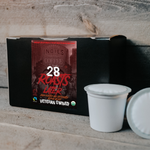
The format matters too. Whole beans give you the most control and generally the best flavor retention. Ground coffee is practical when convenience wins. K-Cups make sense for households that need a fast, repeatable cup, while cold brew packs are built for people who would rather prepare the week ahead than stand over a brewer every morning. A good coffee company recognizes that these are different routines, not different levels of coffee seriousness.
Do not buy by roast label alone. Light, medium, and dark are useful starting points, but brewing method, bean origin, and roast style all affect the final cup. A light roast can be crisp and citrusy or sweet and mellow. A dark roast can be smoky and intense, or chocolatey and smooth without tasting scorched.
If you use a drip maker, a balanced medium or bold dark roast is often an easy place to start. French press drinkers may enjoy coffees with heavier body. Pour-over fans can get more out of nuanced lighter roasts. For cold brew, look for chocolate, caramel, nut, and deep roast notes that remain satisfying over ice. The best subscription lets you make that call instead of boxing you into a preset “coffee journey.”
A subscription can be too frequent just as easily as it can be too slow. The right cadence depends on how much coffee your household drinks, how you brew it, and whether you rotate between several bags.
As a rough guide, one 12-ounce bag usually makes about 20 to 24 standard cups, depending on your recipe. A two-person household drinking two cups each morning can move through a bag fast. A solo drinker who alternates coffee with tea might be better off with a longer interval. Start conservatively, then adjust after the first month.
The best plans make skipping, pausing, changing quantity, or swapping a roast straightforward. Life changes. Travel happens. Someone gives you coffee as a gift. A subscription that punishes you for adjusting is built for the company’s inventory forecast, not for your kitchen.
Premium coffee costs more than a generic canister, and it should. Better sourcing, smaller roasting runs, packaging, and shipping are real expenses. Still, a subscription should offer a clear value proposition rather than hiding behind fancy language.
Compare cost per cup, not just the sticker price. If a fresh bag makes more than 20 satisfying cups, the difference from a daily cafe run is usually dramatic. The question is whether the coffee delivers enough flavor and consistency to justify replacing the cheaper bag you were tolerating.
Watch for shipping costs, automatic renewal details, and whether the advertised discount only applies to the first order. Those are not deal-breakers, but they should be plain. Independent brands earn trust by being direct about what you receive, when it ships, and what it costs after the introductory offer disappears.
Coffee subscriptions are also a vote for the kind of company you want in your cupboard. Mass-market brands are built for scale and broad sameness. Independent roasters can focus harder on freshness, bolder product character, and the people who actually drink their coffee every day.
That does not mean every small roaster is automatically better. A strong independent brand still needs consistent roasting, responsive service, and a subscription system that works when life gets busy. But when those pieces are in place, the purchase feels less anonymous. You know the coffee was made for drinkers with preferences, not for the widest possible supermarket aisle.
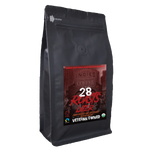
Indies Coffee fits that lane with a veteran-owned, anti-corporate point of view and a lineup built around clear roast choices, organic coffee, K-Cups, and cold brew packs. It is coffee for people who want a fresh cup and do not need a giant corporation to tell them what their morning should taste like.
A subscription is not mandatory for everyone. If you drink coffee only once or twice a week, buying bags as needed may prevent waste. If you love trying a different local roaster every weekend, committing to one recurring box can feel limiting. And if you have not figured out your preferred roast yet, a small variety order may be smarter than immediately setting up a monthly shipment.
But if coffee is part of your daily operating system, a subscription makes practical sense. You get consistency without settling for stale, anonymous coffee. You spend less time hunting for a decent bag and more time making the cup you actually want.
Start with the roast and format you already trust, choose a delivery schedule with breathing room, and pay attention to the roast date when the first box arrives. Your coffee subscription should serve your routine, not run it.
The real test in any coffee subscription box review is not the pretty packaging or the first discount. It is the moment you crack the bag, grind the beans, and get hit with an aroma that makes grocery-store coffee smell like an afterthought. A subscription should put fresher, better-fitting coffee in your hands without turning your morning routine into another chore.
That sounds simple. Plenty of coffee subscriptions make it complicated. Some send mystery selections that miss your taste entirely. Others lean hard on branding while treating roast dates like classified information. The good ones respect the fact that you know what you like, whether that means a sharp light roast, a balanced medium, or a dark roast with enough backbone to start the day right.
A coffee box earns its place on your counter when it delivers four things consistently: fresh roasting, real flavor choices, dependable timing, and enough flexibility to keep you in command. Everything else is secondary.
The word “subscription” should mean convenience, not surrender. You should not have to burn through a bag you do not enjoy just because a website decided to surprise you. Nor should you be locked into a delivery schedule that leaves you overstocked one month and empty the next.
For daily coffee drinkers, the value is bigger than saving a few clicks. A well-run plan removes the last-minute coffee run, keeps the beans moving while they are at their best, and lets you settle into a coffee routine that actually tastes intentional. But it depends on the roaster. Freshness and selection separate a useful subscription from corporate coffee wearing a nicer label.
Coffee is not a shelf-stable personality accessory. It is an agricultural product with a flavor window. Beans need a little rest after roasting, then they gradually lose the volatile aromatics that make a cup smell rich and taste alive. A subscription that sends coffee roasted close to shipment gives you a legitimate advantage over bags that have been sitting under fluorescent lights for months.
“Fresh” is easy to print on a bag. A clear roast date is harder to fake and far more useful. It tells you whether the coffee is likely to arrive with its character intact and helps you decide when to open it.
For most brewed coffee, beans often taste especially good after a few days of rest. Espresso can benefit from a longer resting period, particularly with darker roasts. That does not mean a bag becomes worthless after a couple of weeks. It means coffee changes over time, and a subscription should give you enough information to enjoy it on purpose instead of guessing.
Freshness also means shipping with common sense. If a company roasts to order but lets your box sit around before fulfillment, the benefit gets smaller. Reliable turnaround matters, especially if you live somewhere hot, humid, or far from major shipping routes.
Mystery can be fun once. It is less fun when your first cup on a Monday morning tastes like a fruit you never asked to meet. The strongest subscription model gives customers a clear route to the flavors they already enjoy, with room to experiment when they choose.
A dark-roast drinker should be able to stay dark without being nudged toward a delicate floral coffee simply because it is the roaster’s newest release. The same goes for someone who wants a brighter breakfast brew, a smooth decaf for late afternoons, or a high-caffeine option for early starts. Choice is not a luxury feature. It is how a subscription stays useful after the first delivery.
The format matters too. Whole beans give you the most control and generally the best flavor retention. Ground coffee is practical when convenience wins. K-Cups make sense for households that need a fast, repeatable cup, while cold brew packs are built for people who would rather prepare the week ahead than stand over a brewer every morning. A good coffee company recognizes that these are different routines, not different levels of coffee seriousness.
Do not buy by roast label alone. Light, medium, and dark are useful starting points, but brewing method, bean origin, and roast style all affect the final cup. A light roast can be crisp and citrusy or sweet and mellow. A dark roast can be smoky and intense, or chocolatey and smooth without tasting scorched.
If you use a drip maker, a balanced medium or bold dark roast is often an easy place to start. French press drinkers may enjoy coffees with heavier body. Pour-over fans can get more out of nuanced lighter roasts. For cold brew, look for chocolate, caramel, nut, and deep roast notes that remain satisfying over ice. The best subscription lets you make that call instead of boxing you into a preset “coffee journey.”
A subscription can be too frequent just as easily as it can be too slow. The right cadence depends on how much coffee your household drinks, how you brew it, and whether you rotate between several bags.
As a rough guide, one 12-ounce bag usually makes about 20 to 24 standard cups, depending on your recipe. A two-person household drinking two cups each morning can move through a bag fast. A solo drinker who alternates coffee with tea might be better off with a longer interval. Start conservatively, then adjust after the first month.
The best plans make skipping, pausing, changing quantity, or swapping a roast straightforward. Life changes. Travel happens. Someone gives you coffee as a gift. A subscription that punishes you for adjusting is built for the company’s inventory forecast, not for your kitchen.
Premium coffee costs more than a generic canister, and it should. Better sourcing, smaller roasting runs, packaging, and shipping are real expenses. Still, a subscription should offer a clear value proposition rather than hiding behind fancy language.
Compare cost per cup, not just the sticker price. If a fresh bag makes more than 20 satisfying cups, the difference from a daily cafe run is usually dramatic. The question is whether the coffee delivers enough flavor and consistency to justify replacing the cheaper bag you were tolerating.
Watch for shipping costs, automatic renewal details, and whether the advertised discount only applies to the first order. Those are not deal-breakers, but they should be plain. Independent brands earn trust by being direct about what you receive, when it ships, and what it costs after the introductory offer disappears.
Coffee subscriptions are also a vote for the kind of company you want in your cupboard. Mass-market brands are built for scale and broad sameness. Independent roasters can focus harder on freshness, bolder product character, and the people who actually drink their coffee every day.
That does not mean every small roaster is automatically better. A strong independent brand still needs consistent roasting, responsive service, and a subscription system that works when life gets busy. But when those pieces are in place, the purchase feels less anonymous. You know the coffee was made for drinkers with preferences, not for the widest possible supermarket aisle.
Indies Coffee fits that lane with a veteran-owned, anti-corporate point of view and a lineup built around clear roast choices, organic coffee, K-Cups, and cold brew packs. It is coffee for people who want a fresh cup and do not need a giant corporation to tell them what their morning should taste like.
A subscription is not mandatory for everyone. If you drink coffee only once or twice a week, buying bags as needed may prevent waste. If you love trying a different local roaster every weekend, committing to one recurring box can feel limiting. And if you have not figured out your preferred roast yet, a small variety order may be smarter than immediately setting up a monthly shipment.
But if coffee is part of your daily operating system, a subscription makes practical sense. You get consistency without settling for stale, anonymous coffee. You spend less time hunting for a decent bag and more time making the cup you actually want.
Start with the roast and format you already trust, choose a delivery schedule with breathing room, and pay attention to the roast date when the first box arrives. Your coffee subscription should serve your routine, not run it.