
0 item(s)
View cart
You have no items in your shopping cart.
Convenience has a bad reputation in coffee for a reason. Too many single-serve pods promise speed and deliver a flat, burnt cup that tastes like it gave up before it hit the mug. That is exactly why organic coffee k cups matter. If you want quick coffee without surrendering flavor, you need to know what separates a clean, organic pod from the bland corporate stuff stacked in every grocery aisle.
The real question is not whether a pod is organic. The real question is whether it still tastes like coffee worth drinking. Organic certification matters, but so do roast quality, freshness, grind, and the kind of bean that went into the cup in the first place. A good pod should still carry the flavor the bean intended. A bad one just hides behind the word organic and hopes you will not notice.
At the bare minimum, organic coffee k cups should give you coffee grown without synthetic pesticides and fertilizers, packaged in a format that works with your machine, and roasted with some respect for flavor. That sounds obvious, but the market is crowded with products that check one box and miss the rest.
Organic does not automatically mean better tasting. It means the coffee was produced under a certain agricultural standard. That can be a strong starting point, especially for people who care about cleaner farming practices and what ends up in the cup. But if the beans are low grade, roasted too dark to hide defects, or left sitting too long before packaging, the end result will still taste tired.
That is where many convenience-first brands lose the plot. They focus on shelf stability and mass volume. You end up with a pod that is technically easy to use and technically coffee, but not something you would ever choose if flavor came first.
Coffee is at its best when it is handled like a fresh food, not a warehouse product. That matters even more with pods because the format already limits some of the control you would have with whole beans or ground coffee.
If you are shopping for organic coffee k cups, freshness should be one of the first filters. Look for brands that talk clearly about roast dates, production cycles, or small-batch roasting. If all you get is vague language about premium quality, that usually tells you enough.
Freshly roasted coffee has more aromatics, more structure, and a clearer flavor profile. In practical terms, that means your breakfast blend tastes bright instead of hollow, your dark roast tastes bold instead of ashy, and your decaf still tastes like real coffee instead of compromise.
Pods can preserve coffee reasonably well, but they are not magic. A stale coffee sealed in plastic is still stale coffee.
A lot of people buy organic coffee k cups expecting the organic part to tell them everything they need to know. It does not. Roast style is still one of the biggest drivers of what lands in your mug.
If you like a lighter cup, look for light or medium roasts that keep some acidity and origin character intact. These can bring out citrus, floral, or cocoa notes, though they can also taste thin if the pod is underfilled or the bean quality is weak.
If you want body and punch, medium-dark and dark roasts are usually the safer lane for single-serve. They tend to perform better in pod systems because they extract more easily and hold onto stronger flavor. But there is a line. A dark roast should taste bold, smoky, maybe even bittersweet. It should not taste like charcoal and excuses.
That trade-off matters. Some brands roast too dark because it creates a more uniform flavor across cheap beans. If every cup tastes aggressively roasted, you cannot tell what the bean was supposed to be. Good organic pods use roast level to shape flavor, not to bury it.
If you drink coffee every day, you can tell when a pod was made for people who just want caffeine and when it was made for people who actually care about the cup. The difference shows up fast.
Real coffee drinkers usually want one of a few things. They want a dependable morning blend that is smooth and strong. They want a French roast or Italian roast that hits hard without tasting scorched. They want a decaf that does not feel like punishment. Or they want high-caffeine coffee that still has flavor instead of tasting like a stunt.
The best organic coffee k cups meet those needs with clarity. They do not bury shoppers in vague tasting notes or fake luxury language. They make it easy to choose based on roast, strength, and flavor profile. That matters because coffee is personal, but it should not be confusing.
You do not need a barista certification to shop smarter. A few signals tell you whether a pod brand takes coffee seriously.
First, check whether the brand says anything concrete about sourcing or roasting. Organic certification is useful, but it is even better when paired with information about roast style and flavor intent. Second, pay attention to whether the product lineup is built around actual drinker preferences. Strong medium roast, bold dark roast, decaf, breakfast blend, flavored options if that is your thing - those are practical choices. Third, look for signs that freshness is part of the model rather than an afterthought.
Packaging claims can also tell a story. If every message is about convenience and almost nothing is about taste, that usually means taste is not the lead priority. On the other hand, if a company talks like flavor comes first and convenience follows, you are probably in better hands.
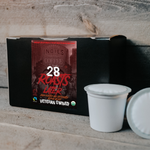
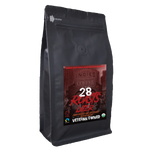
That is one reason independent coffee brands have an edge here. They are usually not trying to win the race to the cheapest pod on the market. They are trying to make a pod that people will reorder because the cup actually holds up. Indies Coffee lives in that lane - built for people who want convenience without waving the white flag to stale, generic coffee.
There is a lazy assumption in some corners of the market that organic coffee has to be soft, mild, or overly precious. Not true. Organic coffee can be bold, heavy-bodied, and unapologetically strong.
That is especially important for pod buyers, because many of them are not chasing a delicate tasting experience on a slow Sunday morning. They need a dependable cup before work, after a hard workout, or in the middle of a packed day. They want speed, but they still want character.
A strong organic pod should deliver depth without tasting dirty. It should have weight without turning bitter just for the sake of seeming powerful. If you prefer darker roasts, this is where quality really shows. Better beans and a cleaner roast profile create intensity you can taste, not just intensity you survive.
Let us be honest. A K-Cup is never going to give you the same level of control as grinding fresh beans and brewing with a dialed-in setup. If you want maximum precision, pods are not the hill to die on.
But that does not mean pods have to taste mediocre. For a lot of people, the choice is not between a K-Cup and a perfect pour-over. It is between a decent pod and skipping coffee altogether, or between an organic single-serve option and another forgettable cup from a giant brand that treats coffee like shelf inventory.
That is the real use case. Busy mornings. Shared kitchens. Offices. Quick second cups. Travel. Households where one person wants dark roast and another wants decaf. Organic coffee k cups make sense when they solve a real-life problem without wrecking the coffee experience.
People are getting less patient with fake premium branding. They want products that are easy to use, but they also want to know what they are buying. Organic labeling, roast transparency, and stronger brand identity all matter more than they did a few years ago.
That shift is good for coffee drinkers. It pushes brands to do more than slap clean packaging on forgettable coffee. It rewards companies that roast with purpose, offer clear choices, and speak to customers like adults instead of marketing targets.
If you are shopping for organic coffee k cups, do not settle for the idea that convenience means compromise and organic means bland. You can have a quick cup with backbone. You can have clean sourcing with real flavor. And once you find a pod that hits both, the old grocery-store stuff starts tasting exactly like what it is - coffee made for the masses, not for people who know better.
The best cup is the one you will actually drink and enjoy, day after day. Make it count.
Convenience has a bad reputation in coffee for a reason. Too many single-serve pods promise speed and deliver a flat, burnt cup that tastes like it gave up before it hit the mug. That is exactly why organic coffee k cups matter. If you want quick coffee without surrendering flavor, you need to know what separates a clean, organic pod from the bland corporate stuff stacked in every grocery aisle.
The real question is not whether a pod is organic. The real question is whether it still tastes like coffee worth drinking. Organic certification matters, but so do roast quality, freshness, grind, and the kind of bean that went into the cup in the first place. A good pod should still carry the flavor the bean intended. A bad one just hides behind the word organic and hopes you will not notice.
At the bare minimum, organic coffee k cups should give you coffee grown without synthetic pesticides and fertilizers, packaged in a format that works with your machine, and roasted with some respect for flavor. That sounds obvious, but the market is crowded with products that check one box and miss the rest.
Organic does not automatically mean better tasting. It means the coffee was produced under a certain agricultural standard. That can be a strong starting point, especially for people who care about cleaner farming practices and what ends up in the cup. But if the beans are low grade, roasted too dark to hide defects, or left sitting too long before packaging, the end result will still taste tired.
That is where many convenience-first brands lose the plot. They focus on shelf stability and mass volume. You end up with a pod that is technically easy to use and technically coffee, but not something you would ever choose if flavor came first.
Coffee is at its best when it is handled like a fresh food, not a warehouse product. That matters even more with pods because the format already limits some of the control you would have with whole beans or ground coffee.
If you are shopping for organic coffee k cups, freshness should be one of the first filters. Look for brands that talk clearly about roast dates, production cycles, or small-batch roasting. If all you get is vague language about premium quality, that usually tells you enough.
Freshly roasted coffee has more aromatics, more structure, and a clearer flavor profile. In practical terms, that means your breakfast blend tastes bright instead of hollow, your dark roast tastes bold instead of ashy, and your decaf still tastes like real coffee instead of compromise.
Pods can preserve coffee reasonably well, but they are not magic. A stale coffee sealed in plastic is still stale coffee.
A lot of people buy organic coffee k cups expecting the organic part to tell them everything they need to know. It does not. Roast style is still one of the biggest drivers of what lands in your mug.
If you like a lighter cup, look for light or medium roasts that keep some acidity and origin character intact. These can bring out citrus, floral, or cocoa notes, though they can also taste thin if the pod is underfilled or the bean quality is weak.
If you want body and punch, medium-dark and dark roasts are usually the safer lane for single-serve. They tend to perform better in pod systems because they extract more easily and hold onto stronger flavor. But there is a line. A dark roast should taste bold, smoky, maybe even bittersweet. It should not taste like charcoal and excuses.
That trade-off matters. Some brands roast too dark because it creates a more uniform flavor across cheap beans. If every cup tastes aggressively roasted, you cannot tell what the bean was supposed to be. Good organic pods use roast level to shape flavor, not to bury it.
If you drink coffee every day, you can tell when a pod was made for people who just want caffeine and when it was made for people who actually care about the cup. The difference shows up fast.
Real coffee drinkers usually want one of a few things. They want a dependable morning blend that is smooth and strong. They want a French roast or Italian roast that hits hard without tasting scorched. They want a decaf that does not feel like punishment. Or they want high-caffeine coffee that still has flavor instead of tasting like a stunt.
The best organic coffee k cups meet those needs with clarity. They do not bury shoppers in vague tasting notes or fake luxury language. They make it easy to choose based on roast, strength, and flavor profile. That matters because coffee is personal, but it should not be confusing.
You do not need a barista certification to shop smarter. A few signals tell you whether a pod brand takes coffee seriously.
First, check whether the brand says anything concrete about sourcing or roasting. Organic certification is useful, but it is even better when paired with information about roast style and flavor intent. Second, pay attention to whether the product lineup is built around actual drinker preferences. Strong medium roast, bold dark roast, decaf, breakfast blend, flavored options if that is your thing - those are practical choices. Third, look for signs that freshness is part of the model rather than an afterthought.
Packaging claims can also tell a story. If every message is about convenience and almost nothing is about taste, that usually means taste is not the lead priority. On the other hand, if a company talks like flavor comes first and convenience follows, you are probably in better hands.
That is one reason independent coffee brands have an edge here. They are usually not trying to win the race to the cheapest pod on the market. They are trying to make a pod that people will reorder because the cup actually holds up. Indies Coffee lives in that lane - built for people who want convenience without waving the white flag to stale, generic coffee.
There is a lazy assumption in some corners of the market that organic coffee has to be soft, mild, or overly precious. Not true. Organic coffee can be bold, heavy-bodied, and unapologetically strong.
That is especially important for pod buyers, because many of them are not chasing a delicate tasting experience on a slow Sunday morning. They need a dependable cup before work, after a hard workout, or in the middle of a packed day. They want speed, but they still want character.
A strong organic pod should deliver depth without tasting dirty. It should have weight without turning bitter just for the sake of seeming powerful. If you prefer darker roasts, this is where quality really shows. Better beans and a cleaner roast profile create intensity you can taste, not just intensity you survive.
Let us be honest. A K-Cup is never going to give you the same level of control as grinding fresh beans and brewing with a dialed-in setup. If you want maximum precision, pods are not the hill to die on.
But that does not mean pods have to taste mediocre. For a lot of people, the choice is not between a K-Cup and a perfect pour-over. It is between a decent pod and skipping coffee altogether, or between an organic single-serve option and another forgettable cup from a giant brand that treats coffee like shelf inventory.
That is the real use case. Busy mornings. Shared kitchens. Offices. Quick second cups. Travel. Households where one person wants dark roast and another wants decaf. Organic coffee k cups make sense when they solve a real-life problem without wrecking the coffee experience.
People are getting less patient with fake premium branding. They want products that are easy to use, but they also want to know what they are buying. Organic labeling, roast transparency, and stronger brand identity all matter more than they did a few years ago.
That shift is good for coffee drinkers. It pushes brands to do more than slap clean packaging on forgettable coffee. It rewards companies that roast with purpose, offer clear choices, and speak to customers like adults instead of marketing targets.
If you are shopping for organic coffee k cups, do not settle for the idea that convenience means compromise and organic means bland. You can have a quick cup with backbone. You can have clean sourcing with real flavor. And once you find a pod that hits both, the old grocery-store stuff starts tasting exactly like what it is - coffee made for the masses, not for people who know better.
The best cup is the one you will actually drink and enjoy, day after day. Make it count.