
0 item(s)
View cart
You have no items in your shopping cart.
Dark roast should taste bold, not like someone set a pallet on fire. If you are figuring out how to pick dark roast, start by rejecting the grocery-store assumption that darker automatically means harsher, smokier, or more caffeinated. A good dark roast has weight, depth, and a clean finish. A bad one hides stale beans and lazy roasting behind a wall of char.
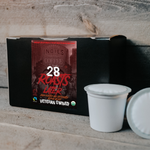
The right bag depends on what you want from your cup: a heavy morning brew, a rich espresso, a smooth cold brew, or a no-nonsense K-Cup that holds up before the day starts throwing punches. Here is how to choose with more confidence and less corporate coffee regret.
Dark roast describes how far the beans were roasted, but it does not tell you everything about flavor. During a longer roast, the bean's original fruit and floral notes fade while deeper flavors come forward. Think dark chocolate, toasted nuts, cocoa, molasses, caramelized sugar, spice, and a smoky edge when it is handled well.
That does not mean every dark roast should taste the same. A French roast may lean smoky and intense. An Italian roast can be deeply roasted, full-bodied, and especially satisfying in espresso. A dark blend may be built for balance, bringing a richer profile without pushing too hard into ash or bitterness. Read the flavor notes, then use them as a real buying signal, not decorative bag copy.
If you love unsweetened chocolate, roasted nuts, and a cup that feels substantial, look for chocolatey or nutty notes. If you want more edge, choose descriptions like smoky, bold, intense, or classic French roast. If bitterness is what has kept you away from dark coffee, seek cocoa, caramel, smooth finish, or low-acid language instead. The goal is not a timid cup. It is a powerful one with control.
Dark beans have more surface oils than lighter roasts. Those oils can make a fresh dark roast smell incredible, but they also make stale coffee easier to spot. Once those oils sit around too long, they oxidize and turn flat, rancid, or oddly bitter. That is why a dark roast bought fresh can taste rich and velvety while a neglected bag tastes like a bad decision at a highway gas station.
Choose coffee from a roaster that takes freshness seriously. A roast date is more useful than a vague best-by date because it tells you when the flavor clock started. Coffee usually needs a short rest after roasting to release trapped gas, especially for espresso, but you should not be buying bags that have been sitting in a warehouse for months.
For most home brewing, dark roast is often at its best within a few weeks of its roast date. Exact timing depends on the bean, roast level, packaging, and brew method. The bigger point is simple: buy in quantities you will actually finish while the coffee is still alive. A huge bargain bag is not a bargain if you are drinking stale beans by the end of it.
Whole bean coffee gives you the most control because grinding immediately before brewing preserves aroma and flavor. Pre-ground coffee can still be a practical choice for busy mornings, K-Cups, or drip brewers, but it demands even more attention to freshness. Convenience is fine. Flavor should not be the sacrifice.
The coffee maker on your counter should influence the roast you choose. One dark roast can work across several methods, but the best match brings out the qualities you actually want.
For a standard drip machine, choose a balanced dark roast with chocolate, caramel, or toasted-nut notes. These coffees brew into a dependable daily cup: full-bodied enough to wake you up, smooth enough to drink black, and strong enough to handle cream if that is your move.
For espresso, look for a fuller dark roast or Italian-style profile. Espresso concentrates everything, including flaws. A clean, freshly roasted dark coffee can deliver syrupy body and deep cocoa character. An over-roasted coffee can become sharply bitter in a hurry. If you pull shots at home, give the beans a little rest after roasting and adjust your grind before writing off the bag.
For French press, a dark roast with body is a natural fit. The metal filter allows more oils into the cup, creating a heavier texture and stronger aroma. Use a coarse grind and avoid leaving the coffee sitting on the grounds after brewing, which can push a good roast into bitter territory.
Cold brew is where dark roast can show a quieter side. Long, cold extraction often emphasizes chocolatey sweetness and softens harsh edges. Choose a smooth dark roast rather than the smokiest option available, especially if you drink your cold brew black. If you add milk or sweetener, a more aggressive roast can stand up to it.
This one catches plenty of coffee drinkers: dark roast does not automatically have more caffeine. Roasting changes bean density, so caffeine comparisons can shift depending on whether coffee is measured by scoop or by weight. In practical terms, the difference between roast levels is usually not the main factor determining how charged you feel.
Your serving size, brewing ratio, bean type, and whether you choose a deliberately high-caffeine blend matter more. Pick dark roast because you want its flavor and body. If your mission is maximum caffeine, look for coffee specifically made and labeled for that job instead of assuming the darkest bag is the strongest one.
There is nothing wrong with liking smoky coffee. There is something wrong with being told burnt is the only flavor dark roast can have. Read past the front label and be skeptical when a brand gives you no roast date, no flavor guidance, and no clue about what is in the bag.
A few signs deserve a second look:
The best dark roast is the one that works on an ordinary Tuesday, not just the one that impressed you during a slow weekend tasting session. Be honest about your habits. If you drink coffee black, favor smoothness and clear chocolate or nut notes. If you add cream, choose a bolder roast with enough body to stay present. If your morning is a sprint, fresh dark-roast K-Cups can make more sense than whole beans you never have time to grind.
Subscriptions can be useful when you have found a roast you trust, particularly if freshness and consistency matter more than standing in a grocery aisle comparing labels. Indies Coffee is built for drinkers who want that kind of fresh, full-flavored independence without settling for anonymous corporate coffee.
You also do not have to pledge loyalty to one dark roast forever. A balanced dark blend may be your daily driver, while a French or Italian roast earns its place on weekends, after dinner, or whenever you want a cup with more bite. Keep notes for a few bags: brew method, grind, what you tasted, and whether you drank it black or with cream. Your palate will tell you more than a color scale ever will.
Pick a dark roast with a clear flavor profile, a fresh roast date, and a purpose that matches your brewer. Then brew it with enough care to let the coffee speak for itself. Bold coffee should feel like a choice, not a compromise.
Dark roast should taste bold, not like someone set a pallet on fire. If you are figuring out how to pick dark roast, start by rejecting the grocery-store assumption that darker automatically means harsher, smokier, or more caffeinated. A good dark roast has weight, depth, and a clean finish. A bad one hides stale beans and lazy roasting behind a wall of char.
The right bag depends on what you want from your cup: a heavy morning brew, a rich espresso, a smooth cold brew, or a no-nonsense K-Cup that holds up before the day starts throwing punches. Here is how to choose with more confidence and less corporate coffee regret.
Dark roast describes how far the beans were roasted, but it does not tell you everything about flavor. During a longer roast, the bean's original fruit and floral notes fade while deeper flavors come forward. Think dark chocolate, toasted nuts, cocoa, molasses, caramelized sugar, spice, and a smoky edge when it is handled well.
That does not mean every dark roast should taste the same. A French roast may lean smoky and intense. An Italian roast can be deeply roasted, full-bodied, and especially satisfying in espresso. A dark blend may be built for balance, bringing a richer profile without pushing too hard into ash or bitterness. Read the flavor notes, then use them as a real buying signal, not decorative bag copy.
If you love unsweetened chocolate, roasted nuts, and a cup that feels substantial, look for chocolatey or nutty notes. If you want more edge, choose descriptions like smoky, bold, intense, or classic French roast. If bitterness is what has kept you away from dark coffee, seek cocoa, caramel, smooth finish, or low-acid language instead. The goal is not a timid cup. It is a powerful one with control.
Dark beans have more surface oils than lighter roasts. Those oils can make a fresh dark roast smell incredible, but they also make stale coffee easier to spot. Once those oils sit around too long, they oxidize and turn flat, rancid, or oddly bitter. That is why a dark roast bought fresh can taste rich and velvety while a neglected bag tastes like a bad decision at a highway gas station.
Choose coffee from a roaster that takes freshness seriously. A roast date is more useful than a vague best-by date because it tells you when the flavor clock started. Coffee usually needs a short rest after roasting to release trapped gas, especially for espresso, but you should not be buying bags that have been sitting in a warehouse for months.
For most home brewing, dark roast is often at its best within a few weeks of its roast date. Exact timing depends on the bean, roast level, packaging, and brew method. The bigger point is simple: buy in quantities you will actually finish while the coffee is still alive. A huge bargain bag is not a bargain if you are drinking stale beans by the end of it.
Whole bean coffee gives you the most control because grinding immediately before brewing preserves aroma and flavor. Pre-ground coffee can still be a practical choice for busy mornings, K-Cups, or drip brewers, but it demands even more attention to freshness. Convenience is fine. Flavor should not be the sacrifice.
The coffee maker on your counter should influence the roast you choose. One dark roast can work across several methods, but the best match brings out the qualities you actually want.
For a standard drip machine, choose a balanced dark roast with chocolate, caramel, or toasted-nut notes. These coffees brew into a dependable daily cup: full-bodied enough to wake you up, smooth enough to drink black, and strong enough to handle cream if that is your move.
For espresso, look for a fuller dark roast or Italian-style profile. Espresso concentrates everything, including flaws. A clean, freshly roasted dark coffee can deliver syrupy body and deep cocoa character. An over-roasted coffee can become sharply bitter in a hurry. If you pull shots at home, give the beans a little rest after roasting and adjust your grind before writing off the bag.
For French press, a dark roast with body is a natural fit. The metal filter allows more oils into the cup, creating a heavier texture and stronger aroma. Use a coarse grind and avoid leaving the coffee sitting on the grounds after brewing, which can push a good roast into bitter territory.
Cold brew is where dark roast can show a quieter side. Long, cold extraction often emphasizes chocolatey sweetness and softens harsh edges. Choose a smooth dark roast rather than the smokiest option available, especially if you drink your cold brew black. If you add milk or sweetener, a more aggressive roast can stand up to it.
This one catches plenty of coffee drinkers: dark roast does not automatically have more caffeine. Roasting changes bean density, so caffeine comparisons can shift depending on whether coffee is measured by scoop or by weight. In practical terms, the difference between roast levels is usually not the main factor determining how charged you feel.
Your serving size, brewing ratio, bean type, and whether you choose a deliberately high-caffeine blend matter more. Pick dark roast because you want its flavor and body. If your mission is maximum caffeine, look for coffee specifically made and labeled for that job instead of assuming the darkest bag is the strongest one.
There is nothing wrong with liking smoky coffee. There is something wrong with being told burnt is the only flavor dark roast can have. Read past the front label and be skeptical when a brand gives you no roast date, no flavor guidance, and no clue about what is in the bag.
A few signs deserve a second look:
The best dark roast is the one that works on an ordinary Tuesday, not just the one that impressed you during a slow weekend tasting session. Be honest about your habits. If you drink coffee black, favor smoothness and clear chocolate or nut notes. If you add cream, choose a bolder roast with enough body to stay present. If your morning is a sprint, fresh dark-roast K-Cups can make more sense than whole beans you never have time to grind.
Subscriptions can be useful when you have found a roast you trust, particularly if freshness and consistency matter more than standing in a grocery aisle comparing labels. Indies Coffee is built for drinkers who want that kind of fresh, full-flavored independence without settling for anonymous corporate coffee.
You also do not have to pledge loyalty to one dark roast forever. A balanced dark blend may be your daily driver, while a French or Italian roast earns its place on weekends, after dinner, or whenever you want a cup with more bite. Keep notes for a few bags: brew method, grind, what you tasted, and whether you drank it black or with cream. Your palate will tell you more than a color scale ever will.
Pick a dark roast with a clear flavor profile, a fresh roast date, and a purpose that matches your brewer. Then brew it with enough care to let the coffee speak for itself. Bold coffee should feel like a choice, not a compromise.