
0 item(s)
View cart
You have no items in your shopping cart.
That flat, papery cup from a can that has been sitting around since who knows when is not what coffee is supposed to taste like. What makes coffee taste fresher is not one magic trick or a fancy machine. It is a chain of decisions, from when the beans are roasted to how long they sit after grinding. Break one link, and even great beans can taste like corporate coffee compromise.
Fresh coffee should have presence. You may taste sweetness, cocoa, toasted nuts, citrus, berries, spice, or a clean, pleasant bitterness depending on the roast and origin. The goal is not to make every coffee taste light or fruity. A dark roast can be deep, heavy, and intense while still tasting alive. Freshness is about definition: flavors are clear, the aroma has energy, and the finish does not feel stale or dusty.
Coffee is at its peak when it has been roasted recently enough to retain its aromatic compounds, but not so recently that trapped carbon dioxide disrupts brewing. Roasting changes green coffee into the brown bean in your grinder, creating hundreds of flavor and aroma compounds along the way. Those compounds are fragile. Time, oxygen, heat, moisture, and light steadily pull them apart.
For most whole-bean coffee, a practical sweet spot begins a few days after roasting and can run for several weeks when the bag is sealed and stored well. The exact window depends on the coffee, roast level, and brew method. Espresso often benefits from a little extra rest because fresh beans release substantial gas that can make shots run unevenly. Filter coffee can be excellent sooner. There is no single date that applies to every bag, but there is one rule worth defending: a visible roast date tells you far more than a vague best-by date.
Mass-market coffee is often built around long shelf life, not peak character. It may survive warehouses, store shelves, and your pantry, but survival is not the same as flavor. Freshly roasted coffee gives the bean a fighting chance to taste the way it was intended.
A shiny, oily bean is not proof of freshness. Surface oil is usually more connected to roast level, bean structure, and time than quality. Very dark roasts can show oil quickly, while light roasts may look dry even when they were roasted yesterday. Judge freshness by roast date, aroma, and the cup, not by whether the beans look glossy.
The second biggest factor in fresh-tasting coffee is exposure to air. Oxygen oxidizes the oils and aromatic compounds that make coffee smell exciting and taste layered. Once a bag is opened, the clock moves faster.
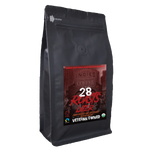
Keep coffee in its original resealable bag if it has a one-way valve and a solid closure, or transfer it to an airtight, opaque container. Store it in a cool, dry cabinet away from the oven, sunny counter, dishwasher steam, and spice rack. Coffee absorbs odors remarkably well. Nobody wants a French roast that picked up notes of onion powder or laundry detergent.
The refrigerator is usually a bad idea for everyday storage. Temperature swings can introduce condensation, and coffee is eager to absorb surrounding smells. Freezing can work for coffee you will not open for a while, especially if it is divided into truly airtight single-use portions. But do not repeatedly freeze, thaw, and refreeze the same container. For the bag you are drinking now, a dark cabinet wins.
Buy an amount you can realistically finish within two to four weeks of opening. That may mean a smaller bag, more frequent orders, or a subscription cadence that actually matches how much your household drinks. Hoarding coffee because it was on sale is how good beans become pantry decorations.
Whole beans have a natural protective shell. The moment you grind them, their surface area explodes and their aroma starts escaping fast. Pre-ground coffee is convenient, but it gives up a lot before hot water ever reaches it.
Grinding immediately before brewing is one of the most noticeable upgrades a home coffee drinker can make. You do not need a complicated ritual. A dependable burr grinder and 20 seconds of preparation can deliver more flavor than a pricey brewer paired with months-old grounds. Blade grinders can work in a pinch, but they create uneven particles, which leads to a confusing mix of sour under-extraction and bitter over-extraction.
Match the grind to the method. Coarse grounds suit French press and cold brew. Medium grounds work for drip coffee. Fine grounds fit espresso, though espresso dialing-in requires more precision. If your coffee tastes weak, hollow, or sharply sour, try a slightly finer grind. If it is harsh, dry, or aggressively bitter, go a little coarser. Make one change at a time, then taste the result like it matters - because it does.
Fresh beans cannot rescue bad water. Coffee is mostly water, so chlorine-heavy or mineral-free water can flatten the cup. If your tap water tastes good on its own, it will often brew decent coffee. If it tastes off, filtered water is a simple move with a real payoff.
Water that is too cool under-extracts coffee, leaving it thin or sour. Water that is excessively hot can exaggerate bitterness, particularly with darker roasts. For most brewing methods, water just off the boil is a reliable target. Drip brewers should get hot enough to extract properly, while pour-over and French press brewers give you more control.
Ratio matters, too. A solid starting point is about 1 to 2 tablespoons of ground coffee per 6 ounces of water, then adjust for your preferred strength. Better yet, use a scale: roughly 1 gram of coffee for every 16 grams of water is a dependable baseline. A bolder dark roast may feel right at a stronger ratio. A delicate light roast may benefit from a little more water. Taste gets the final vote.
Some drinkers assume freshness means bright, tea-like coffee. Others think it means a dark roast with enough force to start the day properly. Both can be right. Roast level changes the flavor profile, not the need for freshness.
A fresh light roast may show floral aroma, fruit, sweetness, and crisp acidity. A fresh medium roast often balances caramel-like sweetness, body, and origin character. A fresh dark roast leans into cocoa, smoke, toasted sugar, and a fuller, more commanding body. When dark coffee goes stale, though, its heavier roast character can hide the warning signs for a while. That does not mean it is immune. Stale dark coffee often turns ashy, dull, or oddly cardboard-like.
Flavored coffee has its own trade-off. Added flavor can make a cup smell inviting, but it cannot replace the clean foundation of freshly roasted beans. If the coffee underneath is old, artificial flavoring only puts a louder jacket on a tired product.
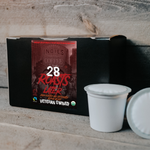
K-Cups, cold brew packs, and pre-portioned options are built for speed, and speed matters on a busy morning. Their freshness depends on sealed packaging, production timing, and how long they sit in your cabinet. Choose packs from a roaster that takes freshness seriously, keep them dry and out of heat, and avoid buying more than you will use in a reasonable stretch.
Cold brew deserves a separate mention because it tastes different by design. Its lower-temperature extraction produces a smoother, less acidic profile, often with chocolatey or nutty notes. Fresh grounds still make a difference, but cold brew will not display aroma in the same way as a hot pour-over. That is not a flaw. It is a different mission.
For households that want fresh coffee without another grocery-store run, a subscription can be practical rather than precious. The key is choosing a delivery schedule that keeps coffee moving through your kitchen instead of stacking unopened bags in a closet. Indies Coffee is built around that simple standard: coffee should arrive ready to be enjoyed, not rescued from shelf-life limbo.
Stale coffee is not usually unsafe. It is just disappointing. The aroma fades first. Open the bag and you may notice that it smells faint, dusty, woody, or strangely flat rather than fragrant. In the cup, flavors blur together. Sweetness disappears, bitterness feels blunt, and the finish may resemble paper, cardboard, or old cereal.
Do not confuse a bad brew with stale coffee immediately. Water temperature, grind size, a dirty brewer, or an old paper filter can all sabotage a fresh bag. Clean your equipment regularly, especially the parts that touch brewed coffee oils. Those oils turn rancid and can make a new coffee taste old before it has a chance.
The best test is simple: brew the same coffee carefully on two different days, changing only one variable when something tastes wrong. Freshness becomes easier to recognize once you stop treating every disappointing cup as a mystery.
A better cup does not require joining the coffee-snob Olympics. Buy coffee with a roast date, protect it from air and heat, grind what you need, and use clean water in clean equipment. Give your morning coffee a fair fight, and it will give you far more than a caffeine delivery system.
That flat, papery cup from a can that has been sitting around since who knows when is not what coffee is supposed to taste like. What makes coffee taste fresher is not one magic trick or a fancy machine. It is a chain of decisions, from when the beans are roasted to how long they sit after grinding. Break one link, and even great beans can taste like corporate coffee compromise.
Fresh coffee should have presence. You may taste sweetness, cocoa, toasted nuts, citrus, berries, spice, or a clean, pleasant bitterness depending on the roast and origin. The goal is not to make every coffee taste light or fruity. A dark roast can be deep, heavy, and intense while still tasting alive. Freshness is about definition: flavors are clear, the aroma has energy, and the finish does not feel stale or dusty.
Coffee is at its peak when it has been roasted recently enough to retain its aromatic compounds, but not so recently that trapped carbon dioxide disrupts brewing. Roasting changes green coffee into the brown bean in your grinder, creating hundreds of flavor and aroma compounds along the way. Those compounds are fragile. Time, oxygen, heat, moisture, and light steadily pull them apart.
For most whole-bean coffee, a practical sweet spot begins a few days after roasting and can run for several weeks when the bag is sealed and stored well. The exact window depends on the coffee, roast level, and brew method. Espresso often benefits from a little extra rest because fresh beans release substantial gas that can make shots run unevenly. Filter coffee can be excellent sooner. There is no single date that applies to every bag, but there is one rule worth defending: a visible roast date tells you far more than a vague best-by date.
Mass-market coffee is often built around long shelf life, not peak character. It may survive warehouses, store shelves, and your pantry, but survival is not the same as flavor. Freshly roasted coffee gives the bean a fighting chance to taste the way it was intended.
A shiny, oily bean is not proof of freshness. Surface oil is usually more connected to roast level, bean structure, and time than quality. Very dark roasts can show oil quickly, while light roasts may look dry even when they were roasted yesterday. Judge freshness by roast date, aroma, and the cup, not by whether the beans look glossy.
The second biggest factor in fresh-tasting coffee is exposure to air. Oxygen oxidizes the oils and aromatic compounds that make coffee smell exciting and taste layered. Once a bag is opened, the clock moves faster.
Keep coffee in its original resealable bag if it has a one-way valve and a solid closure, or transfer it to an airtight, opaque container. Store it in a cool, dry cabinet away from the oven, sunny counter, dishwasher steam, and spice rack. Coffee absorbs odors remarkably well. Nobody wants a French roast that picked up notes of onion powder or laundry detergent.
The refrigerator is usually a bad idea for everyday storage. Temperature swings can introduce condensation, and coffee is eager to absorb surrounding smells. Freezing can work for coffee you will not open for a while, especially if it is divided into truly airtight single-use portions. But do not repeatedly freeze, thaw, and refreeze the same container. For the bag you are drinking now, a dark cabinet wins.
Buy an amount you can realistically finish within two to four weeks of opening. That may mean a smaller bag, more frequent orders, or a subscription cadence that actually matches how much your household drinks. Hoarding coffee because it was on sale is how good beans become pantry decorations.
Whole beans have a natural protective shell. The moment you grind them, their surface area explodes and their aroma starts escaping fast. Pre-ground coffee is convenient, but it gives up a lot before hot water ever reaches it.
Grinding immediately before brewing is one of the most noticeable upgrades a home coffee drinker can make. You do not need a complicated ritual. A dependable burr grinder and 20 seconds of preparation can deliver more flavor than a pricey brewer paired with months-old grounds. Blade grinders can work in a pinch, but they create uneven particles, which leads to a confusing mix of sour under-extraction and bitter over-extraction.
Match the grind to the method. Coarse grounds suit French press and cold brew. Medium grounds work for drip coffee. Fine grounds fit espresso, though espresso dialing-in requires more precision. If your coffee tastes weak, hollow, or sharply sour, try a slightly finer grind. If it is harsh, dry, or aggressively bitter, go a little coarser. Make one change at a time, then taste the result like it matters - because it does.
Fresh beans cannot rescue bad water. Coffee is mostly water, so chlorine-heavy or mineral-free water can flatten the cup. If your tap water tastes good on its own, it will often brew decent coffee. If it tastes off, filtered water is a simple move with a real payoff.
Water that is too cool under-extracts coffee, leaving it thin or sour. Water that is excessively hot can exaggerate bitterness, particularly with darker roasts. For most brewing methods, water just off the boil is a reliable target. Drip brewers should get hot enough to extract properly, while pour-over and French press brewers give you more control.
Ratio matters, too. A solid starting point is about 1 to 2 tablespoons of ground coffee per 6 ounces of water, then adjust for your preferred strength. Better yet, use a scale: roughly 1 gram of coffee for every 16 grams of water is a dependable baseline. A bolder dark roast may feel right at a stronger ratio. A delicate light roast may benefit from a little more water. Taste gets the final vote.
Some drinkers assume freshness means bright, tea-like coffee. Others think it means a dark roast with enough force to start the day properly. Both can be right. Roast level changes the flavor profile, not the need for freshness.
A fresh light roast may show floral aroma, fruit, sweetness, and crisp acidity. A fresh medium roast often balances caramel-like sweetness, body, and origin character. A fresh dark roast leans into cocoa, smoke, toasted sugar, and a fuller, more commanding body. When dark coffee goes stale, though, its heavier roast character can hide the warning signs for a while. That does not mean it is immune. Stale dark coffee often turns ashy, dull, or oddly cardboard-like.
Flavored coffee has its own trade-off. Added flavor can make a cup smell inviting, but it cannot replace the clean foundation of freshly roasted beans. If the coffee underneath is old, artificial flavoring only puts a louder jacket on a tired product.
K-Cups, cold brew packs, and pre-portioned options are built for speed, and speed matters on a busy morning. Their freshness depends on sealed packaging, production timing, and how long they sit in your cabinet. Choose packs from a roaster that takes freshness seriously, keep them dry and out of heat, and avoid buying more than you will use in a reasonable stretch.
Cold brew deserves a separate mention because it tastes different by design. Its lower-temperature extraction produces a smoother, less acidic profile, often with chocolatey or nutty notes. Fresh grounds still make a difference, but cold brew will not display aroma in the same way as a hot pour-over. That is not a flaw. It is a different mission.
For households that want fresh coffee without another grocery-store run, a subscription can be practical rather than precious. The key is choosing a delivery schedule that keeps coffee moving through your kitchen instead of stacking unopened bags in a closet. Indies Coffee is built around that simple standard: coffee should arrive ready to be enjoyed, not rescued from shelf-life limbo.
Stale coffee is not usually unsafe. It is just disappointing. The aroma fades first. Open the bag and you may notice that it smells faint, dusty, woody, or strangely flat rather than fragrant. In the cup, flavors blur together. Sweetness disappears, bitterness feels blunt, and the finish may resemble paper, cardboard, or old cereal.
Do not confuse a bad brew with stale coffee immediately. Water temperature, grind size, a dirty brewer, or an old paper filter can all sabotage a fresh bag. Clean your equipment regularly, especially the parts that touch brewed coffee oils. Those oils turn rancid and can make a new coffee taste old before it has a chance.
The best test is simple: brew the same coffee carefully on two different days, changing only one variable when something tastes wrong. Freshness becomes easier to recognize once you stop treating every disappointing cup as a mystery.
A better cup does not require joining the coffee-snob Olympics. Buy coffee with a roast date, protect it from air and heat, grind what you need, and use clean water in clean equipment. Give your morning coffee a fair fight, and it will give you far more than a caffeine delivery system.