
0 item(s)
View cart
You have no items in your shopping cart.
You can tell when coffee got mailed for convenience instead of flavor. The bag shows up tired, the roast date is vague or missing, and the first cup tastes flat before your week even starts. A real specialty coffee subscription guide should help you avoid that trap and get coffee that actually earns a spot in your morning routine.
The problem is simple: plenty of subscriptions sell the idea of premium coffee while delivering a generic system with fancier packaging. If you care about freshness, roast character, and buying from brands with some backbone, you need more than a discount for auto-ship. You need to know what separates a subscription worth keeping from one you forget to cancel.
At its best, a coffee subscription does three jobs well. First, it keeps fresh coffee coming before you run out. Second, it matches your taste instead of forcing you into someone else’s tasting-note fantasy. Third, it removes friction without turning the whole experience into bland, corporate sameness.
That last part matters more than people admit. A lot of coffee drinkers say they want variety, but what they really want is reliability with room to adjust. They want a dark roast that hits hard every morning, or a clean medium roast that works for drip and pour over, or K-Cups that don’t taste like compromise. Specialty coffee is not just about chasing rare beans and talking about citrus blossom at 6 a.m. It is about getting the flavor the bean intended, roasted fresh and delivered on your terms.
If you are shopping for a subscription, start with your actual drinking habits, not your aspirational ones. The fastest way to pick the wrong plan is to buy for the version of yourself who hand-grinds every dose on a calm Sunday morning, when your real life looks more like a weekday sprint to the coffeemaker.
Ask yourself how you brew most often. Whole bean makes sense if you have a grinder and care about maximum freshness. Ground coffee can be the better call if you want speed and consistency with less fuss. K-Cups fit households that value convenience but still want better coffee than the usual big-box options. Cold brew packs are the smart move for people who want a low-effort setup and smooth caffeine on standby.
Then look at volume. One bag every two weeks sounds reasonable until you realize you are making two large mugs a day and somebody else in the house is dipping into your stash. Running out early is annoying, but over-ordering is not much better. Specialty coffee loses its edge if bags pile up faster than you can drink them.
If a subscription does not take roast freshness seriously, move on. Specialty coffee lives and dies on timing. Beans need enough rest after roasting to settle, but not so much time that the cup goes dull. That sweet spot is where sweetness, structure, and aroma show up the way they should.
This is why vague language should make you suspicious. Terms like premium or artisan mean very little if there is no real attention to roast dates, bag turnover, and fulfillment speed. Fresh coffee should taste alive. Dark roasts should be bold without tasting burnt. Medium roasts should carry balance and clarity. Light roasts should bring brightness without turning sour. None of that happens consistently when coffee sits around like shelf-stable inventory.
There is a weird strain of coffee culture that treats darker roasts like a moral failure and light roasts like a personality test. Ignore it. The right roast is the one you actually want to drink every day.
If you like intensity, a French roast or Italian roast subscription can be the right call, especially for espresso-style brewing or anyone who wants a fuller, heavier cup. If you want broad appeal and flexibility, medium roasts tend to be the workhorse option. They handle drip, pour over, and standard home brewing equipment well. If you chase nuance and origin character, lighter roasts can be rewarding, but they usually ask for better brewing habits to really shine.
The trade-off is straightforward. Darker roasts often deliver comfort, body, and consistency. Lighter roasts can show more detail, but they can also be less forgiving. A good subscription should not push you toward one roast philosophy. It should make it easy to stay in your lane or branch out when you feel like it.
Coffee people sometimes talk like convenience formats are beneath them. That is nonsense. The best coffee is the coffee you can actually use in real life.
Whole bean gives you the most control. You can adjust grind size, dial in your brewer, and get the freshest possible cup. Ground coffee trims effort and still works well when the roast is fresh and the grind is matched to the brew style. K-Cups win on speed and cleanup, which is why plenty of serious coffee drinkers still keep them around for busy mornings. Cold brew packs make even more sense if you want volume with almost no daily work.
A subscription should respect those differences instead of pretending there is one pure way to drink coffee. If your mornings are fast, convenience is not selling out. It is choosing a system you will stick with.
A smart subscription should let you skip, swap, or change delivery timing without making you fight through a maze of settings. Coffee consumption is not fixed. Travel weeks happen. Guests happen. Summer changes what you drink. Sometimes you want decaf for late afternoons. Sometimes you want highly caffeinated coffee that feels like it came with marching orders.
This is where many subscriptions lose people. They are great when your habits stay stable and frustrating the second life gets normal. Look for plans that give you control over cadence, product format, and roast selection. If the brand makes changes feel like a hassle, the subscription is built for their retention numbers, not your cup.
Specialty subscriptions usually cost more than grocery-store coffee. That part is obvious. The better question is whether you are paying for actual quality or just for the word specialty printed on a bag.
Value comes from a few things working together: fresh roasting, dependable fulfillment, solid sourcing, real flavor, and a subscription structure that saves you time. Sometimes the cheapest bag costs more in the long run because it disappoints you into buying coffee out on the way to work. Sometimes a slightly higher-priced subscription saves money because it replaces random backup purchases and keeps your routine steady.
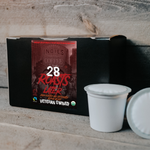
If a brand offers organic beans, strong roast segmentation, and formats that match how people really brew at home, that value gets easier to justify. Indies Coffee, for example, speaks directly to people who are tired of bland, mass-market coffee and want fresh-roasted options that fit everything from bold dark roast habits to quick K-Cup convenience.
A subscription makes the most sense for daily drinkers, busy households, and anyone who is tired of emergency coffee runs. It also works well for people who already know their taste. If you know you love breakfast blends, dark roasts, decaf, or a higher-caffeine kick, a subscription can turn that preference into an easy repeat system.
It is also a strong gift when the recipient already cares about coffee and likes discovering brands with personality. A generic gift card is forgettable. Fresh coffee showing up on schedule feels personal.
On the other hand, a subscription may not be ideal if your coffee habits are wildly inconsistent or if you mainly drink coffee out of the house. In that case, a one-time purchase or occasional reorder might be smarter. There is no medal for forcing yourself into a plan that does not fit.
If the brand is vague about freshness, cautious about roast details, or weirdly overpromises on tasting notes, take that as a warning. The same goes for subscriptions that lock you into fixed quantities with no easy edits. Good coffee brands trust the product. They do not need smoke and mirrors.
Another red flag is a brand voice that says nothing. Coffee is crowded. If the company sounds like a committee wrote every sentence, the coffee may be just as forgettable. For a lot of buyers, especially those who prefer independent brands over corporate machines, the identity behind the coffee matters too. You are not just stocking caffeine. You are backing a way of doing business.
The best specialty coffee subscription guide is not really about finding the fanciest bean. It is about finding a better fit. Fresh roast. Clear roast choices. Formats that match real life. Delivery timing you control. A brand with enough conviction to stand for something beyond generic convenience.
When that fit is right, the subscription stops feeling like an account setting and starts feeling like one less compromise in your day. Buy coffee that shows up fresh, tastes like it means it, and respects how you actually live. Your morning does not need more noise. It needs a better bag on the counter.
You can tell when coffee got mailed for convenience instead of flavor. The bag shows up tired, the roast date is vague or missing, and the first cup tastes flat before your week even starts. A real specialty coffee subscription guide should help you avoid that trap and get coffee that actually earns a spot in your morning routine.
The problem is simple: plenty of subscriptions sell the idea of premium coffee while delivering a generic system with fancier packaging. If you care about freshness, roast character, and buying from brands with some backbone, you need more than a discount for auto-ship. You need to know what separates a subscription worth keeping from one you forget to cancel.
At its best, a coffee subscription does three jobs well. First, it keeps fresh coffee coming before you run out. Second, it matches your taste instead of forcing you into someone else’s tasting-note fantasy. Third, it removes friction without turning the whole experience into bland, corporate sameness.
That last part matters more than people admit. A lot of coffee drinkers say they want variety, but what they really want is reliability with room to adjust. They want a dark roast that hits hard every morning, or a clean medium roast that works for drip and pour over, or K-Cups that don’t taste like compromise. Specialty coffee is not just about chasing rare beans and talking about citrus blossom at 6 a.m. It is about getting the flavor the bean intended, roasted fresh and delivered on your terms.
If you are shopping for a subscription, start with your actual drinking habits, not your aspirational ones. The fastest way to pick the wrong plan is to buy for the version of yourself who hand-grinds every dose on a calm Sunday morning, when your real life looks more like a weekday sprint to the coffeemaker.
Ask yourself how you brew most often. Whole bean makes sense if you have a grinder and care about maximum freshness. Ground coffee can be the better call if you want speed and consistency with less fuss. K-Cups fit households that value convenience but still want better coffee than the usual big-box options. Cold brew packs are the smart move for people who want a low-effort setup and smooth caffeine on standby.
Then look at volume. One bag every two weeks sounds reasonable until you realize you are making two large mugs a day and somebody else in the house is dipping into your stash. Running out early is annoying, but over-ordering is not much better. Specialty coffee loses its edge if bags pile up faster than you can drink them.
If a subscription does not take roast freshness seriously, move on. Specialty coffee lives and dies on timing. Beans need enough rest after roasting to settle, but not so much time that the cup goes dull. That sweet spot is where sweetness, structure, and aroma show up the way they should.
This is why vague language should make you suspicious. Terms like premium or artisan mean very little if there is no real attention to roast dates, bag turnover, and fulfillment speed. Fresh coffee should taste alive. Dark roasts should be bold without tasting burnt. Medium roasts should carry balance and clarity. Light roasts should bring brightness without turning sour. None of that happens consistently when coffee sits around like shelf-stable inventory.
There is a weird strain of coffee culture that treats darker roasts like a moral failure and light roasts like a personality test. Ignore it. The right roast is the one you actually want to drink every day.
If you like intensity, a French roast or Italian roast subscription can be the right call, especially for espresso-style brewing or anyone who wants a fuller, heavier cup. If you want broad appeal and flexibility, medium roasts tend to be the workhorse option. They handle drip, pour over, and standard home brewing equipment well. If you chase nuance and origin character, lighter roasts can be rewarding, but they usually ask for better brewing habits to really shine.
The trade-off is straightforward. Darker roasts often deliver comfort, body, and consistency. Lighter roasts can show more detail, but they can also be less forgiving. A good subscription should not push you toward one roast philosophy. It should make it easy to stay in your lane or branch out when you feel like it.
Coffee people sometimes talk like convenience formats are beneath them. That is nonsense. The best coffee is the coffee you can actually use in real life.
Whole bean gives you the most control. You can adjust grind size, dial in your brewer, and get the freshest possible cup. Ground coffee trims effort and still works well when the roast is fresh and the grind is matched to the brew style. K-Cups win on speed and cleanup, which is why plenty of serious coffee drinkers still keep them around for busy mornings. Cold brew packs make even more sense if you want volume with almost no daily work.
A subscription should respect those differences instead of pretending there is one pure way to drink coffee. If your mornings are fast, convenience is not selling out. It is choosing a system you will stick with.
A smart subscription should let you skip, swap, or change delivery timing without making you fight through a maze of settings. Coffee consumption is not fixed. Travel weeks happen. Guests happen. Summer changes what you drink. Sometimes you want decaf for late afternoons. Sometimes you want highly caffeinated coffee that feels like it came with marching orders.
This is where many subscriptions lose people. They are great when your habits stay stable and frustrating the second life gets normal. Look for plans that give you control over cadence, product format, and roast selection. If the brand makes changes feel like a hassle, the subscription is built for their retention numbers, not your cup.
Specialty subscriptions usually cost more than grocery-store coffee. That part is obvious. The better question is whether you are paying for actual quality or just for the word specialty printed on a bag.
Value comes from a few things working together: fresh roasting, dependable fulfillment, solid sourcing, real flavor, and a subscription structure that saves you time. Sometimes the cheapest bag costs more in the long run because it disappoints you into buying coffee out on the way to work. Sometimes a slightly higher-priced subscription saves money because it replaces random backup purchases and keeps your routine steady.
If a brand offers organic beans, strong roast segmentation, and formats that match how people really brew at home, that value gets easier to justify. Indies Coffee, for example, speaks directly to people who are tired of bland, mass-market coffee and want fresh-roasted options that fit everything from bold dark roast habits to quick K-Cup convenience.
A subscription makes the most sense for daily drinkers, busy households, and anyone who is tired of emergency coffee runs. It also works well for people who already know their taste. If you know you love breakfast blends, dark roasts, decaf, or a higher-caffeine kick, a subscription can turn that preference into an easy repeat system.
It is also a strong gift when the recipient already cares about coffee and likes discovering brands with personality. A generic gift card is forgettable. Fresh coffee showing up on schedule feels personal.
On the other hand, a subscription may not be ideal if your coffee habits are wildly inconsistent or if you mainly drink coffee out of the house. In that case, a one-time purchase or occasional reorder might be smarter. There is no medal for forcing yourself into a plan that does not fit.
If the brand is vague about freshness, cautious about roast details, or weirdly overpromises on tasting notes, take that as a warning. The same goes for subscriptions that lock you into fixed quantities with no easy edits. Good coffee brands trust the product. They do not need smoke and mirrors.
Another red flag is a brand voice that says nothing. Coffee is crowded. If the company sounds like a committee wrote every sentence, the coffee may be just as forgettable. For a lot of buyers, especially those who prefer independent brands over corporate machines, the identity behind the coffee matters too. You are not just stocking caffeine. You are backing a way of doing business.
The best specialty coffee subscription guide is not really about finding the fanciest bean. It is about finding a better fit. Fresh roast. Clear roast choices. Formats that match real life. Delivery timing you control. A brand with enough conviction to stand for something beyond generic convenience.
When that fit is right, the subscription stops feeling like an account setting and starts feeling like one less compromise in your day. Buy coffee that shows up fresh, tastes like it means it, and respects how you actually live. Your morning does not need more noise. It needs a better bag on the counter.