

0 item(s)
View cart
You have no items in your shopping cart.
Most people do not need more coffee choices. They need fewer bad ones. If you are trying to figure out how to pick coffee subscription options without getting trapped in stale beans, random roasts, or way too much coffee on the counter, start with one rule: buy for how you actually drink, not for the fantasy version of yourself.
That sounds obvious, but it is where most subscription mistakes start. A coffee plan can be the easiest upgrade in your routine or a monthly reminder that clever branding means nothing if the beans do not fit your taste, brewer, or pace. The right subscription should feel like backup arriving on time. Fresh coffee, the way you like it, without extra noise.
Before you compare brands, start with your own habits. If you drink two big mugs every morning and one more in the afternoon, your needs are completely different from someone who brews only on weekends. The best subscription is not the one with the most exotic tasting notes or the flashiest packaging. It is the one you will actually use all the way through.
Think first about volume. A lot of people underestimate how much coffee they go through, then run out early and grab whatever is on a grocery shelf. Others overestimate, end up with a stockpile, and drink coffee long after its best days are gone. Freshness matters more than abundance. It is better to get the right amount more often than too much all at once.
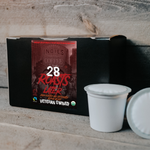
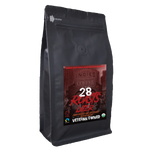
Then look at your brew method. Whole bean for a grinder and drip setup is one thing. K-Cups for speed before work is another. Cold brew packs solve a different problem entirely. A good subscription should support your routine instead of forcing you to adapt to theirs.
If a subscription does not make roast selection easy, keep moving. Coffee drinkers usually know more about what they like than they think.
If you want a bright, lively cup with more origin character, a light roast may be your lane. If you want balance and everyday drinkability, medium roast is usually the safest bet. If you want body, smoke, punch, and that no-apologies morning hit, dark roast is the move. None of these are more sophisticated than the others. They are just different.
This is where a lot of subscription brands get cute. They talk in circles about flavor journeys and tasting poetry while making it weirdly hard to tell whether the coffee is actually bold, smooth, low acid, decaf, or high caffeine. That is backwards. The basics should be obvious.
Look for a service that lets you choose by roast profile and caffeine preference with no guesswork. If you already know you like French roast, breakfast blends, decaf, or something with extra kick, you should be able to build from there in about a minute.
A coffee subscription only makes sense if it beats buying random boxes or bags off a shelf. That means roast freshness has to be part of the promise, not a vague afterthought.
You do not need a chemistry lecture to know the difference. Freshly roasted beans carry more aroma, more definition, and more life in the cup. Old coffee tastes flat, dusty, or hollow, no matter how expensive the branding looked online.
So when you evaluate a subscription, ask simple questions. Is the coffee roasted to order or on a tight schedule? Is the company built around direct delivery, or are subscriptions just bolted onto a bigger generic operation? Does the brand talk like people who respect the bean, or like a boardroom trying to sound artisanal?
If freshness is central, you will feel it in the entire offer. The coffee categories will be clear. Delivery timing will matter. The product descriptions will focus on taste and roast character, not just lifestyle fluff.
A lot of shoppers get pulled in by the percentage off. Saving money is fine, but a rigid subscription that sends the wrong product at the wrong time is not a deal. It is clutter with a shipping label.
The smarter question is how much control you keep after checkout. Can you skip a shipment if you are traveling? Can you change the roast next month if your taste changes with the season? Can you swap from whole bean to pods, or adjust quantity without needing a customer service hostage negotiation?
That flexibility matters because coffee habits are not static. Summer might push you toward cold brew packs. Holiday hosting might mean more bags than usual. A house with one coffee drinker can become a house with three over a long weekend.
The best subscriptions leave room for real life. They do not punish you for having one.
Not every coffee drinker wants the same kind of firepower. Some people want a straightforward daily cup. Some want strong enough to wake the dead. Some love coffee but need decaf after lunch. A subscription should let you build around that without compromise.
This is especially important if you drink more than one style during the week. Maybe your first cup is a bold dark roast, but your second is decaf. Maybe weekdays call for fast K-Cups, while weekends are for grinding whole beans. There is no rule saying your subscription has to serve only one version of your coffee life.
If a company gives you enough category range to cover those habits, that is a real advantage. It means you can stay with one brand you trust instead of bouncing between whatever is available.
Coffee snobs love to act like every cup should involve a scale, a timer, and a small spiritual ceremony. That is fine if you enjoy it. But convenience is not a character flaw.
If your mornings are fast, pick a subscription that respects that. K-Cups exist for a reason. If you want fridge-ready caffeine without the mess, cold brew packs are not cheating. They are efficient. The point is not to perform your coffee identity for strangers. The point is to get a better cup in the format you will actually use.
That is one reason many people overcomplicate this choice. They pick the coffee they think they should want instead of the one they will make every day. Go practical first. Pride can come later.
A cheaper subscription is not actually cheaper if half the coffee sits too long or goes untouched because you do not like it. Likewise, a premium coffee plan can still be a strong value if the quality is consistent, the delivery timing is right, and the coffee gets finished at peak freshness.
When comparing price, think in terms of cost per useful cup. Not cost per bag. Not cost per flashy promo. Useful cup.
That changes the math quickly. A subscription that reliably sends coffee you love, in the right amount, often beats a lower-priced option that forces compromises. You are not just buying beans. You are buying one less errand, one less backup purchase, and one less disappointing brew.
The best brands have a point of view. That does not mean empty attitude. It means they know who they are, what they roast, and who they are for.
Corporate coffee tends to flatten everything. Same broad appeal, same safe language, same lifeless taste. A better subscription should feel like it was built by people who actually care whether the cup lands right. If the brand also reflects your values - independence, small business, veteran ownership, anti-cookie-cutter thinking - that is not just branding wallpaper. It is part of why the experience feels different.
A company like Indies Coffee works for people who want that clarity. Strong categories, fresh organic coffee, and a point of view that does not sound focus-grouped into mush. If you are tired of generic coffee sold by generic brands, that kind of identity can be part of the reason a subscription sticks.
Some problems are easy to miss until the second or third shipment. If the roast descriptions are vague, if the subscription options are confusing, or if every product sounds like it was written for everybody, expect a mediocre fit. When a company makes it hard to understand what you are buying, there is usually a reason.
Be cautious with subscriptions that push big variety without enough control. Variety sounds fun, but too much randomness is a bad trade if you already know what you like. The same goes for oversized shipment intervals that look convenient but quietly work against freshness.
Reviews can help here, especially when they mention consistency, shipping timing, and whether the coffee matched expectations. You are looking for signs that the company delivers the same level of quality after month one, not just during the first-purchase honeymoon.
If you are still stuck on how to pick coffee subscription plans, strip the decision down to four questions. What roast do you actually like? How much coffee do you really drink? What format fits your routine? How much flexibility do you need?
Answer those honestly, and most of the marketing noise falls apart fast. You do not need the trendiest option. You need fresh coffee that shows up on time, tastes the way you want, and makes your mornings easier instead of more complicated.
Pick the subscription that fits your life now. If it is fresh, flexible, and built around real coffee drinkers rather than corporate scripts, you will know after the first bag.
Most people do not need more coffee choices. They need fewer bad ones. If you are trying to figure out how to pick coffee subscription options without getting trapped in stale beans, random roasts, or way too much coffee on the counter, start with one rule: buy for how you actually drink, not for the fantasy version of yourself.
That sounds obvious, but it is where most subscription mistakes start. A coffee plan can be the easiest upgrade in your routine or a monthly reminder that clever branding means nothing if the beans do not fit your taste, brewer, or pace. The right subscription should feel like backup arriving on time. Fresh coffee, the way you like it, without extra noise.
Before you compare brands, start with your own habits. If you drink two big mugs every morning and one more in the afternoon, your needs are completely different from someone who brews only on weekends. The best subscription is not the one with the most exotic tasting notes or the flashiest packaging. It is the one you will actually use all the way through.
Think first about volume. A lot of people underestimate how much coffee they go through, then run out early and grab whatever is on a grocery shelf. Others overestimate, end up with a stockpile, and drink coffee long after its best days are gone. Freshness matters more than abundance. It is better to get the right amount more often than too much all at once.
Then look at your brew method. Whole bean for a grinder and drip setup is one thing. K-Cups for speed before work is another. Cold brew packs solve a different problem entirely. A good subscription should support your routine instead of forcing you to adapt to theirs.
If a subscription does not make roast selection easy, keep moving. Coffee drinkers usually know more about what they like than they think.
If you want a bright, lively cup with more origin character, a light roast may be your lane. If you want balance and everyday drinkability, medium roast is usually the safest bet. If you want body, smoke, punch, and that no-apologies morning hit, dark roast is the move. None of these are more sophisticated than the others. They are just different.
This is where a lot of subscription brands get cute. They talk in circles about flavor journeys and tasting poetry while making it weirdly hard to tell whether the coffee is actually bold, smooth, low acid, decaf, or high caffeine. That is backwards. The basics should be obvious.
Look for a service that lets you choose by roast profile and caffeine preference with no guesswork. If you already know you like French roast, breakfast blends, decaf, or something with extra kick, you should be able to build from there in about a minute.
A coffee subscription only makes sense if it beats buying random boxes or bags off a shelf. That means roast freshness has to be part of the promise, not a vague afterthought.
You do not need a chemistry lecture to know the difference. Freshly roasted beans carry more aroma, more definition, and more life in the cup. Old coffee tastes flat, dusty, or hollow, no matter how expensive the branding looked online.
So when you evaluate a subscription, ask simple questions. Is the coffee roasted to order or on a tight schedule? Is the company built around direct delivery, or are subscriptions just bolted onto a bigger generic operation? Does the brand talk like people who respect the bean, or like a boardroom trying to sound artisanal?
If freshness is central, you will feel it in the entire offer. The coffee categories will be clear. Delivery timing will matter. The product descriptions will focus on taste and roast character, not just lifestyle fluff.
A lot of shoppers get pulled in by the percentage off. Saving money is fine, but a rigid subscription that sends the wrong product at the wrong time is not a deal. It is clutter with a shipping label.
The smarter question is how much control you keep after checkout. Can you skip a shipment if you are traveling? Can you change the roast next month if your taste changes with the season? Can you swap from whole bean to pods, or adjust quantity without needing a customer service hostage negotiation?
That flexibility matters because coffee habits are not static. Summer might push you toward cold brew packs. Holiday hosting might mean more bags than usual. A house with one coffee drinker can become a house with three over a long weekend.
The best subscriptions leave room for real life. They do not punish you for having one.
Not every coffee drinker wants the same kind of firepower. Some people want a straightforward daily cup. Some want strong enough to wake the dead. Some love coffee but need decaf after lunch. A subscription should let you build around that without compromise.
This is especially important if you drink more than one style during the week. Maybe your first cup is a bold dark roast, but your second is decaf. Maybe weekdays call for fast K-Cups, while weekends are for grinding whole beans. There is no rule saying your subscription has to serve only one version of your coffee life.
If a company gives you enough category range to cover those habits, that is a real advantage. It means you can stay with one brand you trust instead of bouncing between whatever is available.
Coffee snobs love to act like every cup should involve a scale, a timer, and a small spiritual ceremony. That is fine if you enjoy it. But convenience is not a character flaw.
If your mornings are fast, pick a subscription that respects that. K-Cups exist for a reason. If you want fridge-ready caffeine without the mess, cold brew packs are not cheating. They are efficient. The point is not to perform your coffee identity for strangers. The point is to get a better cup in the format you will actually use.
That is one reason many people overcomplicate this choice. They pick the coffee they think they should want instead of the one they will make every day. Go practical first. Pride can come later.
A cheaper subscription is not actually cheaper if half the coffee sits too long or goes untouched because you do not like it. Likewise, a premium coffee plan can still be a strong value if the quality is consistent, the delivery timing is right, and the coffee gets finished at peak freshness.
When comparing price, think in terms of cost per useful cup. Not cost per bag. Not cost per flashy promo. Useful cup.
That changes the math quickly. A subscription that reliably sends coffee you love, in the right amount, often beats a lower-priced option that forces compromises. You are not just buying beans. You are buying one less errand, one less backup purchase, and one less disappointing brew.
The best brands have a point of view. That does not mean empty attitude. It means they know who they are, what they roast, and who they are for.
Corporate coffee tends to flatten everything. Same broad appeal, same safe language, same lifeless taste. A better subscription should feel like it was built by people who actually care whether the cup lands right. If the brand also reflects your values - independence, small business, veteran ownership, anti-cookie-cutter thinking - that is not just branding wallpaper. It is part of why the experience feels different.
A company like Indies Coffee works for people who want that clarity. Strong categories, fresh organic coffee, and a point of view that does not sound focus-grouped into mush. If you are tired of generic coffee sold by generic brands, that kind of identity can be part of the reason a subscription sticks.
Some problems are easy to miss until the second or third shipment. If the roast descriptions are vague, if the subscription options are confusing, or if every product sounds like it was written for everybody, expect a mediocre fit. When a company makes it hard to understand what you are buying, there is usually a reason.
Be cautious with subscriptions that push big variety without enough control. Variety sounds fun, but too much randomness is a bad trade if you already know what you like. The same goes for oversized shipment intervals that look convenient but quietly work against freshness.
Reviews can help here, especially when they mention consistency, shipping timing, and whether the coffee matched expectations. You are looking for signs that the company delivers the same level of quality after month one, not just during the first-purchase honeymoon.
If you are still stuck on how to pick coffee subscription plans, strip the decision down to four questions. What roast do you actually like? How much coffee do you really drink? What format fits your routine? How much flexibility do you need?
Answer those honestly, and most of the marketing noise falls apart fast. You do not need the trendiest option. You need fresh coffee that shows up on time, tastes the way you want, and makes your mornings easier instead of more complicated.
Pick the subscription that fits your life now. If it is fresh, flexible, and built around real coffee drinkers rather than corporate scripts, you will know after the first bag.