Your coffee says more than you think. It says whether you settled for a stale, anonymous bag from a warehouse shelf or chose a cup with a real point of view. Coffee culture has grown far beyond the corner cafe and the morning commute. It now lives in home kitchens, garage workshops, hunting camps, office break rooms, and every place people refuse to start the day with bland coffee.
The best part? You do not need a chemistry degree, a tattooed barista, or a menu full of Italian words to be part of it. You need fresh beans, a method that fits your life, and standards high enough to reject corporate coffee built for shelf life instead of flavor.
Coffee Culture Is Not a Corporate Loyalty Program
Big coffee chains helped turn coffee into a daily ritual, but they also taught plenty of people to confuse branding with quality. A giant menu, a sugar-heavy drink, and a rewards app do not automatically make a better cup. Most serious coffee drinkers eventually figure out the difference between coffee that is merely convenient and coffee that is actually worth drinking.
Real coffee culture is built around the experience of the cup. It is the smell when you open a newly roasted bag. It is knowing whether you want the bright snap of a light roast, the balanced body of a medium roast, or a dark roast that hits with smoke, chocolate, and zero apologies. It is sharing a bag with a friend, arguing about the right brew method, and finding the roast that makes your morning feel like your own.
That does not mean every cup has to be precious. Sometimes you have time to weigh grounds and dial in a pour-over. Sometimes you need a K-Cup before a 6 a.m. meeting, a cold brew pack for a hot afternoon, or a strong drip coffee that can keep up with a long shift. Good coffee culture makes room for all of it. The common standard is simple: the coffee should taste intentional.
Freshness Is Where Better Coffee Starts
Coffee is an agricultural product, not a decorative pantry item. Once roasted, it starts changing. The aromatic compounds that give coffee its character begin to fade, and oxygen slowly dulls the flavors you paid for. A bag can look premium, carry impressive-sounding tasting notes, and still deliver a flat cup if it sat around too long.
Freshness does not mean coffee should be brewed minutes after roasting. Beans need a short resting period to release carbon dioxide and settle into a more balanced brew. But fresh coffee should be measured in weeks, not forgotten months. That is why independent roasters have an edge: they can focus on getting coffee roasted and moving, rather than building inventory for endless warehouse time.
Buying whole beans is usually the strongest move if you have a grinder. Grinding right before brewing keeps more aroma and flavor in the cup. Pre-ground coffee is still a valid choice when convenience matters, but use it promptly, keep it sealed, and do not store it in the refrigerator. A cool, dark cabinet is enough. Coffee is not a science project. Treat it well, and it will return the favor.
Roast Level Is a Preference, Not a Personality Test
Light, medium, and dark roasts are not a ranking system. They are different expressions of the bean and the roast profile.
Light roasts tend to preserve more of the bean's original character. Depending on the coffee, that can mean citrus, fruit, florals, or a crisp, lively finish. They reward slower brewing methods and drinkers who enjoy nuance, though they can taste sharp if the brew is rushed or under-extracted.
Medium roasts are the workhorses. They offer balance, enough roast development for body and sweetness, and enough origin character to stay interesting. If your household has different coffee opinions, medium roast is often the easiest common ground.
Dark roasts bring more roast-forward flavor: cocoa, toasted sugar, deep body, and a finish that stands up to cream, cold mornings, and people who want their coffee to mean business. The trade-off is that delicate origin notes take a back seat. For plenty of drinkers, that is not a compromise. That is exactly the point.
Build a Coffee Routine That Works in Real Life
The right brew method is the one you will actually use consistently. A French press makes a full-bodied cup with little equipment and works well for people who like texture. A drip brewer is dependable for households, workdays, and anyone making more than one cup. Pour-over gives more control, but it asks for attention and patience. Espresso delivers intensity and texture, although good equipment comes with a higher cost and a learning curve.
Then there is cold brew, built for convenience without surrendering flavor. It is smooth, easy to batch, and ready when the temperature climbs or the schedule gets ugly. Cold brew packs make the process even simpler: steep, chill, pour, and get on with your day.
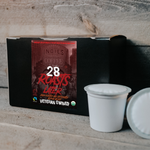
Convenience is not the enemy of quality. Bad coffee is. K-Cups, for example, make sense for quick single servings, shared offices, and mornings when measuring coffee is not happening. The key is choosing pods filled with coffee that was selected and roasted with care, not whatever was cheapest to produce at industrial scale.
Water matters more than most people expect. If your tap water has a strong chlorine smell or mineral-heavy taste, it will show up in the cup. Filtered water can make an immediate difference. So can using enough coffee. Weak coffee is often not a bean problem. It is a ratio problem. Start around two tablespoons of ground coffee per six ounces of water, then adjust until the cup has the strength you want.
The Independent Coffee Culture Difference
Independent coffee is not about pretending every purchase is a revolution. It is about refusing to let giant corporations define what quality, convenience, or taste should mean for you. Small roasters and veteran-owned brands have the freedom to put a distinct voice behind the product, take flavor seriously, and build relationships that do not feel like a marketing funnel wearing an apron.
That identity matters because coffee is a repeat purchase. You make the decision over and over again. A subscription can remove the hassle of running out, while still giving you control over roast preference and delivery timing. Gift boxes can turn a standard present into something more personal. A favorite mug, hat, or shirt can signal that your daily ritual belongs to a community, not a chain store.
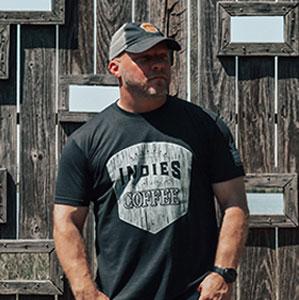
Indies Coffee is built for people who want that combination of fresh-roasted flavor and independent conviction. Whether your move is a bold French roast, an all-day breakfast blend, decaf that still tastes like coffee, or an extra-caffeinated option with some kick, the goal is not complicated: get the flavor the bean intended into your cup.
Make the Cup Yours
There is no single correct way to participate in coffee culture. Drink it black if that is how you taste the roast. Add cream if that is how you enjoy your morning. Use a scale, or use the scoop that came with the brewer. Try a light roast on a quiet weekend and keep a dark roast ready for weekday duty.
The only bad rule is the one that tells you generic is good enough. Buy coffee with a roast profile you actually want, store it properly, brew it with decent water, and pay attention to how it tastes. Your next cup is a small choice, but it is yours. Make it like you mean it.
By Admin
Share:
Related Posts
K-Cup Variety Pack Review: Worth the Counter Space?