
0 item(s)
View cart
You have no items in your shopping cart.
Missed your morning bag reorder again? That one mistake can leave you staring at stale grocery-store beans, overpriced drive-thru coffee, or the sad emergency K-Cup box you swore you were done buying. If you’ve been asking, are coffee subscriptions worth it, the real answer comes down to how much you care about freshness, consistency, and not handing your coffee routine over to the same corporate machines that made it boring in the first place.
For a lot of people, yes. If you drink coffee every day, a subscription can solve a real problem instead of inventing one. You stop running out, you stop panic-buying whatever is on the nearest shelf, and you get coffee delivered on a schedule that matches how fast you actually go through it.
That matters more than it sounds. Coffee is one of those products people buy on autopilot, then complain about when it tastes flat. The issue usually isn’t that they suddenly stopped liking coffee. It’s that old beans, random blends, and inconsistent restocks make the whole ritual worse. A solid subscription keeps the quality level steady.
The biggest win is freshness. Specialty coffee has a shorter glory window than many people realize. Beans roasted recently and shipped quickly tend to show more aroma, clearer flavor, and less of that cardboard taste you get from coffee that sat in a warehouse, then on a truck, then on a retail shelf. If flavor matters to you, subscriptions start making sense fast.
Convenience is the second reason. Not fake convenience, either. Real convenience. You build your routine once, choose your roast level or format, and let the deliveries keep pace. For busy households, remote workers, early risers, and anyone who burns through a bag faster than expected, that’s worth something.
The price question is where people get skeptical, and fair enough. Not every subscription is a deal. Some are just regular coffee with recurring billing slapped on top. But the better ones earn their keep in a few ways.
First, there’s reduced waste. When you buy too much coffee at once, it goes dull before you finish it. When you buy too little, you end up paying premium prices for whatever is available at the last minute. A subscription can hit the middle ground, where you get enough coffee to stay stocked without treating your pantry like a storage unit.
Second, there’s quality per cup. A bag that costs more upfront may still be a better value than daily coffee shop runs. If your subscription coffee tastes strong, fresh, and reliable, brewing at home can cut your cost per cup while actually improving the experience. That trade-off matters to anyone tired of paying café prices for drinks that are inconsistent anyway.
Third, some subscriptions let you customize enough to avoid paying for coffee you don’t want. If you can choose light, medium, dark, decaf, highly caffeinated options, K-Cups, or cold brew packs, the subscription becomes more practical. The more your delivery matches your habits, the more likely it is to feel worth it.
This is where independent roasters often have the edge. They tend to care more about roast freshness, flavor integrity, and clear taste profiles than the giant brands pumping out anonymous blends. You’re not just paying for a shipment. You’re paying to stop settling.
Not everyone needs one, and pretending otherwise is corporate coffee logic with better packaging.
If you only drink coffee a few times a week, a subscription may create pressure to use up coffee before it fades. If your routine changes constantly, or you travel often, fixed deliveries can pile up. And if you genuinely don’t notice or care about the difference between fresh-roasted coffee and whatever was discounted at the supermarket, the premium may not matter to you.
Subscriptions also lose value when they’re hard to control. If skipping, pausing, swapping roasts, or changing delivery frequency feels like a hostage negotiation, that’s a bad setup. A good coffee subscription should work for your life, not trap you in it.
Then there’s the novelty problem. Some services lean too hard into surprise and not enough into preference. That sounds fun until you’re stuck with coffees that don’t fit your taste. If you know you like bold dark roasts, smooth breakfast blends, or decaf that still tastes like real coffee, random picks may feel less like discovery and more like homework.
The best coffee subscriptions are built around control, not gimmicks. They let you choose what you drink, how often it arrives, and how much you get without forcing you into some bloated membership ecosystem.
Fresh roast dates matter. So does predictable quality. So does having coffee styles that actually fit different drinkers instead of pretending one profile works for everyone. A dark roast drinker does not want to be lectured into liking bright citrus notes if they just want a bold, no-nonsense cup that hits hard at 5:30 a.m.
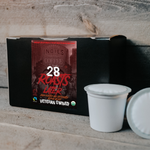
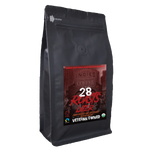
Format matters too. Whole bean works for people who grind fresh and want maximum flavor. Ground coffee is practical for households that value speed. K-Cups can make perfect sense for convenience-first drinkers who still want better coffee than the usual office sludge. Cold brew packs are ideal for people who want smooth, low-effort caffeine in warmer months. A subscription becomes more valuable when it respects how people actually brew.
Good customer experience is another separator. You should be able to skip a shipment, adjust timing, or change products without digging through a maze of hidden settings. If a brand is confident in its coffee, it won’t need to make leaving harder than joining.
If your comparison point is cheap shelf-stable coffee, then yes, coffee subscriptions are often worth it for anyone who values taste. Store-bought coffee wins on immediate availability, but it usually loses on freshness. By the time that bag reaches your cart, it may have been sitting around long enough to mute the flavors you were hoping for.
That doesn’t mean every grocery bag is bad. It means shelf life and supply chain realities work against peak flavor. Coffee is at its best when it gets from roaster to cup without spending forever in transit or storage.
Subscriptions also remove the decision fatigue. Instead of wandering an aisle full of lookalike bags with patriotic colors, fake artisan fonts, and vague tasting notes, you lock in what you know you enjoy. That’s not just easier. It usually leads to better coffee in the mug.
There’s also a values piece here. Plenty of people would rather give recurring business to an independent, conviction-driven company than hand more money to giant mass-market brands that treat coffee like another commodity. If supporting smaller, bolder brands matters to you, that value is real too.
The sweet spot is simple. Coffee subscriptions are best for people who drink coffee consistently, know what kind of roast or format they like, and want a steady supply without sacrificing flavor. They’re especially strong for households that brew every morning, people who buy premium coffee anyway, and anyone who hates emergency grocery runs.
They also make sense for gift buyers. A subscription can feel more personal than a one-off bag because it keeps showing up. It tells the recipient you know what they actually use, not just what looks nice in a gift box.
And for people who are done with generic coffee culture, a subscription can be a line in the sand. Better beans, fresher roasting, and a brand with an actual point of view beats another forgettable tub from a giant warehouse chain.
A brand like Indies Coffee fits that lane because the appeal isn’t just caffeine. It’s fresh-roasted coffee with some backbone behind it, made for people who want their daily cup to taste like a choice, not a compromise.
So, are coffee subscriptions worth it? They are when they give you fresher coffee, fewer last-minute purchases, and a routine that matches how you actually drink. They are not worth it when they overcharge, overcomplicate, or send coffee that feels generic.
The smart move is to judge the subscription the same way you judge the coffee itself - by what shows up in the cup. If the flavor is better, the timing works, and the service stays flexible, it’s not an extra expense. It’s a better system.
If your current setup leaves you with stale beans, weak backups, or another morning spent settling for whatever was easiest to grab, that’s your answer right there. Buy coffee like you mean it.
Missed your morning bag reorder again? That one mistake can leave you staring at stale grocery-store beans, overpriced drive-thru coffee, or the sad emergency K-Cup box you swore you were done buying. If you’ve been asking, are coffee subscriptions worth it, the real answer comes down to how much you care about freshness, consistency, and not handing your coffee routine over to the same corporate machines that made it boring in the first place.
For a lot of people, yes. If you drink coffee every day, a subscription can solve a real problem instead of inventing one. You stop running out, you stop panic-buying whatever is on the nearest shelf, and you get coffee delivered on a schedule that matches how fast you actually go through it.
That matters more than it sounds. Coffee is one of those products people buy on autopilot, then complain about when it tastes flat. The issue usually isn’t that they suddenly stopped liking coffee. It’s that old beans, random blends, and inconsistent restocks make the whole ritual worse. A solid subscription keeps the quality level steady.
The biggest win is freshness. Specialty coffee has a shorter glory window than many people realize. Beans roasted recently and shipped quickly tend to show more aroma, clearer flavor, and less of that cardboard taste you get from coffee that sat in a warehouse, then on a truck, then on a retail shelf. If flavor matters to you, subscriptions start making sense fast.
Convenience is the second reason. Not fake convenience, either. Real convenience. You build your routine once, choose your roast level or format, and let the deliveries keep pace. For busy households, remote workers, early risers, and anyone who burns through a bag faster than expected, that’s worth something.
The price question is where people get skeptical, and fair enough. Not every subscription is a deal. Some are just regular coffee with recurring billing slapped on top. But the better ones earn their keep in a few ways.
First, there’s reduced waste. When you buy too much coffee at once, it goes dull before you finish it. When you buy too little, you end up paying premium prices for whatever is available at the last minute. A subscription can hit the middle ground, where you get enough coffee to stay stocked without treating your pantry like a storage unit.
Second, there’s quality per cup. A bag that costs more upfront may still be a better value than daily coffee shop runs. If your subscription coffee tastes strong, fresh, and reliable, brewing at home can cut your cost per cup while actually improving the experience. That trade-off matters to anyone tired of paying café prices for drinks that are inconsistent anyway.
Third, some subscriptions let you customize enough to avoid paying for coffee you don’t want. If you can choose light, medium, dark, decaf, highly caffeinated options, K-Cups, or cold brew packs, the subscription becomes more practical. The more your delivery matches your habits, the more likely it is to feel worth it.
This is where independent roasters often have the edge. They tend to care more about roast freshness, flavor integrity, and clear taste profiles than the giant brands pumping out anonymous blends. You’re not just paying for a shipment. You’re paying to stop settling.
Not everyone needs one, and pretending otherwise is corporate coffee logic with better packaging.
If you only drink coffee a few times a week, a subscription may create pressure to use up coffee before it fades. If your routine changes constantly, or you travel often, fixed deliveries can pile up. And if you genuinely don’t notice or care about the difference between fresh-roasted coffee and whatever was discounted at the supermarket, the premium may not matter to you.
Subscriptions also lose value when they’re hard to control. If skipping, pausing, swapping roasts, or changing delivery frequency feels like a hostage negotiation, that’s a bad setup. A good coffee subscription should work for your life, not trap you in it.
Then there’s the novelty problem. Some services lean too hard into surprise and not enough into preference. That sounds fun until you’re stuck with coffees that don’t fit your taste. If you know you like bold dark roasts, smooth breakfast blends, or decaf that still tastes like real coffee, random picks may feel less like discovery and more like homework.
The best coffee subscriptions are built around control, not gimmicks. They let you choose what you drink, how often it arrives, and how much you get without forcing you into some bloated membership ecosystem.
Fresh roast dates matter. So does predictable quality. So does having coffee styles that actually fit different drinkers instead of pretending one profile works for everyone. A dark roast drinker does not want to be lectured into liking bright citrus notes if they just want a bold, no-nonsense cup that hits hard at 5:30 a.m.
Format matters too. Whole bean works for people who grind fresh and want maximum flavor. Ground coffee is practical for households that value speed. K-Cups can make perfect sense for convenience-first drinkers who still want better coffee than the usual office sludge. Cold brew packs are ideal for people who want smooth, low-effort caffeine in warmer months. A subscription becomes more valuable when it respects how people actually brew.
Good customer experience is another separator. You should be able to skip a shipment, adjust timing, or change products without digging through a maze of hidden settings. If a brand is confident in its coffee, it won’t need to make leaving harder than joining.
If your comparison point is cheap shelf-stable coffee, then yes, coffee subscriptions are often worth it for anyone who values taste. Store-bought coffee wins on immediate availability, but it usually loses on freshness. By the time that bag reaches your cart, it may have been sitting around long enough to mute the flavors you were hoping for.
That doesn’t mean every grocery bag is bad. It means shelf life and supply chain realities work against peak flavor. Coffee is at its best when it gets from roaster to cup without spending forever in transit or storage.
Subscriptions also remove the decision fatigue. Instead of wandering an aisle full of lookalike bags with patriotic colors, fake artisan fonts, and vague tasting notes, you lock in what you know you enjoy. That’s not just easier. It usually leads to better coffee in the mug.
There’s also a values piece here. Plenty of people would rather give recurring business to an independent, conviction-driven company than hand more money to giant mass-market brands that treat coffee like another commodity. If supporting smaller, bolder brands matters to you, that value is real too.
The sweet spot is simple. Coffee subscriptions are best for people who drink coffee consistently, know what kind of roast or format they like, and want a steady supply without sacrificing flavor. They’re especially strong for households that brew every morning, people who buy premium coffee anyway, and anyone who hates emergency grocery runs.
They also make sense for gift buyers. A subscription can feel more personal than a one-off bag because it keeps showing up. It tells the recipient you know what they actually use, not just what looks nice in a gift box.
And for people who are done with generic coffee culture, a subscription can be a line in the sand. Better beans, fresher roasting, and a brand with an actual point of view beats another forgettable tub from a giant warehouse chain.
A brand like Indies Coffee fits that lane because the appeal isn’t just caffeine. It’s fresh-roasted coffee with some backbone behind it, made for people who want their daily cup to taste like a choice, not a compromise.
So, are coffee subscriptions worth it? They are when they give you fresher coffee, fewer last-minute purchases, and a routine that matches how you actually drink. They are not worth it when they overcharge, overcomplicate, or send coffee that feels generic.
The smart move is to judge the subscription the same way you judge the coffee itself - by what shows up in the cup. If the flavor is better, the timing works, and the service stays flexible, it’s not an extra expense. It’s a better system.
If your current setup leaves you with stale beans, weak backups, or another morning spent settling for whatever was easiest to grab, that’s your answer right there. Buy coffee like you mean it.