
0 item(s)
View cart
You have no items in your shopping cart.
Grocery-store coffee has already spent too much of its life sitting around before it reaches your cabinet. If you want coffee that shows up with real aroma, real character, and zero corporate-coffee compromise, it is time to start a coffee bean subscription built around how you actually drink it.
A good subscription is not a random bag arriving on a rigid schedule. It is your standing order for fresher mornings: the roast you want, the format you use, and a delivery cadence that keeps your supply steady without burying your freezer in coffee. Set it up right once, then let fresh coffee report for duty.
The practical reason is easy: you stop running out. No emergency drive to buy whatever has been sitting under fluorescent lights for months. No settling for a stale, flavorless backup bag because you forgot to reorder.
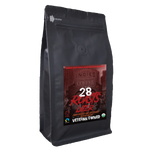
The better reason is freshness. Coffee beans are at their best when they are roasted, packed, and delivered with purpose. Whole beans protect their flavor longer than pre-ground coffee, and a regular delivery schedule helps you use each bag while it is still bringing its full character to the cup. Whether you like a crisp light roast, a balanced medium roast, or a dark roast that hits like it means business, fresh beans make the difference clear.
A subscription also lets you buy coffee on your terms. You can choose a dependable everyday roast and stop giving big-box brands another chance to disappoint you. For coffee drinkers who believe the things they buy should reflect what they stand for, that matters. Your daily cup does not need a corporate logo to be convenient.
The fastest way to build a subscription you will actually enjoy is to begin with flavor, not frequency. Think about the coffee you reach for when the morning is moving fast and you need a cup that does its job.
Light roasts tend to preserve more of the bean's brighter, more delicate notes. They can be lively, citrusy, floral, or lightly sweet, depending on the coffee. They are a strong fit for drinkers who brew pour-over, drip coffee, or other methods that highlight nuance.
Medium roasts land in the middle for a reason. They offer body and balance without hiding the bean completely behind roast flavor. If your household has more than one coffee drinker or you want a reliable daily driver, a medium roast is often the safest first subscription choice.
Dark roasts are for people who want depth, weight, and a cup with backbone. Expect fuller body, deeper cocoa-like or smoky notes, and a finish that stands up well to cream, sugar, and a hard start to the day. French roast and Italian roast fans usually know where they stand. They are not looking for timid coffee.
If caffeine is your main mission, choose accordingly. Highly caffeinated coffee can make sense for early shifts, long drives, training days, or anyone who prefers their first cup to bring serious momentum. Decaf deserves consideration, too. A decaf subscription is a smart move for late-day coffee drinkers who want the ritual and flavor without turning midnight into a staring contest with the ceiling.
Whole bean coffee is the move if you own a grinder. Grinding immediately before brewing helps keep volatile aromas and flavor compounds in the cup instead of letting them fade in the bag. It takes a few extra seconds, but those seconds pay you back every morning.
Ground coffee is the right choice when speed matters more than tinkering. Match the grind to your brewer where possible. A standard drip machine, French press, espresso setup, and pour-over brewer do not all ask for the same particle size. The wrong grind can make good coffee taste weak, bitter, muddy, or strangely sour.
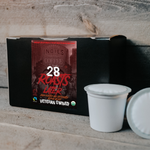
Not every subscription has to be traditional whole bean. K-Cups are a practical option for single-serve households, offices, and anyone who needs a clean, fast cup before heading out. Cold brew packs make sense when your fridge is doing the heavy lifting, especially through hot weather or for drinkers who prefer a smooth, low-acid-style cup over ice.
There is no prize for choosing the most complicated setup. Choose the format you will use consistently. Great coffee in a bag is still just a bag if your routine makes it inconvenient to brew.
Most subscription mistakes come down to overestimating how much coffee gets used. Start with your actual household habits, not the version of yourself who promises to brew every morning.
A useful baseline is simple. A 12-ounce bag of whole beans generally makes around 20 to 24 standard cups, depending on how strong you brew. If you drink one generous mug every day, one bag about every three weeks is a reasonable starting point. Two daily drinkers may go through that bag in roughly 10 to 12 days.
Consider your brewing style, too. Espresso uses a different amount of coffee than a light drip cup, and cold brew can move through beans quickly. If you entertain often, work from home, or have a coffee-loving partner, bump the frequency up. If coffee is a weekend ritual or a second beverage after energy drinks, choose a longer interval.
The goal is not to stockpile coffee. It is to keep a fresh bag ready when the current one is nearing the finish line. If you are unsure, begin conservatively and adjust after the first delivery or two. A subscription should be useful, not another thing cluttering the pantry.
Loyalty does not require drinking the exact same roast forever. Some people want one familiar coffee every morning, and that is a solid plan. Others want a dependable core roast with room to rotate in a bolder dark roast, a breakfast blend, or a seasonal change of pace.
If you brew with milk or flavored creamers, choose a coffee with enough body to hold its ground. A dark roast or fuller medium roast often works well. If you drink it black, you may notice more of the differences between roast levels, origins, and brewing methods, so rotating occasionally can keep the routine interesting.
One practical strategy is to subscribe to your proven favorite and buy a different bag when you want to experiment. That keeps your kitchen supplied with a coffee you trust while giving you permission to try something new without gambling your entire month of mornings.
Fresh delivery helps, but storage still counts. Keep coffee in its original sealed bag if it has a resealable closure, or transfer it to an airtight container. Store it in a cool, dark cabinet away from direct sun, heat, and moisture.
Skip the refrigerator. Coffee can absorb odors and moisture, neither of which belongs in your morning brew. Freezing can work for unopened extra bags you will not use soon, but it is better to order at a pace that prevents that problem in the first place. Once a bag is open, use it regularly and close it tight.
Grind only what you need for each brew when possible. That small habit protects the flavor you paid for and lets the bean do what it was roasted to do.
Starting a subscription is not about making coffee complicated. It is about refusing to settle for stale, anonymous coffee because it was easy to grab. Indies Coffee gives independent coffee drinkers a direct route to fresh organic coffee with the roast options, bold character, and dependable delivery a serious routine deserves.
Start with the roast that matches your taste, choose the format that fits your equipment, and set a schedule based on what your household truly drinks. Then pay attention to the first few bags. Your ideal subscription is not the one with the most choices. It is the one that makes a better cup the easiest choice every morning.
Grocery-store coffee has already spent too much of its life sitting around before it reaches your cabinet. If you want coffee that shows up with real aroma, real character, and zero corporate-coffee compromise, it is time to start a coffee bean subscription built around how you actually drink it.
A good subscription is not a random bag arriving on a rigid schedule. It is your standing order for fresher mornings: the roast you want, the format you use, and a delivery cadence that keeps your supply steady without burying your freezer in coffee. Set it up right once, then let fresh coffee report for duty.
The practical reason is easy: you stop running out. No emergency drive to buy whatever has been sitting under fluorescent lights for months. No settling for a stale, flavorless backup bag because you forgot to reorder.
The better reason is freshness. Coffee beans are at their best when they are roasted, packed, and delivered with purpose. Whole beans protect their flavor longer than pre-ground coffee, and a regular delivery schedule helps you use each bag while it is still bringing its full character to the cup. Whether you like a crisp light roast, a balanced medium roast, or a dark roast that hits like it means business, fresh beans make the difference clear.
A subscription also lets you buy coffee on your terms. You can choose a dependable everyday roast and stop giving big-box brands another chance to disappoint you. For coffee drinkers who believe the things they buy should reflect what they stand for, that matters. Your daily cup does not need a corporate logo to be convenient.
The fastest way to build a subscription you will actually enjoy is to begin with flavor, not frequency. Think about the coffee you reach for when the morning is moving fast and you need a cup that does its job.
Light roasts tend to preserve more of the bean's brighter, more delicate notes. They can be lively, citrusy, floral, or lightly sweet, depending on the coffee. They are a strong fit for drinkers who brew pour-over, drip coffee, or other methods that highlight nuance.
Medium roasts land in the middle for a reason. They offer body and balance without hiding the bean completely behind roast flavor. If your household has more than one coffee drinker or you want a reliable daily driver, a medium roast is often the safest first subscription choice.
Dark roasts are for people who want depth, weight, and a cup with backbone. Expect fuller body, deeper cocoa-like or smoky notes, and a finish that stands up well to cream, sugar, and a hard start to the day. French roast and Italian roast fans usually know where they stand. They are not looking for timid coffee.
If caffeine is your main mission, choose accordingly. Highly caffeinated coffee can make sense for early shifts, long drives, training days, or anyone who prefers their first cup to bring serious momentum. Decaf deserves consideration, too. A decaf subscription is a smart move for late-day coffee drinkers who want the ritual and flavor without turning midnight into a staring contest with the ceiling.
Whole bean coffee is the move if you own a grinder. Grinding immediately before brewing helps keep volatile aromas and flavor compounds in the cup instead of letting them fade in the bag. It takes a few extra seconds, but those seconds pay you back every morning.
Ground coffee is the right choice when speed matters more than tinkering. Match the grind to your brewer where possible. A standard drip machine, French press, espresso setup, and pour-over brewer do not all ask for the same particle size. The wrong grind can make good coffee taste weak, bitter, muddy, or strangely sour.
Not every subscription has to be traditional whole bean. K-Cups are a practical option for single-serve households, offices, and anyone who needs a clean, fast cup before heading out. Cold brew packs make sense when your fridge is doing the heavy lifting, especially through hot weather or for drinkers who prefer a smooth, low-acid-style cup over ice.
There is no prize for choosing the most complicated setup. Choose the format you will use consistently. Great coffee in a bag is still just a bag if your routine makes it inconvenient to brew.
Most subscription mistakes come down to overestimating how much coffee gets used. Start with your actual household habits, not the version of yourself who promises to brew every morning.
A useful baseline is simple. A 12-ounce bag of whole beans generally makes around 20 to 24 standard cups, depending on how strong you brew. If you drink one generous mug every day, one bag about every three weeks is a reasonable starting point. Two daily drinkers may go through that bag in roughly 10 to 12 days.
Consider your brewing style, too. Espresso uses a different amount of coffee than a light drip cup, and cold brew can move through beans quickly. If you entertain often, work from home, or have a coffee-loving partner, bump the frequency up. If coffee is a weekend ritual or a second beverage after energy drinks, choose a longer interval.
The goal is not to stockpile coffee. It is to keep a fresh bag ready when the current one is nearing the finish line. If you are unsure, begin conservatively and adjust after the first delivery or two. A subscription should be useful, not another thing cluttering the pantry.
Loyalty does not require drinking the exact same roast forever. Some people want one familiar coffee every morning, and that is a solid plan. Others want a dependable core roast with room to rotate in a bolder dark roast, a breakfast blend, or a seasonal change of pace.
If you brew with milk or flavored creamers, choose a coffee with enough body to hold its ground. A dark roast or fuller medium roast often works well. If you drink it black, you may notice more of the differences between roast levels, origins, and brewing methods, so rotating occasionally can keep the routine interesting.
One practical strategy is to subscribe to your proven favorite and buy a different bag when you want to experiment. That keeps your kitchen supplied with a coffee you trust while giving you permission to try something new without gambling your entire month of mornings.
Fresh delivery helps, but storage still counts. Keep coffee in its original sealed bag if it has a resealable closure, or transfer it to an airtight container. Store it in a cool, dark cabinet away from direct sun, heat, and moisture.
Skip the refrigerator. Coffee can absorb odors and moisture, neither of which belongs in your morning brew. Freezing can work for unopened extra bags you will not use soon, but it is better to order at a pace that prevents that problem in the first place. Once a bag is open, use it regularly and close it tight.
Grind only what you need for each brew when possible. That small habit protects the flavor you paid for and lets the bean do what it was roasted to do.
Starting a subscription is not about making coffee complicated. It is about refusing to settle for stale, anonymous coffee because it was easy to grab. Indies Coffee gives independent coffee drinkers a direct route to fresh organic coffee with the roast options, bold character, and dependable delivery a serious routine deserves.
Start with the roast that matches your taste, choose the format that fits your equipment, and set a schedule based on what your household truly drinks. Then pay attention to the first few bags. Your ideal subscription is not the one with the most choices. It is the one that makes a better cup the easiest choice every morning.