
0 item(s)
View cart
You have no items in your shopping cart.
A coffee pod should not taste like a compromise you made because the morning was busy. Convenience is great. Thin, stale, vaguely burnt coffee is not. The best coffee pods for flavor deliver a real cup of coffee: clear aroma, a defined roast character, enough body to stand up to cream if that is your move, and a finish that does not leave you wishing you had brewed a full pot.
That standard eliminates a lot of generic pods. Big-box coffee has trained people to expect little more than caffeine and hot brown water from a single-serve brewer. But a pod can carry serious flavor when the coffee inside is fresh, the roast is intentional, and the brewer is set up to let it do its job.
Flavor starts long before a pod goes into the machine. It begins with quality green coffee, then comes roasting, packaging, storage, and finally how much water you run through the pod. A weak link anywhere in that chain can flatten the cup.
Freshness is the first thing to look for. Coffee loses its most vivid aromatic compounds over time, especially after roasting. Pods protect coffee from oxygen better than an open bag sitting in a cabinet, but they cannot turn old coffee into fresh coffee. If a brand treats roasting as an afterthought and lets product linger in warehouses, the cup will tell on them.
The roast profile matters just as much. A good light roast pod can be bright, clean, and layered, with notes that feel crisp rather than sour. A medium roast should bring balance, giving you sweetness, body, and enough depth for an everyday cup. A dark roast should be bold and rich without tasting like ash. Dark is not supposed to mean scorched.
Then there is dose. Many disappointing pods are underfilled, which is why they taste watery at a normal mug size. A flavorful pod needs enough coffee to produce a satisfying cup, particularly if you prefer the 10-ounce or 12-ounce setting. No amount of slick packaging can compensate for too little coffee in the chamber.
There is no single best roast for everyone. The right pod is the one that works with how you actually drink coffee, not the one with the loudest label.
Light roast coffee pods are for drinkers who want to taste more than roast itself. Depending on the bean and profile, expect lively citrus, floral notes, fruit, honey-like sweetness, or a clean nutty finish. These are excellent black, where subtle flavors have room to show up.
The trade-off is that light roasts can feel less heavy than dark roasts. If your default is cream and a spoonful of sugar, some of those finer notes may disappear. Brew a smaller cup first, around 6 to 8 ounces, and give the coffee a fair shot before deciding it lacks strength.
Medium roast is the workhorse category for good reason. It usually delivers a rounded cup with balanced acidity, caramelized sweetness, moderate body, and a familiar coffee-forward finish. It is versatile enough for black coffee, a splash of milk, or the travel mug you refill before heading out the door.
For many households, medium roast pods are the safest answer when everyone wants something different. They are approachable without being boring, especially when the coffee is freshly roasted and not over-extracted.
Dark roast fans are not looking for delicate tea-like notes at 5:30 a.m. They want a cup with weight, intensity, and a finish that holds its ground. A well-made French or Italian-style roast can bring bittersweet chocolate, toasted nuts, deep caramel, and a smoky edge without crossing into bitter, burned territory.
Dark pods are often the best choice for cream drinkers because the coffee still comes through. But do not assume every dark roast will be stronger in caffeine. Roast level affects flavor more reliably than caffeine content. If you want more kick, look for a coffee specifically positioned as high caffeine instead of choosing dark roast by default.
The difference between specialty-minded pods and mass-market pods is often simple: someone cared about what happened after the coffee was roasted.
Corporate coffee is built for scale, not necessarily for a great cup in your kitchen. It needs to survive long distribution routes, crowded warehouses, and shelf time that can stretch far beyond coffee’s peak flavor window. That system may be efficient, but efficiency is not a tasting note.
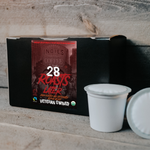
Independent roasters have a different advantage. They can focus on roast freshness, smaller production runs, and coffee that tastes intentional rather than standardized into oblivion. Indies Coffee takes that approach seriously, bringing organic coffee and bold roast options to K-Cup drinkers who are done accepting bland coffee as the price of convenience.
Fresh coffee also gives you more useful information in the cup. A medium roast tastes sweeter. A dark roast tastes richer rather than simply harsher. A breakfast blend has enough definition to make the first cup of the day feel like coffee, not just a delivery system for caffeine.
Even an excellent pod can taste weak when the machine is working against it. The biggest mistake is choosing the largest brew setting every time. More water does not create more coffee. It dilutes what is in the pod.
For a stronger, more flavorful cup, start at 8 ounces. If the coffee tastes concentrated but balanced, you can experiment with 10 ounces. Reserve the largest setting for pods made specifically for a bigger mug, or accept that you may be trading flavor for volume.
Keep the machine clean, too. Mineral buildup and old coffee residue can add bitterness or a strange stale note that gets blamed on the pod. Run a cleaning cycle as recommended, wipe down the pod holder, and use decent water. If your tap water tastes heavily chlorinated or metallic on its own, it will show up in your coffee.
Finally, drink it shortly after brewing. A fresh cup has the most aroma and the liveliest flavor. Letting it sit on a warming plate or in an open mug for half an hour strips away much of what made it good in the first place.
Terms like “bold,” “extra bold,” and “breakfast blend” can be useful, but they are not universal standards. One brand’s bold may be another brand’s average medium roast. Read those words as a starting point, then pay attention to roast level, tasting descriptions, and what the brand says about freshness.
Flavored coffee is another separate decision. If you enjoy vanilla, hazelnut, or other flavored options, choose them because you want that profile, not because you are trying to cover weak coffee. The best flavored pods still start with coffee that has enough body and roast character to carry the added flavor. Otherwise, the result can taste perfumed and hollow.
If you are buying for a household, variety is the smart play. Keep a balanced medium roast for daily use, a dark roast for people who want more muscle in the mug, and a decaf option that does not taste like punishment after dinner. That lineup covers real routines without filling the cabinet with forgettable pods.
The best coffee pod is not the one that makes the biggest claim. It is the one you look forward to brewing again tomorrow: fresh, properly roasted, strong enough for your cup size, and made by people who refuse to treat good coffee like a commodity.
A coffee pod should not taste like a compromise you made because the morning was busy. Convenience is great. Thin, stale, vaguely burnt coffee is not. The best coffee pods for flavor deliver a real cup of coffee: clear aroma, a defined roast character, enough body to stand up to cream if that is your move, and a finish that does not leave you wishing you had brewed a full pot.
That standard eliminates a lot of generic pods. Big-box coffee has trained people to expect little more than caffeine and hot brown water from a single-serve brewer. But a pod can carry serious flavor when the coffee inside is fresh, the roast is intentional, and the brewer is set up to let it do its job.
Flavor starts long before a pod goes into the machine. It begins with quality green coffee, then comes roasting, packaging, storage, and finally how much water you run through the pod. A weak link anywhere in that chain can flatten the cup.
Freshness is the first thing to look for. Coffee loses its most vivid aromatic compounds over time, especially after roasting. Pods protect coffee from oxygen better than an open bag sitting in a cabinet, but they cannot turn old coffee into fresh coffee. If a brand treats roasting as an afterthought and lets product linger in warehouses, the cup will tell on them.
The roast profile matters just as much. A good light roast pod can be bright, clean, and layered, with notes that feel crisp rather than sour. A medium roast should bring balance, giving you sweetness, body, and enough depth for an everyday cup. A dark roast should be bold and rich without tasting like ash. Dark is not supposed to mean scorched.
Then there is dose. Many disappointing pods are underfilled, which is why they taste watery at a normal mug size. A flavorful pod needs enough coffee to produce a satisfying cup, particularly if you prefer the 10-ounce or 12-ounce setting. No amount of slick packaging can compensate for too little coffee in the chamber.
There is no single best roast for everyone. The right pod is the one that works with how you actually drink coffee, not the one with the loudest label.
Light roast coffee pods are for drinkers who want to taste more than roast itself. Depending on the bean and profile, expect lively citrus, floral notes, fruit, honey-like sweetness, or a clean nutty finish. These are excellent black, where subtle flavors have room to show up.
The trade-off is that light roasts can feel less heavy than dark roasts. If your default is cream and a spoonful of sugar, some of those finer notes may disappear. Brew a smaller cup first, around 6 to 8 ounces, and give the coffee a fair shot before deciding it lacks strength.
Medium roast is the workhorse category for good reason. It usually delivers a rounded cup with balanced acidity, caramelized sweetness, moderate body, and a familiar coffee-forward finish. It is versatile enough for black coffee, a splash of milk, or the travel mug you refill before heading out the door.
For many households, medium roast pods are the safest answer when everyone wants something different. They are approachable without being boring, especially when the coffee is freshly roasted and not over-extracted.
Dark roast fans are not looking for delicate tea-like notes at 5:30 a.m. They want a cup with weight, intensity, and a finish that holds its ground. A well-made French or Italian-style roast can bring bittersweet chocolate, toasted nuts, deep caramel, and a smoky edge without crossing into bitter, burned territory.
Dark pods are often the best choice for cream drinkers because the coffee still comes through. But do not assume every dark roast will be stronger in caffeine. Roast level affects flavor more reliably than caffeine content. If you want more kick, look for a coffee specifically positioned as high caffeine instead of choosing dark roast by default.
The difference between specialty-minded pods and mass-market pods is often simple: someone cared about what happened after the coffee was roasted.
Corporate coffee is built for scale, not necessarily for a great cup in your kitchen. It needs to survive long distribution routes, crowded warehouses, and shelf time that can stretch far beyond coffee’s peak flavor window. That system may be efficient, but efficiency is not a tasting note.
Independent roasters have a different advantage. They can focus on roast freshness, smaller production runs, and coffee that tastes intentional rather than standardized into oblivion. Indies Coffee takes that approach seriously, bringing organic coffee and bold roast options to K-Cup drinkers who are done accepting bland coffee as the price of convenience.
Fresh coffee also gives you more useful information in the cup. A medium roast tastes sweeter. A dark roast tastes richer rather than simply harsher. A breakfast blend has enough definition to make the first cup of the day feel like coffee, not just a delivery system for caffeine.
Even an excellent pod can taste weak when the machine is working against it. The biggest mistake is choosing the largest brew setting every time. More water does not create more coffee. It dilutes what is in the pod.
For a stronger, more flavorful cup, start at 8 ounces. If the coffee tastes concentrated but balanced, you can experiment with 10 ounces. Reserve the largest setting for pods made specifically for a bigger mug, or accept that you may be trading flavor for volume.
Keep the machine clean, too. Mineral buildup and old coffee residue can add bitterness or a strange stale note that gets blamed on the pod. Run a cleaning cycle as recommended, wipe down the pod holder, and use decent water. If your tap water tastes heavily chlorinated or metallic on its own, it will show up in your coffee.
Finally, drink it shortly after brewing. A fresh cup has the most aroma and the liveliest flavor. Letting it sit on a warming plate or in an open mug for half an hour strips away much of what made it good in the first place.
Terms like “bold,” “extra bold,” and “breakfast blend” can be useful, but they are not universal standards. One brand’s bold may be another brand’s average medium roast. Read those words as a starting point, then pay attention to roast level, tasting descriptions, and what the brand says about freshness.
Flavored coffee is another separate decision. If you enjoy vanilla, hazelnut, or other flavored options, choose them because you want that profile, not because you are trying to cover weak coffee. The best flavored pods still start with coffee that has enough body and roast character to carry the added flavor. Otherwise, the result can taste perfumed and hollow.
If you are buying for a household, variety is the smart play. Keep a balanced medium roast for daily use, a dark roast for people who want more muscle in the mug, and a decaf option that does not taste like punishment after dinner. That lineup covers real routines without filling the cabinet with forgettable pods.
The best coffee pod is not the one that makes the biggest claim. It is the one you look forward to brewing again tomorrow: fresh, properly roasted, strong enough for your cup size, and made by people who refuse to treat good coffee like a commodity.