
0 item(s)
View cart
You have no items in your shopping cart.
Most people don’t need more coffee options. They need fewer bad ones. If you’ve ever bought a bag because the label looked tough, brewed it up, and realized it tasted nothing like what you wanted, this is for you. Knowing how to choose coffee roast comes down to one thing - matching the roast to the way you actually drink coffee, not the way a marketing department says you should.
Roast level changes flavor, aroma, body, and the overall personality of the cup. It does not magically turn average beans into great coffee, and it does not tell the whole story by itself. But if you get roast level right, you’re already ahead of the crowd buying stale, overworked grocery store coffee that all tastes like burnt cardboard.
Start with your taste, not with coffee jargon. Ask yourself what you actually want in the mug first thing in the morning. If you like brighter, livelier cups with more noticeable fruit, citrus, or floral notes, lean light. If you want balance with a little sweetness, some body, and broad drinkability, medium is your lane. If you want bold, smoky, chocolate-heavy coffee that punches through cream and sugar, go dark.
That sounds simple because it is. The problem is that people often buy based on identity instead of preference. Plenty of coffee drinkers say they are "dark roast people" when what they really mean is they want a stronger-tasting cup. That can be dark roast, but it can also be a rich medium roast brewed correctly. Roast level and strength are related, but they are not the same thing.
Light roasts preserve more of the bean’s original character. That usually means brighter acidity, clearer flavors, and a lighter body. If a coffee has notes of berry, citrus, stone fruit, or tea-like florals, a lighter roast is where those traits tend to show up best.
This roast level works well for drinkers who enjoy nuance and don’t mind a little sharpness. If you drink coffee black and actually want to taste differences from one bean to the next, light roast gives you more to work with. The trade-off is that it can feel too lean or too acidic for people who want a rounder, heavier cup, especially early in the morning when subtlety is not the mission.
Medium roast is where balance usually wins. You still get some of the bean’s character, but the roast adds more caramel, nuts, cocoa, and sweetness. The acidity settles down, the body gets fuller, and the cup becomes easier for a wide range of drinkers.
If you’re not sure where to start, start here. Medium roast is the easiest answer for households with different preferences, for people switching from mass-market coffee to fresher beans, and for anyone who wants a coffee that works black or with milk. It’s the most forgiving category because it rarely swings too far in either direction.
Dark roast pushes the roast flavor forward. Expect more smoke, dark chocolate, toasted sugar, and a heavier finish. Done right, it tastes big and satisfying. Done badly, it tastes flat and burnt.
This is the right pick if you want a low-acid profile, a fuller body, or a coffee that can stand up to cream, flavored add-ins, or a hard-charging morning routine. Dark roast also tends to appeal to people who want coffee to taste like coffee, full stop. The trade-off is that darker roasting can mute the bean’s origin character, so if you’re chasing delicate fruit notes, this is not where you’ll find them.
If you want to know how to choose coffee roast with fewer bad buys, think beyond the label. Brewing method, add-ins, and time of day matter more than most people realize.
A French press or drip brewer usually handles medium and dark roasts beautifully because those methods highlight body and chocolate-forward flavors. Pour-over can be excellent for light and medium roasts because it lets more detail come through. Espresso depends on the profile, but many people prefer medium to dark roasts for a syrupy, punchy shot. Cold brew often shines with medium or dark roast because lower acidity and deeper sweetness play well over ice.
Then there’s what you put in the cup. If you drink coffee black, roast choice matters more because there’s nothing hiding it. If you add cream, half-and-half, sweetener, or flavored syrups, you may want a roast with enough backbone to stay present. Light roast can get lost under dairy. Dark roast can cut through it. Medium roast often splits the difference.
This one gets butchered all the time. A lot of people assume dark roast has more caffeine because it tastes stronger. That’s not really how it works. The difference in caffeine between roast levels is smaller than most people think, and brewing method plus serving size usually matter more.
If your main goal is a bigger kick, don’t use roast level as your only filter. Look at the coffee itself, how much you’re using, and how you brew it. Flavor intensity and caffeine intensity are not identical. A dark roast can taste bolder while delivering a similar caffeine experience to a lighter roast.
One of the biggest mistakes is treating roast level like a quality ranking. Light is not automatically better because it is trendy. Dark is not automatically lower quality because it is intense. Good roasting is about purpose. A great roast should bring out what works best in that coffee and match the way you like to drink it.
Another mistake is ignoring freshness. You can choose the perfect roast on paper and still end up with a dead cup if the coffee is old. Freshly roasted beans have more aroma, more flavor clarity, and more life. That matters whether you drink light, medium, or dark.
People also tend to confuse bitterness with strength. If your coffee tastes harsh, it may be over-extracted, stale, or poorly roasted. That does not mean you need to abandon dark roast forever. It may just mean you need a better dark roast.
Your morning cup and your weekend cup might not need the same profile. That’s where smart buyers beat random buyers.
If you want an everyday workhorse coffee, medium roast is usually the safest bet. It fits drip machines, single-serve brewers, and broad household tastes without a lot of drama. If your routine is fast, practical, and built around consistency, this is often the move.
If you want a wake-up call with attitude, dark roast makes sense. It delivers bold flavor, plays well with cream, and feels familiar without being generic when it’s roasted fresh. For people who want a no-nonsense cup that gets after it, dark roast earns its place.
If coffee is more of a ritual than a utility for you, light roast may be the better fit. It rewards slower brewing and more attention. That doesn’t make it superior. It just means it asks a little more from the drinker.
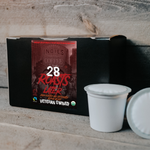
And if you use K-Cups or cold brew packs for convenience, the same logic still applies. Think about the result in the cup, not the packaging format. Convenience shouldn’t force you into flat, forgettable coffee.
If you’re still unsure, use the one-bag rule. Pick one roast based on how you drink coffee most often, not how you drink it on your best, most aspirational day. If 90 percent of your coffee is brewed half-awake before work with a splash of cream, buy for that reality. If you mostly drink black coffee and care about tasting the bean, buy for that.
Then pay attention to what felt off. Too sharp? Go darker. Too smoky? Go lighter. Too thin? Move toward medium or dark. Too heavy? Step back toward light or medium. The right roast is usually one adjustment away, not a total restart.
That’s the real answer to how to choose coffee roast. It’s not about chasing someone else’s palate or pretending every cup needs to be a tasting session. It’s about knowing what you want, rejecting stale corporate coffee logic, and choosing a roast that works as hard as you do. Buy fresh, trust your taste, and let the cup tell you where to go next.
Most people don’t need more coffee options. They need fewer bad ones. If you’ve ever bought a bag because the label looked tough, brewed it up, and realized it tasted nothing like what you wanted, this is for you. Knowing how to choose coffee roast comes down to one thing - matching the roast to the way you actually drink coffee, not the way a marketing department says you should.
Roast level changes flavor, aroma, body, and the overall personality of the cup. It does not magically turn average beans into great coffee, and it does not tell the whole story by itself. But if you get roast level right, you’re already ahead of the crowd buying stale, overworked grocery store coffee that all tastes like burnt cardboard.
Start with your taste, not with coffee jargon. Ask yourself what you actually want in the mug first thing in the morning. If you like brighter, livelier cups with more noticeable fruit, citrus, or floral notes, lean light. If you want balance with a little sweetness, some body, and broad drinkability, medium is your lane. If you want bold, smoky, chocolate-heavy coffee that punches through cream and sugar, go dark.
That sounds simple because it is. The problem is that people often buy based on identity instead of preference. Plenty of coffee drinkers say they are "dark roast people" when what they really mean is they want a stronger-tasting cup. That can be dark roast, but it can also be a rich medium roast brewed correctly. Roast level and strength are related, but they are not the same thing.
Light roasts preserve more of the bean’s original character. That usually means brighter acidity, clearer flavors, and a lighter body. If a coffee has notes of berry, citrus, stone fruit, or tea-like florals, a lighter roast is where those traits tend to show up best.
This roast level works well for drinkers who enjoy nuance and don’t mind a little sharpness. If you drink coffee black and actually want to taste differences from one bean to the next, light roast gives you more to work with. The trade-off is that it can feel too lean or too acidic for people who want a rounder, heavier cup, especially early in the morning when subtlety is not the mission.
Medium roast is where balance usually wins. You still get some of the bean’s character, but the roast adds more caramel, nuts, cocoa, and sweetness. The acidity settles down, the body gets fuller, and the cup becomes easier for a wide range of drinkers.
If you’re not sure where to start, start here. Medium roast is the easiest answer for households with different preferences, for people switching from mass-market coffee to fresher beans, and for anyone who wants a coffee that works black or with milk. It’s the most forgiving category because it rarely swings too far in either direction.
Dark roast pushes the roast flavor forward. Expect more smoke, dark chocolate, toasted sugar, and a heavier finish. Done right, it tastes big and satisfying. Done badly, it tastes flat and burnt.
This is the right pick if you want a low-acid profile, a fuller body, or a coffee that can stand up to cream, flavored add-ins, or a hard-charging morning routine. Dark roast also tends to appeal to people who want coffee to taste like coffee, full stop. The trade-off is that darker roasting can mute the bean’s origin character, so if you’re chasing delicate fruit notes, this is not where you’ll find them.
If you want to know how to choose coffee roast with fewer bad buys, think beyond the label. Brewing method, add-ins, and time of day matter more than most people realize.
A French press or drip brewer usually handles medium and dark roasts beautifully because those methods highlight body and chocolate-forward flavors. Pour-over can be excellent for light and medium roasts because it lets more detail come through. Espresso depends on the profile, but many people prefer medium to dark roasts for a syrupy, punchy shot. Cold brew often shines with medium or dark roast because lower acidity and deeper sweetness play well over ice.
Then there’s what you put in the cup. If you drink coffee black, roast choice matters more because there’s nothing hiding it. If you add cream, half-and-half, sweetener, or flavored syrups, you may want a roast with enough backbone to stay present. Light roast can get lost under dairy. Dark roast can cut through it. Medium roast often splits the difference.
This one gets butchered all the time. A lot of people assume dark roast has more caffeine because it tastes stronger. That’s not really how it works. The difference in caffeine between roast levels is smaller than most people think, and brewing method plus serving size usually matter more.
If your main goal is a bigger kick, don’t use roast level as your only filter. Look at the coffee itself, how much you’re using, and how you brew it. Flavor intensity and caffeine intensity are not identical. A dark roast can taste bolder while delivering a similar caffeine experience to a lighter roast.
One of the biggest mistakes is treating roast level like a quality ranking. Light is not automatically better because it is trendy. Dark is not automatically lower quality because it is intense. Good roasting is about purpose. A great roast should bring out what works best in that coffee and match the way you like to drink it.
Another mistake is ignoring freshness. You can choose the perfect roast on paper and still end up with a dead cup if the coffee is old. Freshly roasted beans have more aroma, more flavor clarity, and more life. That matters whether you drink light, medium, or dark.
People also tend to confuse bitterness with strength. If your coffee tastes harsh, it may be over-extracted, stale, or poorly roasted. That does not mean you need to abandon dark roast forever. It may just mean you need a better dark roast.
Your morning cup and your weekend cup might not need the same profile. That’s where smart buyers beat random buyers.
If you want an everyday workhorse coffee, medium roast is usually the safest bet. It fits drip machines, single-serve brewers, and broad household tastes without a lot of drama. If your routine is fast, practical, and built around consistency, this is often the move.
If you want a wake-up call with attitude, dark roast makes sense. It delivers bold flavor, plays well with cream, and feels familiar without being generic when it’s roasted fresh. For people who want a no-nonsense cup that gets after it, dark roast earns its place.
If coffee is more of a ritual than a utility for you, light roast may be the better fit. It rewards slower brewing and more attention. That doesn’t make it superior. It just means it asks a little more from the drinker.
And if you use K-Cups or cold brew packs for convenience, the same logic still applies. Think about the result in the cup, not the packaging format. Convenience shouldn’t force you into flat, forgettable coffee.
If you’re still unsure, use the one-bag rule. Pick one roast based on how you drink coffee most often, not how you drink it on your best, most aspirational day. If 90 percent of your coffee is brewed half-awake before work with a splash of cream, buy for that reality. If you mostly drink black coffee and care about tasting the bean, buy for that.
Then pay attention to what felt off. Too sharp? Go darker. Too smoky? Go lighter. Too thin? Move toward medium or dark. Too heavy? Step back toward light or medium. The right roast is usually one adjustment away, not a total restart.
That’s the real answer to how to choose coffee roast. It’s not about chasing someone else’s palate or pretending every cup needs to be a tasting session. It’s about knowing what you want, rejecting stale corporate coffee logic, and choosing a roast that works as hard as you do. Buy fresh, trust your taste, and let the cup tell you where to go next.