
0 item(s)
View cart
You have no items in your shopping cart.
Fresh coffee can go flat fast if you treat it like pantry filler. If you want to know how to store fresh roasted coffee, the rule is simple: protect it from air, light, heat, and moisture, and stop overcomplicating the rest.
That sounds basic, but bad storage ruins a lot of good beans. People spend real money on freshly roasted coffee, then leave the bag half open beside the stove or dump it into a clear jar because it looks nice on the counter. That is how bold flavor turns into a dull, lifeless cup. Fresh roast deserves better than grocery-store habits.
Freshly roasted coffee is alive in a way pre-ground supermarket coffee is not. After roasting, the beans release carbon dioxide for days. At the same time, oxygen starts working against the oils and aromatic compounds that make a great coffee taste like something worth waking up for. Your job is not to freeze time. Your job is to slow the decline.
The best setup is an opaque, airtight container kept in a cool, dry, dark place. A cabinet away from the oven, dishwasher, and sunny window beats the countertop every time. If the coffee came in a quality bag with a one-way valve and a solid seal, you can often keep it in that original bag, press excess air out, and reseal it tightly after each use.
That last part matters. The more often coffee meets fresh oxygen, the faster it fades. So if you bought a larger bag, it can make sense to split it into smaller portions rather than opening the same full supply over and over.
Coffee storage advice gets weird fast, so it helps to focus on the real enemies.
Air is enemy number one. Oxygen strips away aroma and speeds staling. Light is another problem, especially direct sunlight, which degrades the compounds that give coffee its character. Heat accelerates the whole process, and moisture is a straight-up ambush because coffee beans can absorb it from the environment and pick up off flavors.
Coffee is also porous. That means it can absorb odors from whatever is around it. If your beans sit near spices, onions, or anything funky, do not be surprised when your cup starts tasting off. Coffee should not be fighting for its life next to garlic powder.
You do not need some tactical space-age vault to store beans well, but you do need the right basics. The ideal container is airtight, opaque, and sized close to the amount of coffee you keep in it. Too much empty space inside means extra air hanging around your beans.
Ceramic can work. Stainless steel can work. Some purpose-built coffee canisters work very well, especially ones that push excess air out or limit oxygen exposure. A simple, solid airtight container is usually enough for most home drinkers.
Clear glass is where people get fooled. It looks clean. It looks premium. It looks good on a counter. But unless that jar lives in a dark cabinet all the time, it is not doing your coffee any favors. Storage is about protecting flavor, not staging a kitchen photo shoot.
Sometimes yes. Sometimes no.
If the original bag is thick, has a one-way degassing valve, and seals tightly, it is often a strong option. Roasters use these bags for a reason. They help coffee release gas without letting oxygen flood back in. For many people, the smartest move is to leave the beans in the bag, squeeze out extra air after each use, and store the bag inside a dark cabinet.
If the bag does not reseal well, starts tearing, or gets folded and clipped into some sad shape that leaks air, move the coffee into a proper airtight container. The goal is performance, not loyalty to the packaging.
This is where honesty matters. Coffee does not fall off a cliff overnight, but it does have a best window.
Whole beans usually taste best within a few weeks of roasting, though the exact sweet spot depends on the roast level and the coffee itself. Some beans open up a few days after roast and then hold beautifully for a while. Others peak earlier. Lighter roasts can behave differently than darker roasts, which often show oxidation more quickly because more of the bean’s oils have moved outward during roasting.
Once you grind coffee, the clock speeds up hard. Ground coffee exposes far more surface area to air, so the flavor drops faster. If you care about taste, buy whole beans and grind only what you need right before brewing. That one habit does more for freshness than most storage gadgets.
For daily use, no.
The refrigerator is full of moisture and odors, which is a bad environment for coffee. Every time you pull the container out, temperature changes can cause condensation, and that is not a win. Plus, coffee loves to absorb surrounding smells. If your beans come back from the fridge smelling like leftovers, that is on the fridge, but it is still your problem.
A lot of people were told refrigeration keeps coffee fresh. For most households, it causes more issues than it solves.
Yes, but only if you do it with discipline.
Freezing is not the best choice for the coffee you are actively using every morning. Repeatedly taking beans in and out of the freezer creates temperature swings and moisture risk. That is a sloppy system.
Freezing makes more sense when you bought more coffee than you can reasonably finish in the near term and want to preserve part of it. In that case, divide the coffee into small, airtight portions before freezing. Keep each portion sealed until you are ready to use it, then let it come fully to room temperature before opening. That helps prevent condensation from settling on the beans.
If you freeze one big bag and keep reopening it, you are not preserving coffee. You are putting it through a punishment cycle.
Whole bean coffee is the easiest to protect and gives you the best shot at keeping flavor intact. Store it airtight in a cool, dark place and grind as needed.
Ground coffee needs tighter discipline because it loses freshness faster. Keep it sealed aggressively and use it sooner rather than later.
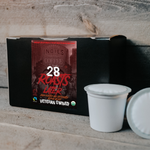
Single-serve pods and K-Cups are more stable because they are individually sealed, but they still do better away from heat and moisture. A cabinet beats a countertop rack beside a sunny window.
Cold brew packs should also stay sealed in a cool, dry place until use. Once opened, they follow the same common-sense rule as everything else: keep air and moisture out.
The biggest mistake is buying fresh roasted coffee and storing it like shelf-stable junk. Good beans are not indestructible.
Another mistake is using a grinder hopper as long-term storage. It is convenient, sure, but hoppers expose beans to light and air. Fill it with what you will use soon, not your full supply.
People also store coffee near heat sources without thinking about it. Above the oven, next to the toaster, beside the espresso machine - all bad spots. Warm kitchens are rough on flavor.
And then there is bulk buying without a plan. Saving money on a giant bag only works if you can protect what you are not using. Otherwise, you are trading freshness for quantity, and that is a losing deal.
If you want a no-nonsense answer to how to store fresh roasted coffee, here it is: buy whole beans in an amount you can finish while they still taste great, keep your daily supply in a well-sealed opaque container or quality valve bag, store it in a dark cabinet, and grind right before brewing.
If you buy extra, portion and freeze the backup supply once, not repeatedly. Keep coffee away from sunlight, steam, and kitchen chaos. That is the system.
Freshness is not marketing fluff. It is the difference between tasting the notes the roaster worked for and drinking a cup that feels muted from the start. At Indies Coffee, that line matters because the bean should make it to your mug with its character intact, not dulled by lazy storage.
Treat your coffee like it has something to say. Seal it tight, keep it out of the line of fire, and let the flavor show up the way it was meant to.
Fresh coffee can go flat fast if you treat it like pantry filler. If you want to know how to store fresh roasted coffee, the rule is simple: protect it from air, light, heat, and moisture, and stop overcomplicating the rest.
That sounds basic, but bad storage ruins a lot of good beans. People spend real money on freshly roasted coffee, then leave the bag half open beside the stove or dump it into a clear jar because it looks nice on the counter. That is how bold flavor turns into a dull, lifeless cup. Fresh roast deserves better than grocery-store habits.
Freshly roasted coffee is alive in a way pre-ground supermarket coffee is not. After roasting, the beans release carbon dioxide for days. At the same time, oxygen starts working against the oils and aromatic compounds that make a great coffee taste like something worth waking up for. Your job is not to freeze time. Your job is to slow the decline.
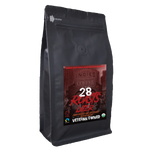
The best setup is an opaque, airtight container kept in a cool, dry, dark place. A cabinet away from the oven, dishwasher, and sunny window beats the countertop every time. If the coffee came in a quality bag with a one-way valve and a solid seal, you can often keep it in that original bag, press excess air out, and reseal it tightly after each use.
That last part matters. The more often coffee meets fresh oxygen, the faster it fades. So if you bought a larger bag, it can make sense to split it into smaller portions rather than opening the same full supply over and over.
Coffee storage advice gets weird fast, so it helps to focus on the real enemies.
Air is enemy number one. Oxygen strips away aroma and speeds staling. Light is another problem, especially direct sunlight, which degrades the compounds that give coffee its character. Heat accelerates the whole process, and moisture is a straight-up ambush because coffee beans can absorb it from the environment and pick up off flavors.
Coffee is also porous. That means it can absorb odors from whatever is around it. If your beans sit near spices, onions, or anything funky, do not be surprised when your cup starts tasting off. Coffee should not be fighting for its life next to garlic powder.
You do not need some tactical space-age vault to store beans well, but you do need the right basics. The ideal container is airtight, opaque, and sized close to the amount of coffee you keep in it. Too much empty space inside means extra air hanging around your beans.
Ceramic can work. Stainless steel can work. Some purpose-built coffee canisters work very well, especially ones that push excess air out or limit oxygen exposure. A simple, solid airtight container is usually enough for most home drinkers.
Clear glass is where people get fooled. It looks clean. It looks premium. It looks good on a counter. But unless that jar lives in a dark cabinet all the time, it is not doing your coffee any favors. Storage is about protecting flavor, not staging a kitchen photo shoot.
Sometimes yes. Sometimes no.
If the original bag is thick, has a one-way degassing valve, and seals tightly, it is often a strong option. Roasters use these bags for a reason. They help coffee release gas without letting oxygen flood back in. For many people, the smartest move is to leave the beans in the bag, squeeze out extra air after each use, and store the bag inside a dark cabinet.
If the bag does not reseal well, starts tearing, or gets folded and clipped into some sad shape that leaks air, move the coffee into a proper airtight container. The goal is performance, not loyalty to the packaging.
This is where honesty matters. Coffee does not fall off a cliff overnight, but it does have a best window.
Whole beans usually taste best within a few weeks of roasting, though the exact sweet spot depends on the roast level and the coffee itself. Some beans open up a few days after roast and then hold beautifully for a while. Others peak earlier. Lighter roasts can behave differently than darker roasts, which often show oxidation more quickly because more of the bean’s oils have moved outward during roasting.
Once you grind coffee, the clock speeds up hard. Ground coffee exposes far more surface area to air, so the flavor drops faster. If you care about taste, buy whole beans and grind only what you need right before brewing. That one habit does more for freshness than most storage gadgets.
For daily use, no.
The refrigerator is full of moisture and odors, which is a bad environment for coffee. Every time you pull the container out, temperature changes can cause condensation, and that is not a win. Plus, coffee loves to absorb surrounding smells. If your beans come back from the fridge smelling like leftovers, that is on the fridge, but it is still your problem.
A lot of people were told refrigeration keeps coffee fresh. For most households, it causes more issues than it solves.
Yes, but only if you do it with discipline.
Freezing is not the best choice for the coffee you are actively using every morning. Repeatedly taking beans in and out of the freezer creates temperature swings and moisture risk. That is a sloppy system.
Freezing makes more sense when you bought more coffee than you can reasonably finish in the near term and want to preserve part of it. In that case, divide the coffee into small, airtight portions before freezing. Keep each portion sealed until you are ready to use it, then let it come fully to room temperature before opening. That helps prevent condensation from settling on the beans.
If you freeze one big bag and keep reopening it, you are not preserving coffee. You are putting it through a punishment cycle.
Whole bean coffee is the easiest to protect and gives you the best shot at keeping flavor intact. Store it airtight in a cool, dark place and grind as needed.
Ground coffee needs tighter discipline because it loses freshness faster. Keep it sealed aggressively and use it sooner rather than later.
Single-serve pods and K-Cups are more stable because they are individually sealed, but they still do better away from heat and moisture. A cabinet beats a countertop rack beside a sunny window.
Cold brew packs should also stay sealed in a cool, dry place until use. Once opened, they follow the same common-sense rule as everything else: keep air and moisture out.
The biggest mistake is buying fresh roasted coffee and storing it like shelf-stable junk. Good beans are not indestructible.
Another mistake is using a grinder hopper as long-term storage. It is convenient, sure, but hoppers expose beans to light and air. Fill it with what you will use soon, not your full supply.
People also store coffee near heat sources without thinking about it. Above the oven, next to the toaster, beside the espresso machine - all bad spots. Warm kitchens are rough on flavor.
And then there is bulk buying without a plan. Saving money on a giant bag only works if you can protect what you are not using. Otherwise, you are trading freshness for quantity, and that is a losing deal.
If you want a no-nonsense answer to how to store fresh roasted coffee, here it is: buy whole beans in an amount you can finish while they still taste great, keep your daily supply in a well-sealed opaque container or quality valve bag, store it in a dark cabinet, and grind right before brewing.
If you buy extra, portion and freeze the backup supply once, not repeatedly. Keep coffee away from sunlight, steam, and kitchen chaos. That is the system.
Freshness is not marketing fluff. It is the difference between tasting the notes the roaster worked for and drinking a cup that feels muted from the start. At Indies Coffee, that line matters because the bean should make it to your mug with its character intact, not dulled by lazy storage.
Treat your coffee like it has something to say. Seal it tight, keep it out of the line of fire, and let the flavor show up the way it was meant to.