
0 item(s)
View cart
You have no items in your shopping cart.
At 6:10 a.m., nobody wants a lecture about grind size, water temperature, and extraction theory. You want coffee that works: hot, strong, and ready before the day starts firing shots. So, are coffee pods worth buying? For plenty of daily coffee drinkers, absolutely. But not every pod earns a spot in your machine.
The difference comes down to what is inside that little cup, how fresh it was when it was packed, and whether convenience is helping your routine or lowering your standards. Corporate coffee has trained people to expect stale, weak, mystery-roast coffee because it is easy. You can do better without turning your kitchen into a science lab.
Coffee pods are worth buying when they deliver real convenience without sacrificing the flavor you actually look forward to drinking. They are not worth buying when the coffee tastes flat, papery, burnt, or like it was roasted sometime during the last administration.
A good pod gives you a consistent cup with almost no effort. Drop it in, hit the button, and get moving. That matters for people getting kids ready, heading to work, recovering from an early workout, or trying to make it through a packed morning without a drive-thru detour.
The trade-off is control. Whole beans let you choose your grind, dose, brew method, and water ratio. A pod system makes those decisions for you. If you enjoy dialing in a pour-over on a quiet Saturday, keep your beans around. If your weekday coffee mission is speed and reliability, pods can be the right tool for the job.
There is no medal for making coffee the hardest possible way. A pod brewer takes seconds to operate, requires little cleanup, and produces a predictable serving size. That is a real advantage, especially for households where everyone drinks coffee differently.
One person can brew a bold dark roast while another reaches for decaf, without opening multiple bags or making a whole pot that sits on a burner until it tastes like punishment. Pods also reduce waste from half-finished carafes. You brew one cup because you want one cup.
They are also useful beyond the kitchen counter. Keep a box at the office, in a vacation cabin, or anywhere a full coffee setup would be overkill. For gift buyers, pods are easy to understand and easy to use. No grinder required. No specialty equipment. Just dependable coffee with a clear roast profile.
Convenience becomes a bad deal only when it causes you to accept bad coffee. Fast should not mean flavorless.
Coffee is an agricultural product, not a shelf decoration. After roasting, it gradually loses aromatic compounds and flavor clarity. Ground coffee loses them faster because more surface area is exposed to oxygen. Pods protect coffee from air better than an open bag of pre-ground coffee, but they cannot make old coffee young again.
That is why roast freshness matters. A pod filled with quality coffee and packed to preserve it can offer a surprisingly full, satisfying cup. A pod filled with low-grade coffee roasted months ago may still be convenient, but it will never deliver the flavor the bean intended.
Look for a brand that treats the coffee as the main event, not just filler for a plastic cup. Roast level should be clear. The coffee should have an identifiable flavor direction, whether you want a smooth breakfast blend, an assertive French roast, a dark Italian roast, decaf that still tastes like coffee, or a high-caffeine option that means business.
If every pod tastes vaguely smoky and bitter, the problem is not your taste buds. It may be stale coffee, overly dark roasting used to hide mediocre beans, or a brewer setting that is pulling too much water through too little coffee.
A common complaint about pods is that they taste weak. Sometimes that is true. Other times, the machine is being asked to stretch a single pod into an oversized mug.
Most single-serve coffee pods perform best at a moderate brew size. If you run the largest setting every time, you are diluting the cup. Brew a smaller serving for more body and flavor, then add hot water if you want a larger, cleaner cup. It is a simple move that can make the same pod taste noticeably better.
Your preferences matter here. Dark roast drinkers often want a heavier body, lower-acid feel, and a roast-forward punch. Light roast drinkers may want more brightness and nuance, though pod brewers do not always showcase delicate notes as clearly as a well-made drip coffee or pour-over. Medium roasts tend to be the safest all-around choice for a broad range of pod users.
Milk and sweeteners change the calculation, too. A bold pod stands up better in a large cup with cream. If you drink coffee black, buy coffee with enough character to carry the whole experience on its own.
Pods generally cost more per cup than buying whole beans and brewing them yourself. That part is simple. A bag of beans can produce many cups at a lower cost, particularly if you already own a grinder and brewer.
But the cheapest option on paper is not automatically the cheapest option in real life. Consider the coffee you throw out, the money spent on coffee shops when you are rushed, and the stale bag sitting in the pantry because nobody wanted to measure grounds before work. A pod that keeps you from buying a $6 drive-thru coffee can pay for itself quickly.
Subscriptions can also make pod buying more practical for households with dependable habits. If you go through the same amount each month, regular delivery keeps the cabinet stocked and cuts down on last-minute grocery-store compromises. The key is choosing a schedule that matches your actual consumption, not building a stockpile that ages in the closet.
Single-serve pods create more packaging waste than brewing loose coffee grounds. There is no reason to pretend otherwise. If reducing packaging is your top priority, whole beans, a reusable filter, and a compost bin are the cleaner choice.
Still, the decision is not always black and white. Brewing only what you drink can reduce liquid coffee waste, and some pod options use recyclable materials or offer recycling programs. Availability and local recycling rules vary, so check what your community actually accepts rather than trusting a label alone.
If you use pods every day and environmental impact weighs heavily on your buying choices, make room for both habits. Use fresh beans when you have time at home, and reserve pods for rushed mornings, guests, travel, or office use. Practical choices beat performative ones.
Pods make sense for the daily drinker who values speed, consistency, and minimal cleanup. They are a strong fit for busy families, offices, people who live alone, and anyone who wants different roast choices without committing to a full pot.
They may not be your best primary setup if you are chasing the absolute best cup possible from high-end specialty coffee. A burr grinder and freshly brewed whole beans will give you more control and more potential. They also may not be ideal if you drink several large cups each day and want the lowest possible cost per ounce.
For everyone in the middle, which is most coffee drinkers, the smart move is not choosing sides. Keep whole beans for slow mornings and coffee rituals. Keep quality pods for the moments when life does not wait for a kettle to boil.
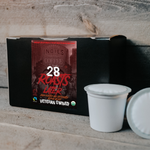
Indies Coffee pods are built for drinkers who want that convenience without surrendering to generic corporate swill. Choose your roast based on how you actually drink coffee, brew at a sensible cup size, and keep the box moving so freshness stays on your side.
Your morning coffee does not need to be complicated. It just needs to taste like somebody cared enough to make it worth drinking.
At 6:10 a.m., nobody wants a lecture about grind size, water temperature, and extraction theory. You want coffee that works: hot, strong, and ready before the day starts firing shots. So, are coffee pods worth buying? For plenty of daily coffee drinkers, absolutely. But not every pod earns a spot in your machine.
The difference comes down to what is inside that little cup, how fresh it was when it was packed, and whether convenience is helping your routine or lowering your standards. Corporate coffee has trained people to expect stale, weak, mystery-roast coffee because it is easy. You can do better without turning your kitchen into a science lab.
Coffee pods are worth buying when they deliver real convenience without sacrificing the flavor you actually look forward to drinking. They are not worth buying when the coffee tastes flat, papery, burnt, or like it was roasted sometime during the last administration.
A good pod gives you a consistent cup with almost no effort. Drop it in, hit the button, and get moving. That matters for people getting kids ready, heading to work, recovering from an early workout, or trying to make it through a packed morning without a drive-thru detour.
The trade-off is control. Whole beans let you choose your grind, dose, brew method, and water ratio. A pod system makes those decisions for you. If you enjoy dialing in a pour-over on a quiet Saturday, keep your beans around. If your weekday coffee mission is speed and reliability, pods can be the right tool for the job.
There is no medal for making coffee the hardest possible way. A pod brewer takes seconds to operate, requires little cleanup, and produces a predictable serving size. That is a real advantage, especially for households where everyone drinks coffee differently.
One person can brew a bold dark roast while another reaches for decaf, without opening multiple bags or making a whole pot that sits on a burner until it tastes like punishment. Pods also reduce waste from half-finished carafes. You brew one cup because you want one cup.
They are also useful beyond the kitchen counter. Keep a box at the office, in a vacation cabin, or anywhere a full coffee setup would be overkill. For gift buyers, pods are easy to understand and easy to use. No grinder required. No specialty equipment. Just dependable coffee with a clear roast profile.
Convenience becomes a bad deal only when it causes you to accept bad coffee. Fast should not mean flavorless.
Coffee is an agricultural product, not a shelf decoration. After roasting, it gradually loses aromatic compounds and flavor clarity. Ground coffee loses them faster because more surface area is exposed to oxygen. Pods protect coffee from air better than an open bag of pre-ground coffee, but they cannot make old coffee young again.
That is why roast freshness matters. A pod filled with quality coffee and packed to preserve it can offer a surprisingly full, satisfying cup. A pod filled with low-grade coffee roasted months ago may still be convenient, but it will never deliver the flavor the bean intended.
Look for a brand that treats the coffee as the main event, not just filler for a plastic cup. Roast level should be clear. The coffee should have an identifiable flavor direction, whether you want a smooth breakfast blend, an assertive French roast, a dark Italian roast, decaf that still tastes like coffee, or a high-caffeine option that means business.
If every pod tastes vaguely smoky and bitter, the problem is not your taste buds. It may be stale coffee, overly dark roasting used to hide mediocre beans, or a brewer setting that is pulling too much water through too little coffee.
A common complaint about pods is that they taste weak. Sometimes that is true. Other times, the machine is being asked to stretch a single pod into an oversized mug.
Most single-serve coffee pods perform best at a moderate brew size. If you run the largest setting every time, you are diluting the cup. Brew a smaller serving for more body and flavor, then add hot water if you want a larger, cleaner cup. It is a simple move that can make the same pod taste noticeably better.
Your preferences matter here. Dark roast drinkers often want a heavier body, lower-acid feel, and a roast-forward punch. Light roast drinkers may want more brightness and nuance, though pod brewers do not always showcase delicate notes as clearly as a well-made drip coffee or pour-over. Medium roasts tend to be the safest all-around choice for a broad range of pod users.
Milk and sweeteners change the calculation, too. A bold pod stands up better in a large cup with cream. If you drink coffee black, buy coffee with enough character to carry the whole experience on its own.
Pods generally cost more per cup than buying whole beans and brewing them yourself. That part is simple. A bag of beans can produce many cups at a lower cost, particularly if you already own a grinder and brewer.
But the cheapest option on paper is not automatically the cheapest option in real life. Consider the coffee you throw out, the money spent on coffee shops when you are rushed, and the stale bag sitting in the pantry because nobody wanted to measure grounds before work. A pod that keeps you from buying a $6 drive-thru coffee can pay for itself quickly.
Subscriptions can also make pod buying more practical for households with dependable habits. If you go through the same amount each month, regular delivery keeps the cabinet stocked and cuts down on last-minute grocery-store compromises. The key is choosing a schedule that matches your actual consumption, not building a stockpile that ages in the closet.
Single-serve pods create more packaging waste than brewing loose coffee grounds. There is no reason to pretend otherwise. If reducing packaging is your top priority, whole beans, a reusable filter, and a compost bin are the cleaner choice.
Still, the decision is not always black and white. Brewing only what you drink can reduce liquid coffee waste, and some pod options use recyclable materials or offer recycling programs. Availability and local recycling rules vary, so check what your community actually accepts rather than trusting a label alone.
If you use pods every day and environmental impact weighs heavily on your buying choices, make room for both habits. Use fresh beans when you have time at home, and reserve pods for rushed mornings, guests, travel, or office use. Practical choices beat performative ones.
Pods make sense for the daily drinker who values speed, consistency, and minimal cleanup. They are a strong fit for busy families, offices, people who live alone, and anyone who wants different roast choices without committing to a full pot.
They may not be your best primary setup if you are chasing the absolute best cup possible from high-end specialty coffee. A burr grinder and freshly brewed whole beans will give you more control and more potential. They also may not be ideal if you drink several large cups each day and want the lowest possible cost per ounce.
For everyone in the middle, which is most coffee drinkers, the smart move is not choosing sides. Keep whole beans for slow mornings and coffee rituals. Keep quality pods for the moments when life does not wait for a kettle to boil.
Indies Coffee pods are built for drinkers who want that convenience without surrendering to generic corporate swill. Choose your roast based on how you actually drink coffee, brew at a sensible cup size, and keep the box moving so freshness stays on your side.
Your morning coffee does not need to be complicated. It just needs to taste like somebody cared enough to make it worth drinking.