
0 item(s)
View cart
You have no items in your shopping cart.
A bag of coffee can look premium, carry a big name, and still taste like it spent months waiting under warehouse lights. Fresh roast coffee delivery changes that equation. It puts the roast date, not the marketing budget, back at the center of your morning cup.
Coffee is an agricultural product, not a shelf decoration. Once roasted, the beans begin giving off carbon dioxide and slowly losing the aromatic compounds that create sweetness, fruit, chocolate, spice, and depth. The clock is always running. The goal is not to treat coffee like a museum piece. It is to get it to your brewer while the flavor is still loud, clear, and worth drinking.
That is why people who care about their first cup of the day are moving away from anonymous grocery-store bags. They want coffee with some fight left in it.
Roasting transforms a dense green seed into something brewable, fragrant, and complex. It also starts the countdown. Freshly roasted coffee needs a short rest to settle and release excess gas, then it enters a window where brewing can produce its best character. The exact timing depends on the bean, roast level, packaging, and brew method, but freshness is not a vague selling point. You can taste it.
A fresh light roast may show brighter fruit, citrus, florals, or clean caramel notes. A fresh medium roast can land with balance: sweetness, body, and enough origin character to keep the cup interesting. A properly fresh dark roast delivers the heavy chocolate, roasted nuts, smoke, and bold finish dark-roast drinkers came for, without collapsing into stale ash.
Old coffee often tells on itself. The aroma is muted before water ever hits the grounds. The brewed cup can seem flat, papery, overly bitter, or strangely hollow. You may blame your machine, your water, or your own taste buds. Sometimes the real problem is simple: the coffee has been sitting too long.
Fresh roast coffee delivery cuts out much of that dead time. Instead of buying a bag that may have moved through a roasting facility, distributor, warehouse, store stockroom, and shelf, you receive coffee sent closer to when it was roasted. That is a better supply chain for anyone who wants their coffee to taste alive.
A roast date is one of the most useful pieces of information on a coffee bag. It tells you when the beans were roasted, not when someone decided they could remain for sale. Those are very different standards.
Do not confuse a best-by date with proof of freshness. Best-by dates can stretch far into the future, especially for mass-market coffee. They are designed around sellability and storage, not peak flavor. A roast date gives you something concrete to work with.
For most home brewers, coffee often performs well after a few days of rest and through the following weeks when stored properly. Espresso can benefit from a longer resting period because carbon dioxide affects extraction more dramatically under pressure. Dark roasts may become approachable a little sooner than lighter roasts, though there is no single rule that covers every coffee.
The practical takeaway is straightforward: buy coffee you can reasonably finish while it is still fresh. That does not mean panicking over every day on the calendar. It means refusing to stockpile six giant bags because they were on sale. A smaller supply that arrives regularly will usually beat a bargain mountain of beans going stale in the cabinet.
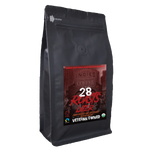
The best coffee format is the one you will actually brew correctly on a busy Tuesday. Whole bean coffee gives you the most control and usually the longest runway for flavor because grinding exposes much more surface area to oxygen. If you own a decent grinder, whole bean is the move.
Pre-ground coffee is still a valid choice when convenience matters more than dialing in every variable. The key is ordering it in quantities you will use promptly and choosing a grind that matches your brewer. A coarse grind suits French press and many cold brew setups. Medium grinds generally work well for drip machines. Fine grinds are for espresso-style brewing, though espresso dialing often requires more precise adjustment than a standard pre-ground bag can offer.
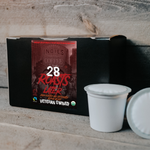
K-Cups make sense for households where speed wins. A fresh option in a single-serve format can be a major upgrade from whatever has been parked in an office pantry since last quarter. Cold brew packs solve another problem: getting a smooth, low-effort batch ready for hot afternoons, early gym runs, or days when hot coffee sounds like work.
There is no medal for brewing the hardest way possible. There is only the cup in front of you. Pick the format that keeps you consistent.
If your coffee needs to stand up to cream, sugar, a heavy breakfast, or a long day, dark roasts are built for the job. French and Italian roast profiles bring a bold, familiar edge that does not disappear the moment you add milk. They are also a strong choice for people who do not want their coffee tasting like a fruit salad before 7 a.m.
Medium roasts are the all-around operators. They tend to offer enough body for drip coffee while preserving more of the bean's natural sweetness and character. If your household contains different kinds of coffee drinkers, medium roast is often the safest common ground.
Light roasts are for drinkers who want clarity and origin character. They can be outstanding, but they may require a little more attention to water temperature, grind, and brewing technique. That is not a flaw. It is a trade-off. A light roast rewards curiosity; a dark roast rewards force and familiarity.
Decaf deserves the same standard. Nobody should have to settle for lifeless coffee just because they are skipping caffeine. And for the drinker who needs a stronger jolt, high-caffeine options should still taste like coffee first, not like a dare in a bag.
Delivery gets the coffee to your door in better shape. What happens next is on you. Leave an opened bag exposed to air, heat, sunlight, and moisture, and even excellent coffee will lose ground fast.
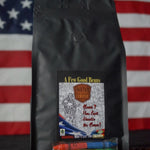
Keep beans in their original resealable bag if it has a one-way valve and seals tightly, or move them to an airtight opaque container. Store the coffee in a cool, dry cabinet away from the stove and dishwasher. The freezer is not necessary for coffee you will finish in the next few weeks. Repeatedly opening and closing frozen coffee can create condensation problems, which is exactly the kind of moisture beans do not need.
Buy for your real routine. A solo drinker making one cup per day does not need the same bag size as a household that runs a full pot every morning. If you are ordering more than one bag, open one at a time. That small habit protects the coffee you have not reached yet.
Water matters too. Great beans cannot overcome water that tastes heavily chlorinated or metallic. Use clean, filtered water when possible, and keep your brewer clean. Old coffee oils clinging to a machine can turn a fresh delivery into a stale-tasting cup with impressive speed.
A subscription is useful when it matches your actual consumption. It is not useful when it turns into a pile of unopened bags quietly judging you from the pantry.
Start by estimating how much your household drinks. A standard 12-ounce bag makes roughly 20 to 24 six-ounce cups, depending on how strong you brew. If two people each drink a substantial cup daily, a bag every two weeks may be closer to reality than a monthly shipment. If you rotate between coffee, energy drinks, and cold brew, you may need less.
The advantage of a well-timed subscription is simple: fresh coffee becomes one less thing to remember. You avoid emergency grocery runs and avoid settling for whatever generic canister is available. You can also switch roasts with the season or your mood - bold dark roast when the mornings are cold, smoother cold brew when summer shows up, decaf when the late-day habit needs to stay civilized.
Indies Coffee is built for drinkers who would rather choose a coffee with character than surrender their morning to corporate sameness. The real value is not just having coffee delivered. It is knowing the bag on your counter was chosen for how you drink, not because it happened to be nearest the checkout lane.
Freshness will not fix a bad grind, burned water, or a neglected brewer. It also will not make every roast profile right for every palate. What it does is give the bean a fair shot. You get the aroma the roaster intended, the flavor the bean developed, and a cup that has not been flattened by a long stay on a retail shelf.
Your morning coffee is one of the few rituals you repeat almost without fail. Make it count. Order what you will drink, store it like it matters, and choose a roast that has not spent its best days waiting for someone else to notice it.
A bag of coffee can look premium, carry a big name, and still taste like it spent months waiting under warehouse lights. Fresh roast coffee delivery changes that equation. It puts the roast date, not the marketing budget, back at the center of your morning cup.
Coffee is an agricultural product, not a shelf decoration. Once roasted, the beans begin giving off carbon dioxide and slowly losing the aromatic compounds that create sweetness, fruit, chocolate, spice, and depth. The clock is always running. The goal is not to treat coffee like a museum piece. It is to get it to your brewer while the flavor is still loud, clear, and worth drinking.
That is why people who care about their first cup of the day are moving away from anonymous grocery-store bags. They want coffee with some fight left in it.
Roasting transforms a dense green seed into something brewable, fragrant, and complex. It also starts the countdown. Freshly roasted coffee needs a short rest to settle and release excess gas, then it enters a window where brewing can produce its best character. The exact timing depends on the bean, roast level, packaging, and brew method, but freshness is not a vague selling point. You can taste it.
A fresh light roast may show brighter fruit, citrus, florals, or clean caramel notes. A fresh medium roast can land with balance: sweetness, body, and enough origin character to keep the cup interesting. A properly fresh dark roast delivers the heavy chocolate, roasted nuts, smoke, and bold finish dark-roast drinkers came for, without collapsing into stale ash.
Old coffee often tells on itself. The aroma is muted before water ever hits the grounds. The brewed cup can seem flat, papery, overly bitter, or strangely hollow. You may blame your machine, your water, or your own taste buds. Sometimes the real problem is simple: the coffee has been sitting too long.
Fresh roast coffee delivery cuts out much of that dead time. Instead of buying a bag that may have moved through a roasting facility, distributor, warehouse, store stockroom, and shelf, you receive coffee sent closer to when it was roasted. That is a better supply chain for anyone who wants their coffee to taste alive.
A roast date is one of the most useful pieces of information on a coffee bag. It tells you when the beans were roasted, not when someone decided they could remain for sale. Those are very different standards.
Do not confuse a best-by date with proof of freshness. Best-by dates can stretch far into the future, especially for mass-market coffee. They are designed around sellability and storage, not peak flavor. A roast date gives you something concrete to work with.
For most home brewers, coffee often performs well after a few days of rest and through the following weeks when stored properly. Espresso can benefit from a longer resting period because carbon dioxide affects extraction more dramatically under pressure. Dark roasts may become approachable a little sooner than lighter roasts, though there is no single rule that covers every coffee.
The practical takeaway is straightforward: buy coffee you can reasonably finish while it is still fresh. That does not mean panicking over every day on the calendar. It means refusing to stockpile six giant bags because they were on sale. A smaller supply that arrives regularly will usually beat a bargain mountain of beans going stale in the cabinet.
The best coffee format is the one you will actually brew correctly on a busy Tuesday. Whole bean coffee gives you the most control and usually the longest runway for flavor because grinding exposes much more surface area to oxygen. If you own a decent grinder, whole bean is the move.
Pre-ground coffee is still a valid choice when convenience matters more than dialing in every variable. The key is ordering it in quantities you will use promptly and choosing a grind that matches your brewer. A coarse grind suits French press and many cold brew setups. Medium grinds generally work well for drip machines. Fine grinds are for espresso-style brewing, though espresso dialing often requires more precise adjustment than a standard pre-ground bag can offer.
K-Cups make sense for households where speed wins. A fresh option in a single-serve format can be a major upgrade from whatever has been parked in an office pantry since last quarter. Cold brew packs solve another problem: getting a smooth, low-effort batch ready for hot afternoons, early gym runs, or days when hot coffee sounds like work.
There is no medal for brewing the hardest way possible. There is only the cup in front of you. Pick the format that keeps you consistent.
If your coffee needs to stand up to cream, sugar, a heavy breakfast, or a long day, dark roasts are built for the job. French and Italian roast profiles bring a bold, familiar edge that does not disappear the moment you add milk. They are also a strong choice for people who do not want their coffee tasting like a fruit salad before 7 a.m.
Medium roasts are the all-around operators. They tend to offer enough body for drip coffee while preserving more of the bean's natural sweetness and character. If your household contains different kinds of coffee drinkers, medium roast is often the safest common ground.
Light roasts are for drinkers who want clarity and origin character. They can be outstanding, but they may require a little more attention to water temperature, grind, and brewing technique. That is not a flaw. It is a trade-off. A light roast rewards curiosity; a dark roast rewards force and familiarity.
Decaf deserves the same standard. Nobody should have to settle for lifeless coffee just because they are skipping caffeine. And for the drinker who needs a stronger jolt, high-caffeine options should still taste like coffee first, not like a dare in a bag.
Delivery gets the coffee to your door in better shape. What happens next is on you. Leave an opened bag exposed to air, heat, sunlight, and moisture, and even excellent coffee will lose ground fast.
Keep beans in their original resealable bag if it has a one-way valve and seals tightly, or move them to an airtight opaque container. Store the coffee in a cool, dry cabinet away from the stove and dishwasher. The freezer is not necessary for coffee you will finish in the next few weeks. Repeatedly opening and closing frozen coffee can create condensation problems, which is exactly the kind of moisture beans do not need.
Buy for your real routine. A solo drinker making one cup per day does not need the same bag size as a household that runs a full pot every morning. If you are ordering more than one bag, open one at a time. That small habit protects the coffee you have not reached yet.
Water matters too. Great beans cannot overcome water that tastes heavily chlorinated or metallic. Use clean, filtered water when possible, and keep your brewer clean. Old coffee oils clinging to a machine can turn a fresh delivery into a stale-tasting cup with impressive speed.
A subscription is useful when it matches your actual consumption. It is not useful when it turns into a pile of unopened bags quietly judging you from the pantry.
Start by estimating how much your household drinks. A standard 12-ounce bag makes roughly 20 to 24 six-ounce cups, depending on how strong you brew. If two people each drink a substantial cup daily, a bag every two weeks may be closer to reality than a monthly shipment. If you rotate between coffee, energy drinks, and cold brew, you may need less.
The advantage of a well-timed subscription is simple: fresh coffee becomes one less thing to remember. You avoid emergency grocery runs and avoid settling for whatever generic canister is available. You can also switch roasts with the season or your mood - bold dark roast when the mornings are cold, smoother cold brew when summer shows up, decaf when the late-day habit needs to stay civilized.
Indies Coffee is built for drinkers who would rather choose a coffee with character than surrender their morning to corporate sameness. The real value is not just having coffee delivered. It is knowing the bag on your counter was chosen for how you drink, not because it happened to be nearest the checkout lane.
Freshness will not fix a bad grind, burned water, or a neglected brewer. It also will not make every roast profile right for every palate. What it does is give the bean a fair shot. You get the aroma the roaster intended, the flavor the bean developed, and a cup that has not been flattened by a long stay on a retail shelf.
Your morning coffee is one of the few rituals you repeat almost without fail. Make it count. Order what you will drink, store it like it matters, and choose a roast that has not spent its best days waiting for someone else to notice it.