
0 item(s)
View cart
You have no items in your shopping cart.
A weak cup is not a personality trait. If you want to brew stronger coffee at home, the answer is not dumping random extra grounds into yesterday’s stale beans and hoping for a miracle. Strong coffee should hit with weight, aroma, and real flavor - not taste like burnt punishment from a corporate break room.
The difference comes down to control: fresh coffee, the right ratio, a grind that matches your brewer, and enough contact time to pull out the good stuff. Get those right, and your morning cup can carry serious firepower without turning harsh, muddy, or bitter.
People use “strong” to mean several different things. Sometimes they mean more caffeine. Sometimes they mean a darker, more intense flavor. Often, they mean a fuller cup that does not disappear under a splash of milk or a long morning.
Those are related, but they are not the same. A dark roast can taste bold while containing slightly less caffeine by weight than a light roast. A coffee brewed with more grounds can have higher concentration and more caffeine. And a coffee extracted too far can taste aggressive, but that is not strength. That is a bad extraction wearing a tough-guy costume.
For a stronger everyday cup, aim for greater concentration first. Then choose beans and a method that deliver the flavor profile you want.
No brewing trick can fully rescue coffee that has been sitting around for months. Coffee begins losing its most vivid aromatics after roasting, and pre-ground coffee gives up even faster. Once it is ground, its surface area explodes, and oxygen starts stripping away the character you paid for.
Buy whole beans when you can, store them in an airtight container away from heat and sunlight, and grind only what you need right before brewing. You do not need a laboratory setup. You need to stop asking tired coffee to do active duty.
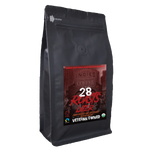
Freshness matters especially when you want a powerful cup. Stale coffee often tastes flat, papery, or oddly bitter. Fresh beans give you a stronger aroma and more defined flavor before you ever adjust a ratio. Indies Coffee’s freshly roasted whole beans are built for drinkers who expect their coffee to show up with something to say.
The coffee-to-water ratio is your main lever. Most standard coffee guidance starts around 1 gram of coffee for every 16 to 18 grams of water. That makes a balanced cup, but if it feels thin, tighten the ratio instead of simply over-extracting the grounds.
Try 1:15 as your starting point. For every 20 grams of coffee, use 300 grams of water. If you want even more intensity, try 1:14: 22 grams of coffee to 300 grams of water. This increases concentration while keeping the brewing process in a sensible range.
If you do not own a scale, use a practical approximation: two level tablespoons of ground coffee for every 6 ounces of water is a common baseline. For a stronger brew, move toward two and a half tablespoons per 6 ounces. A scale is more consistent, though, and consistency is how you stop rolling the dice before sunrise.
Do not confuse more grounds with automatically better coffee. If your brewer does not have enough water or enough time to extract those extra grounds, the result can taste sour, salty, or hollow. Increase coffee gradually, then taste the result.
For a 12-ounce mug, use about 25 grams of coffee with 12 ounces of water for a noticeably strong cup. For a 20-ounce travel mug, use roughly 40 grams of coffee with 20 ounces of water. If that sounds like a lot compared with your current routine, that may be the whole point.
Grind size decides how quickly water can pull flavor from coffee. Too coarse, and water rushes through with little resistance. Your cup may be weak, sour, and disappointing. Too fine, and extraction drags on, producing bitterness and a dry, astringent finish.
For drip machines, use a medium grind, similar to regular sand. For pour-over, start at medium-fine and adjust based on drawdown time and taste. French press needs a coarse grind, while espresso requires a fine grind. K-Cup brewers work best with the grind and dose already set inside a quality pod, so strength comes primarily from selecting a bolder pod and using less water.
Here is the rule worth remembering: if coffee tastes weak and sour, grind a little finer. If it tastes bitter, harsh, or leaves a drying sensation, grind a little coarser. Change one variable at a time. Coffee rewards discipline more than chaos.
Many single-serve brewers and drip machines make it easy to drown a decent dose of coffee in too much water. That is how a bold roast becomes a forgettable cup.
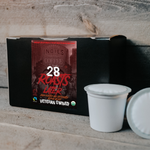
If you use a K-Cup machine, select the smallest cup setting that gives you the volume you actually want. An 8-ounce setting will generally taste much stronger than a 12-ounce setting from the same pod. If you need a larger drink, brew two smaller, stronger cycles into your mug rather than stretching one pod beyond its range.
With a standard drip brewer, fill the reservoir only to the amount you plan to drink. Then set your coffee dose based on that water volume. Do not load enough grounds for six cups and run ten cups of water through them. That is not efficiency. That is surrender.
Paper-filtered drip coffee can be excellent, clean, and strong, but some methods naturally produce more body and intensity. The right choice depends on what you mean by strong.
A French press leaves more oils and fine particles in the cup, creating a heavier mouthfeel. Use coarsely ground coffee, hot water just off the boil, and a four-minute steep. Press slowly, then pour immediately so the coffee does not keep extracting in the carafe.
A moka pot makes a concentrated, espresso-like coffee with a deep, forceful profile. It is ideal for drinkers who want punch without owning an espresso machine. Use a medium-fine grind, fill the basket without packing it down, and pull it from heat once the flow starts sputtering.
Pour-over can make an exceptionally flavorful strong cup, but it asks for more precision. Use a slightly tighter ratio, pour steadily, and make sure all grounds are fully saturated during the bloom. It is a great choice when you want clarity and strength in the same mug.
Cold brew is different. It is not automatically stronger, but a cold brew concentrate can be. Steep coarse grounds in cold water for 12 to 18 hours, then dilute the finished concentrate to taste. It delivers a smooth, low-acid kind of power that plays well over ice or with cream.
Water that is too cool extracts slowly and can leave coffee underdeveloped. Water that is boiling aggressively can make delicate coffees taste rough. For most brewing methods, target 195 to 205 degrees Fahrenheit. If you do not have a thermometer, bring water to a boil and let it sit for about 30 seconds before pouring.
Contact time matters just as much. A French press needs several minutes. A pour-over usually takes two and a half to four minutes, depending on the brewer and dose. Drip machines handle timing for you, but they still need a clean machine and an appropriate grind to work properly.
If your strong coffee tastes bitter, do not immediately blame the roast. Check whether your water is too hot, your grind is too fine, or your brew is sitting on the grounds too long. Bold flavor is welcome. Burned flavor is not.
A stronger brew exposes everything in the bean, including weak flavor. Choose coffee with enough character to stay present at a higher concentration. Medium-dark and dark roasts are natural choices for fans of cocoa, toasted sugar, roasted nuts, and a heavier finish. French roast and Italian roast profiles are made for drinkers who want coffee that does not whisper.
But do not write off lighter roasts. A well-roasted light or medium coffee can make a potent cup with bright fruit, caramel sweetness, and more caffeine-forward appeal. The best choice depends on whether you want darkness, caffeine, body, or flavor detail.
If you add milk, cream, or sweetener, choose a coffee with enough depth to cut through it. If you drink it black, a medium roast at a stronger ratio may give you more complexity than the darkest bag on the shelf.
Old coffee oils cling to carafes, filter baskets, grinders, and brewing chambers. Over time, those oils go rancid and make every new batch taste worse. That bitter edge may not be your beans or your ratio at all.
Rinse removable parts after each use, wash carafes and French press components regularly, and descale machines according to their instructions. Clean your grinder periodically with a dry brush. This is unglamorous work, but so is maintaining any tool that performs when it counts.
Tomorrow morning, choose one change: use fresher beans, tighten your ratio, or brew a smaller volume from the same pod. Make the adjustment, taste with intention, and keep what works. Strong coffee is not about brute force. It is about putting better coffee and better decisions in the same cup.
A weak cup is not a personality trait. If you want to brew stronger coffee at home, the answer is not dumping random extra grounds into yesterday’s stale beans and hoping for a miracle. Strong coffee should hit with weight, aroma, and real flavor - not taste like burnt punishment from a corporate break room.
The difference comes down to control: fresh coffee, the right ratio, a grind that matches your brewer, and enough contact time to pull out the good stuff. Get those right, and your morning cup can carry serious firepower without turning harsh, muddy, or bitter.
People use “strong” to mean several different things. Sometimes they mean more caffeine. Sometimes they mean a darker, more intense flavor. Often, they mean a fuller cup that does not disappear under a splash of milk or a long morning.
Those are related, but they are not the same. A dark roast can taste bold while containing slightly less caffeine by weight than a light roast. A coffee brewed with more grounds can have higher concentration and more caffeine. And a coffee extracted too far can taste aggressive, but that is not strength. That is a bad extraction wearing a tough-guy costume.
For a stronger everyday cup, aim for greater concentration first. Then choose beans and a method that deliver the flavor profile you want.
No brewing trick can fully rescue coffee that has been sitting around for months. Coffee begins losing its most vivid aromatics after roasting, and pre-ground coffee gives up even faster. Once it is ground, its surface area explodes, and oxygen starts stripping away the character you paid for.
Buy whole beans when you can, store them in an airtight container away from heat and sunlight, and grind only what you need right before brewing. You do not need a laboratory setup. You need to stop asking tired coffee to do active duty.
Freshness matters especially when you want a powerful cup. Stale coffee often tastes flat, papery, or oddly bitter. Fresh beans give you a stronger aroma and more defined flavor before you ever adjust a ratio. Indies Coffee’s freshly roasted whole beans are built for drinkers who expect their coffee to show up with something to say.
The coffee-to-water ratio is your main lever. Most standard coffee guidance starts around 1 gram of coffee for every 16 to 18 grams of water. That makes a balanced cup, but if it feels thin, tighten the ratio instead of simply over-extracting the grounds.
Try 1:15 as your starting point. For every 20 grams of coffee, use 300 grams of water. If you want even more intensity, try 1:14: 22 grams of coffee to 300 grams of water. This increases concentration while keeping the brewing process in a sensible range.
If you do not own a scale, use a practical approximation: two level tablespoons of ground coffee for every 6 ounces of water is a common baseline. For a stronger brew, move toward two and a half tablespoons per 6 ounces. A scale is more consistent, though, and consistency is how you stop rolling the dice before sunrise.
Do not confuse more grounds with automatically better coffee. If your brewer does not have enough water or enough time to extract those extra grounds, the result can taste sour, salty, or hollow. Increase coffee gradually, then taste the result.
For a 12-ounce mug, use about 25 grams of coffee with 12 ounces of water for a noticeably strong cup. For a 20-ounce travel mug, use roughly 40 grams of coffee with 20 ounces of water. If that sounds like a lot compared with your current routine, that may be the whole point.
Grind size decides how quickly water can pull flavor from coffee. Too coarse, and water rushes through with little resistance. Your cup may be weak, sour, and disappointing. Too fine, and extraction drags on, producing bitterness and a dry, astringent finish.
For drip machines, use a medium grind, similar to regular sand. For pour-over, start at medium-fine and adjust based on drawdown time and taste. French press needs a coarse grind, while espresso requires a fine grind. K-Cup brewers work best with the grind and dose already set inside a quality pod, so strength comes primarily from selecting a bolder pod and using less water.
Here is the rule worth remembering: if coffee tastes weak and sour, grind a little finer. If it tastes bitter, harsh, or leaves a drying sensation, grind a little coarser. Change one variable at a time. Coffee rewards discipline more than chaos.
Many single-serve brewers and drip machines make it easy to drown a decent dose of coffee in too much water. That is how a bold roast becomes a forgettable cup.
If you use a K-Cup machine, select the smallest cup setting that gives you the volume you actually want. An 8-ounce setting will generally taste much stronger than a 12-ounce setting from the same pod. If you need a larger drink, brew two smaller, stronger cycles into your mug rather than stretching one pod beyond its range.
With a standard drip brewer, fill the reservoir only to the amount you plan to drink. Then set your coffee dose based on that water volume. Do not load enough grounds for six cups and run ten cups of water through them. That is not efficiency. That is surrender.
Paper-filtered drip coffee can be excellent, clean, and strong, but some methods naturally produce more body and intensity. The right choice depends on what you mean by strong.
A French press leaves more oils and fine particles in the cup, creating a heavier mouthfeel. Use coarsely ground coffee, hot water just off the boil, and a four-minute steep. Press slowly, then pour immediately so the coffee does not keep extracting in the carafe.
A moka pot makes a concentrated, espresso-like coffee with a deep, forceful profile. It is ideal for drinkers who want punch without owning an espresso machine. Use a medium-fine grind, fill the basket without packing it down, and pull it from heat once the flow starts sputtering.
Pour-over can make an exceptionally flavorful strong cup, but it asks for more precision. Use a slightly tighter ratio, pour steadily, and make sure all grounds are fully saturated during the bloom. It is a great choice when you want clarity and strength in the same mug.
Cold brew is different. It is not automatically stronger, but a cold brew concentrate can be. Steep coarse grounds in cold water for 12 to 18 hours, then dilute the finished concentrate to taste. It delivers a smooth, low-acid kind of power that plays well over ice or with cream.
Water that is too cool extracts slowly and can leave coffee underdeveloped. Water that is boiling aggressively can make delicate coffees taste rough. For most brewing methods, target 195 to 205 degrees Fahrenheit. If you do not have a thermometer, bring water to a boil and let it sit for about 30 seconds before pouring.
Contact time matters just as much. A French press needs several minutes. A pour-over usually takes two and a half to four minutes, depending on the brewer and dose. Drip machines handle timing for you, but they still need a clean machine and an appropriate grind to work properly.
If your strong coffee tastes bitter, do not immediately blame the roast. Check whether your water is too hot, your grind is too fine, or your brew is sitting on the grounds too long. Bold flavor is welcome. Burned flavor is not.
A stronger brew exposes everything in the bean, including weak flavor. Choose coffee with enough character to stay present at a higher concentration. Medium-dark and dark roasts are natural choices for fans of cocoa, toasted sugar, roasted nuts, and a heavier finish. French roast and Italian roast profiles are made for drinkers who want coffee that does not whisper.
But do not write off lighter roasts. A well-roasted light or medium coffee can make a potent cup with bright fruit, caramel sweetness, and more caffeine-forward appeal. The best choice depends on whether you want darkness, caffeine, body, or flavor detail.
If you add milk, cream, or sweetener, choose a coffee with enough depth to cut through it. If you drink it black, a medium roast at a stronger ratio may give you more complexity than the darkest bag on the shelf.
Old coffee oils cling to carafes, filter baskets, grinders, and brewing chambers. Over time, those oils go rancid and make every new batch taste worse. That bitter edge may not be your beans or your ratio at all.
Rinse removable parts after each use, wash carafes and French press components regularly, and descale machines according to their instructions. Clean your grinder periodically with a dry brush. This is unglamorous work, but so is maintaining any tool that performs when it counts.
Tomorrow morning, choose one change: use fresher beans, tighten your ratio, or brew a smaller volume from the same pod. Make the adjustment, taste with intention, and keep what works. Strong coffee is not about brute force. It is about putting better coffee and better decisions in the same cup.