
0 item(s)
View cart
You have no items in your shopping cart.
Most grocery-store coffee asks you to settle before you even open the bag. The roast date is vague, the flavor is built for the broadest possible audience, and the company behind it may feel a million miles from your morning routine. Independent coffee brands offer a better proposition: coffee with a point of view, roasted for flavor instead of warehouse shelf life.
That does not mean every small roaster is automatically better. Great coffee still has to earn its place in your cabinet. It needs to arrive fresh, taste the way it claims to taste, and fit how you actually brew. But when an independent brand gets those fundamentals right, the difference is hard to ignore.
Corporate coffee is built for scale. That usually means consistency, widespread distribution, and packaging designed to sit under fluorescent lights for far too long. There is nothing wrong with wanting a familiar cup, but familiarity can come at the expense of character. Beans lose their edge with time, and a careful roast can turn flat long before it reaches your kitchen.
Independent brands have room to make different choices. They can focus on smaller roasting cycles, clearer roast profiles, organic sourcing standards, and products for people who know what they want. A light roast drinker does not need the same thing as someone who wants a dark, smoky French roast that can stand up to cream. A person filling a travel mug before sunrise has different priorities than someone making a slow pour-over on Saturday morning.
The best independent coffee brands recognize that coffee is both practical and personal. It has to work at 5:30 a.m. It also has to taste like somebody gave a damn.
Coffee is an agricultural product, not a decorative pantry item. After roasting, beans begin releasing gases and changing in flavor. There is a sweet spot where the coffee has rested enough to brew cleanly but still carries the aromatics, oils, and liveliness that made the roast worth buying.
That is why roast freshness matters more than a pretty bag or a vague claim about being premium. Look for a brand that talks plainly about roasting and moves coffee quickly to customers. When you open a fresh bag, you should get a real aroma, not a dusty suggestion of one. In the cup, the flavor should have shape: chocolate and toasted sugar in a fuller roast, brighter fruit or floral notes in a lighter roast, and balanced sweetness in a good medium.
Fresh does not mean every coffee should taste sharp or acidic. It means the bean still has something to say. A dark roast can be bold without being burnt. A decaf can be satisfying without tasting like an afterthought. Even convenient formats like K-Cups and cold brew packs can deliver a better experience when the coffee inside is handled with care.
The right roast is not a personality test. It is a practical decision based on taste, brewing method, caffeine preference, and whether you drink your coffee black or load it up with milk, cream, or ice.
Light roasts generally hold onto more of the bean's original character. They can be crisp, lively, and layered, especially when brewed as drip coffee, pour-over, or a clean French press. If you like tasting nuance instead of sheer roast intensity, start here.
Medium roasts are the workhorses. They bring balance, enough body for a traditional coffee drinker, and enough detail for someone who is tired of bland diner coffee. A breakfast blend often belongs in this territory: dependable, smooth, and built to get the day moving without picking a fight with your palate.
Dark roasts are for drinkers who want depth, weight, and a stronger roasted profile. Think bittersweet cocoa, caramelized sugar, toasted nuts, and a finish that stays with you. A French roast or Italian roast can be excellent in a drip brewer, espresso setup, or French press, particularly if you add cream or prefer a cup with some muscle.
The trade-off is simple: darker roasting can cover some origin-specific detail. That is not a flaw if bold flavor is what you came for. It is only a problem when the roast tastes ashy, thin, or scorched. Strong coffee should taste intentional, not punished.
A good coffee routine has to survive real life. Some mornings call for whole beans and a grinder. Others call for a single-serve brewer because the dog needs out, the kids need a ride, and the meeting starts in twelve minutes.
That is where product range matters. A brand that offers whole bean and ground coffee, K-Cups, cold brew packs, decaf, and subscription options respects how people actually drink coffee. You should not have to abandon the flavor you like just because your schedule changed.
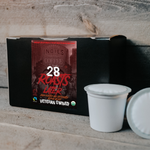
K-Cups are useful when speed rules the morning. The key is choosing one with enough body and flavor to avoid that watery, generic finish many pods are known for. Cold brew packs make sense for anyone who prefers a smoother, lower-acid profile or wants a batch ready in the fridge. Whole beans remain the move when maximum aroma and control matter most.
There is no medal for making coffee the hardest possible way. Buy the format that gets good coffee into your cup consistently.
Plenty of companies borrow the language of independence. They print words like craft, small batch, and authentic on the bag, then hide behind generic flavor descriptions and anonymous sourcing. Real identity goes deeper than typography.
Pay attention to whether the brand has a clear reason for existing. Do its roast options make sense? Does it communicate directly? Does it stand for something beyond chasing the next beige packaging trend? Independent companies can be proud of their ownership, their community, and their refusal to become another interchangeable corporate product.
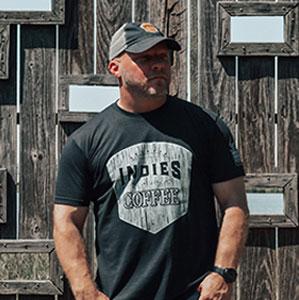
For some drinkers, veteran-owned businesses carry particular weight. For others, it is the satisfaction of supporting a company that speaks plainly and builds a community around more than transactions. Indies Coffee, for example, brings veteran-owned conviction together with fresh organic coffee and a no-apologies stance against corporate sameness. That kind of identity will not matter to everyone, and that is fine. But for customers who buy with values as well as taste buds, it is part of the value.
Your first order is not a lifetime enlistment. Treat it like a field test. Start with the roast profile you already know you enjoy, brew it using your normal method, and pay attention over several cups rather than judging the first sip alone.
Ask a few honest questions. Does the coffee smell fresh when opened? Does it stay flavorful as it cools? Is the roast level accurate, or does a supposed dark roast drink like generic charcoal? Does the bag make it easy to choose what comes next? Most importantly, do you look forward to making another cup?
Subscriptions can be a smart move once you have found a reliable favorite. They reduce the chance of running out and can help keep your supply moving at a fresher pace. Still, flexibility matters. The best subscription is one you can adjust when the weather changes, guests arrive, or your taste shifts from cold brew season to heavy dark-roast mornings.
The coffee aisle has trained people to think a bag is a bag. It is not. Your daily brew can be a stale obligation, or it can be one small decision to reject bland, overmarketed coffee and buy from people who care about what reaches your mug.
Start with the roast you genuinely want, not the one you think you are supposed to order. Give it a fair brew, keep it fresh, and pay attention to the cup. When a coffee delivers real flavor and a real point of view, making it at home stops feeling routine and starts feeling like your own declaration of independence.
Most grocery-store coffee asks you to settle before you even open the bag. The roast date is vague, the flavor is built for the broadest possible audience, and the company behind it may feel a million miles from your morning routine. Independent coffee brands offer a better proposition: coffee with a point of view, roasted for flavor instead of warehouse shelf life.
That does not mean every small roaster is automatically better. Great coffee still has to earn its place in your cabinet. It needs to arrive fresh, taste the way it claims to taste, and fit how you actually brew. But when an independent brand gets those fundamentals right, the difference is hard to ignore.
Corporate coffee is built for scale. That usually means consistency, widespread distribution, and packaging designed to sit under fluorescent lights for far too long. There is nothing wrong with wanting a familiar cup, but familiarity can come at the expense of character. Beans lose their edge with time, and a careful roast can turn flat long before it reaches your kitchen.
Independent brands have room to make different choices. They can focus on smaller roasting cycles, clearer roast profiles, organic sourcing standards, and products for people who know what they want. A light roast drinker does not need the same thing as someone who wants a dark, smoky French roast that can stand up to cream. A person filling a travel mug before sunrise has different priorities than someone making a slow pour-over on Saturday morning.
The best independent coffee brands recognize that coffee is both practical and personal. It has to work at 5:30 a.m. It also has to taste like somebody gave a damn.
Coffee is an agricultural product, not a decorative pantry item. After roasting, beans begin releasing gases and changing in flavor. There is a sweet spot where the coffee has rested enough to brew cleanly but still carries the aromatics, oils, and liveliness that made the roast worth buying.
That is why roast freshness matters more than a pretty bag or a vague claim about being premium. Look for a brand that talks plainly about roasting and moves coffee quickly to customers. When you open a fresh bag, you should get a real aroma, not a dusty suggestion of one. In the cup, the flavor should have shape: chocolate and toasted sugar in a fuller roast, brighter fruit or floral notes in a lighter roast, and balanced sweetness in a good medium.
Fresh does not mean every coffee should taste sharp or acidic. It means the bean still has something to say. A dark roast can be bold without being burnt. A decaf can be satisfying without tasting like an afterthought. Even convenient formats like K-Cups and cold brew packs can deliver a better experience when the coffee inside is handled with care.
The right roast is not a personality test. It is a practical decision based on taste, brewing method, caffeine preference, and whether you drink your coffee black or load it up with milk, cream, or ice.
Light roasts generally hold onto more of the bean's original character. They can be crisp, lively, and layered, especially when brewed as drip coffee, pour-over, or a clean French press. If you like tasting nuance instead of sheer roast intensity, start here.
Medium roasts are the workhorses. They bring balance, enough body for a traditional coffee drinker, and enough detail for someone who is tired of bland diner coffee. A breakfast blend often belongs in this territory: dependable, smooth, and built to get the day moving without picking a fight with your palate.
Dark roasts are for drinkers who want depth, weight, and a stronger roasted profile. Think bittersweet cocoa, caramelized sugar, toasted nuts, and a finish that stays with you. A French roast or Italian roast can be excellent in a drip brewer, espresso setup, or French press, particularly if you add cream or prefer a cup with some muscle.
The trade-off is simple: darker roasting can cover some origin-specific detail. That is not a flaw if bold flavor is what you came for. It is only a problem when the roast tastes ashy, thin, or scorched. Strong coffee should taste intentional, not punished.
A good coffee routine has to survive real life. Some mornings call for whole beans and a grinder. Others call for a single-serve brewer because the dog needs out, the kids need a ride, and the meeting starts in twelve minutes.
That is where product range matters. A brand that offers whole bean and ground coffee, K-Cups, cold brew packs, decaf, and subscription options respects how people actually drink coffee. You should not have to abandon the flavor you like just because your schedule changed.
K-Cups are useful when speed rules the morning. The key is choosing one with enough body and flavor to avoid that watery, generic finish many pods are known for. Cold brew packs make sense for anyone who prefers a smoother, lower-acid profile or wants a batch ready in the fridge. Whole beans remain the move when maximum aroma and control matter most.
There is no medal for making coffee the hardest possible way. Buy the format that gets good coffee into your cup consistently.
Plenty of companies borrow the language of independence. They print words like craft, small batch, and authentic on the bag, then hide behind generic flavor descriptions and anonymous sourcing. Real identity goes deeper than typography.
Pay attention to whether the brand has a clear reason for existing. Do its roast options make sense? Does it communicate directly? Does it stand for something beyond chasing the next beige packaging trend? Independent companies can be proud of their ownership, their community, and their refusal to become another interchangeable corporate product.
For some drinkers, veteran-owned businesses carry particular weight. For others, it is the satisfaction of supporting a company that speaks plainly and builds a community around more than transactions. Indies Coffee, for example, brings veteran-owned conviction together with fresh organic coffee and a no-apologies stance against corporate sameness. That kind of identity will not matter to everyone, and that is fine. But for customers who buy with values as well as taste buds, it is part of the value.
Your first order is not a lifetime enlistment. Treat it like a field test. Start with the roast profile you already know you enjoy, brew it using your normal method, and pay attention over several cups rather than judging the first sip alone.
Ask a few honest questions. Does the coffee smell fresh when opened? Does it stay flavorful as it cools? Is the roast level accurate, or does a supposed dark roast drink like generic charcoal? Does the bag make it easy to choose what comes next? Most importantly, do you look forward to making another cup?
Subscriptions can be a smart move once you have found a reliable favorite. They reduce the chance of running out and can help keep your supply moving at a fresher pace. Still, flexibility matters. The best subscription is one you can adjust when the weather changes, guests arrive, or your taste shifts from cold brew season to heavy dark-roast mornings.
The coffee aisle has trained people to think a bag is a bag. It is not. Your daily brew can be a stale obligation, or it can be one small decision to reject bland, overmarketed coffee and buy from people who care about what reaches your mug.
Start with the roast you genuinely want, not the one you think you are supposed to order. Give it a fair brew, keep it fresh, and pay attention to the cup. When a coffee delivers real flavor and a real point of view, making it at home stops feeling routine and starts feeling like your own declaration of independence.