0 item(s)
View cart
You have no items in your shopping cart.
A weak, stale cup should not be the first thing standing between you and a hard-charging morning. The best high caffeine coffees bring real lift, but the right one also has to taste like coffee - not scorched dirt, burnt sugar, or some corporate blend engineered to disappear under a gallon of cream.
Caffeine matters when the alarm hits early, the shift runs long, or your to-do list starts throwing punches before breakfast. But more caffeine is only part of the mission. Fresh roasting, bean quality, roast profile, grind, and brew method determine whether that extra kick arrives with a full, satisfying cup or a harsh one-note mess.
Marketing can make a coffee sound powerful without telling you much. A skull on the bag, a tactical name, or the word "extreme" does not guarantee higher caffeine or better flavor. Look past the noise.
The strongest choices usually start with a blend formulated for caffeine, a brewing method that uses enough coffee, and beans roasted fresh enough to retain their character. Some coffees use naturally higher-caffeine Robusta alongside Arabica for a bigger boost. Others rely on a higher dose of premium Arabica and a brew recipe that does not water down the result.
Roast color alone is not a reliable caffeine scoreboard. Dark roasts often taste bolder, smokier, and more intense, while lighter roasts preserve brighter, fruitier notes. Measured by weight, their caffeine levels are generally close. Measured by scoop, lighter beans can deliver slightly more because they are denser. The difference is real but small compared with bean choice and how much coffee you put in the brewer.
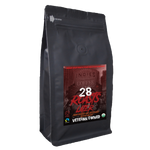
This is the cleanest choice for people who want dependable intensity without surrendering control over flavor. A purpose-built high-caffeine blend gives you a clear starting point, while whole beans let you grind for drip coffee, French press, espresso, or pour-over. Buy smaller amounts, grind just before brewing, and the cup will hit harder in flavor as well as freshness.
A medium-dark roast is often the sweet spot for daily drinkers. It has enough roast depth for cocoa, toasted nuts, and caramel-like richness, but it avoids the ashtray edge that can come with overly dark coffee. This style works especially well when you drink coffee black but still want a heavy, no-nonsense body.
Dark roast is not automatically the most caffeinated option, but it earns a spot for anyone who equates a powerful morning with deep, smoky flavor. Choose it when you want a cup that stands up to milk, cream, or a long commute in a travel mug. If caffeine is the priority, pair that dark-roast taste with a blend specifically labeled for higher caffeine rather than assuming every dark bag carries more.
The standard drip machine is not glamorous, but it can make a seriously effective cup. Use freshly ground beans and enough coffee for your batch. A weak ratio is where most disappointing home coffee begins. For a stronger brew, increase the coffee dose before you extend brew time or overheat the water. More grounds usually improve strength; over-extraction usually brings bitterness.
French press brewing leaves more natural coffee oils in the cup, giving high-caffeine coffee a dense, satisfying weight. It is a strong fit for dark or medium-dark blends and people who want their morning coffee to feel substantial. The trade-off is sediment at the bottom of the mug and a little more cleanup. Grind coarse, steep with discipline, and press slowly.
Cold brew has a smoother, lower-acid character that makes it easy to drink fast. That convenience can be dangerous in the best way: a concentrated cold brew can carry a serious caffeine load without tasting aggressively strong. Brew packs make the process simpler and remove the guesswork from measuring loose grounds. Serve the concentrate over ice, then adjust with water or milk until it has the punch and flavor you want.
Espresso is small, but it is not always the highest-caffeine drink by total serving. A double shot can be strong, yet a large mug of drip coffee may contain more caffeine overall. Still, espresso-friendly coffee deserves its place because it delivers fast, concentrated flavor. Choose a blend with a syrupy body and low bitterness if you pull shots at home, or use it as the foundation for an Americano when you want more volume.
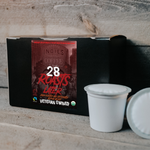
Single-serve coffee is the answer when time is tighter than your schedule. The downside is that many grocery-store pods are filled with old, underdosed grounds and produce coffee that tastes like hot brown water. A quality high-caffeine K-Cup should deliver a clear roast profile and enough body to hold up in a larger cup. For a stronger result, choose the smaller brew setting instead of stretching one pod into an oversized mug.
Not every high-energy cup needs to taste dark and smoky. Light and medium-light roasts can bring citrus, berry, floral, or crisp caramel notes that feel sharp and alive. They are ideal for pour-over fans and coffee drinkers who want complexity with their caffeine. The trade-off is that bright coffee can taste thin or sour when brewed too cool, too quickly, or with an overly coarse grind.
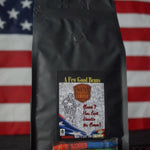
The best high caffeine coffee in the world loses its edge when it sits around for months. A subscription can solve the freshness problem by keeping your preferred roast and format on rotation without a last-minute grocery run. It also lets you build a practical routine: whole beans for weekends, K-Cups for weekday chaos, and cold brew packs for hot weather. Indies Coffee fits that independent, fresh-roasted approach for drinkers who want caffeine, flavor, and a coffee brand with some backbone.
If your coffee is weak, do not immediately assume you need a more aggressive bag. Start with the dose. Adding more coffee grounds is the most direct way to increase caffeine and flavor in your finished cup. A sensible baseline is about 1 to 2 tablespoons of ground coffee per 6 ounces of water, then adjust upward based on your brewer, beans, and taste.
Grind size matters, too. Water moves through coarse grounds faster and extracts less readily, while finer grounds increase extraction. Go too fine in a drip machine or French press, however, and the cup can turn bitter, muddy, or clogged. Change one variable at a time. Increase the dose first, then fine-tune the grind if the coffee still tastes hollow.
Avoid chasing caffeine with burned coffee. Extra-dark roasting can hide old or low-grade beans behind smoke and bitterness. Fresh coffee with a deliberate roast profile gives you more flavor to work with, whether you drink it black, add cream, or turn it into an iced drink.
The right amount is personal. One drinker can handle a large cold brew before noon; another feels jittery after one strong mug. Your sleep, medications, food intake, and regular caffeine habits all affect the experience. If you are sensitive, start with a smaller serving or brew a less concentrated cup rather than writing off high-caffeine coffee entirely.
A serious coffee should meet the moment, not flatten the rest of your day. Pick the roast that makes you want a second sip, use enough grounds to make it count, and keep the beans fresh. That is how you get a morning cup with real firepower and a reason to look forward to it.