
0 item(s)
View cart
You have no items in your shopping cart.
Cold brew can make average beans taste less offensive, but it cannot make stale, flat coffee worth getting excited about. The best coffee for cold brew starts fresh, uses quality beans, and matches the flavor you actually want in your glass - whether that is chocolatey and bold, bright and fruity, or dark enough to stand up to a blast of cream.
Cold water pulls flavor from coffee slowly. That changes the game. It softens sharp acidity, highlights sweetness, and can turn a good roast into a smooth, full-bodied drink with serious presence. It also exposes weak beans, over-roasting, and that dusty grocery-store flavor corporate coffee keeps trying to pass off as convenient.
For most people, a freshly roasted medium-dark or dark roast made with 100% Arabica beans is the safest answer. These roasts tend to produce a rich cold brew with notes of cocoa, caramel, toasted nuts, and a deep finish that holds up over ice. They are easy to drink black and even better if your standard order involves milk, cream, or a little sweetener.
But there is no single bean that wins for every coffee drinker. The best coffee for cold brew depends on whether you want low-acid smoothness, a clean and fruit-forward cup, maximum boldness, or a concentrate that can take whatever you throw at it. The smart move is choosing by flavor profile, not grabbing the darkest bag on the shelf and hoping for the best.
Medium-dark roasts sit in the sweet spot for cold brew. They bring enough roast character for a familiar, satisfying coffee flavor without burying everything under smoke and bitterness. Look for tasting notes like brown sugar, milk chocolate, roasted almond, caramel, or baking spice.
This is the lane for people who want cold brew that feels substantial from the first sip to the last melting cube. It is also forgiving. If your steep runs a little long or you dilute a concentrate more than planned, a medium-dark roast usually stays balanced.
Dark roast is a strong choice if you like your coffee intense, low in perceived acidity, and built for cream. A well-roasted dark coffee can give cold brew a big body and flavors of dark chocolate, molasses, cedar, or roasted cocoa. Think less delicate fruit, more all-day confidence.
There is a trade-off. Dark roast coffee that has been pushed too far can taste ashy, thin, or charred once chilled. Cold brewing will smooth some rough edges, but it will not erase bad roasting. Choose a fresh dark roast with clear flavor character, not a bag that simply advertises a tough-sounding name.
Light-roast fans do not need to sit this mission out. A good light roast can make an excellent cold brew, especially when it has naturally sweet fruit notes, floral aromatics, or a tea-like clean finish. Beans from Ethiopia, Kenya, and some Central American growing regions can produce cold brew with berry, citrus, stone-fruit, or honeyed flavors that feel completely different from the classic chocolate-and-caramel profile.
The trade-off is precision. Light roasts usually need enough steep time and a proper coarse grind to avoid tasting underdeveloped or overly tangy. They also shine best when served black or with minimal additions. If you load your glass with vanilla syrup and half-and-half, much of that nuance gets lost in the fight.
Coffee origin is not a rigid rulebook, but it gives you useful clues. Brazilian and many Colombian coffees commonly lean toward chocolate, nuts, caramel, and mellow sweetness - reliable territory for a traditional cold brew. Guatemalan and Peruvian beans often offer a little more structure and spice while keeping a balanced body. Ethiopian coffees can bring berry and floral character for drinkers who want their cold brew more adventurous.
Processing matters, too. Washed coffees generally taste cleaner and more defined, while natural-process coffees can bring heavier fruit sweetness and a jammy character. Neither is automatically better. A washed medium-dark roast may be exactly right for a crisp, dependable morning glass; a naturally processed light roast can be a great weekend batch when you want something with more personality.
Do not confuse single origin with automatic superiority, either. A well-built blend can be one of the best choices for cold brew because it is designed for balance. Blends often combine body from one coffee, sweetness from another, and a clean finish from a third. That kind of consistency matters when cold brew is your daily fuel, not a one-time tasting experiment.
Cold brew is often made in large batches, which means you are committing to the bean for several days. Start with coffee that was roasted recently and stored properly. Beans are at their most expressive after they have had a short period to rest following roasting, and they remain far more flavorful than coffee that has spent months in a warehouse, truck, and fluorescent grocery aisle.
Buy whole beans when possible, then grind right before brewing. Pre-ground coffee loses aroma fast, and cold brew has nowhere to hide that loss. Your grind should be coarse, roughly the texture of raw sugar or coarse sea salt. If it is too fine, the brew can turn muddy, bitter, and difficult to filter. If it is too coarse, you may end up with a weak batch that tastes like cold disappointment.
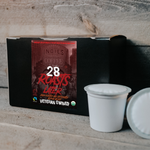
If convenience is the priority, cold brew packs are a legitimate move. They remove the mess and make portioning simple, especially for busy mornings, travel, or anyone who wants better coffee without turning the kitchen into a lab. Indies Coffee cold brew packs offer that kind of straightforward path: fresh coffee, less cleanup, no corporate-coffee compromise.
Your additions should influence your choice. If you drink cold brew black, choose beans with a flavor profile you genuinely want to taste on its own. Medium roast coffees with caramel, cocoa, fruit, or spice notes have room to show off when there is nothing else in the glass.
If you use cream, oat milk, protein shakes, or flavored syrup, go a little bolder. Medium-dark and dark roasts keep their backbone after dilution. A softer light roast may taste great straight, then disappear completely once milk enters the operation.
For cold brew concentrate, choose a coffee with body and sweetness. Concentrate is meant to be diluted, so delicate notes can get muted. A chocolatey medium-dark roast or a balanced dark roast gives you more margin for error. For ready-to-drink cold brew, where you will use more water from the start, a medium roast can feel cleaner and more refreshing.
Great beans deserve a method that does not sabotage them. A dependable starting point is one part coarse-ground coffee to four parts cold, filtered water for concentrate. Steep it in the refrigerator for 14 to 18 hours, then filter slowly and thoroughly. For a ready-to-drink batch, use closer to one part coffee to eight parts water.
Steeping longer is not always better. Once you push well past the sweet spot, some coffees develop woody, dull, or overly bitter notes. Taste your first few batches, adjust one variable at a time, and write down what worked. Changing the roast, ratio, grind, steep time, and water all at once is how good coffee becomes a guessing game.
Use filtered water if your tap water tastes heavily chlorinated or mineral-heavy. Cold brew is mostly water, so a strange water flavor will follow you straight into the finished glass. After filtering, store the brew cold in a sealed container and aim to enjoy it within a week for its best flavor.
The right cold brew bean is not the one with the loudest package or the biggest marketing budget. It is the fresh coffee that gives you the flavor you want before the day starts making demands. Pick a roast with purpose, grind it coarse, let time do its work, and make your morning cup a small act of independence.