
0 item(s)
View cart
You have no items in your shopping cart.
The alarm goes off when the rest of the neighborhood is still dark. You do not need a delicate little cup that tastes like burnt cardboard and quits before your first break. The best coffee for early shifts is fresh, dependable, and built around the way you actually start your day - fast, hard, and usually before sunrise.
Whether you are heading to the plant, the hospital, the station, the warehouse, the job site, or the first shift behind the counter, coffee has a job to do. It should taste like real coffee, deliver the caffeine level you want, and fit the few minutes you have before walking out the door.
Early-shift coffee is not one-size-fits-all. A night-shift worker wrapping up at dawn may want a lighter cup and a clean landing. Someone clocking in at 5 a.m. may need a bold, full-bodied brew that holds up through a long morning. The right choice comes down to roast, freshness, caffeine, and how you brew it.
Freshness comes first. Coffee starts losing its best aromas and flavor after roasting, especially once it is ground. That dusty can from a grocery shelf may technically be coffee, but it rarely has the richness, sweetness, or bite that makes an early wake-up worth it. Freshly roasted whole beans give you more control and a better cup before the day starts throwing punches.
Caffeine matters, but more is not always better. If you already run hot on an empty stomach, an aggressively caffeinated dark cup can leave you jittery instead of focused. On the other hand, if you are facing a double shift or a long drive before work, a higher-caffeine coffee can be the right tool. Know your tolerance, eat when you can, and choose fuel that helps you work rather than rattle.
Roast level affects flavor more than caffeine. Many people assume dark roast automatically means more caffeine, but the difference is usually small when coffee is measured by weight. The bigger question is what tastes right at 4:30 in the morning and what brewing method you use.
Light roast coffee keeps more of the bean's natural character front and center. Expect brighter flavor, crisp acidity, and notes that can lean fruity, floral, or caramel-like depending on the origin. It is a smart pick for people who want an alert, clean-tasting morning cup without the heavy smoky edge of a dark roast.
Light roast is especially good for pour-over, drip coffee, and cold brew concentrate made ahead of time. The trade-off is that it can feel too sharp for drinkers who want their morning coffee to taste big, dark, and unapologetic.
Medium roast is the workhorse choice. It balances the bean's original flavor with a fuller body and mild roast character, making it easy to drink black or with cream. If several people in the house share the coffee maker before different shifts, medium roast is usually the least controversial choice.
A breakfast-style blend fits here nicely. It offers enough body to wake up your palate, but it does not bulldoze every taste bud before you have had a chance to speak to another human. For daily drip brewing, medium roast is hard to beat.
Dark roast is for the people who want coffee to announce itself. It brings deeper body, lower perceived acidity, and flavors that may read as cocoa, toasted sugar, spice, or a satisfying roast-forward bite. French and Italian roast styles are natural choices when you want a substantial cup before physical work, a long commute, or a day where the calendar is already making demands.
Dark roast also plays well with milk, cream, and sweeteners. It stays present in a travel mug and does not disappear when you add a splash of whatever gets you through the morning. The trade-off is simple: if you prefer delicate, origin-specific flavors, a very dark roast may cover them up.
The best bean in the world will not help much if your brewing routine takes 20 minutes you do not have. Early shifts call for a setup that you can repeat half-awake.
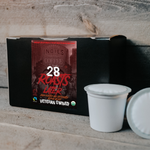
For speed, single-serve cups are hard to argue with. A quality K-Cup gives you a consistent cup in minutes, with no scale, grinder, or cleanup waiting for you after a long day. Choose a bolder roast if you fill a larger mug, since over-diluting a single cup is one of the fastest ways to end up with weak coffee.
For people who want better flavor without much extra effort, set up a drip machine the night before. Measure your water, load your filter and grounds, and let the timer handle the morning. Freshly ground beans make a noticeable difference, but pre-ground coffee can still be a practical call when every minute counts. Convenience is not the enemy. Stale, flavorless coffee is.
Cold brew packs are another early-shift advantage. Make a batch in advance, keep it in the fridge, and pour over ice when the weather is warm or when hot coffee feels like too much. Cold brew tends to be smooth and low in perceived acidity, which can be easier on people who cannot handle a steaming cup before dawn. Make it strong enough to dilute with water or milk, and you have several fast starts ready to go.
Start with one well-made cup, not a desperate chain of refills. A standard 8-ounce brewed coffee often contains roughly 80 to 120 milligrams of caffeine, though the number changes with the beans, dose, and method. A larger mug or a strong brew can quickly double that.
If you need more punch, increase the coffee-to-water ratio before automatically reaching for a darker roast. Use more grounds, brew a smaller and stronger cup, or choose a coffee specifically positioned for higher caffeine. That preserves flavor while giving you a more meaningful lift.
Also pay attention to timing. Coffee often feels most useful 30 to 60 minutes after you drink it. If you are driving to work, having your first cup before leaving may be better than waiting until you are already fading at the clock-in terminal. If caffeine disrupts your sleep after an early shift, set a cutoff time instead of chasing fatigue with late-afternoon cups.
The biggest mistake is buying coffee based on a loud label rather than what is in the bag. A tough-looking brand cannot rescue old beans, poor roasting, or a blend with no real flavor. Look for clear roast information, coffee that is roasted fresh, and a profile that matches how you drink it.
Do not grind an entire bag at once unless convenience is the only goal. Whole beans stay fresher longer, and grinding only what you need protects the aroma that makes your first sip hit right. Store beans in a cool, dry place in an airtight container. Skip the fridge and freezer for the bag you are opening daily, where condensation can work against you.
Finally, do not force yourself into somebody else's idea of serious coffee. Black coffee is great if you enjoy it. Cream and sugar are fine if that is your move. The point is a better start, not a performance for coffee snobs.
For a dependable pre-dawn ritual, Indies Coffee offers fresh organic options across light, medium, dark, decaf, and high-caffeine profiles, so you can choose coffee that fits the mission instead of settling for another corporate aisle filler.
Your early shift already asks plenty of you. Make the first decision of the day an easy one: brew coffee with real freshness, pick the roast that matches your pace, and take the first sip like you mean it.
The alarm goes off when the rest of the neighborhood is still dark. You do not need a delicate little cup that tastes like burnt cardboard and quits before your first break. The best coffee for early shifts is fresh, dependable, and built around the way you actually start your day - fast, hard, and usually before sunrise.
Whether you are heading to the plant, the hospital, the station, the warehouse, the job site, or the first shift behind the counter, coffee has a job to do. It should taste like real coffee, deliver the caffeine level you want, and fit the few minutes you have before walking out the door.
Early-shift coffee is not one-size-fits-all. A night-shift worker wrapping up at dawn may want a lighter cup and a clean landing. Someone clocking in at 5 a.m. may need a bold, full-bodied brew that holds up through a long morning. The right choice comes down to roast, freshness, caffeine, and how you brew it.
Freshness comes first. Coffee starts losing its best aromas and flavor after roasting, especially once it is ground. That dusty can from a grocery shelf may technically be coffee, but it rarely has the richness, sweetness, or bite that makes an early wake-up worth it. Freshly roasted whole beans give you more control and a better cup before the day starts throwing punches.
Caffeine matters, but more is not always better. If you already run hot on an empty stomach, an aggressively caffeinated dark cup can leave you jittery instead of focused. On the other hand, if you are facing a double shift or a long drive before work, a higher-caffeine coffee can be the right tool. Know your tolerance, eat when you can, and choose fuel that helps you work rather than rattle.
Roast level affects flavor more than caffeine. Many people assume dark roast automatically means more caffeine, but the difference is usually small when coffee is measured by weight. The bigger question is what tastes right at 4:30 in the morning and what brewing method you use.
Light roast coffee keeps more of the bean's natural character front and center. Expect brighter flavor, crisp acidity, and notes that can lean fruity, floral, or caramel-like depending on the origin. It is a smart pick for people who want an alert, clean-tasting morning cup without the heavy smoky edge of a dark roast.
Light roast is especially good for pour-over, drip coffee, and cold brew concentrate made ahead of time. The trade-off is that it can feel too sharp for drinkers who want their morning coffee to taste big, dark, and unapologetic.
Medium roast is the workhorse choice. It balances the bean's original flavor with a fuller body and mild roast character, making it easy to drink black or with cream. If several people in the house share the coffee maker before different shifts, medium roast is usually the least controversial choice.
A breakfast-style blend fits here nicely. It offers enough body to wake up your palate, but it does not bulldoze every taste bud before you have had a chance to speak to another human. For daily drip brewing, medium roast is hard to beat.
Dark roast is for the people who want coffee to announce itself. It brings deeper body, lower perceived acidity, and flavors that may read as cocoa, toasted sugar, spice, or a satisfying roast-forward bite. French and Italian roast styles are natural choices when you want a substantial cup before physical work, a long commute, or a day where the calendar is already making demands.
Dark roast also plays well with milk, cream, and sweeteners. It stays present in a travel mug and does not disappear when you add a splash of whatever gets you through the morning. The trade-off is simple: if you prefer delicate, origin-specific flavors, a very dark roast may cover them up.
The best bean in the world will not help much if your brewing routine takes 20 minutes you do not have. Early shifts call for a setup that you can repeat half-awake.
For speed, single-serve cups are hard to argue with. A quality K-Cup gives you a consistent cup in minutes, with no scale, grinder, or cleanup waiting for you after a long day. Choose a bolder roast if you fill a larger mug, since over-diluting a single cup is one of the fastest ways to end up with weak coffee.
For people who want better flavor without much extra effort, set up a drip machine the night before. Measure your water, load your filter and grounds, and let the timer handle the morning. Freshly ground beans make a noticeable difference, but pre-ground coffee can still be a practical call when every minute counts. Convenience is not the enemy. Stale, flavorless coffee is.
Cold brew packs are another early-shift advantage. Make a batch in advance, keep it in the fridge, and pour over ice when the weather is warm or when hot coffee feels like too much. Cold brew tends to be smooth and low in perceived acidity, which can be easier on people who cannot handle a steaming cup before dawn. Make it strong enough to dilute with water or milk, and you have several fast starts ready to go.
Start with one well-made cup, not a desperate chain of refills. A standard 8-ounce brewed coffee often contains roughly 80 to 120 milligrams of caffeine, though the number changes with the beans, dose, and method. A larger mug or a strong brew can quickly double that.
If you need more punch, increase the coffee-to-water ratio before automatically reaching for a darker roast. Use more grounds, brew a smaller and stronger cup, or choose a coffee specifically positioned for higher caffeine. That preserves flavor while giving you a more meaningful lift.
Also pay attention to timing. Coffee often feels most useful 30 to 60 minutes after you drink it. If you are driving to work, having your first cup before leaving may be better than waiting until you are already fading at the clock-in terminal. If caffeine disrupts your sleep after an early shift, set a cutoff time instead of chasing fatigue with late-afternoon cups.
The biggest mistake is buying coffee based on a loud label rather than what is in the bag. A tough-looking brand cannot rescue old beans, poor roasting, or a blend with no real flavor. Look for clear roast information, coffee that is roasted fresh, and a profile that matches how you drink it.
Do not grind an entire bag at once unless convenience is the only goal. Whole beans stay fresher longer, and grinding only what you need protects the aroma that makes your first sip hit right. Store beans in a cool, dry place in an airtight container. Skip the fridge and freezer for the bag you are opening daily, where condensation can work against you.
Finally, do not force yourself into somebody else's idea of serious coffee. Black coffee is great if you enjoy it. Cream and sugar are fine if that is your move. The point is a better start, not a performance for coffee snobs.
For a dependable pre-dawn ritual, Indies Coffee offers fresh organic options across light, medium, dark, decaf, and high-caffeine profiles, so you can choose coffee that fits the mission instead of settling for another corporate aisle filler.
Your early shift already asks plenty of you. Make the first decision of the day an easy one: brew coffee with real freshness, pick the roast that matches your pace, and take the first sip like you mean it.