
0 item(s)
View cart
You have no items in your shopping cart.
A coffee bag can promise chocolate, citrus, caramel, or a kick strong enough to wake the whole block. But before tasting notes and clever blend names, roast level tells you the most about what will land in your cup. If you want to choose coffee beans by roast without getting buried in coffee-shop jargon, start here: light roasts preserve the bean’s character, medium roasts split the difference, and dark roasts bring deep, smoky intensity.
There is no universally “best” roast. There is only the roast that matches how you drink coffee, what you brew it with, and whether your morning needs a clean start or a full-volume charge. Fresh beans make every roast level better. Stale coffee, no matter how expensive or aggressively branded, tastes like a compromise.
Roast level describes how long coffee beans spend in the roaster and how much heat they receive. As roasting progresses, the beans darken, become more soluble, and develop flavors created by the roast itself. Meanwhile, some of the bean’s original fruit, floral, nutty, or cocoa character moves to the background.
That means “dark” does not automatically mean stronger coffee, and “light” does not automatically mean weak coffee. Strength is mostly about how much coffee you use, how finely it is ground, and how you brew it. Roast is about flavor direction.
A smart purchase starts with one honest question: what do you want your coffee to taste like most mornings? Bright and lively? Smooth and familiar? Dark, heavy, and unapologetically bold? Pick the lane you will actually enjoy at 6:30 a.m., not the one that sounds impressive on a bag.
Light-roast beans are roasted for less time, so they usually retain more of their origin character. Depending on where the coffee was grown and how it was processed, you may notice citrus, berries, stone fruit, honey, tea-like florals, or a clean toasted sweetness. The body is often lighter, and the acidity is more noticeable.
This is the right choice for drinkers who want to taste what makes one coffee different from another. A light roast can make a morning pour-over feel sharp and electric, especially when the coffee is freshly ground and brewed with care. It can also work beautifully in a drip maker if you enjoy a cleaner, more vibrant cup.
The trade-off is that light roasts can seem sour, thin, or confusing when under-extracted. Water that is too cool, a grind that is too coarse, or a rushed brew can leave the cup tasting more like lemon peel than breakfast. Give it hot water, a consistent grind, and enough brew time.
Light roast is often a good fit if you drink coffee black, enjoy rotating through different origins, or want something lively without roasting over the bean’s natural flavor. It is less ideal if your default move is loading the mug with cream and sweetener. Those additions can flatten the delicate notes you paid for.
Medium roast is where balance earns its reputation. You still get recognizable bean character, but the roast adds roundness, deeper sweetness, and a more familiar coffee profile. Think caramel, toasted nuts, milk chocolate, brown sugar, and gentle fruit rather than full-throttle brightness.
For many households, medium roast is the most dependable choice because it works across brew methods. It can make a reliable pot of drip coffee, hold up in a K-Cup brewer, and deliver a comfortable, crowd-pleasing cup when friends are over. It also gives you room to drink it black one day and add a splash of cream the next without losing the plot.
Choose medium roast if you want coffee that is smooth but not boring. It is the practical answer for people who want one bag that can handle early meetings, lazy weekend refills, and the occasional travel mug that gets forgotten in the truck for 20 minutes.
Do not mistake balance for blandness. A well-roasted medium coffee should have a clear personality, not the flat, burnt sameness of corporate shelf coffee. Fresh roasting matters here because medium roast’s subtle sweetness and texture disappear fast when beans sit around too long.
Medium roast is especially useful when your household has different coffee preferences, when you switch between drip and single-serve brewing, or when you are buying a gift for someone whose taste you do not know well. It is the safest starting point, but it should not be your permanent default if you know you crave more intensity or more brightness.
Dark-roast coffee spends longer in the roaster, creating a darker bean and a bolder flavor profile. You can expect notes like dark chocolate, toasted sugar, spice, roasted nuts, smoke, and a pleasantly bitter finish. The body is typically heavier, while bright fruit acidity takes a back seat.
This is the roast for people who want coffee to taste like coffee - forceful, rich, and capable of standing up to a heavy breakfast, a long shift, or a generous pour of cream. French roast and Italian roast styles usually live in this territory, bringing a darker edge that many serious dark-roast drinkers want on purpose.
Dark roast performs especially well in drip machines, espresso-style drinks, French press, and cold brew. It is also a strong fit for coffee drinkers who use milk, cream, or flavored additions, because the roast character remains present instead of getting buried.
The trade-off is simple: a dark roast will not show as much origin-specific fruit or floral complexity. If you want to compare the personality of beans from different growing regions, go lighter. If you want a low-nonsense cup with depth and backbone, go dark.
There is a line between a properly developed dark roast and a scorched one. Good dark coffee tastes intentional: rich, smooth, and layered. Bad dark coffee tastes like ash, carbon, and a company trying to hide low-grade beans behind a burn. Buy fresh from roasters who treat darkness as a flavor choice, not a cover-up.
Not in the dramatic way coffee myths suggest. Light and dark roasted beans have very similar caffeine levels when measured by weight. Dark beans expand during roasting and become less dense, so a scoop of dark roast may contain slightly less caffeine than a scoop of light roast. But the difference in a normal cup is small compared with dose and brewing method.
If caffeine is your mission, look for a coffee specifically built for higher caffeine content, then brew enough of it. Use a scale if you want repeatable results. A bold dark roast can feel more intense because of its flavor, but flavor intensity and caffeine intensity are not the same thing.
Decaf is its own decision. Choose it when you want the coffee ritual, roast character, and fresh flavor without the late-day consequences. A quality decaf should not taste like a punishment.
Your brewer does not dictate one correct roast, but it can steer your decision. Pour-over and AeroPress fans often enjoy light and medium roasts because those methods highlight detail and clarity. Standard drip makers are flexible, with medium roast as the easy all-around choice and dark roast as the move for a fuller, more traditional cup.
French press brings out body and oils, making medium-dark and dark roasts feel especially satisfying. Espresso drinkers often favor medium-dark or dark coffee for its syrupy body and ability to cut through milk, though a carefully dialed-in medium roast can be excellent. For cold brew, medium-dark and dark roasts create a chocolatey, low-acid concentrate that holds up over ice.
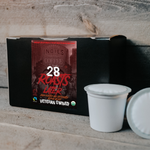
K-Cup drinkers should think about the same flavor preference, not just convenience. A fresh, well-packed medium roast can give you balance; a dark roast delivers more punch. The machine is fast, but your choice does not have to be generic.
If you have no idea where to begin, buy based on your usual order. People who reach for black coffee and enjoy brighter flavors should start light. Those who want a smooth everyday cup should start medium. Anyone who asks for bold, rich, intense, French roast, Italian roast, or extra cream should start dark.
Then pay attention for a week. If your coffee tastes sharp and you dislike it, move darker. If it tastes heavy or smoky and you want more sparkle, move lighter. If it tastes good but you cannot quite describe why, you are probably close to your lane.
Indies Coffee is built for drinkers who are done settling for anonymous, warehouse-aged coffee. Pick a roast that suits your routine, keep it fresh, and adjust from there. Your coffee does not need a boardroom-approved personality. It needs to taste right in your mug.
Tomorrow morning, make the choice easy: brew the roast you genuinely want to finish, not the one you think you are supposed to like. That is how a daily habit becomes your coffee.
A coffee bag can promise chocolate, citrus, caramel, or a kick strong enough to wake the whole block. But before tasting notes and clever blend names, roast level tells you the most about what will land in your cup. If you want to choose coffee beans by roast without getting buried in coffee-shop jargon, start here: light roasts preserve the bean’s character, medium roasts split the difference, and dark roasts bring deep, smoky intensity.
There is no universally “best” roast. There is only the roast that matches how you drink coffee, what you brew it with, and whether your morning needs a clean start or a full-volume charge. Fresh beans make every roast level better. Stale coffee, no matter how expensive or aggressively branded, tastes like a compromise.
Roast level describes how long coffee beans spend in the roaster and how much heat they receive. As roasting progresses, the beans darken, become more soluble, and develop flavors created by the roast itself. Meanwhile, some of the bean’s original fruit, floral, nutty, or cocoa character moves to the background.
That means “dark” does not automatically mean stronger coffee, and “light” does not automatically mean weak coffee. Strength is mostly about how much coffee you use, how finely it is ground, and how you brew it. Roast is about flavor direction.
A smart purchase starts with one honest question: what do you want your coffee to taste like most mornings? Bright and lively? Smooth and familiar? Dark, heavy, and unapologetically bold? Pick the lane you will actually enjoy at 6:30 a.m., not the one that sounds impressive on a bag.
Light-roast beans are roasted for less time, so they usually retain more of their origin character. Depending on where the coffee was grown and how it was processed, you may notice citrus, berries, stone fruit, honey, tea-like florals, or a clean toasted sweetness. The body is often lighter, and the acidity is more noticeable.
This is the right choice for drinkers who want to taste what makes one coffee different from another. A light roast can make a morning pour-over feel sharp and electric, especially when the coffee is freshly ground and brewed with care. It can also work beautifully in a drip maker if you enjoy a cleaner, more vibrant cup.
The trade-off is that light roasts can seem sour, thin, or confusing when under-extracted. Water that is too cool, a grind that is too coarse, or a rushed brew can leave the cup tasting more like lemon peel than breakfast. Give it hot water, a consistent grind, and enough brew time.
Light roast is often a good fit if you drink coffee black, enjoy rotating through different origins, or want something lively without roasting over the bean’s natural flavor. It is less ideal if your default move is loading the mug with cream and sweetener. Those additions can flatten the delicate notes you paid for.
Medium roast is where balance earns its reputation. You still get recognizable bean character, but the roast adds roundness, deeper sweetness, and a more familiar coffee profile. Think caramel, toasted nuts, milk chocolate, brown sugar, and gentle fruit rather than full-throttle brightness.
For many households, medium roast is the most dependable choice because it works across brew methods. It can make a reliable pot of drip coffee, hold up in a K-Cup brewer, and deliver a comfortable, crowd-pleasing cup when friends are over. It also gives you room to drink it black one day and add a splash of cream the next without losing the plot.
Choose medium roast if you want coffee that is smooth but not boring. It is the practical answer for people who want one bag that can handle early meetings, lazy weekend refills, and the occasional travel mug that gets forgotten in the truck for 20 minutes.
Do not mistake balance for blandness. A well-roasted medium coffee should have a clear personality, not the flat, burnt sameness of corporate shelf coffee. Fresh roasting matters here because medium roast’s subtle sweetness and texture disappear fast when beans sit around too long.
Medium roast is especially useful when your household has different coffee preferences, when you switch between drip and single-serve brewing, or when you are buying a gift for someone whose taste you do not know well. It is the safest starting point, but it should not be your permanent default if you know you crave more intensity or more brightness.
Dark-roast coffee spends longer in the roaster, creating a darker bean and a bolder flavor profile. You can expect notes like dark chocolate, toasted sugar, spice, roasted nuts, smoke, and a pleasantly bitter finish. The body is typically heavier, while bright fruit acidity takes a back seat.
This is the roast for people who want coffee to taste like coffee - forceful, rich, and capable of standing up to a heavy breakfast, a long shift, or a generous pour of cream. French roast and Italian roast styles usually live in this territory, bringing a darker edge that many serious dark-roast drinkers want on purpose.
Dark roast performs especially well in drip machines, espresso-style drinks, French press, and cold brew. It is also a strong fit for coffee drinkers who use milk, cream, or flavored additions, because the roast character remains present instead of getting buried.
The trade-off is simple: a dark roast will not show as much origin-specific fruit or floral complexity. If you want to compare the personality of beans from different growing regions, go lighter. If you want a low-nonsense cup with depth and backbone, go dark.
There is a line between a properly developed dark roast and a scorched one. Good dark coffee tastes intentional: rich, smooth, and layered. Bad dark coffee tastes like ash, carbon, and a company trying to hide low-grade beans behind a burn. Buy fresh from roasters who treat darkness as a flavor choice, not a cover-up.
Not in the dramatic way coffee myths suggest. Light and dark roasted beans have very similar caffeine levels when measured by weight. Dark beans expand during roasting and become less dense, so a scoop of dark roast may contain slightly less caffeine than a scoop of light roast. But the difference in a normal cup is small compared with dose and brewing method.
If caffeine is your mission, look for a coffee specifically built for higher caffeine content, then brew enough of it. Use a scale if you want repeatable results. A bold dark roast can feel more intense because of its flavor, but flavor intensity and caffeine intensity are not the same thing.
Decaf is its own decision. Choose it when you want the coffee ritual, roast character, and fresh flavor without the late-day consequences. A quality decaf should not taste like a punishment.
Your brewer does not dictate one correct roast, but it can steer your decision. Pour-over and AeroPress fans often enjoy light and medium roasts because those methods highlight detail and clarity. Standard drip makers are flexible, with medium roast as the easy all-around choice and dark roast as the move for a fuller, more traditional cup.
French press brings out body and oils, making medium-dark and dark roasts feel especially satisfying. Espresso drinkers often favor medium-dark or dark coffee for its syrupy body and ability to cut through milk, though a carefully dialed-in medium roast can be excellent. For cold brew, medium-dark and dark roasts create a chocolatey, low-acid concentrate that holds up over ice.
K-Cup drinkers should think about the same flavor preference, not just convenience. A fresh, well-packed medium roast can give you balance; a dark roast delivers more punch. The machine is fast, but your choice does not have to be generic.
If you have no idea where to begin, buy based on your usual order. People who reach for black coffee and enjoy brighter flavors should start light. Those who want a smooth everyday cup should start medium. Anyone who asks for bold, rich, intense, French roast, Italian roast, or extra cream should start dark.
Then pay attention for a week. If your coffee tastes sharp and you dislike it, move darker. If it tastes heavy or smoky and you want more sparkle, move lighter. If it tastes good but you cannot quite describe why, you are probably close to your lane.
Indies Coffee is built for drinkers who are done settling for anonymous, warehouse-aged coffee. Pick a roast that suits your routine, keep it fresh, and adjust from there. Your coffee does not need a boardroom-approved personality. It needs to taste right in your mug.
Tomorrow morning, make the choice easy: brew the roast you genuinely want to finish, not the one you think you are supposed to like. That is how a daily habit becomes your coffee.