
0 item(s)
View cart
You have no items in your shopping cart.
That bag with a pretty mountain graphic and the word “organic” in big letters may look like the right call. But if the roast date is missing, the beans are stale, or the flavor profile does not match your brew method, it is still not the coffee you want. Knowing how to choose organic coffee beans means looking past the marketing and buying for the cup you actually plan to drink.
Organic coffee should taste like coffee first: rich, clean, balanced, and full of the character the bean earned before it ever met a roaster. The organic label matters because farming practices matter. Freshness, roast level, and quality control determine whether that good intention turns into a great morning or another forgettable mug.
“Organic” is not a flavor note. It refers to how coffee is grown and handled, generally without prohibited synthetic pesticides, herbicides, or fertilizers. In the United States, a coffee labeled USDA Organic must meet defined federal standards and be verified through an approved certifier.
That is the label to look for if organic sourcing is your priority. Some small farms use organic-minded practices but do not hold certification because it costs money and paperwork. That can be a legitimate story, but it is not the same claim. A brand should be clear about the distinction rather than hoping you will fill in the blanks.
Also, do not confuse organic with every other coffee term on the shelf. Fair trade, shade-grown, single-origin, and direct trade may point to meaningful sourcing practices, but none automatically means certified organic. A coffee can be organic and not single-origin. It can be single-origin and not organic. Decide which standards matter to you, then make sure the bag actually supports the claim.
Coffee is not canned goods. Whole beans protect their flavor longer than ground coffee, but they still lose their punch over time. A “best by” date tells you almost nothing because it can sit far into the future. A visible roast date tells you when the real clock started.
For most brewing methods, organic whole beans are often at their best after a short resting period and within a few weeks of roasting. Dark roasts can taste good sooner because they release more carbon dioxide during roasting. Lighter roasts may need a little more rest before they settle into their clearest flavor. There is no magic day that fits every coffee, but fresh-roasted beans should never be a mystery.
Buy an amount you can finish in roughly two to four weeks after opening. If you drink one or two cups a day, a one-pound bag may be right. If you only brew on weekends, smaller bags keep you from rationing stale beans out of stubbornness.
Store them in an airtight container away from heat, light, and moisture. The pantry wins. The fridge usually does not. Freezing can work for longer-term storage if beans are portioned and sealed well, but opening and closing one big frozen bag invites condensation and dull flavor.
Roast labels are a starting point, not a universal ranking system. One company’s medium can drink like another company’s dark. Still, the broad categories help you pick a lane.
Light roast beans keep more of their original character. Depending on where the coffee was grown, you may find citrus, berry, floral, tea-like, or honeyed notes. They are often a strong choice for pour-over, drip, and anyone who wants to taste the bean rather than just the roast.
The trade-off is that light roasts can feel sharper or less traditionally “coffee-bold” to drinkers raised on dark, smoky cups. They also demand more attention to grind and brewing. If you want a no-nonsense, heavy-bodied mug before the day starts firing shots, a light roast may not be your first move.
Medium roasts sit in the sweet spot for many daily drinkers. They can preserve sweetness and origin character while adding caramel, chocolate, toasted nut, or brown sugar depth. They are flexible in drip brewers, French presses, and many espresso setups.
This is a solid place to start if you are buying organic beans for the first time. It gives you enough flavor detail to notice quality without asking you to rebuild your whole coffee routine.
Dark roast brings deeper roast character: dark chocolate, cocoa, toasted notes, and sometimes a pleasant smokiness. It is a natural fit for French press, espresso, milk drinks, and anyone who wants a bold cup that stands its ground.
A dark roast should not taste burnt just because it is dark. Good roasting develops weight and intensity while keeping the coffee clean. Bad roasting bulldozes every bean into the same bitter, ashy profile. Organic beans deserve better than being scorched into anonymity.
The front of a coffee bag sells a feeling. The details tell you what you are buying. Look for the origin or origins, roast level, roast date, certification information, and a usable flavor description.
A single-origin coffee comes from one country, region, farm, or cooperative, depending on the label. It can offer a distinct flavor experience, especially when brewed black. Blends combine coffees to create a consistent profile, often with more body and balance. Neither is automatically better. A single-origin is great when you want to explore. A blend is great when you want your morning coffee to show up and perform every time.
Flavor notes should also be read with common sense. “Blueberry,” “cocoa,” or “caramel” usually describes natural aromas and tastes developed by the bean, processing, and roast. It does not mean someone dumped flavor syrup into the bag. If you are shopping flavored coffee, that is a separate choice, and the label should be upfront about it.
Be skeptical of packaging that makes sweeping promises but skips the basics. “Premium,” “artisan,” and “smooth” are easy words. A roast date, transparent sourcing details, and a real description take more commitment.
Whole-bean coffee gives you more control and holds onto flavor longer. Grinding immediately before brewing makes a noticeable difference, especially with organic coffees that have delicate fruit, spice, or chocolate notes worth protecting.
Pre-ground coffee still has a place. It is practical for busy mornings, offices, travel, and people who would rather keep the ritual simple. Just buy smaller quantities and choose the grind designed for your brewer when possible. Fine grounds suit espresso, medium grounds work for standard drip machines, and coarse grounds are better for French press and cold brew.
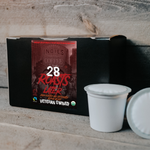
The same goes for K-Cups and cold brew packs. Convenience does not have to mean surrendering your standards. Look for a clearly identified organic coffee, a flavor profile you will enjoy, and a brand that takes freshness seriously. The right format is the one you will actually use instead of leaving untouched in a cabinet.
A coffee can be excellent and still disappoint when it is paired with the wrong method. Your brewer is part of the purchase decision.
For automatic drip, medium roasts and balanced blends are usually reliable. For pour-over, light to medium coffees can show off brightness and complexity. French press favors coffees with body, often medium-dark or dark roasts, though a rich medium roast can be excellent. Espresso benefits from coffees that offer sweetness, body, and enough depth to cut through milk when needed. Cold brew tends to shine with chocolatey, nutty, low-acid profiles, commonly found in medium-dark and dark roasts.
Caffeine is another separate decision. Dark roast does not automatically mean more caffeine. By bean count, roast level changes caffeine only slightly. Brewing ratio and serving size matter more. If you want a serious jolt, choose a coffee specifically positioned for higher caffeine rather than assuming the blackest bean carries the biggest punch.
Buying organic is a values decision, but it should never require lowering your standards. You are allowed to expect freshness, clear information, consistent roasting, and a cup you genuinely want to drink. If a coffee tastes flat, papery, bitter, or lifeless, the organic seal does not make that a victory.
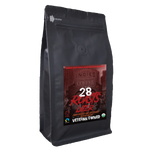
This is where independent roasters have an edge over mass-market coffee built for long warehouses and anonymous shelves. Smaller-batch roasting and direct-to-consumer delivery can put fresher beans in your hands, with less corporate fog between the roaster and your cup. Indies Coffee, for example, builds its organic lineup around fresh roasting and roast choices that make it easier to buy by taste instead of gambling on a label.
The best organic coffee bean is not the one a reviewer calls the most complex. It is the one that makes you want another cup. Start with one or two bags in different roast levels, brew them the same way for a few days, and pay attention to what you reach for first.
If you like it black, chase clarity, sweetness, and a finish that stays pleasant. If you add cream or milk, favor body and deeper chocolate or caramel notes. If your current coffee tastes sour, try a darker roast or adjust your brewing. If it tastes bitter, check whether your water is too hot, your grind is too fine, or your beans have been sitting around too long.
Buy organic because you want better farming practices behind your coffee. Keep buying a particular bag because it earns its place in your morning. Fresh beans, an honest label, and a roast that fits your routine will do more for your cup than any corporate buzzword ever will.
That bag with a pretty mountain graphic and the word “organic” in big letters may look like the right call. But if the roast date is missing, the beans are stale, or the flavor profile does not match your brew method, it is still not the coffee you want. Knowing how to choose organic coffee beans means looking past the marketing and buying for the cup you actually plan to drink.
Organic coffee should taste like coffee first: rich, clean, balanced, and full of the character the bean earned before it ever met a roaster. The organic label matters because farming practices matter. Freshness, roast level, and quality control determine whether that good intention turns into a great morning or another forgettable mug.
“Organic” is not a flavor note. It refers to how coffee is grown and handled, generally without prohibited synthetic pesticides, herbicides, or fertilizers. In the United States, a coffee labeled USDA Organic must meet defined federal standards and be verified through an approved certifier.
That is the label to look for if organic sourcing is your priority. Some small farms use organic-minded practices but do not hold certification because it costs money and paperwork. That can be a legitimate story, but it is not the same claim. A brand should be clear about the distinction rather than hoping you will fill in the blanks.
Also, do not confuse organic with every other coffee term on the shelf. Fair trade, shade-grown, single-origin, and direct trade may point to meaningful sourcing practices, but none automatically means certified organic. A coffee can be organic and not single-origin. It can be single-origin and not organic. Decide which standards matter to you, then make sure the bag actually supports the claim.
Coffee is not canned goods. Whole beans protect their flavor longer than ground coffee, but they still lose their punch over time. A “best by” date tells you almost nothing because it can sit far into the future. A visible roast date tells you when the real clock started.
For most brewing methods, organic whole beans are often at their best after a short resting period and within a few weeks of roasting. Dark roasts can taste good sooner because they release more carbon dioxide during roasting. Lighter roasts may need a little more rest before they settle into their clearest flavor. There is no magic day that fits every coffee, but fresh-roasted beans should never be a mystery.
Buy an amount you can finish in roughly two to four weeks after opening. If you drink one or two cups a day, a one-pound bag may be right. If you only brew on weekends, smaller bags keep you from rationing stale beans out of stubbornness.
Store them in an airtight container away from heat, light, and moisture. The pantry wins. The fridge usually does not. Freezing can work for longer-term storage if beans are portioned and sealed well, but opening and closing one big frozen bag invites condensation and dull flavor.
Roast labels are a starting point, not a universal ranking system. One company’s medium can drink like another company’s dark. Still, the broad categories help you pick a lane.
Light roast beans keep more of their original character. Depending on where the coffee was grown, you may find citrus, berry, floral, tea-like, or honeyed notes. They are often a strong choice for pour-over, drip, and anyone who wants to taste the bean rather than just the roast.
The trade-off is that light roasts can feel sharper or less traditionally “coffee-bold” to drinkers raised on dark, smoky cups. They also demand more attention to grind and brewing. If you want a no-nonsense, heavy-bodied mug before the day starts firing shots, a light roast may not be your first move.
Medium roasts sit in the sweet spot for many daily drinkers. They can preserve sweetness and origin character while adding caramel, chocolate, toasted nut, or brown sugar depth. They are flexible in drip brewers, French presses, and many espresso setups.
This is a solid place to start if you are buying organic beans for the first time. It gives you enough flavor detail to notice quality without asking you to rebuild your whole coffee routine.
Dark roast brings deeper roast character: dark chocolate, cocoa, toasted notes, and sometimes a pleasant smokiness. It is a natural fit for French press, espresso, milk drinks, and anyone who wants a bold cup that stands its ground.
A dark roast should not taste burnt just because it is dark. Good roasting develops weight and intensity while keeping the coffee clean. Bad roasting bulldozes every bean into the same bitter, ashy profile. Organic beans deserve better than being scorched into anonymity.
The front of a coffee bag sells a feeling. The details tell you what you are buying. Look for the origin or origins, roast level, roast date, certification information, and a usable flavor description.
A single-origin coffee comes from one country, region, farm, or cooperative, depending on the label. It can offer a distinct flavor experience, especially when brewed black. Blends combine coffees to create a consistent profile, often with more body and balance. Neither is automatically better. A single-origin is great when you want to explore. A blend is great when you want your morning coffee to show up and perform every time.
Flavor notes should also be read with common sense. “Blueberry,” “cocoa,” or “caramel” usually describes natural aromas and tastes developed by the bean, processing, and roast. It does not mean someone dumped flavor syrup into the bag. If you are shopping flavored coffee, that is a separate choice, and the label should be upfront about it.
Be skeptical of packaging that makes sweeping promises but skips the basics. “Premium,” “artisan,” and “smooth” are easy words. A roast date, transparent sourcing details, and a real description take more commitment.
Whole-bean coffee gives you more control and holds onto flavor longer. Grinding immediately before brewing makes a noticeable difference, especially with organic coffees that have delicate fruit, spice, or chocolate notes worth protecting.
Pre-ground coffee still has a place. It is practical for busy mornings, offices, travel, and people who would rather keep the ritual simple. Just buy smaller quantities and choose the grind designed for your brewer when possible. Fine grounds suit espresso, medium grounds work for standard drip machines, and coarse grounds are better for French press and cold brew.
The same goes for K-Cups and cold brew packs. Convenience does not have to mean surrendering your standards. Look for a clearly identified organic coffee, a flavor profile you will enjoy, and a brand that takes freshness seriously. The right format is the one you will actually use instead of leaving untouched in a cabinet.
A coffee can be excellent and still disappoint when it is paired with the wrong method. Your brewer is part of the purchase decision.
For automatic drip, medium roasts and balanced blends are usually reliable. For pour-over, light to medium coffees can show off brightness and complexity. French press favors coffees with body, often medium-dark or dark roasts, though a rich medium roast can be excellent. Espresso benefits from coffees that offer sweetness, body, and enough depth to cut through milk when needed. Cold brew tends to shine with chocolatey, nutty, low-acid profiles, commonly found in medium-dark and dark roasts.
Caffeine is another separate decision. Dark roast does not automatically mean more caffeine. By bean count, roast level changes caffeine only slightly. Brewing ratio and serving size matter more. If you want a serious jolt, choose a coffee specifically positioned for higher caffeine rather than assuming the blackest bean carries the biggest punch.
Buying organic is a values decision, but it should never require lowering your standards. You are allowed to expect freshness, clear information, consistent roasting, and a cup you genuinely want to drink. If a coffee tastes flat, papery, bitter, or lifeless, the organic seal does not make that a victory.
This is where independent roasters have an edge over mass-market coffee built for long warehouses and anonymous shelves. Smaller-batch roasting and direct-to-consumer delivery can put fresher beans in your hands, with less corporate fog between the roaster and your cup. Indies Coffee, for example, builds its organic lineup around fresh roasting and roast choices that make it easier to buy by taste instead of gambling on a label.
The best organic coffee bean is not the one a reviewer calls the most complex. It is the one that makes you want another cup. Start with one or two bags in different roast levels, brew them the same way for a few days, and pay attention to what you reach for first.
If you like it black, chase clarity, sweetness, and a finish that stays pleasant. If you add cream or milk, favor body and deeper chocolate or caramel notes. If your current coffee tastes sour, try a darker roast or adjust your brewing. If it tastes bitter, check whether your water is too hot, your grind is too fine, or your beans have been sitting around too long.
Buy organic because you want better farming practices behind your coffee. Keep buying a particular bag because it earns its place in your morning. Fresh beans, an honest label, and a roast that fits your routine will do more for your cup than any corporate buzzword ever will.