
0 item(s)
View cart
You have no items in your shopping cart.
A coffee pod can save five minutes in the morning, but it should not cost you the flavor of an actual cup of coffee. That is where a real coffee pods comparison starts. Forget the flashy box, the celebrity campaign, and the warehouse-sized brand pretending every roast tastes the same. Look at what is in the pod, when it was roasted, how it fits your brewer, and whether the coffee gives you a reason to take another sip.
Convenience matters. So does refusing to settle for burnt, stale, corporate swill just because it happens to be easy.
Most pod shoppers begin with one question: will this work in my machine? That is a fair starting point, especially for K-Cup brewers. But compatibility only gets you to the gate. The better question is whether the coffee inside delivers the roast level, body, aroma, and caffeine kick you want once hot water hits it.
Pod coffee has a built-in challenge: coffee is ground before it is sealed, and ground coffee loses its edge faster than whole beans. A well-made pod can still make a satisfying cup, but freshness becomes non-negotiable. Look for coffee roasted with care and packed to protect flavor, not anonymous grounds that have spent who-knows-how-long parked in a distribution center.
The best choice depends on your routine. Someone grabbing one fast cup before a commute has different needs than a dark roast loyalist who drinks three mugs before noon. The point is not to crown one universal winner. It is to choose a pod that does its job without making you compromise on what you enjoy.
K-Cup compatible pods are built for Keurig-style single-serve brewers, which remain the most common pod machines in American kitchens and offices. If that is your setup, confirm that the box specifically says it is compatible. It sounds obvious, but pod shapes, machine systems, and proprietary formats are not interchangeable.
Nespresso-style capsules are a different category altogether. They are generally designed for espresso-style drinks, use different machines, and create a more concentrated serving. They can be great for lattes, cappuccinos, and smaller shots, but they are not the same experience as a standard 8- to 12-ounce K-Cup coffee.
Reusable pods deserve a mention, too. They reduce single-use waste and let you use any ground coffee you want. The trade-off is cleanup, dosing, and consistency. If the whole reason you bought a single-serve brewer was speed, a reusable pod may feel like adding a chore back into the morning. For convenience without the ritual, prefilled pods win.
A lot of coffee pod comparisons stop at light, medium, or dark roast as if those three words settle the issue. They do not. Roast level points you in the right direction, but origin, blend composition, grind, and brewing size all shape the final cup.
Light roast pods tend to carry more brightness and fruit-forward character. They can be crisp, lively, and surprisingly complex, particularly when brewed at a smaller cup setting. If you prefer coffee that tastes energetic rather than heavy, light roast deserves a place in the rotation. Just do not expect it to mimic the smoky weight of a diner-style dark roast.
Medium roast is the workhorse. It sits in the middle with balanced sweetness, body, and acidity, making it a smart choice for people who drink their coffee black one day and add cream the next. A solid breakfast blend lives here. It is approachable without being bland, which is harder to pull off than the big brands would have you believe.
Dark roast is for drinkers who want the coffee to show up with authority. Expect a fuller body, deeper roast notes, and a profile that can hold its ground against cream, sugar, or a long morning. French and Italian roast fans usually land here. The risk is over-roasting, where bold becomes bitter and every bean gets cooked into the same charred flavor. A good dark roast is intense, not punished.
Flavored pods can be a smart change of pace, not a replacement for good coffee. The base coffee still matters. If a flavored pod tastes like artificial syrup covering a weak roast, it is not a treat - it is a distraction. Look for flavors that support the cup instead of flattening it.
Decaf drinkers should demand the same standards as everyone else. Decaf does not mean flavorless, and it certainly does not mean you should be handed old coffee no one else wanted. A good decaf pod keeps its body and character, so a late-afternoon cup still feels like coffee, not a compromise.
Then there are high-caffeine options. They have their place for early shifts, long drives, training days, and anyone whose calendar looks like a hostile takeover. More caffeine does not automatically mean better coffee, though. If flavor matters to you, choose a boosted pod that still has a roast profile you would drink even without the extra jolt. Coffee should wake you up, not dare you to finish it.
Freshness is the dividing line between a pod you tolerate and one you look forward to. Coffee is at its best when roasting, packing, and delivery are handled with intention. Large national brands often optimize for shelf life and distribution scale. That makes sense for their logistics department. It does nothing for your mug.
You may not always find a roast date printed on every pod box, but you can still shop smarter. Favor brands that talk clearly about roasting and freshness rather than hiding behind vague claims about “premium” coffee. Pay attention to aroma when you open the box, the scent during brewing, and whether the cup tastes flat before you have even added anything to it.
A pod should smell like coffee when it brews. Revolutionary concept, apparently.
The sticker price of a large box can make bargain pods look like a victory. Run the numbers per cup. Then consider how many times you brew a second pod because the first one was thin, bitter, or completely forgettable. Saving a few cents is not much of a deal if you are using twice the coffee to get through the day.
Premium pods usually cost more because better coffee, smaller-batch roasting, and more careful packing cost more. That does not mean every expensive pod is worth it. Some brands charge for packaging and borrowed prestige. The test is simple: does the coffee taste distinct, fresh, and worth repeating?
Subscriptions can make the math easier for daily drinkers. They help avoid last-minute grocery runs and keep your preferred roast on hand. But only subscribe after you have found a pod you genuinely want to drink repeatedly. Convenience is valuable. Being trapped with 48 cups of coffee you do not like is not.
If you drink coffee black, prioritize freshness and roast character. There is nowhere for weak coffee to hide. Medium and dark roasts are often the easiest starting points, though a well-made light roast can be a welcome curveball.
If you add cream or sweetener, choose a coffee with enough body to remain present. Dark roasts, bold blends, and richer medium roasts generally stand up better than delicate profiles. If you brew larger cup sizes, expect a milder result from any pod. Use a smaller setting when you want more strength instead of blaming the coffee for a watered-down brew.
For households with different tastes, variety packs can help - provided they contain roasts you would actually choose, not a pile of novelty flavors nobody requested. Build a practical lineup: one everyday medium roast, one unapologetic dark roast, decaf for later, and a high-caffeine option for days that demand reinforcements.
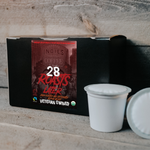
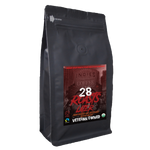
Indies Coffee K-Cups are made for the drinker who wants that convenience without handing their morning over to another faceless coffee conglomerate. Pick the roast that matches your standards, brew it at the right size, and let your first cup set a better tone than the day trying to run you over.